REVIEW · JAIPUR
Jaipur: Shopping Tour with Blue Poetry & Printing Workshop & Rugs
Book on Viator →Operated by Raj Tours Jaipur · Bookable on Viator
Turquoise craft, prints, and real weaving. This Jaipur day mixes blue pottery artistry, hands-on block printing, and a close look at how hand-knotted rugs are made, all wrapped into an easy 5-hour loop with hotel pickup and drop-off.
I particularly like two parts: the block printing workshop, where you make your own textile using hand-carved wooden blocks and natural dyes, and the rug stop where you can watch artisans work and learn what knot counts and patterns actually mean before you buy. It’s the kind of tour where the craft isn’t just decoration—it’s the lesson.
One thing to consider: this is also a shopping day. You’ll be shown plenty of products, and you should expect some sales talk along the way, so you’ll want to shop with a plan and decide ahead of time what’s worth your money.
In This Review
- Key highlights
- The 5-hour plan: hotel pickup, AC comfort, and a craft-focused route
- Blue pottery in Jaipur: learning the turquoise look before you shop
- Johri Bazaar craft studio and the block-printing workshop that actually teaches
- Bapu Bazaar rug showroom: watching weaving and understanding knot counts
- Shopping with less stress: honesty, safety, and a guide who helps you say no
- Price and value: why $22 can make sense here
- Who this tour fits best (and who might want a different day)
- Practical tips to make the day smoother
- Should you book this Jaipur shopping and craft tour?
- FAQ
- How long is the Jaipur shopping tour?
- Does the tour include hotel pickup and drop-off?
- Is this tour private?
- What’s included in the price?
- Are admissions included?
- What should I do about alcoholic beverages?
- Do I need any documents to join?
- Can children join the tour?
Key highlights

- Blue pottery session with artisans explaining Rajasthan’s signature turquoise look
- Hands-on block printing using wooden blocks and natural dyes
- Rug showroom visit where you see weaving on traditional looms
- Knot counts and materials explained in plain terms so buying feels less like guesswork
- Private for your group with a friendly, English-speaking guide and AC car
The 5-hour plan: hotel pickup, AC comfort, and a craft-focused route
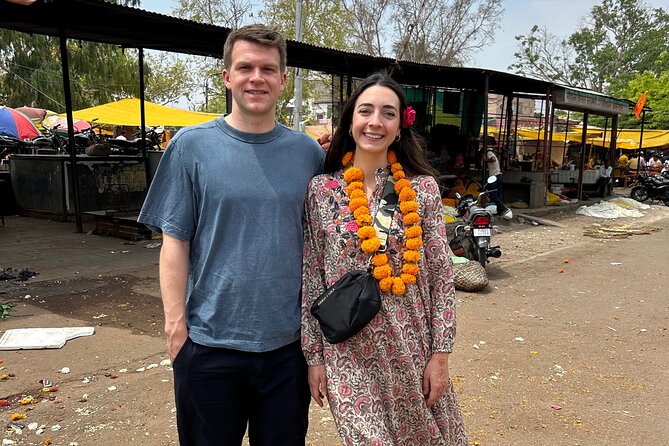
This tour is built for a full, productive day without stressful logistics. You start with pickup from your Jaipur hotel, then you’re in an AC car with an English-speaking driver and guide for the different stops, finishing with drop-off back at your hotel. You’ll have bottled water during the day, which matters in Jaipur heat.
The timing is a simple loop—about five hours total—so you can actually fit it into a tight itinerary. Because it’s private for your group, you don’t get steamrolled by a larger crowd pace. In practice, that often means you can ask more questions at the workshops and take breaks without feeling rushed.
The main “feel” of the day is craft + shopping, not sightseeing. If your dream Jaipur day is fort gates and palace courtyards only, this may not be your best match. If you’re itching to buy something real—something made by hand—this structure works well.
You can also read our reviews of more shopping tours in Jaipur



Blue pottery in Jaipur: learning the turquoise look before you shop
Jaipur is famous for blue pottery, and this day starts by putting you in front of the craft rather than just showing you finished items. You get a blue pottery session where artisans explain how the turquoise designs get their look and how the process works from start to finish.
Here’s what I like about starting with pottery first: it trains your eyes. Before you go anywhere near textiles and carpets, you learn what “handmade” should feel like—subtle variation, intentional marks, and the way colors are applied. That mindset carries into rug and textile shopping later, because you start noticing quality differences instead of just chasing the prettiest colors.
Practical tip: if you’re buying pottery (or carrying home printed textiles later), ask early about how fragile items are handled and whether you’ll be given packing guidance. The tour can move quickly between experiences, so you’ll want any fragile items protected right away.
Johri Bazaar craft studio and the block-printing workshop that actually teaches
One of the best parts of this experience is the hands-on block printing workshop in Sanganer or Bagru. You’re not only watching. You’re making something.
You’ll see a traditional textile studio setting—where wooden blocks are hand-carved and prepared for printing. The craft lesson centers on how designs are transferred to cloth and how dyes work in the process. Natural dyes are part of the explanation, which helps you understand why colors can look slightly different from one piece to the next. That variability is not a flaw; it’s part of the handmade process.
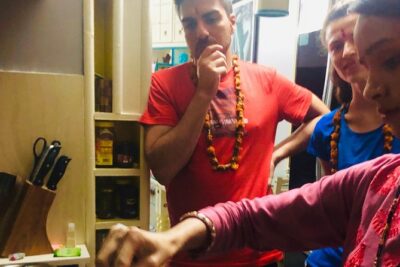
Then you get to print your own textile. That’s where the tour goes from informative to memorable. You leave with a piece you made, not just a souvenir you bought. And because the printing uses the same basic method artisans use for production, you get a real sense of labor and time behind each pattern.
What to watch for:
- Your comfort level with mess: printing can get dusty or dye-stained depending on how it’s handled at the studio. Wear clothes you don’t mind getting a little marked.
- Pattern clarity: your first prints may be lighter or less crisp than the shop samples. That’s normal. It’s about learning the process, not creating museum-grade perfection.
- Timing: the session is about learning and doing. If you want very specific customizations, do those conversations directly with the studio staff.
Bapu Bazaar rug showroom: watching weaving and understanding knot counts

After textiles, the tour shifts into rugs at a trusted showroom in the Bapu Bazaar area. You’ll spend time at a rug and carpet weaving center known for hand-knotted pieces, and you can watch artisans working on traditional looms.
This stop is valuable because it answers questions you’re likely to have when you’re shopping: How is a rug actually made? Why does a similar-looking rug cost so differently? What should you look at beyond “it’s pretty”?
In the showroom, you’ll learn the basics that affect quality:
- Knot counts and why higher knot density usually means more labor
- Patterns and how design choices are translated into the weaving process
- Materials, including wool and silk options (depending on the piece you’re shown)
Even if you don’t become a rug expert by the end of the day, you’ll leave with better language for what you’re seeing. That makes a big difference when bargaining, because you can focus on real quality points instead of guessing.
Personal shopping strategy: I like to choose one or two rugs to compare carefully—like two with similar designs but different knot density or material—then ask questions about the differences. This tour’s format supports that because you’re not rushing through ten random shops.
Small realism check: rug shopping can still involve sales pressure. The guide can help you avoid obvious pushy traps, but you’ll still want to set your budget and stick to it.
Shopping with less stress: honesty, safety, and a guide who helps you say no
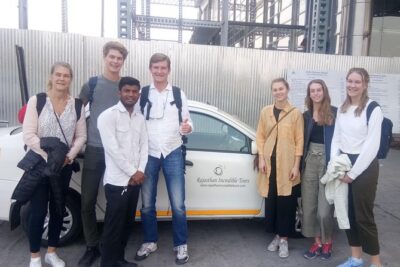
A standout theme from the feedback tied to this kind of day in Jaipur is trust. The guide associated with these tours—often named Shakeer—is repeatedly described as friendly and reliable, and specifically as someone who helps you feel safe. That matters most for solo travelers and for women traveling on their own, since shopping areas can feel chaotic and crowded fast.
Just as important: the guide is also described as honest about tourist traps and focused on getting you to good-value places, including shops where salespeople aren’t overly pushy. That doesn’t mean there’s zero negotiation. It means the tour experience is structured so you spend your energy wisely.
How to use that in your favor:
- Go in with a target list (ex: one wall hanging from block printing, one small rug, one home item).
- When you’re shown something new, ask yourself: does it match what I originally came for, and is the craft visible?
- If you’re not ready to buy, be upfront early. A good guide will understand and won’t force the issue.
One extra note: one of the reviews mentions a palm reading happening as a surprise add-on during the day. That suggests there may be optional cultural extras offered along the route. If that’s not your thing, you can simply skip it and focus on craft.
You can also read our reviews of more tours and experiences in Jaipur




Price and value: why $22 can make sense here
At $22 per person for a 5-hour experience with hotel pickup/drop-off, AC car, a guide, and bottled water, the value can be strong—especially if you actually buy something you can trace back to the craft you learned.
Here’s why the price works when it does:
- You’re paying for transportation plus human guidance, not just admissions.
- The workshop component means your money isn’t only buying finished products—you’re also paying for time with artisans and the chance to make your own textile.
- Rugs can be expensive. A guided visit that helps you understand knot counts and materials can save you from common mistakes, even if you don’t buy that day.
There’s also a tradeoff. Because the day ends with shopping stops, part of what you’re “paying for” is time in showrooms. If you’re looking for pure sightseeing only, you may feel the price is too tied to shopping. If you’re here to buy handmade items, it’s a good setup.
A practical way to decide if it’s worth it for you: plan to spend at least one meaningful budget item on the craft you learn. If you want souvenirs but have a zero-purchase mindset, consider whether the workshop portion alone is satisfying enough.
Who this tour fits best (and who might want a different day)
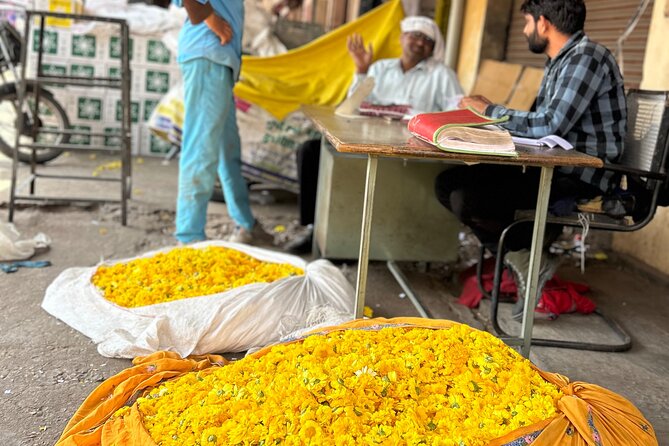
This works best for:
- People who want hands-on crafts instead of just watching from the sidelines
- Shoppers who like to understand what they’re buying—especially for rugs and textiles
- Solo travelers who value a guide’s practical help and personal reassurance
- Couples or small groups who want a shared activity with a tangible takeaway
It may be less ideal if:
- You want only major monuments and museums
- You hate markets and showrooms
- You’re sensitive to time spent around sales displays (because shopping is central here)
It’s generally described as suitable for most travelers, and if you’re bringing kids, note that they must be accompanied by an adult.
Practical tips to make the day smoother
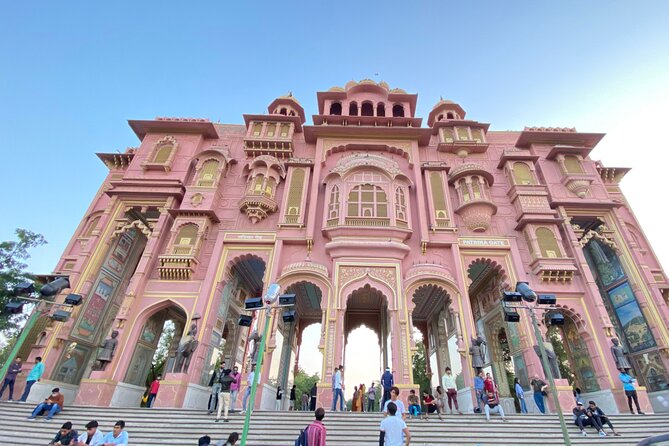
This is a shop-and-workshop kind of day, so a few simple choices help:
- Wear comfortable shoes. You’ll be moving between studio/showroom areas and may stand for short periods.
- Bring a small plan for purchases. If you only decide when you’re in the middle of it, you’ll waste time comparing.
- If you’re carrying fragile items afterward, ask about handling or packing at the time of purchase.
- If you have any dietary needs, mention them at booking (the tour notes that you should advise requirements).
Also, one smart mindset shift: treat the workshops as your buying education. When you can explain the difference between a block print process and a mass-produced textile, you shop more confidently.
Should you book this Jaipur shopping and craft tour?
If you want a Jaipur day that combines learning with real shopping—and you’re excited to take something home made with real methods—then yes, this is a strong booking. The best reason to go is that you don’t just browse rugs and textiles. You see how the work happens, and you do a hands-on craft that changes how you’ll shop afterward.
Skip it only if your priority is monument-heavy sightseeing or you strongly dislike markets. Otherwise, go in with a budget, ask questions about knot counts and materials, and let the crafts you experience guide what you buy. With the hotel pickup, AC transport, and a guide like Shakeer who’s repeatedly praised for honesty and making people feel safe, this is the kind of practical Jaipur day that can actually pay off.
FAQ
How long is the Jaipur shopping tour?
It’s about 5 hours.
Does the tour include hotel pickup and drop-off?
Yes. Pickup is offered from your Jaipur hotel, and you’re dropped back after the tour.
Is this tour private?
Yes, it’s private for your group only.
What’s included in the price?
Included are an AC car with an English-speaking driver, a professional tour guide, bottled water, and hotel pickup and drop-off, plus fuel, parking, and taxes.
Are admissions included?
The tour notes admission tickets as free for the listed stops.
What should I do about alcoholic beverages?
Alcoholic beverages are not included.
Do I need any documents to join?
The tour information says a current valid passport is required on the day of travel.
Can children join the tour?
Children can participate, but they must be accompanied by an adult.