REVIEW · JAIPUR
Pink City Cooking Class
Book on Viator →Operated by Pink City Cooking Class · Bookable on Viator
The Jaipur streets can feel like a lot. A home-kitchen vegetarian cooking class with Chef Dimple and Bunty turns that noise into something you can actually taste. I love the hands-on, step-by-step teaching style, and I also like that you cook with farm-fresh produce and go home with an e-recipe book you can use later. One thing to consider: this experience is vegetarian only, so if you’re chasing non-veg flavors, you’ll need a different plan.
Expect a warm, family-style setup in a real residential kitchen near Amer Road. You’ll learn Rajasthani and North Indian basics that connect to lots of Indian cooking, and you’ll likely come away with a better feel for ingredients, spice, and timing. My only caution is simple: since it’s a home setting, directions matter more than in a big commercial venue, so give yourself a little buffer to find 17-A on Manu Marg.
In This Review
- Key things I’d bet on before you book
- A Home-Kitchen Cooking Class in Jaipur’s Pink City
- Meet Chef Dimple and Bunty, and What Their Teaching Style Feels Like
- What You’ll Make: Rajasthani and North Indian Vegetarian Favorites
- The Lesson Style: Hands-On Cooking With Spice Tweaks
- Ingredients, Clean Setup, and the Water Detail That People Skip
- Time, Group Size, and How to Plan Your Afternoon
- Price and Value: Why $27.90 Can Be a Smart Buy
- Who This Cooking Class Is Best For
- Before You Go: What to Expect When the Kitchen Gets Busy
- Should You Book the Pink City Cooking Class?
- FAQ
- What is the price of the Pink City Cooking Class?
- How long does the cooking class last?
- Is the cooking class vegetarian?
- What dishes and items can I expect to make?
- Where does the class meet?
- How many people are in a class?
- What if weather is bad or I need to cancel?
Key things I’d bet on before you book
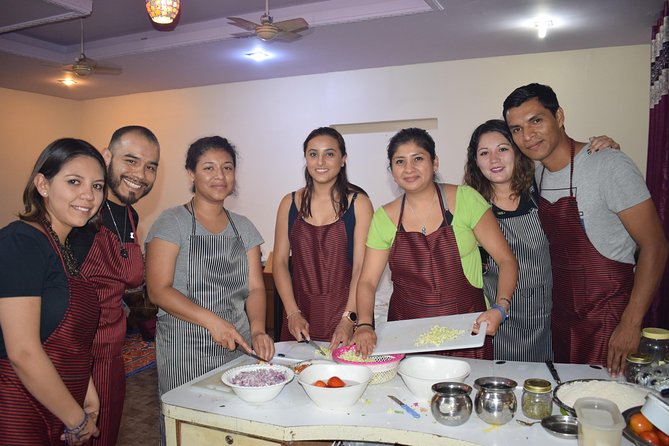
- Chef Dimple’s home-style instruction: clear steps, patient pacing, and real kitchen know-how.
- Bunty’s teaching approach: practical guidance that helps you cook instead of just watch.
- Vegetarian menu built around fundamentals like roti/chapati, dal, and curry bases.
- Farm-fresh ingredients and filtered water for cooking, plus bottled water for guests.
- Small group size (max 15), which keeps the class interactive.
- Spice level adjusted to the group, so you’re not stuck with one version of hot.
A Home-Kitchen Cooking Class in Jaipur’s Pink City
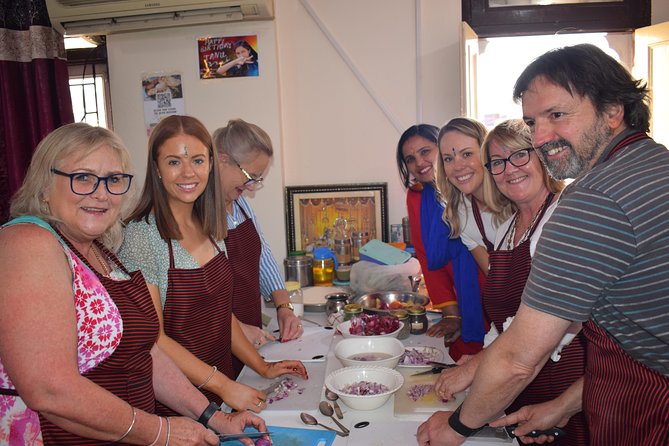
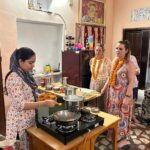
This class is built for people who want more than a single meal. You’re not just eating in Jaipur. You’re learning how the flavors are put together, using a kitchen that feels lived-in rather than staged.
The setting matters. When you’re cooking in someone’s home, you notice the rhythm: how ingredients are handled, how pans are managed, and how instruction is paced around real cooking. That helps you go home with muscle memory, not just recipes on paper.
Also, the class centers on vegetarian Indian food. That’s a plus if you’re vegetarian, or if you just want to understand how Indian cuisine can be deeply satisfying without meat. The flip side is obvious: this is not the place for meat dishes.
You can also read our reviews of more city tours in Jaipur



Meet Chef Dimple and Bunty, and What Their Teaching Style Feels Like
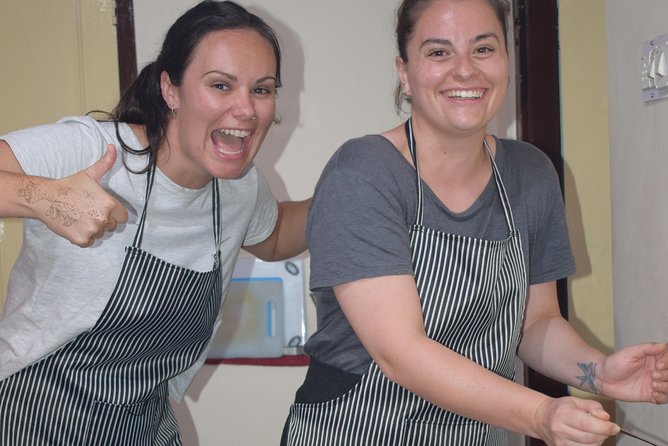
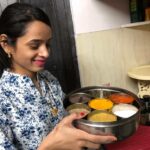
Chef Dimple runs the kitchen side, and Bunty often handles much of the teaching energy. From the way the class is described, the vibe is warm and family-oriented, with people welcomed into the space rather than kept at a distance.
What I like about this approach is that it’s not vague. The instruction is described as easy to follow and clear, with guidance that supports a hands-on experience. That’s important because Indian cooking can look intimidating until someone breaks it down: what to do first, how long to cook, when to add what, and why you’re doing it.
In a lot of classes, you get one big moment where you stand in front of your own stove. Here, the teaching is meant to be step-by-step throughout the session. That means you’re more likely to understand techniques like spice blooming, layering flavor, and getting roti/chapati texture right.
What You’ll Make: Rajasthani and North Indian Vegetarian Favorites
The menu is built around multiple dishes, usually including both breads and curries. Based on the dish list shared by past participants, you can expect classics such as:
- Chapati/roti (often taught as a technique, not a mystery)
- Jeera rice (jeera flavor plus a basic rice method)
- Dal (lentil cooking basics)
- Paneer curry (a common North Indian vegetarian staple)
- Pakoras (fried snack-making and batter/spice handling)
- Masala chai (the tea part matters here, not just the dessert part)
One of the smarter parts of this class is that it aims at fundamentals. You learn techniques that show up across Indian food, even when dishes look different on the menu. For example, once you understand how a base curry is built, you’ll be better equipped to improvise at home when you find new vegetables at the market.
Also, the class is positioned as Rajasthani-influenced, which makes sense for Jaipur. You get flavors that feel local to the region, not only the generic version of North Indian cooking you might find anywhere.
The Lesson Style: Hands-On Cooking With Spice Tweaks
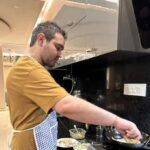
This is a cooking master class, meaning you do things yourself. You’ll work through steps while the chef and host guide you, which is the best way to learn. Watching cooking can be fun, but it doesn’t teach you timing. Doing it teaches you timing.
A practical detail: the class is described as adjusting spice levels to match the group’s taste. That’s genuinely useful. Indian cooking has a wide range, from mild to intensely hot, and the difference is often just how you balance chili, spices, and tolerance.
You should also expect a culture-and-kitchen connection. The cooking is taught as part of Indian culture and life in Jaipur, not as a standalone food demo. If you’re the type who enjoys hearing why a technique exists, you’ll get something out of that conversation side of the experience.
Ingredients, Clean Setup, and the Water Detail That People Skip
This class makes a point of using ingredients from the organizers’ own farm for masala and vegetables. Even if you don’t know what to compare it to yet, farm-fresh produce usually shows up in the flavor: vegetables taste brighter, and masalas taste fresher.
Water is another small but important detail. You’ll be using filtered water for cooking, and you’ll receive bottled water for guests. It sounds unglamorous, but it’s the kind of operational clarity that helps your stomach and keeps you focused on cooking instead of worrying about supplies.
The kitchen setup is described as clean and organized. In a home environment, that’s not a guarantee everywhere, but it’s specifically highlighted. Clean tools and a comfortable workstation make a huge difference when you’re trying to learn dough texture, frying safety, and sauce consistency.
You can also read our reviews of more cooking classes in Jaipur

Time, Group Size, and How to Plan Your Afternoon
The session runs about 2 to 3 hours (listed around 3 hours). That’s a sweet spot: long enough to cook several dishes and make mistakes (and fix them), short enough to still enjoy Jaipur afterward.
The group size is capped at 15 travelers. Smaller groups tend to mean more attention, and in a hands-on class, attention is what you want. You’re not trying to ask questions through a crowd while steam is going.
The meeting point is at 17-A, Manu Marg, Amer Rd, Govind Nagar West, Brahampuri, Jaipur, Rajasthan 302002. It’s also noted as near public transportation, which helps if you don’t want to rely entirely on a car.
Tip: since it’s a home kitchen, I’d plan to arrive a few minutes early. Jaipur traffic and the last stretch to a residential address can be slower than you expect.
Price and Value: Why $27.90 Can Be a Smart Buy
At $27.90 per person, the price looks low for what you actually get: cooking instruction, multiple recipes, and a meal you make yourself. In Jaipur, you can easily spend more just eating out without learning the process.
Here’s the value angle that matters:
- You get an e-book recipe after class, so your learning doesn’t disappear after the photos.
- You’re taught fundamentals like roti/chapati technique and base curries, which helps you cook again.
- You’re eating what you cooked, which usually means the meal quality is tied to the skill you practiced.
- The class uses farm ingredients and provides water clearly, which reduces “tour hassle.”
If you like food tours that teach something, this is priced for people who want skills, not just entertainment. If you’re only hungry and don’t care about cooking, you might prefer a restaurant meal. But if you want to leave Jaipur with something practical in your hands, this cost makes sense.
Who This Cooking Class Is Best For
This class is a strong match if you:
- Want an authentic, local-style experience in a real home kitchen
- Are vegetarian (or want better vegetarian cooking skills)
- Learn best through doing: chopping, mixing, rolling, frying, and tasting
- Want clear instruction and recipes you can repeat later
It may be less ideal if you:
- Only want non-veg dishes
- Prefer a purely sightseeing itinerary and don’t want to spend a few hours focused on the stove
- Need a very large, high-rigidity commercial-style program (this is family-home style)
Before You Go: What to Expect When the Kitchen Gets Busy
Indian cooking is active. You’ll likely handle spices, dough, and hot pans. That means wear clothes you don’t mind getting splashed and plan to smell faintly like your food adventure afterward.
Because the class adjusts spice levels, you can speak up about your comfort ahead of time. If you like mild flavors, say so early. If you want it hotter, you can often guide that too, but the class is built around matching the group’s taste.
Finally, remember the class includes tea (masala chai) as part of the experience. That’s not always true in cooking classes, and it’s a nice bonus because tea is such a daily part of Indian life.
Should You Book the Pink City Cooking Class?
I’d book it if you want a hands-on Jaipur experience with real food skills, not just a meal. The teaching setup with Chef Dimple and Bunty, the farm-to-kitchen ingredient focus, and the chance to learn multiple dishes like chapati/roti, dal, jeera rice, pakoras, paneer curry, and masala chai are exactly the kind of value that sticks with you.
Skip it only if vegetarian cooking isn’t your thing or if you’re short on time and just want to eat quickly. Otherwise, this is one of the better ways to turn a few hours in Jaipur into something you can recreate at home.
FAQ
What is the price of the Pink City Cooking Class?
It costs $27.90 per person.
How long does the cooking class last?
The class lasts about 3 hours (approximately 2 to 3 hours).
Is the cooking class vegetarian?
Yes. The class focuses on vegetarian recipes and vegetarian Indian cuisine.
What dishes and items can I expect to make?
Based on the class descriptions and what people have shared, you’ll likely make items such as chapati/roti, dal, pakoras, masala chai, paneer curry, and jeera rice.
Where does the class meet?
The start location is 17-A, Manu Marg, Amer Rd, Govind Nagar West, Brahampuri, Jaipur, Rajasthan 302002, India.
How many people are in a class?
The maximum group size is 15 travelers.
What if weather is bad or I need to cancel?
The experience requires good weather. If it’s canceled due to poor weather, you’ll be offered a different date or a full refund. Free cancellation is available up to 24 hours in advance for a full refund.