REVIEW · JAIPUR
Jaipur Night Wonders: A Guided Night Walking Tour
Book on GetYourGuide →Operated by Nine Tours · Bookable on GetYourGuide
Jaipur night streets feel calmer once the lights go on, and this 2-hour night walking tour is built for exactly that mood; I love the fact that you hit major sights with photo-friendly stops and real local flavor, and I also like the small group size (max 6). The only real drawback to plan for is that it’s a walking tour, so if you’re not steady on your feet, you’ll want to think twice.
This is a straightforward, locally guided evening stroll in Rajasthan that trades daytime sightseeing rush for glowing monuments and street-level atmosphere. You’ll start at Hawa Mahal, weave through classic gates and lanes, sample food along the way, and finish at Albert Hall Museum—like closing the night on a grand, lit-up note.
And because the guide is coordinating the route on foot, including getting you across busy roads, it helps to show up on time and stay close. When you do, the whole experience clicks fast.
In This Review
- Key Things That Make Jaipur Night Wonders Worth Your Time
- Entering the Night at Hawa Mahal
- Tripolia Gate: The Gate Gets a Different Personality After Dark
- Isarlat Sargasooli and the Lanes Between Big Sights
- Partanion Ka Rasta: Street Energy Without the Daytime Pressure
- Golcha Cinema: A Familiar Landmark in a Different Light
- Sawai Man Singh Statue: A Photo Stop That Anchors the Route
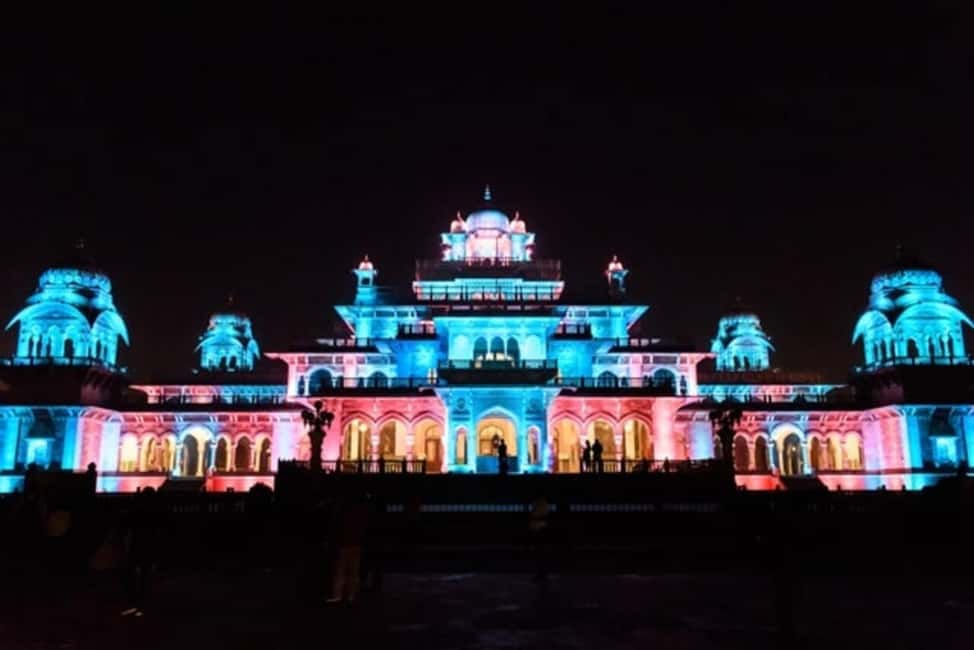
- Finishing at Albert Hall Museum: The Night’s Grand Finale
- Food Tastings and Bottled Water: Small Inclusions, Real Value
- Guide Aadi and the Art of Staying With the Group
- Price and Value: Why $8 Works Here
- Who This Night Walk Is Best For (and Who Should Skip It)
- Should You Book Jaipur Night Wonders?
- FAQ
- Where does the Jaipur Night Wonders tour start?
- Where does the tour end?
- How long is the tour?
- Is the tour guided and in English?
- How big is the group?
- Are food tastings included?
- Can the tour accommodate special dietary needs?
- Does the tour include hotel pickup and drop-off?
- Are alcoholic beverages included?
Key Things That Make Jaipur Night Wonders Worth Your Time
- Two hours, not a half-day: You get a complete evening loop without burning your whole schedule.
- Small group (6 max): Easier pacing, less waiting around, and more chances to ask questions.
- Iconic stops with night lighting: Hawa Mahal to Albert Hall Museum, plus gates and landmarks in between.
- Food tastings + bottled water included: You’re not just sightseeing—you’re eating your way through the evening.
- English live guide: Clear explanations as you go, not a dry list of facts.
- Flexibility and safety measures: The route is managed so you can focus on the sights.
Entering the Night at Hawa Mahal
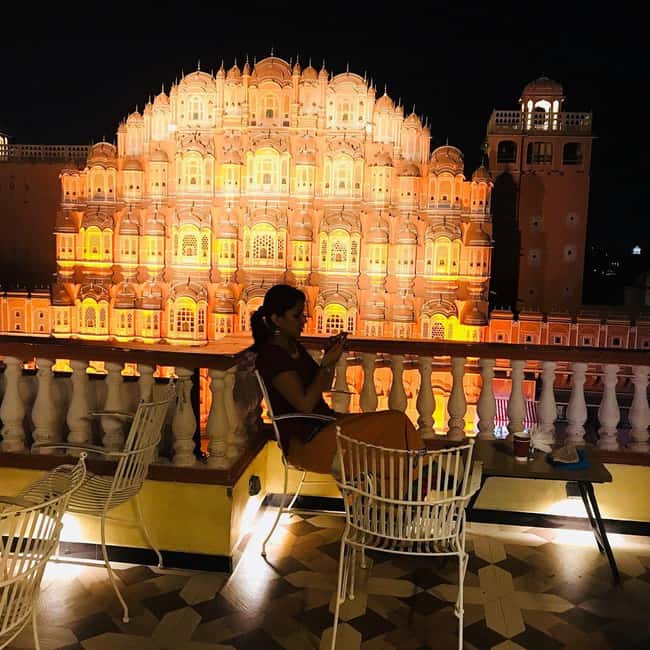
The tour kicks off at Hawa Mahal, meeting your guide there in front of the monument. This matters more than it sounds. Starting at a big, recognizable landmark helps you get your bearings fast, and it also means the first part of the walk sets the tone: Jaipur’s famous facade, lit and framed by surrounding streets.
From the first minutes, you’re in “move with the group” mode. The guide is there to steer you along the right side streets and keep the timing working. With a 2-hour total duration, every stop has a purpose, so don’t plan big detours for photos right at the beginning—save them when the guide gives you proper time.
Practical tip: wear shoes you don’t mind getting a little dusty. This is street walking, not museum-floor cruising.
You can also read our reviews of more walking tours in Jaipur



Tripolia Gate: The Gate Gets a Different Personality After Dark
Your next stop is Tripolia Gate, with time set aside to see it properly. Gates like this work best at night because the lighting shapes the details in a way daytime light often washes out. You’re also more likely to feel the neighborhood rhythm here, since people are out and the area has an evening pulse.
At a short visit length, the goal isn’t to “study” the gate—it’s to notice how it sits in the street, how the architecture reads when illuminated, and how the surrounding movement changes your sense of place. If you’re the type who likes architecture but hates museum lectures, this stop is a good fit.
You’ll also get time to photograph, which is key. Night photos can be hit-or-miss. Having a scheduled window means you’re not scrambling to get the shot while everyone else is moving.
Isarlat Sargasooli and the Lanes Between Big Sights
Then you’ll head to Isarlat Sargasooli. This is the kind of stop that’s easy to overlook on your own because it isn’t the headline. But guided on foot, it becomes part of the night puzzle: you start seeing how Jaipur’s main monuments connect to everyday lanes and small landmarks.
This is where the “guided” part earns its fee. The guide helps you make sense of what you’re looking at, and you’re not just passing by a name on a map. You get a short, focused visit—enough time to absorb the mood and grab a few pictures without turning the whole night into a long slog.
In a city like Jaipur, the best nighttime experiences often come from these in-between moments, not only the famous structures.
Partanion Ka Rasta: Street Energy Without the Daytime Pressure
The tour continues to 1673, Partanion Ka Rasta. Streets like this are where Jaipur feels most like a living city. At night, the focus shifts: fewer people are sightseeing, and more attention goes to what’s happening right now—shops, snacks, and the steady flow of evening activity.
This is also a smart moment to pay attention to the food and drinks component, since the tour includes tastings and bottled water. The way these tastings are handled matters. You’re not expected to “go big” or take chances on every random stall. Instead, you get portions that keep the tour moving and keep your energy up.
If you’re a slow eater, you’ll still be fine. The tour is built around adequate time at each stop and photography windows.
Golcha Cinema: A Familiar Landmark in a Different Light
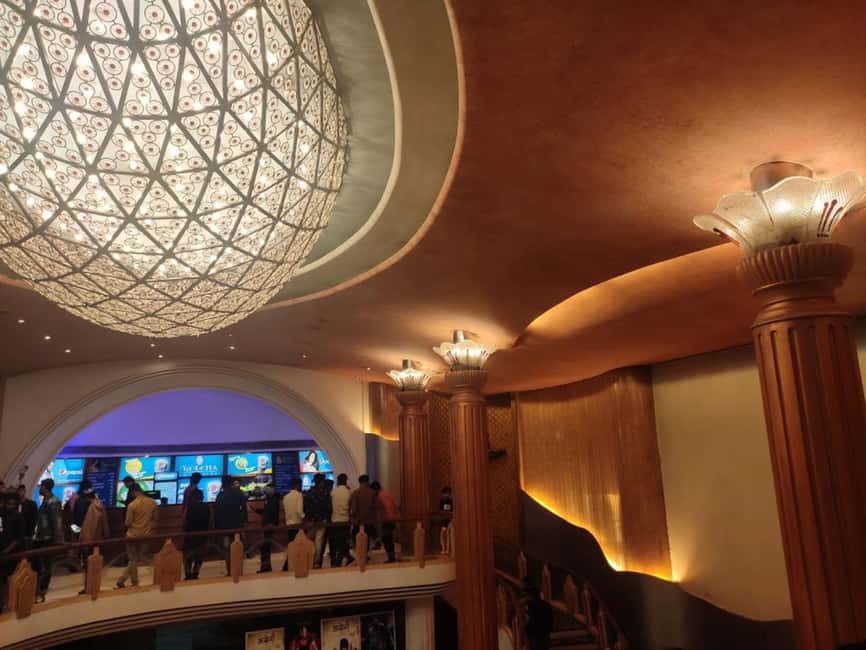
Next is Golcha Cinema. Even if you’re not a movie person, this stop adds variety to the evening loop. You’re still in Jaipur’s built environment, but the vibe shifts from purely “monument view” to “street landmark view.”
Night lighting does something useful here: it changes the feel of the facade and makes it more photogenic. It also helps you see the city as more than a checklist of UNESCO-style highlights. You’re watching how daily life wraps around prominent buildings.
Short tip: if you enjoy people-watching, this is a good stop to slow down just a bit—within reason—so you can take in the scene the guide points out.
You can also read our reviews of more guided tours in Jaipur





Sawai Man Singh Statue: A Photo Stop That Anchors the Route
You’ll then reach the Sawai Man Singh Statue, another brief but worthwhile stop. Statues work at night when lighting creates clearer shadows and edges. They’re also good “anchors” in a walking itinerary because they break the route into understandable segments.
This is one of those moments where having a guide helps. They can point out details you might not notice, and they help you position yourself for photos without blocking foot traffic.
If you like strong silhouettes and clean architecture lines, this is the sort of stop that can look great even with a basic camera—especially if you use the time window to experiment a little.
Finishing at Albert Hall Museum: The Night’s Grand Finale
The tour ends at Albert Hall Museum. This closing location is practical and atmospheric. After a loop of gates, lanes, and city landmarks, you land somewhere that feels like a “finish line,” not just another corner.
Albert Hall Museum at night is a great capstone because you can take a final breath, review your photos, and absorb the night version of Jaipur as a whole. It’s also a helpful endpoint: you’re in a central area where it’s easier to plan your next step after the tour is done.
If you’ve got dinner reservations nearby, ending here can make your timing easier.
Food Tastings and Bottled Water: Small Inclusions, Real Value
One of the best parts of this tour is that food isn’t treated as an optional extra. You get tasting portions plus bottled water, and there’s mention that the guide can accommodate special dietary needs.
At this price level, that’s not a throwaway detail—it’s what keeps the tour from feeling like you’re paying mainly for walking. You’re getting fuel and flavor while you move through the city.
A practical way to think about it: night sightseeing is more tiring than it sounds, especially if you’re making photo stops. A planned snack schedule helps you stay comfortable and keeps the night from turning into “hangry sightseeing.”
Also, alcoholic beverages are not included. That’s good to know so you can decide what you want to do after the tour.
Guide Aadi and the Art of Staying With the Group
The biggest day-to-day benefit on a walking tour comes down to leadership. This one is run by Nine Tours, and the guide is typically identified on-site with an ID card. English is supported as the live tour guide language.
In the best moments, the guide handles the two things that can derail a night walk: timing and traffic flow. The tour is designed to keep you moving safely and carefully, and the route is managed so you’re not left figuring out crossings while everyone else waits. You also get flexibility—if your pacing needs a tweak, that’s part of the experience design.
The result is that the streets feel like part of the show, not a hurdle.
Price and Value: Why $8 Works Here
At $8 per person for a 2-hour guided evening walk, this is one of those deals where the real value isn’t just the sights—it’s the whole package.
You’re paying for:
- a live English guide
- multiple landmark stops with time to look and photograph
- tastings and bottled water
- a small group size that helps with pacing
- safety and flexibility that matter in busy street conditions
When a tour costs more, you often get less structure. Here, the structure is the point. The route is tight. The stops are short but meaningful. You’re not stuck waiting around for long transit segments, since it’s a walking tour.
Bottom line: if you want an evening in Jaipur that doesn’t drain your whole day—and you’re okay walking—this price is hard to beat.
Who This Night Walk Is Best For (and Who Should Skip It)
This tour is a great match if you want:
- a quick, guided way to see Jaipur’s illuminated landmarks
- a chance to experience local street-level evening energy
- an easy format with small group pacing and photo time
It may be less ideal if:
- you strongly dislike walking on city streets
- you need hotel pickup (since it’s not included)
- you want a longer, slower night with extended time at fewer places
If you’re flexible and enjoy street photography and short, guided explanations, you’ll get a lot out of it.
Should You Book Jaipur Night Wonders?
Yes, if you want an efficient evening plan with real street flavor and lit-up monuments, book it. The tour’s logic is sound: start at Hawa Mahal, hit a sequence of iconic and in-between landmarks, sample food, and end at Albert Hall Museum—clean loop, clear timing, and enough photo time to actually capture what you came for.
You should think twice only if walking isn’t your thing or you’re looking for hotel pickup and a long, sit-down style itinerary. Otherwise, this is a smart, low-cost way to see Jaipur after dark without overcomplicating your day.
FAQ
Where does the Jaipur Night Wonders tour start?
The meeting point is Hawa Mahal.
Where does the tour end?
The tour finishes at Albert Hall Museum.
How long is the tour?
The duration is 2 hours.
Is the tour guided and in English?
Yes. It includes a live tour guide and the language is English.
How big is the group?
The tour is a small group with limited to 6 participants.
Are food tastings included?
Yes. Tasting portions are included, along with bottled water.
Can the tour accommodate special dietary needs?
Yes, special dietary needs are included.
Does the tour include hotel pickup and drop-off?
No. Hotel pickup & drop is not included.
Are alcoholic beverages included?
No. Alcoholic beverages are not included.