
REVIEW · JAIPUR
Jaipur: Interactive Cooking Class with a Local Family
Book on GetYourGuide →Operated by Ultimate Urban Adventures Pvt. Ltd. · Bookable on GetYourGuide
A Jaipur cooking class inside a real home beats any restaurant ticket. You learn North Indian basics hands-on, from spice prep to making round chapatis and a vegetable curry, then you sit down to eat as part of the family meal. I especially like the small-group feel and the way the hosts explain not just recipes, but how they think about flavors.
The best part is the lived-in, personal teaching style from Monty and Harshita, with their daughter Gina adding extra warmth to the evening. One consideration: you’ll need to plan your arrival, since the class happens in a home setting and the walking route can matter depending on where you’re staying.
In This Review
- Key things that make this Jaipur cooking class worth your time
- Inside a Jaipur home kitchen: the vibe and the people
- What you’ll cook (and why these dishes are the smart choices)
- Chapatis you make yourself
- A vegetable curry (with the spice logic behind it)
- Add-ons and the meal spread
- Your typical class flow: from spice intro to dinner at the table
- 1) Welcome drink and a quick kitchen orientation
- 2) Cooking demonstration before your turn
- 3) Hands-on cooking: chapatis and curry workstations
- 4) Dessert and you actually sit down together
- 5) E-recipes so you can cook later
- Price and value: why $24 often feels like a bargain
- Transport and logistics: how to avoid the annoying parts
- Who this experience suits best (and who might want a different option)
- What to ask the hosts during your cooking time
- Practical tips: how to get your best results at home
- For chapatis
- For vegetable curry
- A note on rules and comfort: what to expect in the home
- Should you book this Jaipur cooking class?
- FAQ
- How long is the cooking class?
- What does the class cost?
- What’s included in the experience?
- Is pickup available?
- What language is the instruction in?
- Is it suitable for wheelchair users?
- Are pets or smoking allowed?
- Do I need to bring cooking equipment?
Key things that make this Jaipur cooking class worth your time
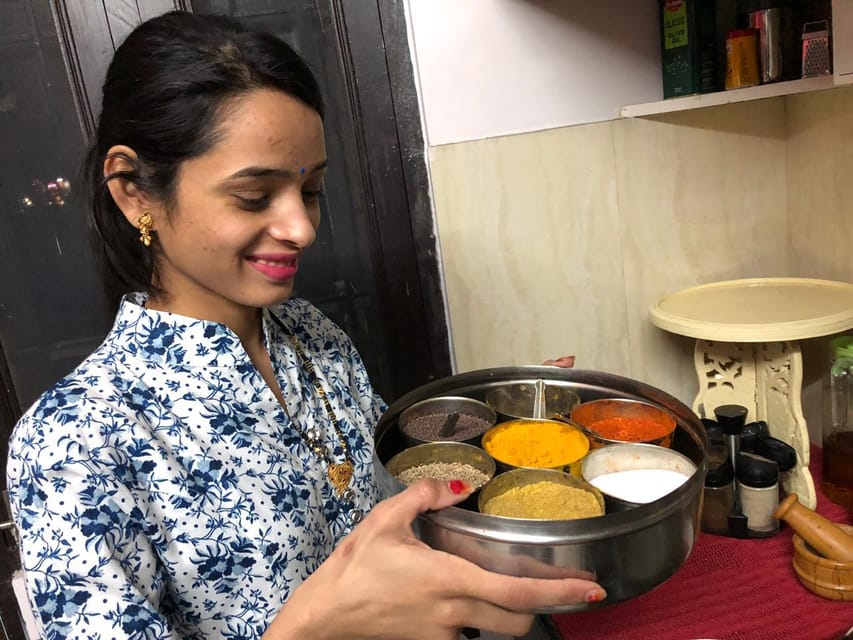
- Hands-on chapati making: you don’t just watch; you learn the dough and the round shape.
- North Indian focus: recipes center on familiar staples like chapati/paratha style cooking and seasonal veg curries.
- Family teaching style: Monty and Harshita bring different approaches—hands-on technique plus long-time local know-how.
- You eat what you cook: welcome drink, your meal, plus dessert come with the class.
- English instruction with e-recipes: you get notes of what you made so you can repeat it later.
Inside a Jaipur home kitchen: the vibe and the people
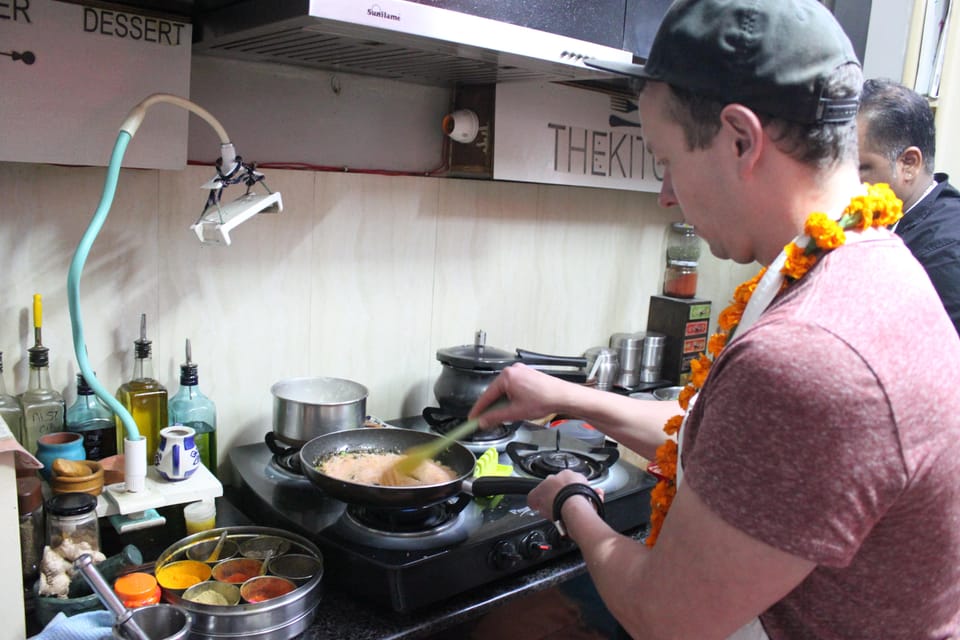
This isn’t a big-group, studio-class kind of event. You’re welcomed into a family home, and the tone stays informal and friendly. Expect an open, talk-as-you-cook flow where you’ll ask questions and get answers in plain language—especially about spices and the practical steps that make Indian food taste right.
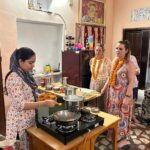
The hosts are Monty and Harshita, and their daughter Gina is part of the experience too. Many people love the mix: Monty tends to explain things with a methodical, technique-first mindset, while Harshita shares the everyday, grandma-style approach that comes from cooking at home for years. Gina’s presence adds that personal, family feel, and in the best moments you might see a spontaneous bit of performance energy during the evening.
You can also read our reviews of more cooking classes in Jaipur

What you’ll cook (and why these dishes are the smart choices)
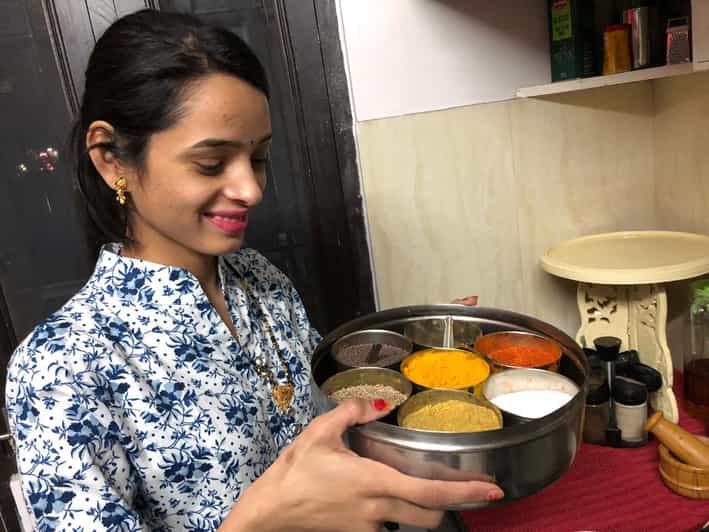
The menu centers on North Indian comfort food and seasonal ingredients. The exact dishes can vary, but the class structure is consistent: you’ll learn spice foundations, then you’ll cook side dishes and mains you can actually recreate later.
Chapatis you make yourself
You’ll get hands-on time making round chapatis. This matters more than it sounds. Flatbread is where technique shows: dough hydration, resting, heat control, and how you flip without overworking the dough. When you can make chapatis on your own, you gain a base skill you’ll use for years—everything from simple meals to paratha-style variations.
A vegetable curry (with the spice logic behind it)
You’ll also make a vegetable curry. This is where the class earns its keep. Instead of treating spices like a mystery blend, you’ll get a real explanation of when to use certain herbs, spices, and aromatics, and how those decisions change the final taste and texture.
Add-ons and the meal spread
Alongside the main cooking, you can expect a mix of North Indian staples and extras that often include items like fried rice, side dishes, and desserts. The class also includes an Indian drink during your welcome-to-meal flow, so you’re not just tasting food—you’re tasting the whole rhythm of the meal.
If you’re aiming for a practical takeaway (something you can replicate at home), this menu is a good fit. It’s not trying to be flashy; it’s teaching you the core mechanics of everyday North Indian cooking.
You can also read our reviews of more tours and experiences in Jaipur



Your typical class flow: from spice intro to dinner at the table
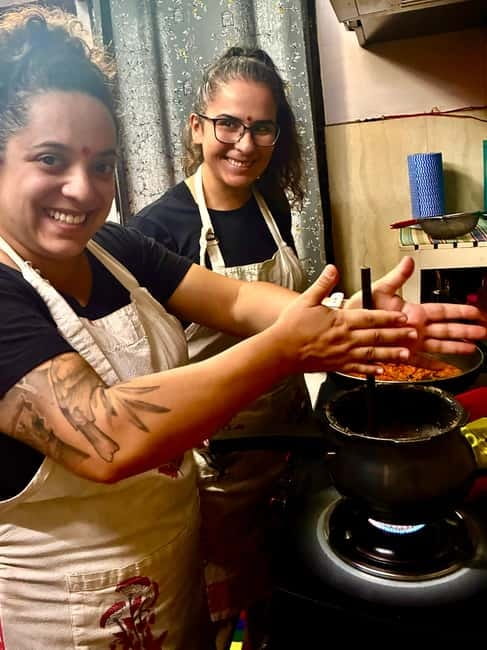
While exact timing can vary by the day and group, the overall sequence usually looks like this:
1) Welcome drink and a quick kitchen orientation
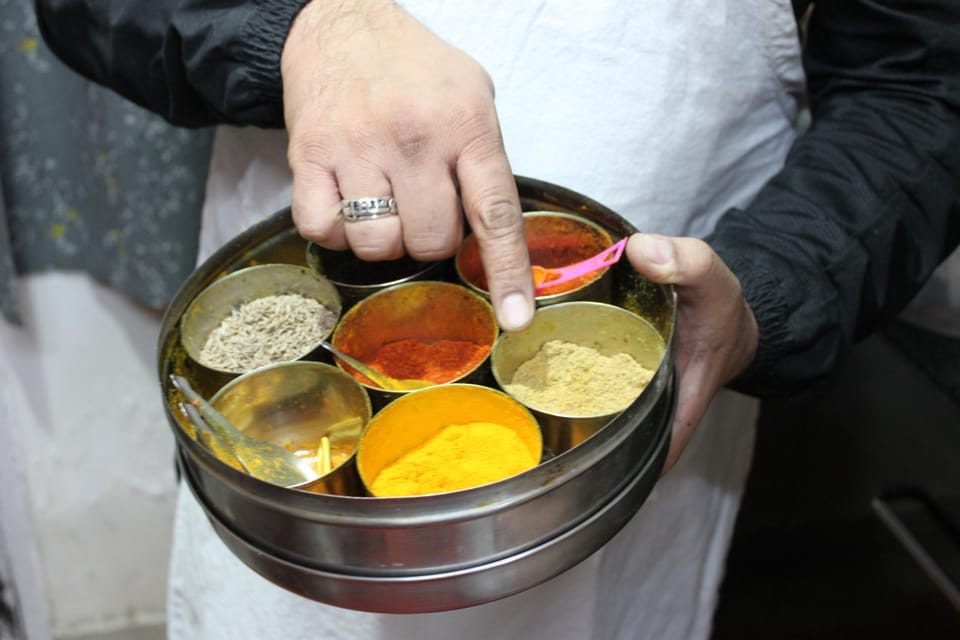
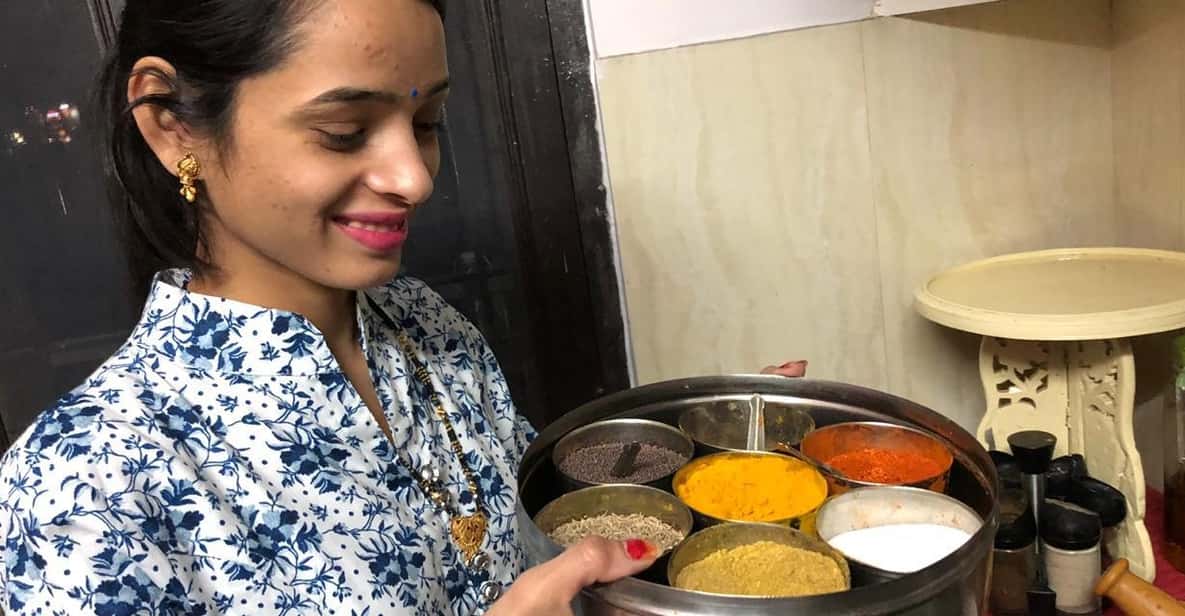
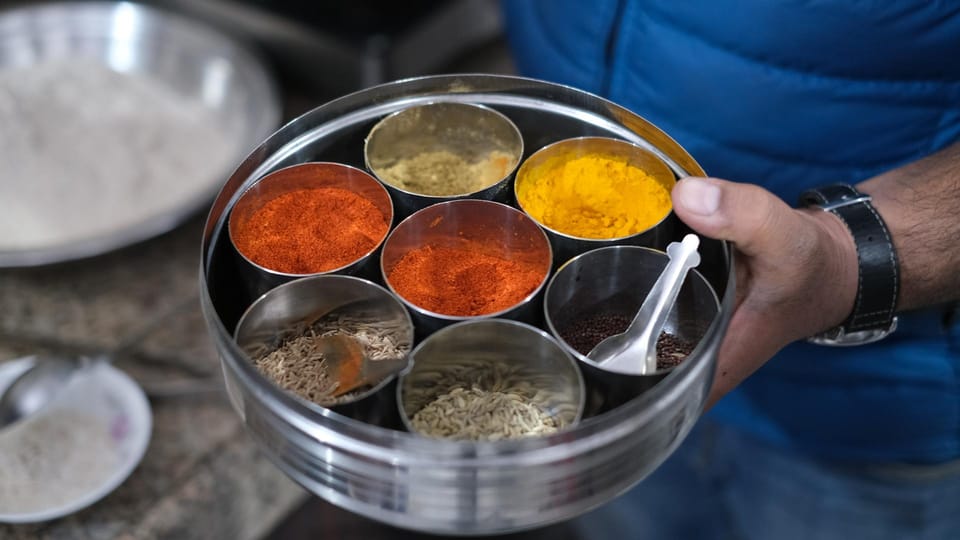
You’ll be welcomed with a drink first. Then the kitchen routine kicks in with an intro to the spices, herbs, and ingredients you’ll use. This helps a lot if Indian cooking feels overwhelming at home. You’ll start understanding what each spice is doing—not just adding them, but using them.
2) Cooking demonstration before your turn
Next comes a demonstration. Watch the steps once, then you’ll recreate them yourself. This is the right order for most people: you get a mental picture of the workflow before you touch the dough or the pan.
3) Hands-on cooking: chapatis and curry workstations
This is the heart of the experience. You’ll spend your time making round chapatis and cooking a vegetable curry. In a good teaching setup, you’ll get help as you go—especially with heat and timing. Those two details are usually where home cooks get stuck.
4) Dessert and you actually sit down together
After the cooking, you’ll enjoy the meal with the family. Dessert is included, and the full experience is meant to feel like dinner with friends rather than a classroom performance.
5) E-recipes so you can cook later
You’ll also receive e-recipes for the dishes you cooked. This is a big practical benefit: the class isn’t only about one great night. It’s about leaving with a menu you can follow later.
Price and value: why $24 often feels like a bargain
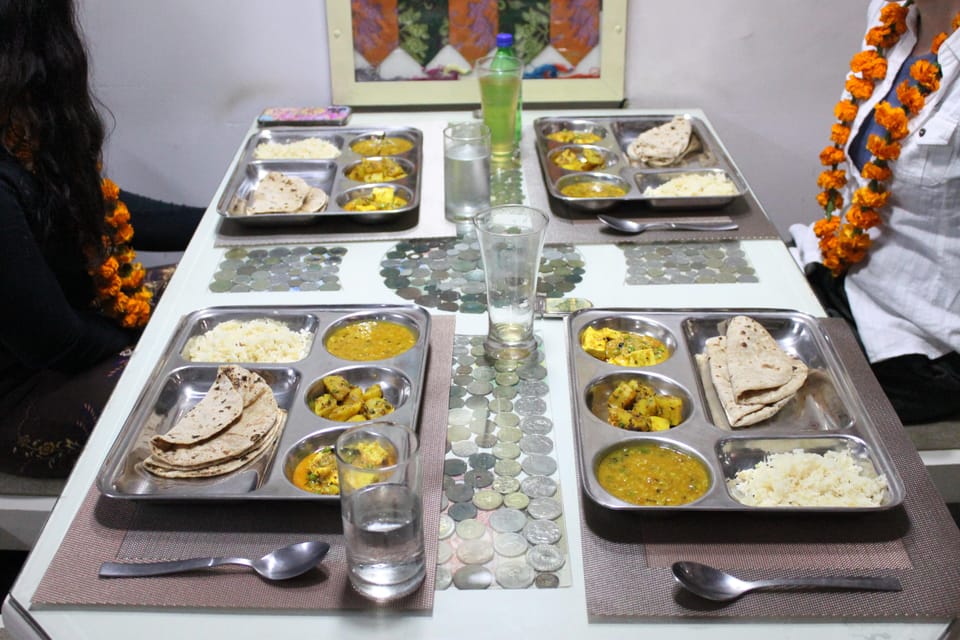
At $24 per person, this can be strong value in a city where food experiences range from affordable to pricey. The reason it feels worth it is simple: you’re paying for more than instruction. Your fee covers a full class plus welcome drinks, an included meal you eat together, dessert, and e-recipes.
Also, the class format matters. This is small/private or small groups, and you’re actively cooking. You’re not standing in the back with a camera while someone else does all the work.
Two realities to keep in mind:
- You may need to budget for transport separately, since transportation to/from the activity isn’t included (though pickup is optional).
- It’s a home setting, so the value also depends on how comfortable you are with informal dinner-table learning.
Transport and logistics: how to avoid the annoying parts
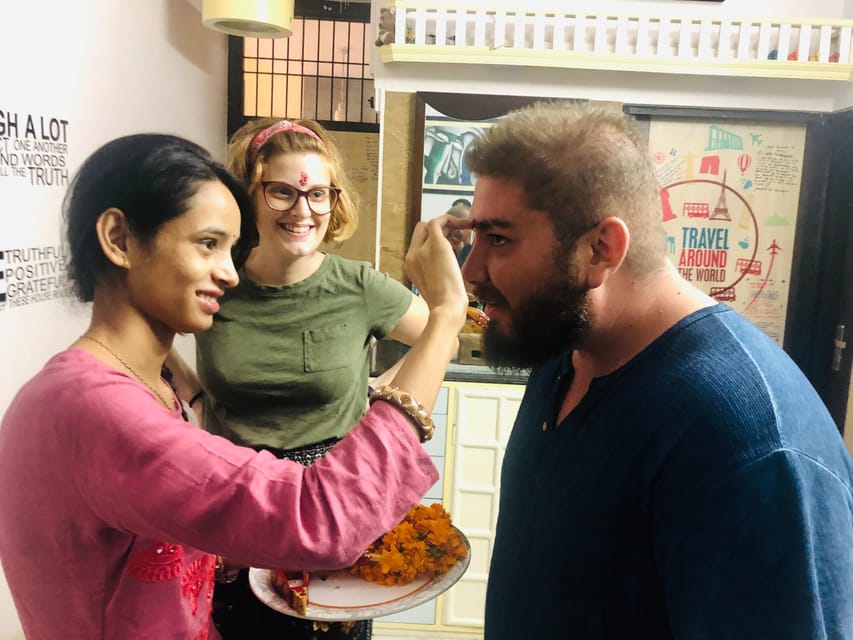
Pickup is optional. If you choose it, the driver meets you in your hotel lobby or another agreed location within Jaipur and you go from there.
If you’re staying in or near Jaipur’s old town, you might want to arrange a taxi anyway. Home kitchens in older neighborhoods can mean traffic and narrow routes, and it’s easier when your arrival is planned.
One more timing detail: the class uses stairs to the first floor (F-2). Smoking is allowed only on the balcony, and pets aren’t allowed on the property.
If you have food allergies or intolerance needs, tell the organizers ahead of time. The class explicitly asks you to inform them so they can plan accordingly.
Who this experience suits best (and who might want a different option)
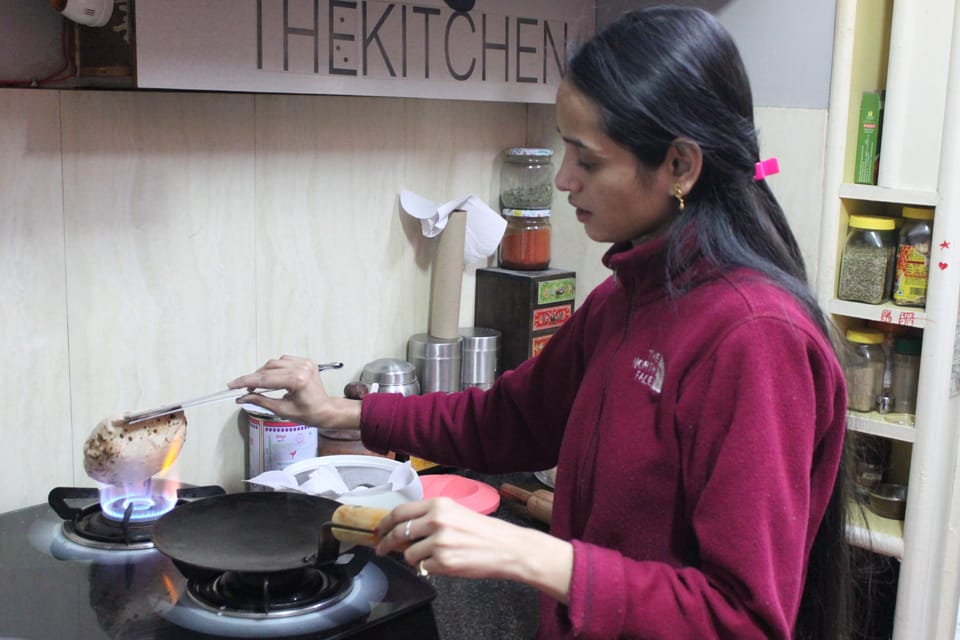
This works really well if you:
- want hands-on cooking, not just watching
- like learning the “why” behind spices and techniques
- enjoy conversation and don’t mind a slower, personal pace
- want a home-cooked meal experience in Jaipur that goes beyond restaurant sampling
It may be less ideal if you:
- need wheelchair access (the experience isn’t suitable for wheelchair users)
- dislike stairs or home environments
- expect a silent, structured class where you just follow steps without talking
For solo travelers, this can still feel welcoming because you’re cooking alongside the family team, and the small group nature keeps it human-sized.
What to ask the hosts during your cooking time
You’ll get the best experience if you treat it like a conversation in a kitchen. Here are questions that align with what the hosts are clearly good at:
- Which spices are most important for the curry base you’re building?
- What’s the biggest mistake people make with chapati dough?
- How do you decide the heat level and timing in the pan?
- What makes the family version different from what you’d order outside?
In many cases, the hosts are the type who answer beyond the basics. Monty’s explanation style tends to be more technique-leaning, while Harshita’s answers often connect to everyday home habits and local knowledge.
Practical tips: how to get your best results at home
Once you’ve cooked chapatis and curry, your next goal is recreating the dishes later. Here’s how you’ll translate your class skills into results at home:
For chapatis
- Focus on dough feel, not just measurements.
- Watch heat level closely. If the pan is too hot, you’ll burn outsides before cooking through.
- Practice the rhythm: flatten, cook, flip, finish. Chapati is muscle memory.
For vegetable curry
- Treat spices as a sequence, not a single sprinkle.
- Learn what gets cooked first (aromatics) versus what’s added later.
- Taste as you go. If the curry tastes “flat,” the fix is often in salt, acidity, or adjusting spice timing—not necessarily adding more spices.
And yes, use the e-recipes as your baseline. The class helps you understand the logic, but the written steps are what keep you on track when you recreate it later.
A note on rules and comfort: what to expect in the home
This is a no-pets property. Smoking is not allowed generally, but smoking is allowed on the balcony. If you’re sensitive to smells or smoke, plan accordingly.
You’ll also use stairs to reach the cooking area (F-2). If you have mobility constraints, double-check before booking.
If you have allergies or intolerances, communicate those in advance. The organizers explicitly ask you to share this information.
Should you book this Jaipur cooking class?
I’d book it if you want a real-home experience where you cook, eat, and learn spice technique in a way that sticks. For $24, the included meal, dessert, welcome drinks, hands-on cooking time, and e-recipes make it a practical value—especially compared to a food tour where you mostly taste but don’t learn to cook.
I’d think twice only if stairs, home logistics, or a non-formal dinner atmosphere are dealbreakers for you. And if you’re staying in the old town, plan transport so you don’t lose time navigating the last stretch.
If your goal is to leave Jaipur with skills (not just photos), this is the kind of evening you’ll actually use.
FAQ
How long is the cooking class?
It runs about 2.5 to 3 hours.
What does the class cost?
The price is $24 per person.
What’s included in the experience?
It includes welcome drinks, a cooking class with a local family, an introduction to Indian spices and ingredients, hands-on cooking of chapatis and vegetable curries, Indian dessert, and e-recipes of the dishes you make.
Is pickup available?
Pickup is optional. The driver can meet you in your hotel lobby or another location within Jaipur that you choose.
What language is the instruction in?
The instructor teaches in English.
Is it suitable for wheelchair users?
No. It is not suitable for wheelchair users.
Are pets or smoking allowed?
Pets are not allowed on the property. Smoking is allowed on the balcony.
Do I need to bring cooking equipment?
No personal cooking equipment is included, so you don’t need to bring your own for this activity.