REVIEW · JAIPUR
Jaipur: Traditional cooking class and storytelling session
Book on GetYourGuide →Operated by RA infra Projects Pvt Ltd · Bookable on GetYourGuide
Cooking at a Jaipur home feels like family. In a 3.5-hour evening near Science Park (Shastri Nagar), you join hands-on cooking with Anita and her family, then listen to mythology storytelling after dinner, with plenty of chances to ask questions. I especially liked how the session teaches the why behind everyday Rajasthani ingredients, from wheat flour and millets to lentils and spices.
What you’ll like most is the mix of practical skills and culture: you actually cook, and you also get stories that explain values and local life. The host coordinating through Raghav keeps everything smooth, and the whole vibe stays warm and welcoming.
One possible drawback: you’ll absorb a lot of spice knowledge in real time. If you prefer written recipes or a clear spice-by-spice list, it helps to bring a notebook and ask for specifics as you go, because one review noted the info can feel heavy to remember without materials.
In This Review
- Key things you’ll notice right away
- Meeting Anita’s Jaipur Kitchen: Warmth, Rhythm, and English-Friendly Flow
- Cooking Classic Rajasthani Dishes You Can Actually Recreate
- Spices With Medicinal Uses: How Flavor Gets Tied to Daily Life
- Dinner at the Table: Vegetarian Comfort With a Home-Style Finish
- Mythology Storytelling After Dinner: Epics, Meaning, and Q&A
- Price and What You Get for $27: Value That Feels Personal
- Tips to Make the Evening Go Smoothly (and Help You Remember)
- Should You Book This Jaipur Cooking and Storytelling Class?
- FAQ
- Is the cooking class offered in English?
- What dishes will I cook?
- Will I eat after cooking?
- Is the meal vegetarian?
- Are alcohol and drugs allowed during the session?
- Is bottled water provided?
- What’s included to take home?
- Can I ask questions during or after the storytelling?
Key things you’ll notice right away
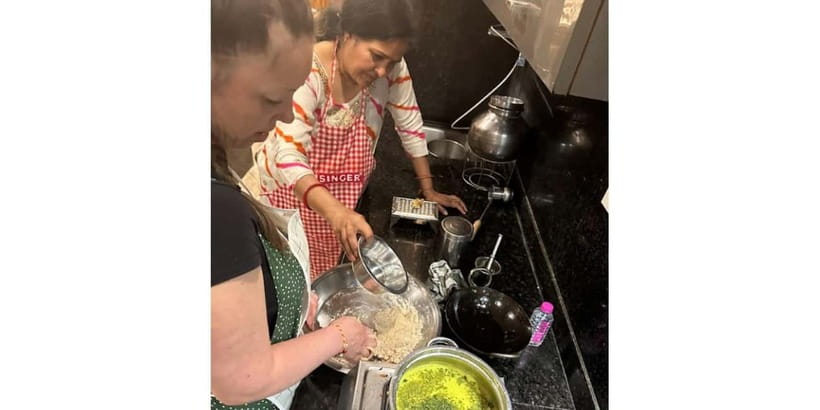
- You cook in a real home kitchen in Jaipur, not a demo studio
- Spices come with medicinal context, not just flavor tips
- A take-home spice basket helps you recreate the tastes later
- Myth-inspired storytelling happens after dinner, with Q&A allowed after the story ends
- A vegetarian, filling meal follows the cooking work, plus bottled water and non-alcoholic savories
- Parting gifts and souvenirs are included, so you leave with more than photos
Meeting Anita’s Jaipur Kitchen: Warmth, Rhythm, and English-Friendly Flow
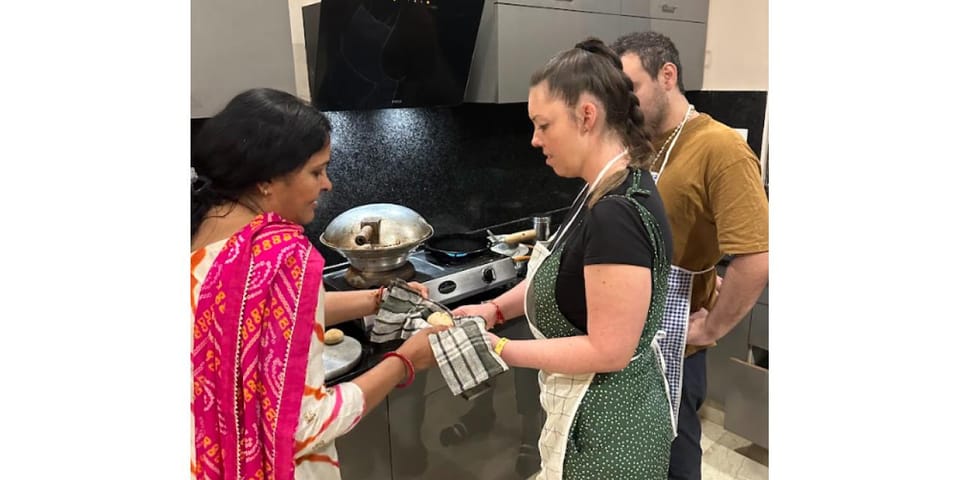
This experience is built around people, not a stage. You meet near Science Park in Shastri Nagar, then head into Anita’s home for a relaxed evening where the kitchen becomes the classroom and the dining table becomes the social hub. It runs about 3.5 hours, which is long enough to learn properly, but not so long that you feel trapped.
A big part of the appeal is the human feel. Multiple family members may share the evening with you, and the mood often turns into something like being invited over for dinner with relatives. Since the instructor and host work in English, you don’t have to guess what you’re doing or why you’re doing it.
The rhythm is also worth noting. The evening stays structured: you cook together, eat what you made, and only then does the storytelling begin. That order matters, because it keeps the “learning” phase separate from the “listening” phase, so you’re not trying to follow a story with a pan hissing in the background.
One more practical point: the host asks you to come with a light stomach. That’s not just hospitality talk. If you arrive overly full, the cooking smells and spices can make it harder to keep up with tasting, sampling, and the final dinner.
You can also read our reviews of more cooking classes in Jaipur

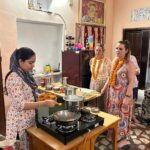
Cooking Classic Rajasthani Dishes You Can Actually Recreate
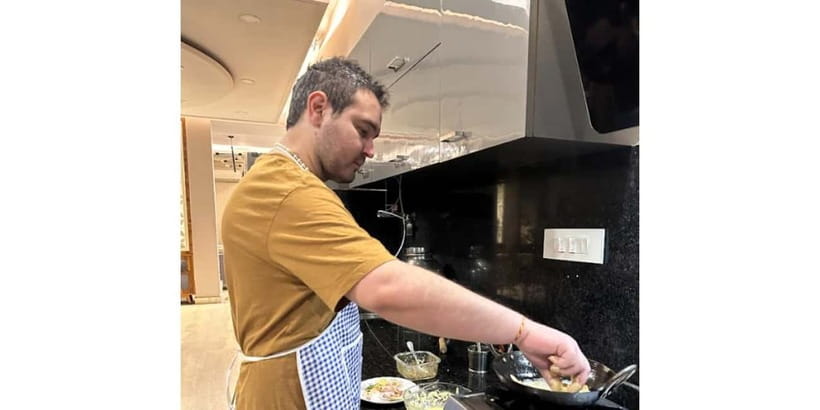
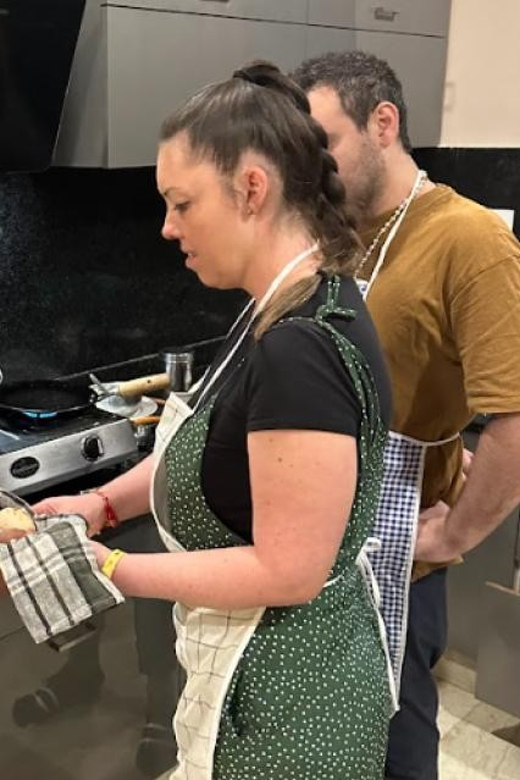
The core of the evening is interactive cooking. You’re not watching someone else work while you stand around holding a phone. You actively prepare dishes that are classic to the region, including Daal Baati, and you learn how Rajasthani staples fit together on a plate.
Here’s what you can expect to get out of the cooking class:
You’ll work with familiar building blocks like wheat flour, millets, and lentils, then connect them to the flavors created by traditional spices. The host focuses on simple cooking techniques used in everyday Rajasthani kitchens, so you’re not just memorizing a list. You learn patterns—what changes when a spice blooms in oil, how texture shifts with grains, and how the dish comes together.
You may also see street-food favorites included in the evening’s menu. One guest highlighted learning vada pav as a favorite street snack, which tells me these classes can cover both “home comfort” and “popular bites,” depending on the plan for the night. If you love the idea of learning Indian cooking that extends beyond one dish, this is a great format.
Skill level is not a barrier. The class is fully interactive and designed for all skill levels, which usually means the instructions are paced for real beginners while still giving enough detail for experienced cooks to feel challenged.
Practical tip: as you cook, ask questions about substitutions. If you’re vegetarian back home and want similar flavor results with your available ingredients, the spice and technique explanations will help you adjust.
Spices With Medicinal Uses: How Flavor Gets Tied to Daily Life
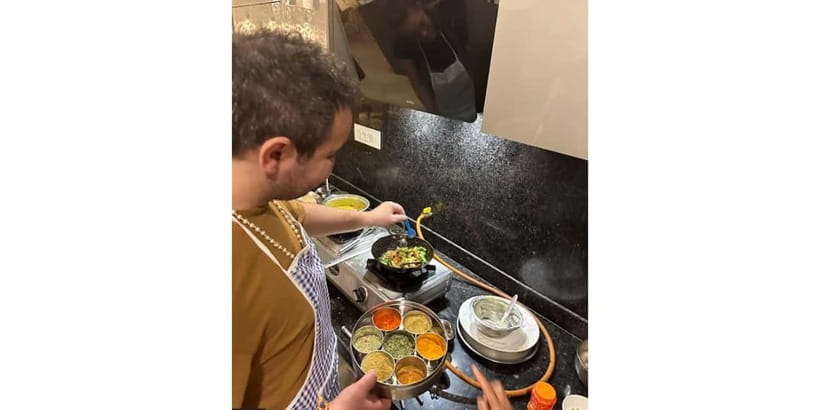
One of the most praised parts is the spice education with medicinal uses. Instead of treating spices as a mysterious color-and-smell mix, you learn how traditional Rajasthani cooking views spices as part of everyday wellness. That’s a big reason the class feels more cultural than purely culinary.
You’re taught the role of spices in the cooking process, but also why certain spices show up repeatedly in regional kitchens. This includes practical lessons that you can carry forward:
- how spices support digestion and comfort in traditional food routines
- why blending matters more than using one spice alone
- how tasting and balancing works when you’re using grains and lentils
The takeaway gets even better because you leave with a spice basket (a combination of Indian spices). That matters for value. A lot of cooking classes end with a nice meal and a fuzzy memory. Here, you get the ingredients to try again, including the chance to re-create the same spice profile when you’re shopping in your own country.
If you want your results at home to match what you tasted in Jaipur, don’t rely on memory. During the cooking, watch for the order and timing of adding spices, and jot down what you’re told. Even a few bullet notes can turn this into a usable recipe later.
Dinner at the Table: Vegetarian Comfort With a Home-Style Finish
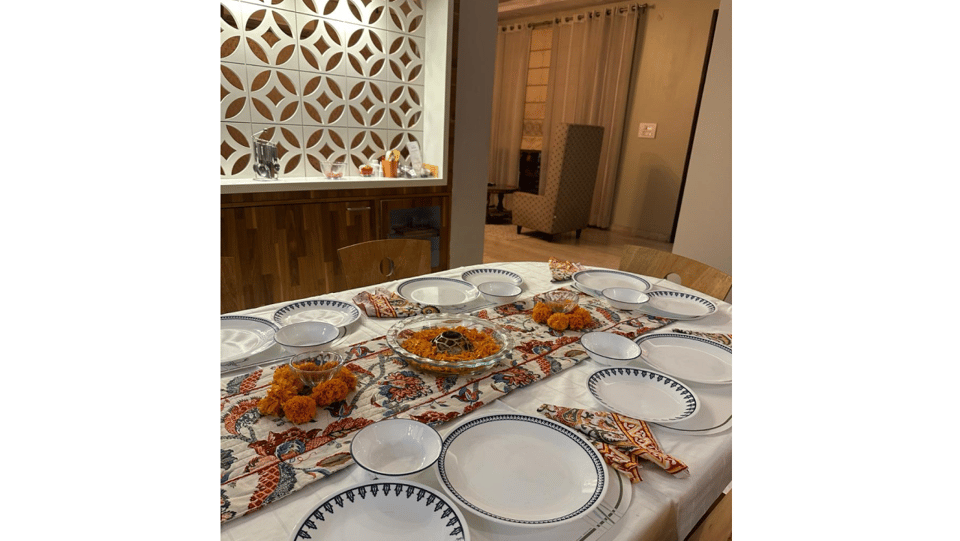
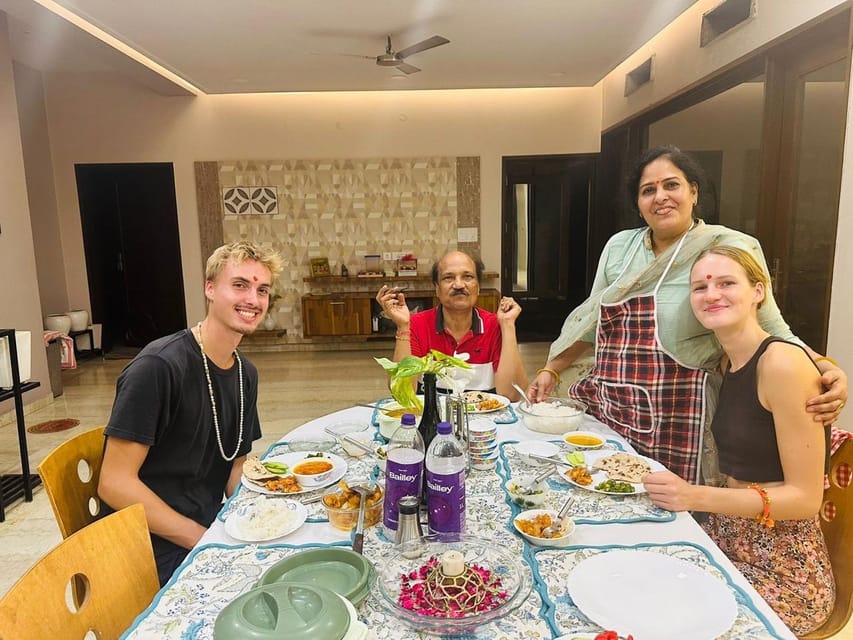
After cooking, everyone shares a relaxed, home-style meal together. This is where the evening clicks into place: you stop focusing on steps and start focusing on flavors, textures, and how the dishes work as a full meal.
The dinner is vegetarian, and the best part is that it doesn’t feel like a compromise. Reviews repeatedly describe the food as fresh, flavorful, and filling, to the point where you forget it’s vegetarian. That’s exactly the kind of dinner you want when you’re traveling: something you can enjoy fully, not something you “tolerate” for ethical reasons.
You’ll also have bottled water provided for cooking and drinking. That’s a small thing, but in Jaipur it helps you stay comfortable while you’re tasting and learning. Non-alcoholic savories or drinks are included as well, keeping the evening simple and focused on food and storytelling.
One more thoughtful angle: because the menu involves staples like lentils and grains, the meal tends to feel steady rather than heavy. Still, do follow the host’s suggestion to arrive with a light stomach. It makes the tasting part easier and lets you enjoy the final dinner without rushing through it.
Mythology Storytelling After Dinner: Epics, Meaning, and Q&A
After the meal, the focus shifts from cooking to listening. Anita shares mythological storytelling inspired by Indian mythology and cultural traditions, and it’s the kind of storytelling that aims for more than entertainment.
The stories connect to values and everyday life. Expect themes that echo through family routines and cultural beliefs, not just gods and legends for their own sake. Many guests describe the stories as emotional and memorable, with lasting moral reminders long after the cooking dust settles.
What I like here is the structure: stories happen after dinner, so you’re not trying to follow complex plot points while juggling hunger. Also, the host encourages questions and interpretations after the story ends. That’s important if you’re the type who wants to understand what something means instead of just hearing it and moving on.
If you’re curious about Hindu epics, local symbolism, or why certain stories keep showing up in daily life, this is a meaningful add-on. It turns your evening from a single-dish cooking lesson into a broader cultural conversation.
You can also read our reviews of more tours and experiences in Jaipur


Price and What You Get for $27: Value That Feels Personal
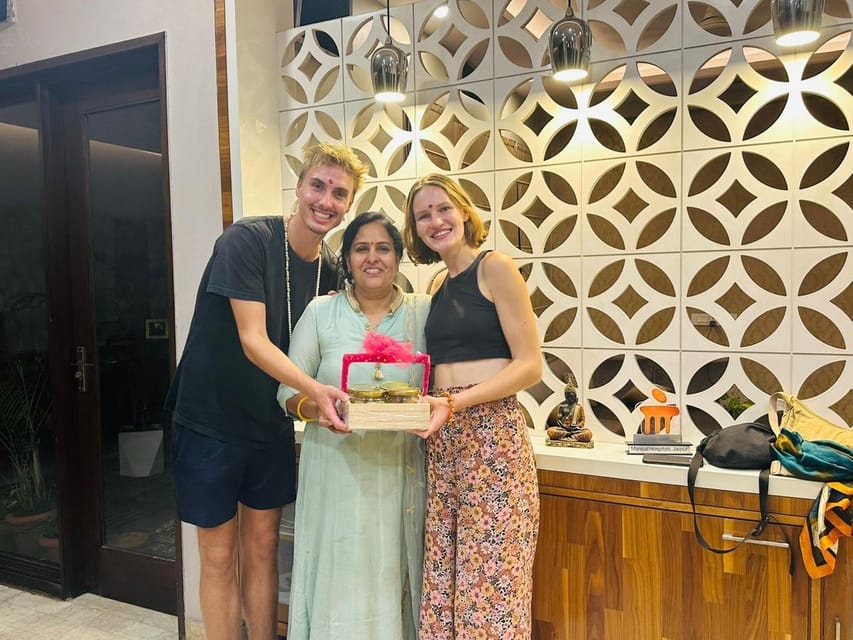
At $27 per person, this isn’t just a “cheap experience.” It’s priced like a real evening with real teaching. You get a hands-on cooking class at the host’s residence, plus the dinner you prepare, plus the mythological storytelling session after dinner.
The included extras make the price feel fair:
- a guest spice basket to use back home
- bottled water for cooking and drinking
- special non-alcoholic savories or drinks
- parting gifts and souvenirs
- GST included
So yes, you’re paying for the meal and lesson, but you’re also paying for the host’s time, the home setting, and the storytelling component. That last piece is often what makes these experiences stand out from standard cooking classes.
One important tradeoff is also clearly stated: no alcohol and no drugs during the session. If you like your evenings with a drink, this may not match your vibe. But if you want a calm, food-and-story focused evening, it supports the atmosphere.
Tips to Make the Evening Go Smoothly (and Help You Remember)
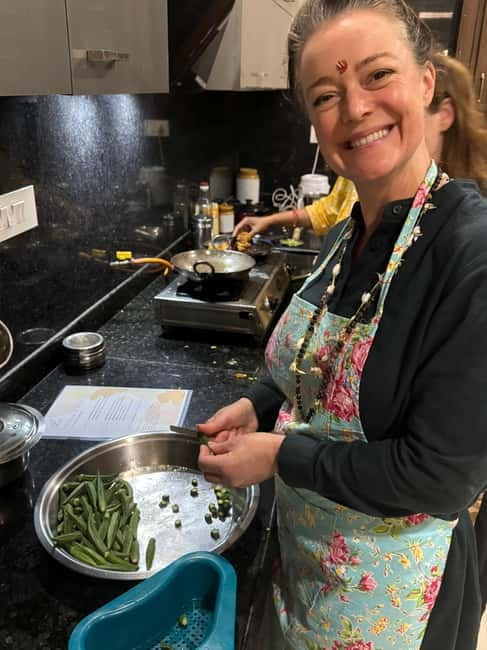
This kind of home-hosted class is easiest when you treat it like a conversation, not a checklist. Here are the practical moves I recommend:
- Come with a light stomach so you can taste, learn, and finish dinner comfortably.
- Be curious and ask questions while preparing the food. The host wants interaction, and it’s the fastest way to get clarity on techniques and spice balance.
- After the story ends, ask follow-up questions and interpretations. The flow stays steady until then, so don’t interrupt mid-story.
- Bring a small notebook. One review noted that without written material, the amount of spice information can feel like too much to remember. Even a few quick notes turn it into a repeatable cooking plan later.
Also, wear something you can move in. You’re in a home kitchen, and you’ll likely be standing, stirring, tasting, and helping as the evening moves along.
If you’re traveling solo, this format can be especially rewarding because you’re not stuck in a crowd. The focus stays on what’s happening in the kitchen and at the table.
Should You Book This Jaipur Cooking and Storytelling Class?
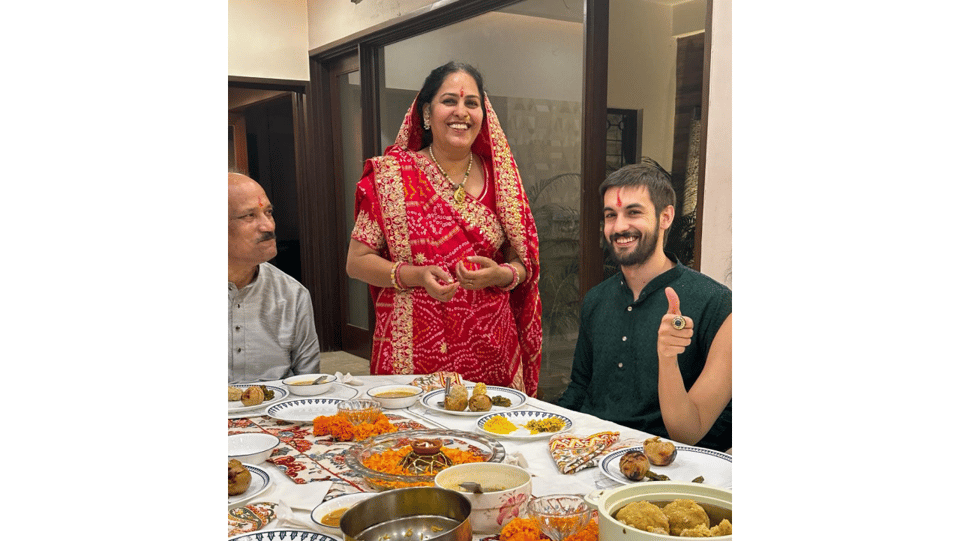
Book it if you want an evening that feels human, not staged. You’ll get hands-on cooking with classic dishes like Daal Baati, spice lessons that include medicinal uses, and a myth-inspired storytelling session that adds meaning beyond the food. The take-home spice basket plus parting gifts make it a better buy than experiences that end the moment you leave the table.
Skip it if your top priority is a high-energy sightseeing schedule, or if you strongly prefer cooking classes that hand you detailed written recipes for every dish. Also note the no-alcohol policy.
If you like vegetarian comfort, spice knowledge, and stories that connect culture to everyday values, this is the kind of Jaipur night you’ll remember for more than your camera roll.
FAQ
Is the cooking class offered in English?
Yes. The instructor is listed as English, so you can follow the steps and explanations without language barriers.
What dishes will I cook?
You will prepare classic Rajasthani dishes such as Daal Baati. Some evenings may also include other favorites, like vada pav, depending on the plan.
Will I eat after cooking?
Yes. After the hands-on cooking, everyone shares a relaxed home-style meal together.
Is the meal vegetarian?
Yes. The experience is presented as vegetarian, and guests specifically note how satisfying it feels.
Are alcohol and drugs allowed during the session?
No. Alcohol and any classified A substances are not served or permitted, and drugs are not allowed.
Is bottled water provided?
Yes. Bottled water is provided for all cooking and drinking purposes.
What’s included to take home?
You receive a guest spice basket and parting souvenirs/gifts.
Can I ask questions during or after the storytelling?
You’re encouraged to ask questions while cooking, and you can ask questions and interpretations after the story ends.