REVIEW · JAIPUR
Guided Jaipur Heritage & Food Walk with Shopping
Book on Viator →Operated by India Guided Tours · Bookable on Viator
Your Jaipur day gets moving fast, in the right places. This 3–4 hour guided heritage and food walk threads together classic landmarks, old-city gates, temple moments, and multiple tastings, so you get a feel for daily life in the Pink City.
What I like most is the way the route mixes architecture with food stops (sweet lassi, masala tea, and more), and the comfort factor of pickup plus a private tuk-tuk or car. The other big win is the guide attention—routes can be tailored, like when Ali works in extra sights that fit your interests.
One possible drawback: it’s a lot of stops in a short window, so if you prefer slower, deeper time at fewer places, this may feel quick—especially in the market areas where you’ll want to pause for shopping and photos.
In This Review
- Key highlights at a glance
- How this 3–4 hour heritage and food walk stays focused
- Raj Mandir Cinema and Lassiwala: start with sights and a sweet reset
- Ajmeri Gate, Choti Chaupar, and Tripolia Gate: old Jaipur landmarks with market energy
- Tadkeshwar Mahadev temple and Sahu Tea Stall: a calm moment, then a street snack pairing
- Badi Chaupar and the Hawa Mahal zone: shopping time plus a viewpoint that actually helps
- Pandit Kulfi and Jal Mahal: sweet cooling treats, then a royal pause on the lake
- Albert Hall Museum: finishing with a landmark building and an Indo-Saracenic vibe
- Price and value check: what about $11.34 really buys you
- The guide makes the difference: tailoring you can feel in the route
- Who this walk suits best (and who should tweak expectations)
- Should you book this Jaipur heritage and food walk?
- FAQ
- How long is the Jaipur heritage and food walk?
- Do I get pickup and drop-off?
- Is the tour private?
- What food and drinks are included?
- Do I need to pay for tickets at the stops?
- What kind of transport do we use?
- What’s the cancellation policy?
Key highlights at a glance
- Pickup + private tuk-tuk or car keeps transit easy between old-city sights
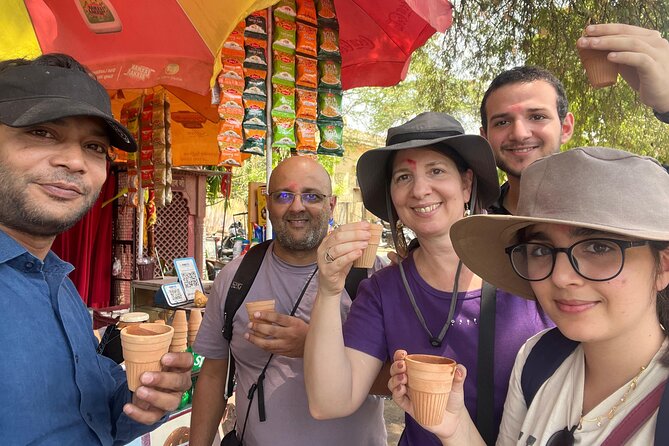
- Multiple food tastings include lassi, masala tea with kachori/samosa, and kulfi
- Iconic photo stops without long waits like Hawa Mahal and viewpoint time
- Heritage route through Jaipur gates and squares with real street-life context
- A scenic change of pace at Jal Mahal before heading to Albert Hall Museum
- Guide-led tailoring (including guide Ali, based on feedback) so you’re not stuck on rails
How this 3–4 hour heritage and food walk stays focused
Jaipur can be overwhelming fast: forts, palaces, lanes, shops, and people all competing for your attention. This tour’s value is that it compresses a lot into a manageable block of time, without turning every stop into a long ticket line problem. You’ll get a guided route that keeps your bearings while you snack and look.
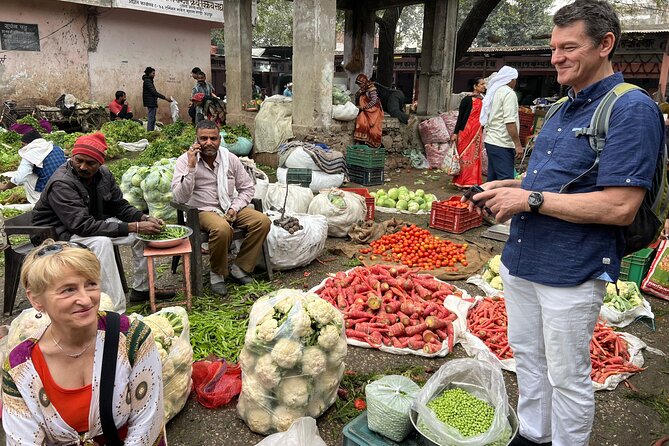
You also aren’t just “watching” Jaipur. The food stops are built into the pacing, which helps you connect the architecture to daily habits—how people actually start mornings, where they grab tea, and what they treat themselves to on the street. And since you get bottled water plus tea/coffee/snacks, the day stays realistic even when the sun is doing its job.
The tour is private for your group, with the option of rickshaw-style experience in the walled city. That matters because it makes the route feel more personal than a crowded hop-on hop-off plan.
You can also read our reviews of more walking tours in Jaipur



Raj Mandir Cinema and Lassiwala: start with sights and a sweet reset
Most Jaipur days begin with forts and palaces. This one opens with something different: Raj Mandir Cinema. It’s an iconic local landmark known for its striking theatre architecture and cinematic heritage, and it’s a fast way to set the scene before you hit the older lanes.
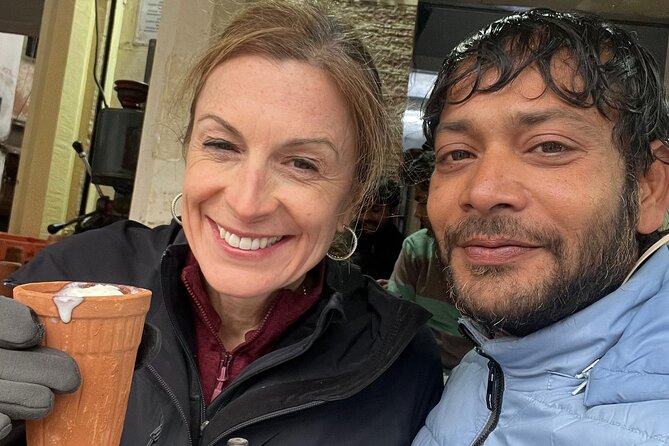
Then you roll straight into Lassiwala Kishan lal Govind Narain Agarwal for a famous sweet lassi. This is not just a random snack stop—it’s a practical way to settle your stomach and hydrate before you start moving through gates and markets. I like this kind of start because Jaipur’s heat plus walking can catch you off guard if you begin the day empty-handed.
You should consider that lassi is dairy-forward. If you’re sensitive to milk or prefer lighter tastes, you can still opt in, but go slow and share, especially if you’re also eating street food later.
Ajmeri Gate, Choti Chaupar, and Tripolia Gate: old Jaipur landmarks with market energy
After your lassi, you head into the Pink City to Ajmeri Gate. This is one of the city’s southern gates (Ajmeri Darwaza/Kishan Pole), and it’s a helpful orientation point. In a short tour like this, those gates are more than scenery—they’re your clue to how the walled city is organized.
Next is Choti Chaupar, a square tied to the old town’s lively trading and street life. It’s also a gateway to nearby sights like Nahargarh Fort in the broader area, so it gives you a sense of how people move from daily errands to big viewpoints.
Then you reach Tripolia Gate in Tripolia Bazaar, named for the market and positioned near the Jaipur City Palace area. If you care about the royal geography of Jaipur, this stop helps connect the palace edge to the bazaars that grew up alongside it.
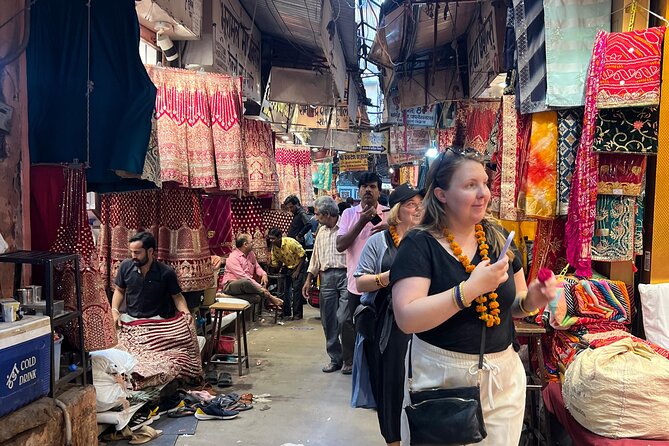
A practical note: these areas are shop-heavy. If you’re shopping-ready, this is where you’ll notice the pace shift from “look at the place” to “browse the goods.” If you’re shopping-averse, tell your guide early so your time stays focused on the landmarks and food.
Tadkeshwar Mahadev temple and Sahu Tea Stall: a calm moment, then a street snack pairing

Just when the route could keep getting louder, Tadkeshwar Mahadev Temple adds a quieter, slower stop. The temple is dedicated to Lord Shiva and is named in local tradition after palm trees that once grew there. Even if you don’t go deep into religious details, a stop like this gives you a break from the market flow and a more grounded sense of how Jaipur stays spiritual alongside commercial life.
From there, you’ll head to Sahu Tea Stall for a cup of masala tea, with local favorites like kachori and samosa paired with it. This is a smart food pairing choice. Masala chai warm-spices your palate, while the fried snacks give you that classic street-comfort feeling that Rajasthan does well.
If you have spice sensitivity, this is where you can adjust. Ask for less spicy options if your palate needs it, and consider pacing your bites. With a tour that includes several tastings, spacing matters.
Badi Chaupar and the Hawa Mahal zone: shopping time plus a viewpoint that actually helps
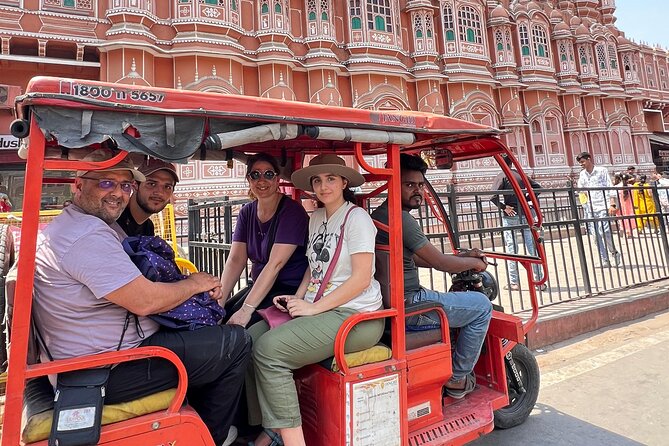
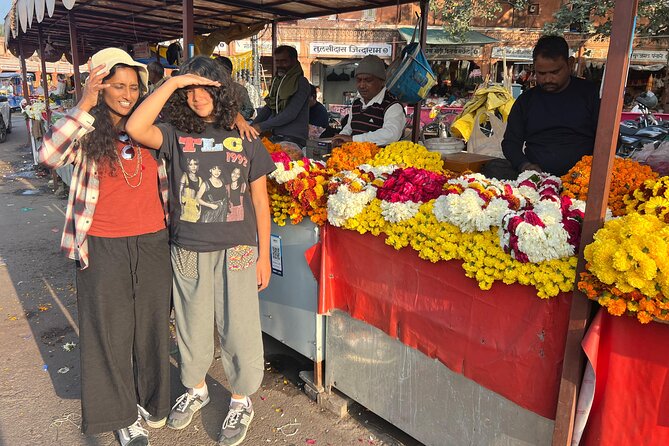
Badi Chaupar is a central old-town hub, surrounded by markets where you can find things like silver jewelry, handcrafted quilts, and traditional Rajasthani snacks. This stop is especially valuable if you want shopping that’s tied to the city’s old layout instead of being an isolated bazaar detour.
Then the tour moves toward the Hawa Mahal area with a scenic break at Wind View Café. You’ll get a view of Hawa Mahal from the terrace while enjoying international snacks and coffee. I like that the café stop gives you a chance to sit down and reset before you do the final street-walk around Hawa Mahal Road and nearby markets.
This is a great point for photography and for finding the rhythm of the area: the palace frontage, the lanes that feed into it, and the shops that line the route. If you’re the type who likes to browse without committing, this is where you can window-shop, compare prices, and ask your guide what’s fair.
A small consideration: because Wind View Café offers international-style items, it might not feel like a “pure street-only” experience to some people. Still, it’s a practical break—and in a short tour, a sit-down moment is often the difference between enjoying Jaipur and feeling rushed.
You can also read our reviews of more food & drink experiences in Jaipur






Pandit Kulfi and Jal Mahal: sweet cooling treats, then a royal pause on the lake
After Hawa Mahal time, you’ll stop at Pandit Kulfi for Indian ice cream. Kulfi is a perfect Jaipur dessert because it cools you off after walking, and it’s distinct enough that it doesn’t feel like the same snack you had earlier. If you’re aiming for variety, kulfi hits that goal.
Then comes Jal Mahal, a palace sitting in Man Sagar Lake. This stop works because it changes your visual world. After gates, squares, and markets, you suddenly get open water and a quieter feel—an effective mental reset.
Even if you’re not a museum person, you’ll appreciate this pacing. It’s harder to stay excited all the way through a tourism day, and Jal Mahal helps keep your energy up before the final stop.
Albert Hall Museum: finishing with a landmark building and an Indo-Saracenic vibe
The last major stop is Albert Hall Museum, one of Jaipur’s oldest museums and known for its Indo-Saracenic architecture. In a route that includes temple stops and bazaars, the museum gives you a different lens: instead of street life, you’re looking at artifacts and collections in a major historic building.
This is also a good way to balance the sensory part of the day with something more structured. If your legs are getting tired, the museum phase can feel like a natural “sit-and-learn” end to the experience.
One thing to keep in mind: the time at each stop is relatively short. You’ll see and understand, but you may not have hours at the museum. If you love museums, you might treat Albert Hall as an overview and plan a return another day.
Price and value check: what about $11.34 really buys you
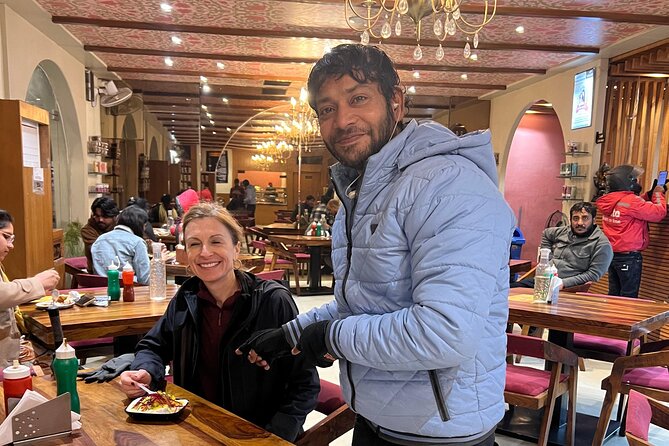
At about $11.34 per person, this tour is priced like a budget-friendly way to pack in a lot. The standout value is not just the low cost—it’s how the day is structured: pickup and drop-off, bottled water, multiple tastings, and a private tuk-tuk or car option are included.
You also get several stops with admission tickets listed as free in the route details. That reduces surprise expenses during the walk, and it makes it easier to keep the total trip cost under control.
The main tradeoff for the price is time. It’s a fast, guided route with many brief stops. You’re paying for efficiency plus local guidance, not for long lingering time at each attraction. If your travel style is more “slow and soak,” you may prefer a longer, single-site-focused tour. But if you want a strong taste of Jaipur in one half-day, the value is hard to beat.
The guide makes the difference: tailoring you can feel in the route
One consistent theme from feedback is how much the guide shapes the experience. Ali is specifically mentioned as someone who highlighted key scenes while tailoring extras based on interest. That’s exactly what you want in a short food-and-heritage day: small adjustments that make the route feel less like a checklist and more like your Jaipur.
Your guide also helps with flow. In old city lanes, it’s easy to wander past the point of a gate or miss what a square is connected to. With a guide handling timing, it’s easier to enjoy the markets and still keep your bearings for the next landmark.
For best results, tell your guide what you want more of: street food variety, photo stops, temple time, or shopping. The tour is designed to bend in those directions.
Who this walk suits best (and who should tweak expectations)
This tour is a strong fit if you want:
- A short, guided introduction to Jaipur’s old city landmarks
- Street food tastings built into the route, not added on as an afterthought
- A plan that includes Hawa Mahal, Jal Mahal, and Albert Hall Museum in one day
It may be less ideal if you:
- Hate walking or prefer very slow pacing at fewer stops
- Want only one type of experience (for example, only temples or only museums)
- Are very picky about dairy or spice and don’t want street-food style options
The good news: the route’s structure makes it easy to slow down for a photo or two, and you can also manage how much you eat at each stop so you don’t feel overloaded.
Should you book this Jaipur heritage and food walk?
I’d book it if you’re visiting Jaipur for a short time and you want a real mix: gates and squares, tea and lassi, Hawa Mahal views, a lake-side palace break, and museum time. It’s also a smart first-day option because it helps you understand the city layout quickly—so later, independent exploring makes more sense.
Skip it only if you want deep, long visits at a handful of sites. This tour is designed for momentum and variety, not for lingering for hours.
If you like your travel days practical—good guidance, included food, and a sensible route—this one is a solid pick for getting a memorable Jaipur day without paying for a full-day schedule.
FAQ
How long is the Jaipur heritage and food walk?
It runs about 3 to 4 hours.
Do I get pickup and drop-off?
Yes. Pickup and drop-off are offered from your hotel or a preferred location in Jaipur.
Is the tour private?
Yes. It’s a private tour/activity, and only your group participates.
What food and drinks are included?
The tour includes tea, coffee, snacks, a variety of street foods, plus bottled water.
Do I need to pay for tickets at the stops?
Admission tickets are listed as free for the stops included in the route.
What kind of transport do we use?
You have private tuk-tuk or car available, based on your preference.
What’s the cancellation policy?
You can cancel for a full refund up to 24 hours in advance of the experience start time, with no refund if you cancel within 24 hours.