REVIEW · JAIPUR
Jaipur Pink City Cooking Class
Book on Viator →Operated by Jaipur Pink city Cooking Class · Bookable on Viator
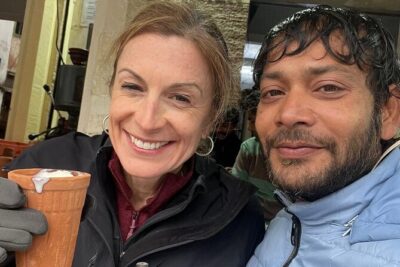
This is the kind of Jaipur experience that turns food into a conversation, fast. I like how it’s taught in a real Rajasthani kitchen, not a demo room, and how you cook dishes like dal baati churma with clear, step-by-step guidance. I also love the family feel, especially the warm hosting from Swati and her mum, Saroj, which makes the whole meal feel personal. One thing to keep in mind: you’re in a small private group (max 6), so it’s best if you’re comfortable sharing a table closely and you can eat what’s being cooked (and speak up about allergies).
In about 3 hours 30 minutes, you go from a welcome drink to a spice lesson to hands-on cooking, then sit down for lunch and dinner. The class focuses on classic flavors and why they matter, including stories tied to local customs and family recipes passed down through generations. If you’re mainly after a hands-off activity, you might find the cooking part a bit more involved than expected, but that’s also where the fun and the learning come from.
In This Review
- Key Highlights You’ll Actually Notice
- A Home-Style Jaipur Class Where the Welcome Matters
- Spice Lesson First: How You Learn the Flavor Logic
- Hands-On Cooking: Dal Baati Churma, Gatte, Ker Sangri, and Chapati
- Lunch and Dinner Together: The Best Part Is Eating the Work
- Small Private Group, Big Attention: What the Group Size Means for You
- Price and Timing: Why About $20 Feels Fair for What You Get
- What to Watch For Before You Book
- Quick Tips So You Leave With Real Skills
- Should You Book This Jaipur Pink City Cooking Class?
- FAQ
- How long is the Jaipur Pink City Cooking Class?
- What food is included in the price?
- Are alcoholic beverages included?
- Is this a private class or shared with others?
- What dishes will I learn to cook?
- What if I have a food allergy?
- Where does the class take place?
Key Highlights You’ll Actually Notice
- A real Jaipur home kitchen with family hospitality: You’re invited into the household rhythm, not just guided through stations.
- Hands-on Rajasthani cooking, beginner-friendly: You can follow along even if you’re new to Indian cooking.
- Core dishes you can recreate later: Expect dal baati churma, gatte ki sabzi, ker sangri, and homemade chapatis.
- Spice explanations tied to how the food works: You learn what ingredients do, not just what to add.
- A small private group (max 6): More attention, less waiting around.
- You eat the results together: Lunch and dinner are included, so your effort becomes the meal.
A Home-Style Jaipur Class Where the Welcome Matters
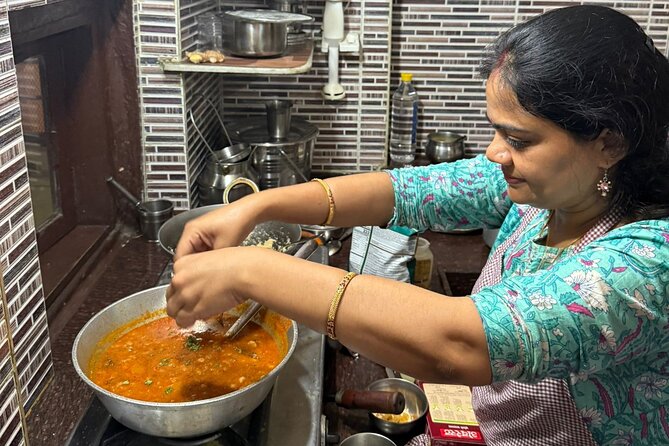
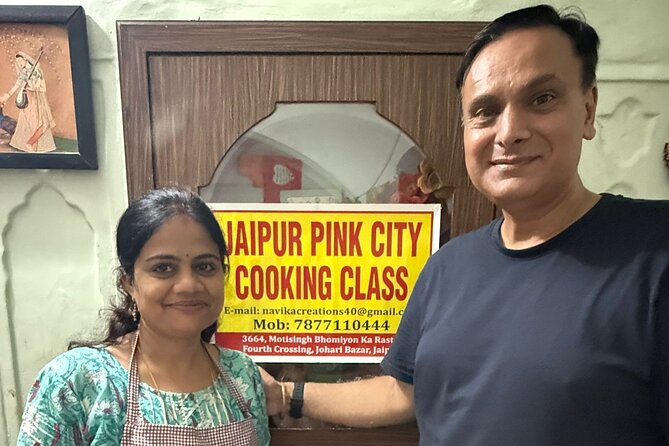
Jaipur’s Pink City charm is easy to photograph, but it’s harder to experience in a real way. This class gives you that “I’ve been invited” feeling right away, because you’re hosted inside a functioning Rajasthani home kitchen. The standout thing here is the warmth: Swati and her mum Saroj are a big part of the welcome, and that energy carries through the cooking.
I also appreciate how the experience treats food as culture, not just recipes. You’re introduced to spices, herbs, and ingredients that define Rajasthani cuisine, and you hear the kind of stories that make a dish make sense. And because it’s private, you’re not stuck competing for attention in a crowd.
The location is in the Pink City area, near Johri Bazar and Bapu Bazar on Bhatto Ka Rasta. That matters because it keeps the class connected to the neighborhoods you came for, and it’s listed as near public transportation.
You can also read our reviews of more city tours in Jaipur



Spice Lesson First: How You Learn the Flavor Logic
The session begins with a welcome drink, then you shift into a spice-and-ingredient introduction. This isn’t just a quick “here’s turmeric” moment. You get context for what spices and herbs mean in Rajasthani food, and how they’re used to build bold, aromatic flavor.
This matters for your success later. Indian cooking often feels intimidating when you only follow steps. Here, you’re also learning the reasons behind those steps—so when you’re recreating the food at home, you’re not guessing what a spice should do in the final dish.
If you’re the kind of cook who likes understanding, this part is especially valuable. You’ll spend time with the basics before you start mixing and shaping, which helps you move faster once the hands-on part begins. And since the class is private and small (up to 6), you can actually ask questions without shouting across the room.
Hands-On Cooking: Dal Baati Churma, Gatte, Ker Sangri, and Chapati
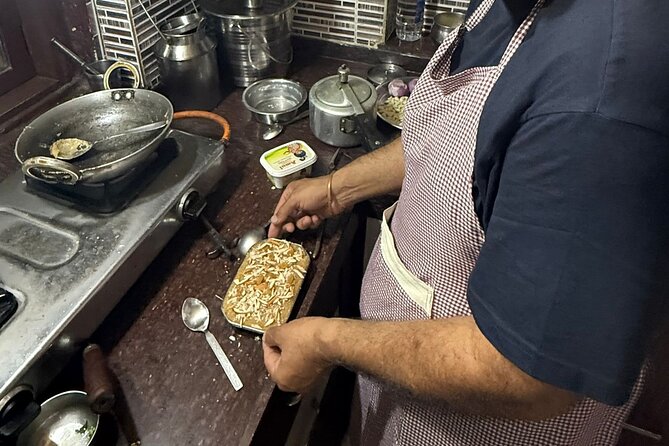
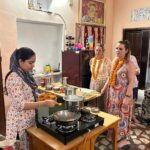
This is a working cooking class, not a sit-and-watch lecture. You roll up your sleeves and prepare multiple dishes with guidance that’s geared for beginners. The menu is built around Rajasthani staples, and you’ll be cooking everything from scratch enough to feel ownership of the meal.
Here’s what you can expect to make:
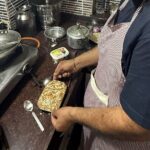
- Dal baati churma: A signature Rajasthan combination of lentils and baked wheat balls, finished with a sweet, crumbly element. It’s the kind of dish that makes you understand why people plan whole meals around it.
- Gatte ki sabzi: A comforting curry featuring gram-flour dumplings, which teach you texture and seasoning balance.
- Ker sangri: This is a Rajasthan classic that uses local ingredients and bold flavor. It’s a good choice if you want something that feels specific to the region, not generic “Indian restaurant” food.
- Homemade chapatis: You’ll make the flatbread too, which helps you connect the meal pieces rather than treating them as separate sides.
The guided format is where the value is. If you’ve never cooked Indian food before, you still won’t feel lost, because the instructions are clear and the steps happen in a sensible order. If you do cook already, you’ll likely enjoy the technique tips—those are the parts that make the recipes more reproducible at home.
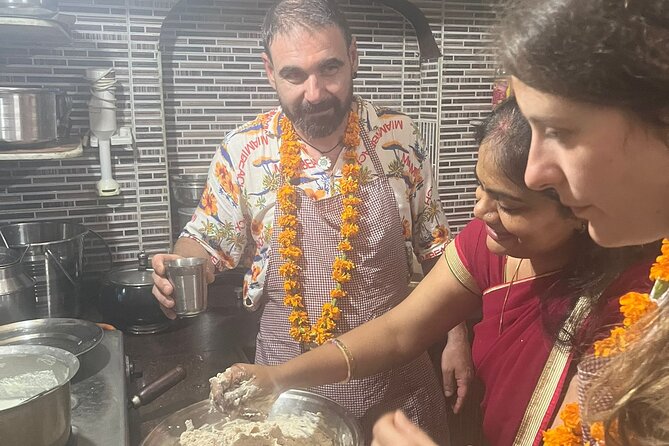
Also, you might notice that the class includes plenty of family involvement. In the reviews, people talk about cooking with multiple chefs in the family and getting laughs along the way. That’s not just “nice company”—it usually means more hands-on help and more chances to get the texture right.
Lunch and Dinner Together: The Best Part Is Eating the Work
Once the dishes are ready, you sit down together and eat what you cooked. This is included as lunch and dinner, which is a big deal for value. Many cooking classes are “a snack plus a demonstration.” Here, you’re working toward a full meal, and then you get to enjoy it right away.
Eating together also changes the pace. Instead of rushing out after a course, you get to slow down, taste, and learn from the meal itself. You’ll often hear explanations connected to local customs and family recipes while you eat, which helps the food land in your brain as something you can remember, not just something you consumed.
One delightful touch: in one review, guests mention receiving marigold flower necklaces during the experience. That kind of small ritual is exactly why this feels like a real home visit rather than a transactional cooking activity.
Small Private Group, Big Attention: What the Group Size Means for You
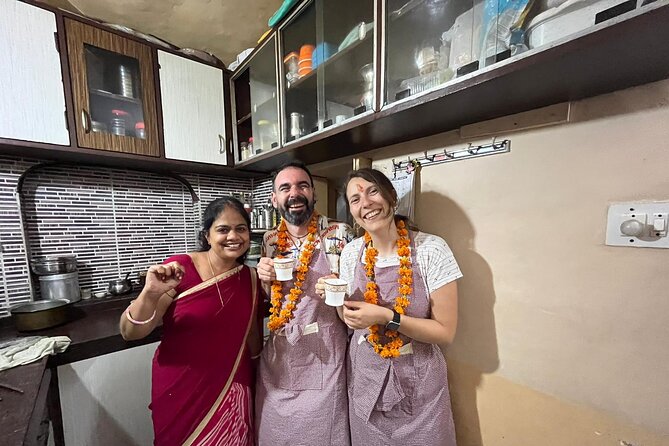
This is a private tour/activity where only your group participates, and the maximum group size is 6 people. Minimum is 1, so it’s easy to book even if you’re traveling solo—assuming the schedule lines up.
That small size matters for two practical reasons.
First, you get more personal feedback while cooking. In a class with 20 people, someone might explain a step, but you can lose time figuring out what “right” looks like. In a group capped at 6, you can usually correct technique while it’s still easy to fix.
Second, it keeps the conversation real. The class isn’t just you following along; you’re part of the household exchange. That’s where the warmth from Swati and Saroj tends to shine.
You can also read our reviews of more cooking classes in Jaipur

Price and Timing: Why About $20 Feels Fair for What You Get
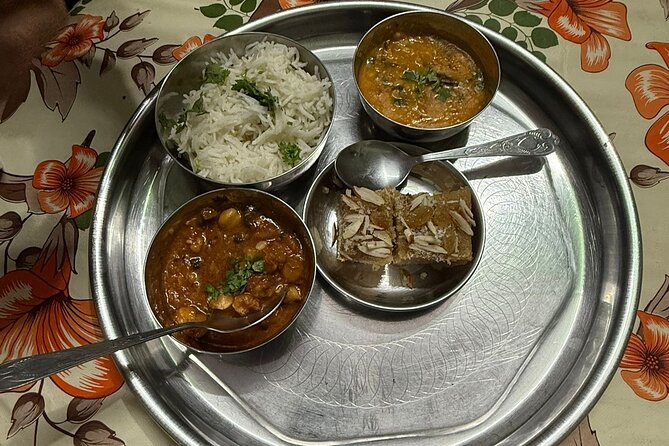
At $20.13 per person, this is strongly priced for what’s included: lunch and dinner, plus a hands-on cooking session with multiple dishes. Yes, you’re not spending on a fancy restaurant setting. But you’re paying for access to a real kitchen, ingredient prep, instruction, and the meal that results.
The duration is about 3 hours 30 minutes. That’s long enough to actually cook several items and learn the flavor-building process, but not so long you feel trapped. It also fits well into a travel day in Jaipur, especially if you’re doing other Pink City sights earlier and then planning a food-focused evening.
Timing-wise, you’ll start at the meeting point in the Pink City area and end back there. And you’ll receive a confirmation at booking, plus a mobile ticket.
What to Watch For Before You Book
This class looks like a dream for most food lovers, but here are a couple of considerations I’d think about upfront.
- Dietary needs and allergies: If you have any allergy, you need to tell them in advance. The data specifically says to let them know, so don’t wing it on the day and hope for the best.
- Alcohol isn’t included: Alcoholic beverages aren’t part of the package. If you want drinks with dinner, plan for that separately.
- Spice and ingredients may be bold: Rajasthani cuisine is known for strong flavor. Even if you handle spice, it’s worth keeping your expectations in line with regional cooking.
And one more practical note: because this is in a residential-home setting, it’s a good idea to arrive ready to cook, not dressed for a museum visit.
Quick Tips So You Leave With Real Skills
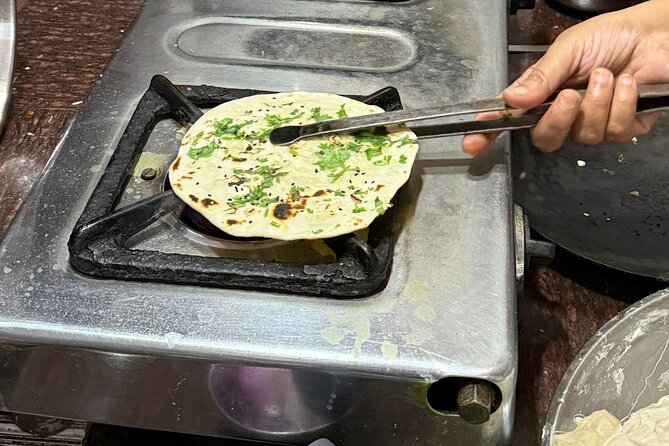
You’ll get more out of this class if you treat it like a workshop, not just a tasting.
- Ask about the spices as you use them. The point is to understand what each one does, so you can repeat it later.
- Take note of textures, not just flavors. For example, dishes like dal baati churma depend on the feel and cooking method as much as the ingredients.
- Be honest about allergies or restrictions early. The class asks you to notify them if you have allergies, and that’s the right move.
- Go hungry. You’ll cook, then you’ll eat lunch and dinner. Build your day so you’re actually ready for it.
- Enjoy the family energy. The reviews consistently mention the hosts’ welcoming attitude and the fun of cooking together. That’s part of the instruction style too.
Should You Book This Jaipur Pink City Cooking Class?
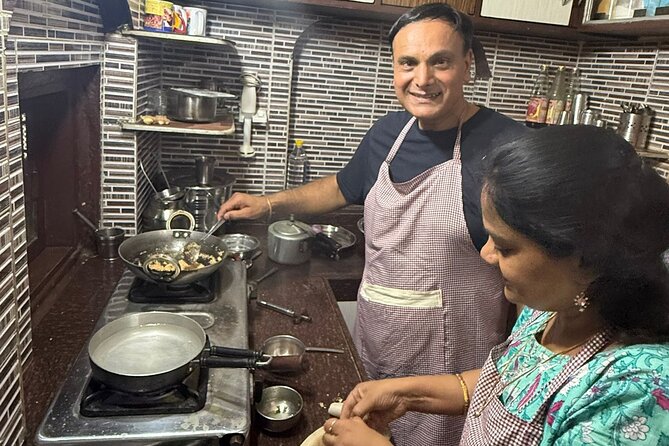
If you want a Jaipur experience that’s more than sightseeing—something personal, hands-on, and connected to local life—this is an excellent choice. The best reason to book is simple: you’re not only tasting Rajasthani food, you’re making it in a home setting with guidance and hospitality from Swati and her family, including Saroj.
I’d especially recommend it if you love learning how to cook spices and want recipes you can realistically recreate at home. It’s also a good fit for couples, small friend groups, and solo travelers who like small-group attention and don’t mind getting involved.
If you prefer a quiet, low-effort activity or you have allergies you haven’t discussed in advance, then you should think twice. But for most people looking for authentic Jaipur flavor and a warm welcome, this is exactly the kind of meal-focused day that turns into a memory you can taste.
FAQ
How long is the Jaipur Pink City Cooking Class?
It lasts about 3 hours 30 minutes.
What food is included in the price?
Lunch and dinner are included.
Are alcoholic beverages included?
No, alcoholic beverages are not included.
Is this a private class or shared with others?
It’s private, and only your group participates. The maximum group size is 6 people.
What dishes will I learn to cook?
The class includes preparing dal baati churma, gatte ki sabzi, ker sangri, and homemade chapatis.
What if I have a food allergy?
You should let them know about any food allergy when booking.
Where does the class take place?
The meeting point is in Jaipur’s Pink City area, on Bhatto Ka Rasta near Johri Bazar and Bapu Bazar (Motisingh, Bhomiyon, 3664, Jaipur, Rajasthan 302003). It ends back at the meeting point.