REVIEW · JAIPUR
Jaipur: City Palace Museum – Direct Official Ticket
Book on GetYourGuide →Operated by City Palace Museum, Jaipur · Bookable on GetYourGuide
A palace ticket that actually maps your day. The City Palace of Jaipur is laid out in seven connected courtyards, and this official ticket gets you into those key spaces plus museum galleries like MSMS II. I especially like the tight, logical route—from the decorated gates at Pritam Niwas Chowk to the weapon rooms and royal transport displays—and the fact that this ticket is issued directly for the City Palace complex. One thing to keep in mind: the experience depends on on-site upkeep, and a verified booking reported ticket trouble and messy areas, so give yourself a buffer if things look off.
If you enjoy Mughal-era and Rajput court life, this stop is a strong use of time in Jaipur. In about a day, you can connect architecture, ceremonies, and objects used by rulers in one place—without needing extra tickets for every doorway.
In This Review
- Key highlights and why they matter
- City Palace Museum Jaipur in one day: what the ticket covers
- Getting started: the official ticket gate near Baradari Restaurant
- Pritam Niwas Chowk: the decorated gates that set the tone
- Sarvato Bhadra / Diwan-e-Khas: religious and cultural court life
- Sabha Niwas / Diwan-e-Aam: where the Maharaja met the public
- Mubarak Mahal: textiles inside a guest-house built for foreign dignitaries
- MSMS II Museum spaces: how four courtyards become museum rooms
- Sileh-Khana arms and armor: court power you can see close up
- Painting & Photography Gallery: maps and historic photographs
- Rath-Khana royal transport: historic vehicles tied to festivals
- Photography, shoes, and heat: practical tips that make the visit smoother
- Price and logistics: is $16 a good deal here?
- Who this City Palace ticket suits best
- Should you book this City Palace Museum Jaipur ticket?
- FAQ
- FAQ
- How much is the City Palace Museum Jaipur official ticket?
- What’s the duration of the ticket?
- Where do I enter to start at the ticketing counter?
- What does the ticket include?
- What is MSMS II Museum in this experience?
- Are professional cameras and flash allowed?
- Is the attraction wheelchair accessible?
- Are pets allowed inside?
Key highlights and why they matter
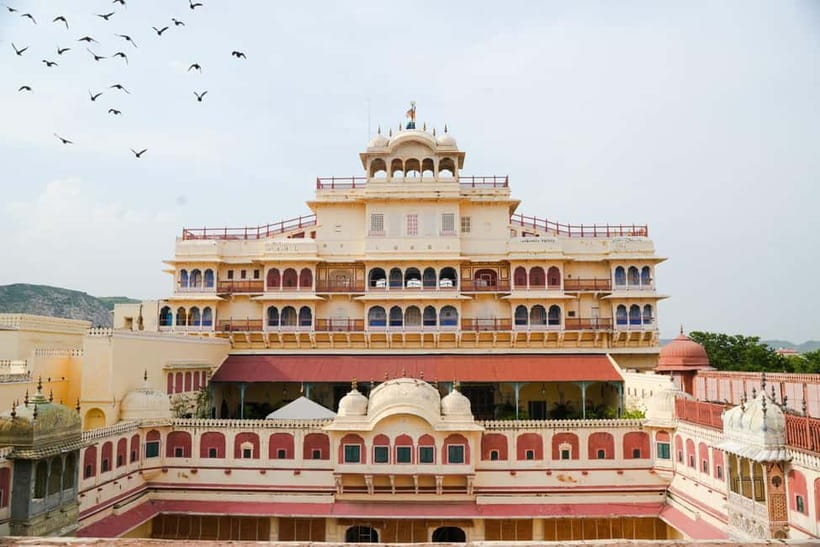
- Official access to City Palace courtyards and galleries with one ticket
- Seven interconnected courtyards that let you understand how the palace functioned
- MSMS II Museum areas inside the complex, including four courtyards
- Gangajalis silver urns that you’ll see right when you enter Diwan-e-Khas
- Sileh-Khana arms and armor gallery for a close look at court power
- Rath-Khana royal transport displays tied to historic festivals
City Palace Museum Jaipur in one day: what the ticket covers
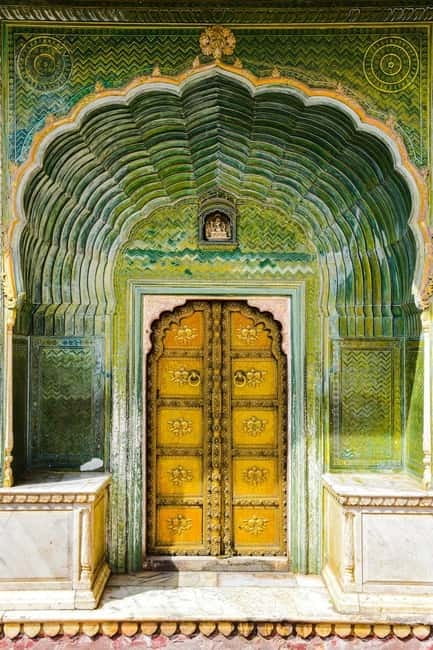
This is a 1-day City Palace Museum ticket priced at $16 per person, and it’s aimed at one clear goal: get you into the palace’s most important museum areas efficiently. You’re paying for access to City Palace courtyards & galleries, not a long guided program, so the value comes from how well the spaces work as a self-paced route.
The City Palace itself was the administrative headquarters of the rulers of the erstwhile Jaipur State. That matters because you’re not just looking at rooms meant for show. You’re looking at spaces built for decision-making, ceremonies, hosting, and public-facing events—wrapped into one sprawling complex.
A key detail: the palace layout is built around seven interconnected courtyards. With this ticket, you can move through those courtyards and then connect into museum galleries inside the same grounds.
You can also read our reviews of more tours and experiences in Jaipur


Getting started: the official ticket gate near Baradari Restaurant
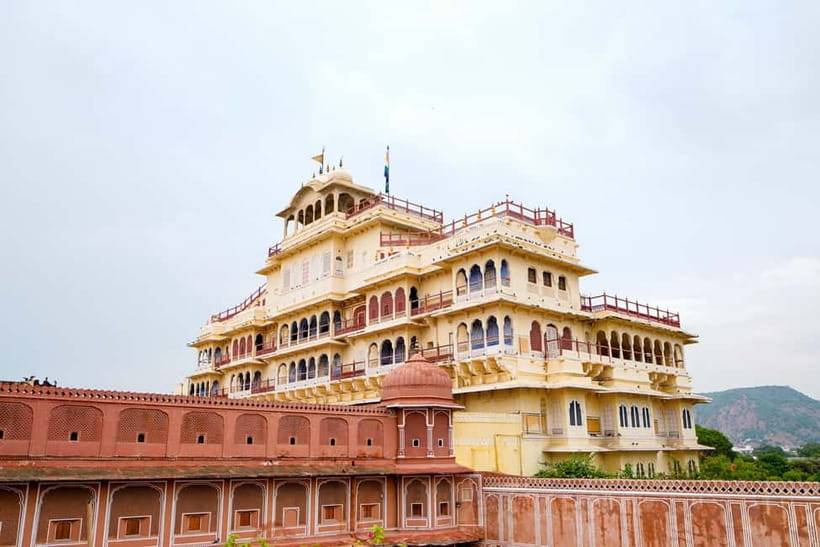
Your day starts at the gate to the ticketing counter near Baradari Restaurant. That location detail helps because City Palace can feel like a maze if you arrive without a plan. I’d treat this like your anchor point: find it, confirm your ticket works, and then start walking.
Because this is an official ticket, you should expect straightforward entry. Still, since one verified booking reported a ticket not working, it’s smart to arrive with enough time to sort it out if the counter asks for a specific reference or if the system is slow.
Pritam Niwas Chowk: the decorated gates that set the tone
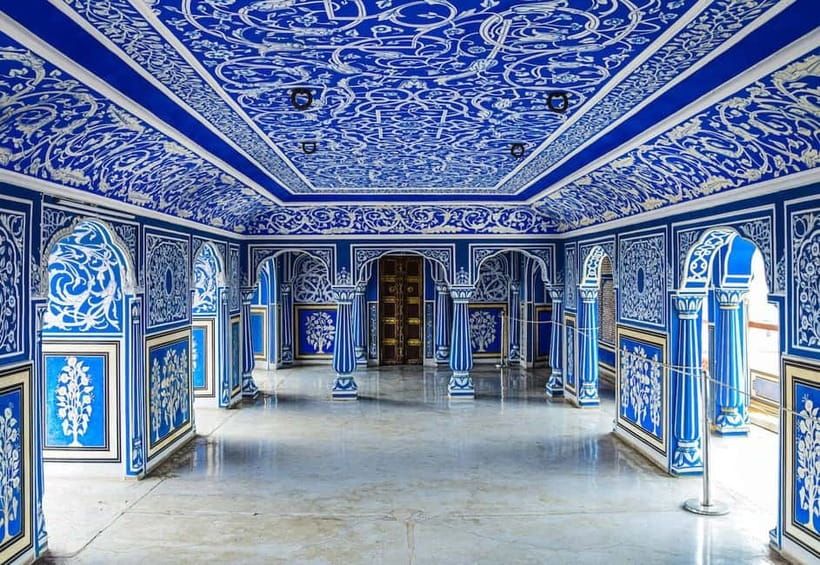
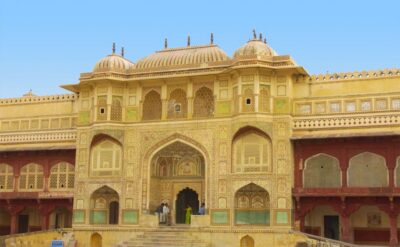
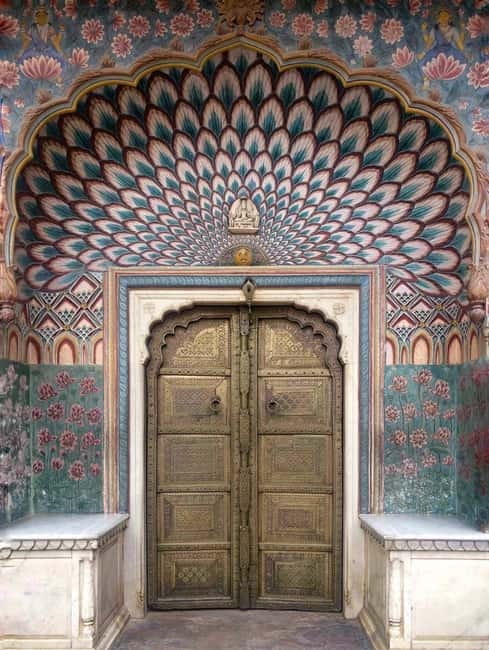
Begin at Pritam Niwas Chowk, which is known for its four magnificent decorated gates, or deories, featuring four deities. This is more than decoration. It’s a quick lesson in how the palace blended religion, power, and public symbolism right at the start.
Spend a few minutes here to orient yourself. Once you understand the flow out of this courtyard, the rest of the complex feels easier—like you’re moving through chapters rather than wandering hallways.
The helpful part for planning: Pritam Niwas Chowk is a natural “first stop” because it’s a recognizable gateway within the palace route.
Sarvato Bhadra / Diwan-e-Khas: religious and cultural court life
Next, head to Sarvato Bhadra, also known as Diwan-e-Khas. This was a place where the court hosted religious and cultural celebrations—so the mood shifts from entry symbolism into ceremonial space.
When you enter this courtyard, don’t miss the Gangajalis: two gigantic silver urns. They’re the kind of detail your brain remembers later because they visually break up the courtyard and immediately signal you’re in a major ceremonial area.
If you’re the type who likes learning what a room was used for, Diwan-e-Khas is where the palace starts making sense. You’re seeing a setting built for important events, not just storage or display.
Sabha Niwas / Diwan-e-Aam: where the Maharaja met the public
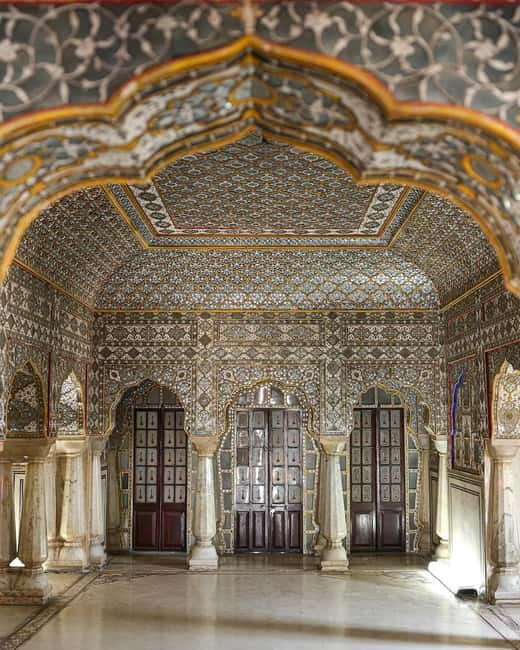
From there, go to Sabha Niwas, also called Diwan-e-Aam. This hall is described as the place where the Maharaja would hear from his public and greet foreign dignitaries.
That function is worth noting while you walk, because it changes how you read the space. You’re not imagining a private royal bedroom experience. You’re stepping into a communications hub—built to handle attention, announcements, and formal meetings.
If you want a quick takeaway: Diwan-e-Aam helps you understand that the palace wasn’t only for insiders. It had a public-facing layer too.
You can also read our reviews of more city tours in Jaipur




Mubarak Mahal: textiles inside a guest-house built for foreign dignitaries
Next up is Mubarak Mahal, built in 1902 as a guest house for foreign dignitaries. Today, it houses the textile collection.
This stop is a good balance to the more martial and ceremonial rooms elsewhere in the palace. Textiles bring a different angle on court culture—what people wore, what materials mattered, and how craftsmanship traveled through royal systems.
Even if you’re not a textile specialist, Mubarak Mahal works because it connects a dated historical moment (1902 construction) to a continuing museum purpose. You’ll feel like you’re seeing how royal hospitality translated into a collection you can still view today.
MSMS II Museum spaces: how four courtyards become museum rooms
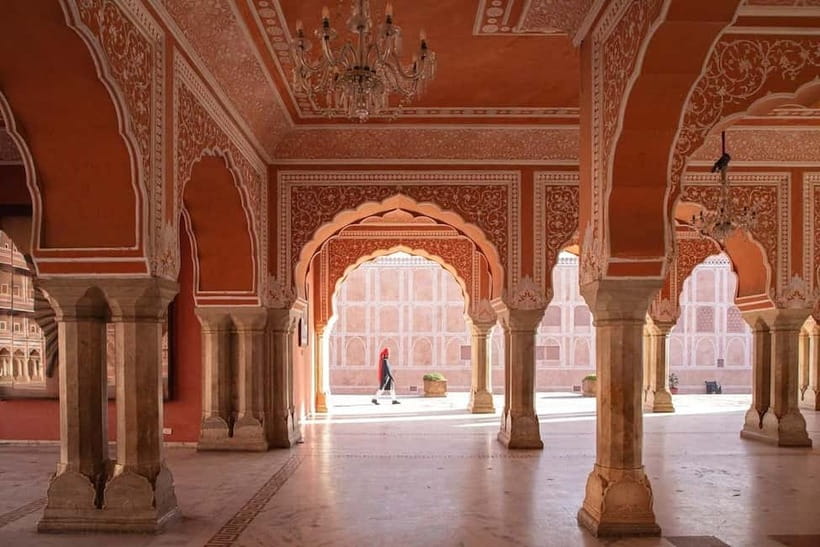
This ticket also gets you into the MSMS II Museum, which is described as home to four of the courtyards. That makes the experience more efficient because you’re not only moving between open-air spaces—you’re also collecting museum context that explains what you’re seeing.
Use MSMS II as your “thinking break” during the walk. After the more active courtyard stops, these museum areas help you slow down and connect objects to the architectural setting around them.
Sileh-Khana arms and armor: court power you can see close up
Don’t miss Sileh-Khana, a gallery that houses a vast collection of arms and armor. This is one of the stops that most strongly communicates the practical side of royal rule.
What I like about this kind of display is that it removes guesswork. You can look at equipment as an artifact of logistics and security—built, carried, and maintained with real purpose.
If you’re sensitive to graphic or weapon-heavy displays, take your pace. You can move through quickly, then come back later if you want to look in more detail.
Painting & Photography Gallery: maps and historic photographs
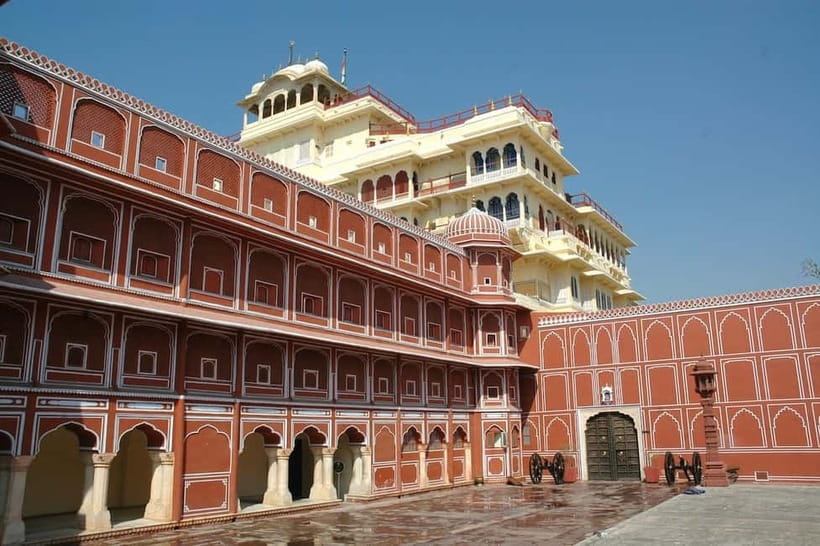
Then visit the Painting & Photography Gallery, focused on paintings, maps, and historic photographs. This is where the palace connects to the wider world—how rulers understood space, trade routes, and representation.
Maps are a smart inclusion in a palace museum. They help you place the court not just in architecture, but in geography and planning. If you enjoy visual records more than text, this gallery is a solid choice for your time.
Rath-Khana royal transport: historic vehicles tied to festivals
Finally, head to Rath-Khana, which displays important royal transports spanning three centuries. This is a standout if you like the theater of power: how rulers moved, how ceremonies were staged, and how objects became part of public memory.
The description also notes that some items in this gallery are still connected to annual festivals of the city. That turns the museum from a “look only” experience into something living in Jaipur’s calendar.
Photography, shoes, and heat: practical tips that make the visit smoother
Plan for a lot of walking. Wear comfortable shoes, because the palace courtyards and galleries link in a way that racks up steps faster than you expect.
Photography is allowed, but professional cameras are not allowed, and flash photography may be restricted in certain areas. If you want to take photos, I’d keep it simple: no flash, and be ready for signs or staff guidance if a section has tighter rules.
Also carry water, especially in hot weather. Jaipur heat can turn a “one-day museum” into a survival mission if you don’t pace your breaks.
And one more practical note: the City Palace complex is culturally and historically significant, so be respectful and keep your movement calm, especially in spaces that feel ceremonial.
Price and logistics: is $16 a good deal here?
At $16 per person for official access to courtyards and galleries, this ticket has good value if you like palace layouts and court objects. You’re not paying for a single highlight room. You’re paying for a connected route: multiple courtyards, plus museum galleries like MSMS II, arms and armor, textiles, and royal transport.
The other side of value is risk: your experience can be affected by on-site condition. A verified booking gave it a very low score and specifically cited ticket trouble and the palace not being in good condition, including mention of leftover rubbish. I can’t fix that for you, but you can protect yourself with two habits:
- Arrive with enough time to handle entry issues at the ticket counter.
- Do a quick condition check early, then decide whether to slow down, focus on the best galleries, or adjust your route.
If you’re hoping for a pristine, fully polished museum atmosphere at every step, City Palace may not match that expectation every day. If you’re okay with a real historical site that still has maintenance ups and downs, it’s a strong buy.
Who this City Palace ticket suits best
This experience fits best if you want:
- A self-paced, architecture-led palace museum day
- To see how rulers used courtyards for public, ceremonial, and administrative life
- Strong museum stops like Sileh-Khana arms and armor and Rath-Khana transports
- A mix of visual rooms: textiles, historic photos, and maps
It’s also a good match for people who don’t want to keep buying separate entries for everything. This ticket ties key spaces together in one pass across the complex.
Should you book this City Palace Museum Jaipur ticket?
I’d book it if you’re doing Jaipur on a practical schedule and you want a coherent way to spend your day at City Palace. The biggest reasons are the official access, the chance to see seven interconnected courtyards, and the museum variety—especially MSMS II, Gangajalis, Sileh-Khana, and Rath-Khana.
I’d think twice if you need a flawless ticketing experience with zero troubleshooting. One verified booking reported a ticket not working, so build in time at the ticket counter and be ready to ask for help if anything feels off.
FAQ
FAQ
How much is the City Palace Museum Jaipur official ticket?
It costs $16 per person.
What’s the duration of the ticket?
The ticket is valid for 1 day.
Where do I enter to start at the ticketing counter?
Enter the gate to the ticketing counter near Baradari Restaurant.
What does the ticket include?
It includes access to City Palace courtyards & galleries, plus platform booking fees.
What is MSMS II Museum in this experience?
The MSMS II Museum is home to four of the palace courtyards included with this ticket.
Are professional cameras and flash allowed?
Professional cameras are not allowed, and flash photography may be restricted in certain areas.
Is the attraction wheelchair accessible?
Yes, the activity is described as wheelchair accessible.
Are pets allowed inside?
Pets are not allowed, but assistance dogs are allowed.