REVIEW · JAIPUR
Jaipur Heritage and Old Market Shopping Tour
Book on Viator →Operated by Unique Jaipur Tour · Bookable on Viator
Jaipur shopping with a craft twist. This 5-hour tour strings together classic Jaipur landmarks and hands-on artisan stops, all in one smooth route with pickup.
What I really liked are two things. First, the old-market lanes are where the city’s everyday buying and selling happens, from textiles and jewelry to marble décor. Second, the short craft demo sessions (block printing, blue pottery, and jewelry-making) help you understand what you’re actually looking at before you buy.
One thing to consider: this is a market-heavy day. If you’re hoping for long, slow palace-and-museum time, you may feel the pace is a bit fast, and there’s no food included.
In This Review
- Key Highlights You’ll Care About
- Why This Jaipur Old Market Route Works for First-Time Visitors
- Starting Easy: Pickup, Private Driver, and a Mobile Ticket
- Chandpole Bazar for Textiles, Brassware, Pottery, and Real Shopping Streets
- Khanjane Walon ka Rasta: Marble Decor for When You Want Something Different
- Maniharo Ka Rasta for Bangles and Silver Ornaments
- Isarlat Tower Views and Tripolia Mausoleum Stops That Feel Like a Pause
- Albert Hall Museum Time: When You’ll Need to Decide On Inside Tickets
- Johri Bazaar for Bandhani, Block Prints, Spices, and Leather Goods
- Hawa Mahal: 953 Windows and the People-Viewing Story
- Jaipur Blue Pottery Art Centre: A Quick Demo That Helps You Shop With Confidence
- Satguru’s the Textile World: Block Printing and Carpet Craft by Women Artisans
- How to Shop Smarter in Jaipur’s Old Lanes (Without Losing Your Day)
- Time, Pace, and What’s Realistic for a 5-Hour Tour
- Should You Book This Jaipur Heritage and Old Market Shopping Tour?
- FAQ
- What is the duration of the Jaipur Heritage and Old Market Shopping Tour?
- Is pickup and drop-off included?
- What is included in the price?
- Are food and drinks included?
- Do I need to pay admission for the monuments?
- What kind of craft experiences are included?
- Is this tour private?
Key Highlights You’ll Care About

- Chandpole to Johri lanes: Different streets specialize in different crafts, so you can shop with purpose
- 10–15 minute craft demos: Block printing, blue pottery, and jewelry-making, designed for quick learning
- Women’s artisan work: You’ll see craftsmanship tied to empowerment through traditional skills
- Big-ticket photo stops: Hawa Mahal, Isarlat Tower, and other heritage landmarks get real attention
- Private vehicle pickup and bottled water: Logistics are handled so you can focus on the day
Why This Jaipur Old Market Route Works for First-Time Visitors
Jaipur can feel like a lot at first: traffic, colors, crowds, and shopping everywhere. This tour gives you a structure—heritage stops for orientation, then markets where you can actually shop like locals do.
You’ll spend the day mixing “see it once” sights with “I might buy this” craft hunting. That combo is what makes it good value for a single half-day when you don’t want to bounce around on your own.
It also fits a specific kind of traveler. If you like gifts that have a story—textiles, blue pottery, bangles, jewelry—this route makes those stories easier to spot. If you’re shopping for artwork only, you might find the day leans more toward practical crafts than gallery-style pieces.
You can also read our reviews of more historical tours in Jaipur

Starting Easy: Pickup, Private Driver, and a Mobile Ticket
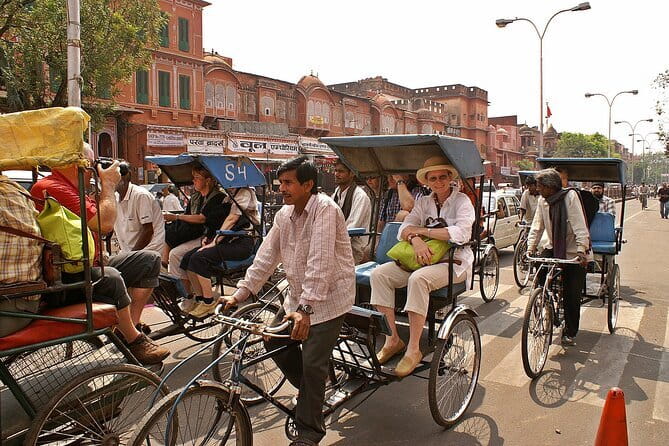
This experience includes pickup and drop-off from your hotel, which matters in Jaipur. Getting started on time helps you avoid the early “where do we go first?” scramble.
You also get a private vehicle with a local expert driver and bottled water. That’s a comfort benefit, especially during market hours when you’re walking on uneven footpaths and negotiating crowded lanes.
You’ll have a mobile ticket, so you aren’t stuck with paperwork. And because it’s a private tour/activity, it’s just your group—no mixing with strangers mid-day.
Chandpole Bazar for Textiles, Brassware, Pottery, and Real Shopping Streets
Your first stop is Chandpole Bazar, known for its wide range of traditional Rajasthani goods. Think textiles, jewelry, brassware, and pottery in tightly packed lanes where you can compare styles side-by-side.
What I like about this start is that it sets the tone for the whole day. You quickly get used to how Jaipur sells—craft items are grouped by type, and shopkeepers expect you to browse with intent.
Plan to spend your time scanning for patterns you recognize later. If you can tell the difference between a print style, a textile weave, or a jewelry finish early on, you’ll shop smarter when you hit other lanes.
Khanjane Walon ka Rasta: Marble Decor for When You Want Something Different
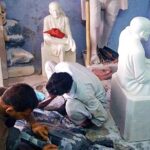
Next you go to Khazane Walon ka Rasta in the Chandpole area, known for intricate marble sculptures and marble décor in different sizes. This is a great contrast to cloth-and-jewelry shopping.
If you’re tired of repeating designs, marble décor can feel refreshingly different. It’s also the kind of purchase that’s easier to evaluate in person because you can look closely at carving details and edges.
One practical tip: treat this as a “look first” stop. Marble items can vary a lot in quality and weight, so you’ll want to compare before you decide you’re ready to carry something home.
Maniharo Ka Rasta for Bangles and Silver Ornaments

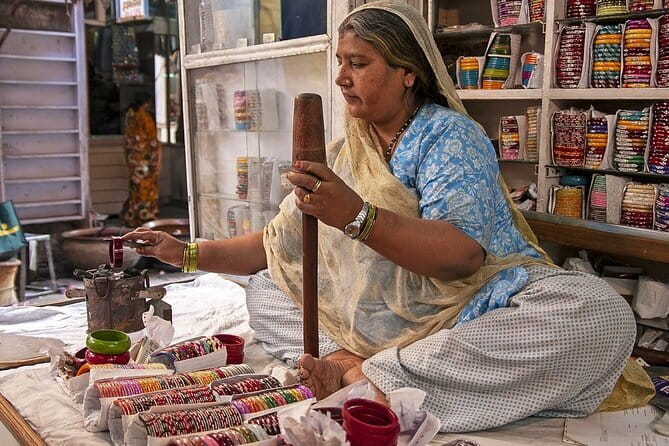
Maniharo Ka Rasta focuses heavily on jewelry shops, especially traditional bangles and silver ornaments. It’s the kind of place where you can see craftsmanship in layers—design, metal finish, and how pieces are set and matched.
If you’re buying gifts, this is where you’ll likely spend the most mental energy. Jewelry is personal, and Jaipur designs can be bold. Better to slow down, pick one or two styles you truly like, and then compare similar items across shops.
If you want to avoid impulse buys, decide what you’re looking for before you enter the densest lanes. That one minute of planning saves you from falling into the shopping “noise.”
You can also read our reviews of more shopping tours in Jaipur




Isarlat Tower Views and Tripolia Mausoleum Stops That Feel Like a Pause
This tour doesn’t just rush you between shops. It includes heritage stops that act like a breather.
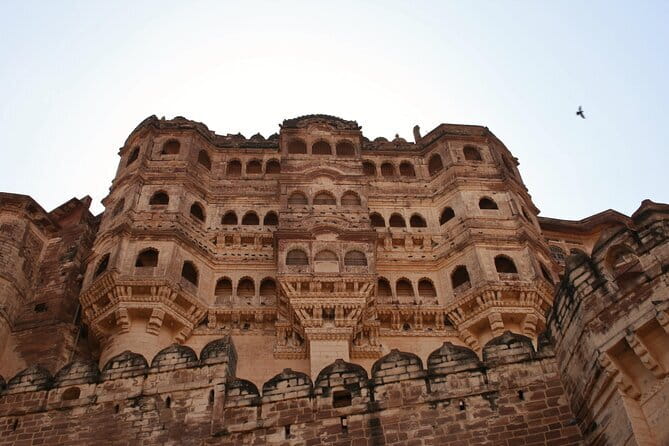
At Isarlat Tower, built by Maharaja Jai Singh II as an 18th-century victory memorial, you get a chance for panoramic views and city photography. The ticket is listed as not included, so if you want to go up, plan for extra onsite costs.
Then you reach Tripolia Bazar near Tripolia Gate, centered on a royal mausoleum. The focus here is the building’s intricate carving and its royal family significance—less shopping, more atmosphere.
These stops matter because they help you connect Jaipur’s craft to the city that commissioned it. When you see the architecture and then go back into the markets, the designs feel less random.
Albert Hall Museum Time: When You’ll Need to Decide On Inside Tickets

Albert Hall Museum is on the route, built in 1876 in Indo-Saracenic style. It’s an eye-catching stop even from the outside, but the key detail is that admission isn’t included.
Inside, it’s described as having art, artifacts, sculptures, textiles, and coins. That combination is relevant to what you’re seeing elsewhere on the tour—especially textiles and traditional craft objects.
If you’re the type who likes museums when they match your interests, you may want to budget for entry. If you’d rather keep the day focused on markets and crafts, you can treat Albert Hall as a sightseeing checkpoint and stay ready for the next shopping stretch.
Johri Bazaar for Bandhani, Block Prints, Spices, and Leather Goods
Johri Bazaar is a lively market stop where you’ll find Rajasthani handicrafts like textiles, jewelry, pottery, spices, and leather goods. It’s especially known for bright fabrics, bandhani, block prints, and silver jewelry.
I love this section because it’s where “your shopping style” becomes clearer. If you like patterns and color, you’ll likely gravitate toward textiles and print styles. If you’re more into wearable crafts, jewelry and bangles will pull you in.
One note: this isn’t a food tour. You’ll shop spices here, but don’t expect a dedicated spices-and-tea tasting vibe. If that’s your priority, you’ll probably want to plan a separate meal break based on your own tastes.
Hawa Mahal: 953 Windows and the People-Viewing Story
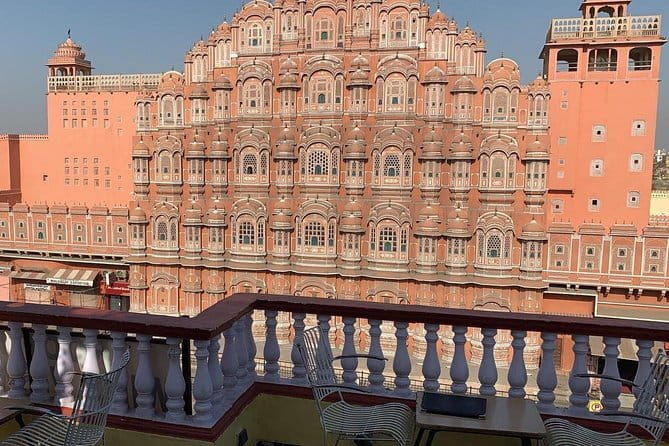
Hawa Mahal, the Palace of Winds, is one of Jaipur’s most recognizable sights: a honeycomb-like façade with 953 small windows. It was built in 1799 by Maharaja Sawai Pratap Singh, and it’s tied to royal women viewing street life discreetly.
This stop works well because it gives you a quick cultural “why” behind the city’s look. You’re not just seeing a pretty building—you’re seeing a purpose.
Since the admission is listed as free for this stop, it’s a good moment to actually spend a bit of time there instead of only taking photos and moving on. It’s also a strong place for pictures because the façade details are photogenic from multiple angles.
Jaipur Blue Pottery Art Centre: A Quick Demo That Helps You Shop With Confidence
At the Jaipur Blue Pottery Art Centre, you watch a 10–15 minute demo. This is one of the most practical stops because it explains the craft you’re likely to want to take home.
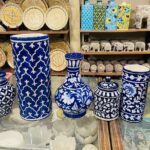
Blue pottery is known for its vivid blue hues and detailed patterns. Seeing artisans work in person helps you notice quality differences—thickness, pattern sharpness, and the overall “feel” of the finish.
Since the demo is short, pay attention like you’re studying for a quiz. After you’ve watched the process, buying a souvenir becomes easier because you can connect what you saw with what you’re offered in shops.
Satguru’s the Textile World: Block Printing and Carpet Craft by Women Artisans
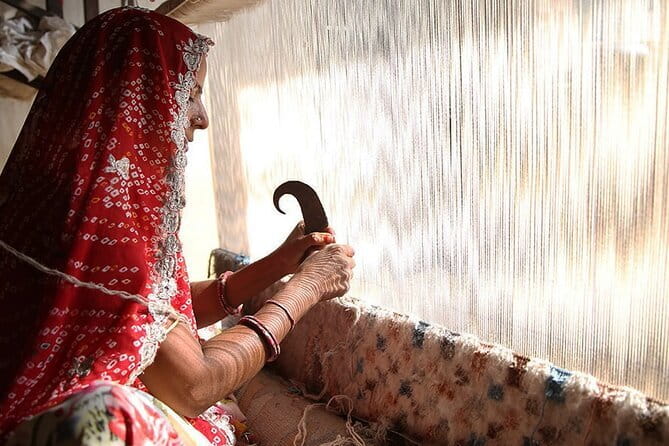
Next you visit Satguru’s the Textile World, described as a textile workshop where women and artisans craft carpets and rugs. You also get hands-on experience with traditional block printing, where patterns are made by hand on fabric.
I like this part because it adds meaning beyond shopping. The tour specifically highlights women’s craftsmanship and links it to empowerment through traditional skills.
Even if you don’t buy textiles, this stop can change how you shop. You’ll start to understand why some prints look crisp and some don’t, and why certain patterns cost more in time and labor.
How to Shop Smarter in Jaipur’s Old Lanes (Without Losing Your Day)
Markets can be fun, but only if you don’t let them run your schedule. This tour moves through multiple specialized streets, so you’ll get a lot of exposure in a short window.
Here’s how I’d handle it to keep things enjoyable:
- Decide early what you want most: textiles, jewelry, blue pottery, or décor
- Compare at least two shops for the item type you care about
- Keep your purchases light at first, then commit when you see the best match
Also, use your driver/guide like a filter. In the reviews, the guide named Rauf is repeatedly praised for tailoring the experience toward a more local route rather than only tourist-heavy stops. That’s exactly what you want if you care about authenticity and comfort in busy areas.
Time, Pace, and What’s Realistic for a 5-Hour Tour
This tour is built around about 30 minutes per stop at the listed locations, plus travel time between them. That means you won’t linger for hours in any single bazaar.
It’s ideal when you want variety—markets plus heritage landmarks plus craft demos. But if you’re the type who likes slow wandering and long sits in museums, you may feel rushed.
One more practical thing: food and drinks aren’t included, so plan to eat before or after. You’ll have bottled water during the tour, but you shouldn’t count on the day ending with a meal included.
Should You Book This Jaipur Heritage and Old Market Shopping Tour?
I’d book this tour if you want a single, efficient way to get Jaipur’s key sights and its craft-shopping culture in one afternoon. The $16 price is especially hard to beat when you factor in hotel pickup/drop-off, a private vehicle, bottled water, and multiple artisan demo sessions.
I’d skip it (or pair it with extra time elsewhere) if you mainly want museum depth and palace interiors, because some entries aren’t included and many landmarks function as photo-and-time stops rather than long guided inside visits.
If you love shopping for textiles, jewelry, spices-to-shop, and blue pottery—and you appreciate learning what you’re buying—this is a strong match. And if you want to feel confident navigating busy streets, having a guide like Rauf (frequently highlighted for being helpful and accommodating) can make the day feel a lot easier.
FAQ
What is the duration of the Jaipur Heritage and Old Market Shopping Tour?
The tour runs for about 5 hours.
Is pickup and drop-off included?
Yes. The tour includes pickup and drop-off services from your hotel.
What is included in the price?
Included features are a private vehicle with a friendly local expert driver, bottled water, exploration of heritage sites and traditional markets, and monument viewing from the outside. A mobile ticket is also provided.
Are food and drinks included?
No. Food and drinks are not included.
Do I need to pay admission for the monuments?
Admission is not included for some stops (for example Isarlat Tower and Albert Hall Museum). Other stops list admission as free.
What kind of craft experiences are included?
You get short demo sessions (about 10–15 minutes) related to traditional crafts such as block printing, blue pottery, and jewelry making, including women’s artisan work.
Is this tour private?
Yes. Only your group participates, and it’s described as a private tour/activity.
If you want, tell me your travel dates and what you most want to buy (textiles vs. jewelry vs. pottery), and I’ll suggest how to prioritize the stops so you leave with fewer regrets and more good finds.