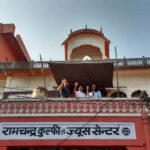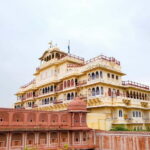
Jaipur feels best when you walk first. This heritage route gives you the big names of Old Jaipur plus the small street details, and I especially love the e-rickshaw ride for seeing the Pink City without killing your feet, plus the street-food tastings that keep the tour grounded in daily life. One thing to plan for: several stops are time-boxed, so if you want long photo sessions, you’ll have to be quick.
Pick morning or evening, and the city changes mood fast. In the morning you start with the flower market and move toward Hawa Mahal’s famous windows; in the evening you get that softer light angle on Jaipur’s landmarks. Guides can make a difference too—Sayyed, Ali, and Nameera are all mentioned as standout guides in the feedback, and that matters when you’re weaving through working markets and old lanes.
Logistics are simple. You get hotel pickup and drop-off, a mobile ticket, and an English-speaking guide, plus tea/coffee/sweet lassi with snacks during the walk. The itinerary also includes a short climb at Isarlat Tower—so if stairs are a deal-breaker, keep that in mind.
In This Review
- Key highlights worth your time
- A 3–4 hour plan that actually fits a Jaipur schedule
- Morning at the flower market: where Jaipur wakes up
- Hawa Mahal: the palace of breeze, explained like a story
- Isarlat Tower and Tripolia Gate: quick monuments with purpose
- Jalebi Chowk and Govind Devji Temple: Old Jaipur in human scale
- Pink City e-rickshaw ride: more lanes, less fatigue
- Albert Hall Museum: a photo stop with architecture payoff
- Morning vs evening: choose your mood, not just your calendar
- Food tastings: tea, coffee, sweet lassi, and snacks
- Guides can make or break your walk
- Practical tips so you enjoy every minute
- Should you book this Jaipur heritage walk with e-rickshaw?
- FAQ
- How long is the Jaipur Heritage Walk with Rickshaw Ride?
- What is included in the tour price?
- Does the tour visit Hawa Mahal and other major landmarks?
- Are entry tickets included?
- Is pickup available?
- Is it a private tour?
Key highlights worth your time
- Flower market start that smells like the city and sets a real local pace
- Hawa Mahal’s 900+ windows and the pink-lattice look you can’t get from postcards
- Isarlat Tower climb for a quick dose of views and monument history
- Pink City e-rickshaw loop that covers more ground than walking alone
- Chai Q&A at the end that turns sightseeing into actual conversation
- Albert Hall Museum exterior stop for Indo-Saracenic architecture photos
A 3–4 hour plan that actually fits a Jaipur schedule
This tour is built for people who don’t want to spend a whole day “getting around,” but still want a guided snapshot of Old Jaipur. At roughly 3 to 4 hours, you get a compact route through famous facades, historic gates, and everyday lanes—then you roll through the markets by e-rickshaw so you’re not forced into long, flat-out walking.
Value-wise, the price is low for what you’re getting: an English-speaking guide, pickup and drop-off, and food tastings included. At $11.18 per person, it’s one of those deals where the hard part is deciding whether you want the morning or evening version.
One more perk: it’s listed as a private tour/activity, meaning it’s just your group. That usually means a bit more flexibility with questions and pacing, compared with big, mixed groups.
You can also read our reviews of more walking tours in Jaipur



Morning at the flower market: where Jaipur wakes up
The experience starts at the flower market, and it’s an instant mood-setter. You’ll see vendors working with fresh blooms for ceremonies, and you’ll get a sense of how Jaipur life keeps running beyond tourist landmarks. Even if you’re not a “market person,” this stop is useful because it gives context for the rest of the walk: these lanes aren’t props—they’re part of the city’s rhythm.
Expect a lot of color and close-up vendor activity. The downside is also simple: markets can be crowded and active, so keep your pace steady and don’t count on quiet, long pauses.
Hawa Mahal: the palace of breeze, explained like a story
Next comes Hawa Mahal (Palace of Breeze)—the pink sandstone facade with the famous latticework. What makes this stop click isn’t just the view from outside. Your guide should connect what you’re seeing with the idea behind it: over 900 small windows created a way for royal women to observe street life while staying unseen from below.
This is one of those monuments where timing matters for photos. Go early in the morning and the facade tends to look crisp; go in the evening and you may catch warmer tones. Either way, this is the stop where you’ll understand why Jaipur’s architecture is so much about light, airflow, and privacy rules built into design.
If you’re short on time in Jaipur, Hawa Mahal is still worth it here—because you’re not just taking a picture. You’re learning how the building worked.
Isarlat Tower and Tripolia Gate: quick monuments with purpose
Then you’ll head to Isarlat (Tower), an 18th-century monument where you climb to reach the top. This stop is a good break from looking at surfaces only. The structure gives you a chance to compare details at street level with the bigger picture from above.
A practical consideration: it’s still a short climb, so wear shoes you can trust on uneven steps.
From there, you visit Tripolia Gate, historically tied to the royal family as a private entrance. It’s also described as being opened to the public only once, tied to an election by the former king of Jaipur. Whether you’re into politics or not, that kind of story changes how you read a gate: it becomes a marker of power, not just a painted entrance.
Jalebi Chowk and Govind Devji Temple: Old Jaipur in human scale
You’ll then reach Jalebi Chowk, a square connected with the City Palace area. The description ties the name to a winding road that links to the main east–west thoroughfare. That’s the kind of detail that sticks, because it helps you navigate the geography of the city rather than just remember a spot name.
After that, you’ll visit Govind Devji Temple, one of the most renowned temples dedicated to Lord Krishna. This stop is a reminder that this part of Jaipur isn’t only for sightseeing. It’s an active religious center, and the mood is different from the palace-adjacent scenery.
The tour also ends this segment with a chai shop Q&A session, so you can ask questions while your guide is still in full storyteller mode. That’s one of the easiest ways to turn a few landmarks into real understanding—especially if you want answers about what you’re seeing in the markets later.
You can also read our reviews of more historical tours in Jaipur
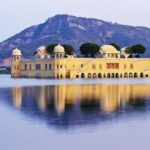
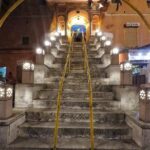

Pink City e-rickshaw ride: more lanes, less fatigue
Now comes the part people tend to love most for the effort-to-reward ratio: an e-rickshaw ride through the heritage city, taking you into the Pink City lanes.
The goal here is smart. You get time in the markets and colorful bazaars without having to walk every meter. From street level, you’ll notice how narrow lanes, storefront signs, and daily commerce make the city feel like a living place. You’ll also have an easier time spotting photo angles since you’re not constantly managing foot traffic on foot.
One practical tip: keep an eye on where the rickshaw stops so you don’t lose the group. Also, if you have motion sensitivity, short rides are usually fine, but it’s still a moving vehicle in a busy environment.
Albert Hall Museum: a photo stop with architecture payoff
You finish with a stop at the Albert Hall Museum. The tour description focuses on admiring its architecture from the outside, including the striking Indo-Saracenic design. Even without going inside, this is a strong end point because the building is so visually distinct that it feels like a “final frame” for the day.
If you’re doing this in the morning or evening, Albert Hall can also work as a calmer reset after the market energy. It’s short, but the photo potential is real.
Morning vs evening: choose your mood, not just your calendar
The tour is designed to run either in the morning or evening. The difference isn’t only lighting—it’s the city’s pace.
- Morning tour: starts with the flower market, then transitions into the landmark sequence (Hawa Mahal, Isarlat, gate stops). The earlier start often makes the landmarks feel sharper.
- Evening tour: you get that golden-hour feeling over Jaipur’s iconic landmarks, and you’re also better positioned for night-market vibes.
One review example that matters: Ali has been praised for handling an evening plan during Diwali, including getting people out to see bazaars at night when the timing was tight. That kind of flexibility is exactly why choosing the evening version can be a win if your itinerary is chaotic.
Food tastings: tea, coffee, sweet lassi, and snacks
The included food part is simple and useful: tea/coffee, sweet lassi, and snacks during the walk. This isn’t a full meal, so don’t plan to skip dinner afterward—but it does cover that mid-tour hunger dip.
What I like about tastings on walking tours is the way they ground the route. You’re not only looking at buildings; you’re experiencing what people drink while they work. If you’re sensitive to dairy or spice levels, ask your guide what’s in the snacks and lassi before you commit.
Also remember: meals aren’t included, so you’ll still need to plan food outside the tour.
Guides can make or break your walk
The feedback consistently points to guides who are attentive, friendly, and ready to explain what you’re seeing in plain language. Names that come up include Sayyed, Ali, and Nameera—and that’s a good sign because a good Old Jaipur walk depends on both storytelling and smart pacing.
There’s also evidence of small, thoughtful flexibility. One write-up notes that Sayyed offered an additional visit to Amber Fort beyond the advertised program, which is the kind of upgrade you only get when a guide is actively managing timing. Another mentions Nameera pairing the walk with a spice house stop and then moving on to lunch at a local restaurant. Again, none of that should be assumed for every booking, but it shows the team isn’t rigid.
If you’re someone who asks questions as you go, this is the kind of tour where those questions get answered.
Practical tips so you enjoy every minute
Here’s how to make this tour feel effortless instead of rushed:
- Wear comfortable walking shoes. You’re on foot for multiple stops.
- If stairs are an issue, note that Isarlat Tower involves climbing to the top.
- Bring a light layer if you’re doing the evening version; mornings and nights can feel cooler than you expect.
- Plan photos at Hawa Mahal first, then slow down for the gates and temples. The itinerary moves in segments.
- Budget for tips. They’re not included, but guides who work hard usually deserve it.
If you’re hoping to do this right when you arrive in town, don’t wait too long. This tour is commonly booked around 13 days in advance, so set it on your calendar early.
Should you book this Jaipur heritage walk with e-rickshaw?
Book it if you want:
- A high-value Old Jaipur overview in a short window
- The classic highlights—Hawa Mahal, Tripolia Gate, Govind Devji Temple
- Included time in the Pink City by e-rickshaw
- Food tastings without the hassle of planning them yourself
- Pickup and drop-off that reduces logistical stress
Skip it (or be cautious) if:
- You need lots of unscheduled time at each monument. This schedule keeps stops short.
- You strongly prefer museum interiors. The Albert Hall Museum part here is focused on the exterior.
- You dislike stair climbs, since Isarlat Tower includes a climb.
If your goal is to see the story of Jaipur quickly—landmarks, lanes, and daily-life texture—this tour is a solid, low-stress choice.
FAQ
How long is the Jaipur Heritage Walk with Rickshaw Ride?
It runs about 3 to 4 hours.
What is included in the tour price?
The tour includes an English-speaking guide, hotel pickup and drop-off, an e-rickshaw ride through the heritage city, and street food tastings (tea/coffee/sweet lassi with snacks).
Does the tour visit Hawa Mahal and other major landmarks?
Yes. The route includes Hawa Mahal, Isarlat Tower, Tripolia Gate, Jalebi Chowk, Govind Devji Temple, the Pink City area by e-rickshaw, and an Albert Hall Museum exterior stop.
Are entry tickets included?
For the listed stops, admission ticket is listed as free on the itinerary.
Is pickup available?
Yes. Hotel pickup and drop-off are offered.
Is it a private tour?
It’s listed as a private tour/activity, meaning only your group participates.