
REVIEW · JAIPUR
Magical Walk of Jaipur
Book on Viator →Operated by Contes Asia · Bookable on Viator
Jaipur clicks when you walk it. This small-group walking tour gives you a focused way to see the city’s big historic sights without wasting time in traffic or getting tangled in narrow lanes. I like that it’s built for people who actually want to move—about 3 hours on foot, starting right in the older part of town.
What I love most is the human side: the guide steers the story, not just the route. Names like Mudassir and Hasseb come up for a reason—their English is strong, they answer questions, and they explain topics such as religion, social traditions, and wedding customs in a way that makes Jaipur feel personal instead of distant. One possible drawback: monument entrances are not included, so plan for extra tickets if you want to go inside everything.
In This Review
- Key Highlights Worth Prioritizing
- Getting Oriented in Jaipur’s Old Center on Foot
- Hawa Mahal: The Famous Facade Explained From the Street
- City Palace: When Royal Architecture Meets Real-World Jaipur
- Jantar Mantar: Learning the City’s Science Without the Textbook
- Food Tastings and Street Culture: The Part That Makes Jaipur Taste Like It
- Why the Guide Really Matters in Jaipur (Mudassir and Hasseb)
- Price and Logistics: Does $10 Really Make Sense?
- Who This Walking Tour Is Best For
- Should You Book the Magical Walk of Jaipur?
- FAQ
- How long is the Jaipur walking tour?
- What is the tour price?
- Where do I meet the group?
- What time does the tour start?
- Is the ticket mobile or paper?
- Is the guide included in the price?
- Are monument entrance fees included?
- How large is the group?
- Can children join, and how is the child rate handled?
- What’s the cancellation policy?
- Do I need a minimum number of travelers?
Key Highlights Worth Prioritizing

- Small group, personal pacing: maximum 19 people, so you’re not a face in a crowd.
- Icon stops that matter: Hawa Mahal, City Palace, and Jantar Mantar are part of the experience.
- A guide who answers real questions: expect clear explanations and room for discussion.
- Mobile ticket convenience: easier day-of start than paper vouchers.
- Good value if you want orientation: the $10 price focuses on a guided introduction, not paid entries.
Getting Oriented in Jaipur’s Old Center on Foot
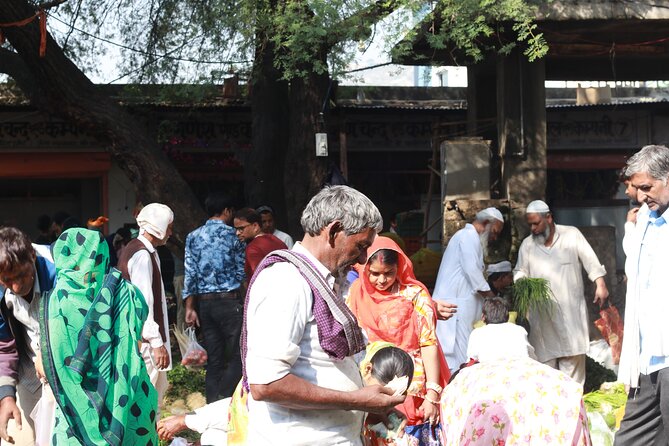
The tour is designed to help you understand Jaipur fast—by foot, with a guide who connects architecture and culture to everyday life. You start at 47, Choudhary house, Badi Chaupar, Jaipur, right at a central spot in the old city. That matters. If you’re staying outside the core, walking tours that start in a handy location save you time before you even begin seeing things.
The schedule starts at 9:00 am, and the walk runs about 3 hours. In the morning, you tend to get easier light for photos and less heat while you’re moving between viewpoints and landmarks. It’s also a smarter time if you want to keep your afternoon flexible for shopping, optional museum time, or just lingering in the bazaars.
This is a walking experience, so go into it with the right expectations. The point isn’t a bus ride with quick stops. It’s slower, more “street-level.” If you’re comfortable walking and want context for what you’re seeing, it’s a great fit. If you have limited mobility, you might find the pace and walking distances challenging—especially since entrances aren’t included, and you may need to choose what you’ll pay to see up close.
You can also read our reviews of more walking tours in Jaipur



Hawa Mahal: The Famous Facade Explained From the Street
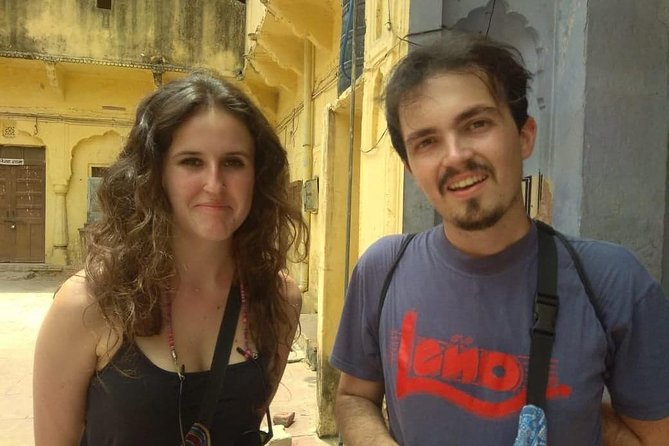
Hawa Mahal (Palace of the Winds) is one of those places you recognize immediately—even from far away. The big idea of this stop is to help you read what you’re looking at. Instead of treating it like a photo backdrop, you learn the logic behind the building’s design and how it connects to daily life around royal spaces.
From the street, you’ll see the honeycomb-like pattern of windows and the way the facade shapes light and shadow. A good guide helps you notice details you’d otherwise miss: how the structure repeats, how the building breathes visually, and why the design is so tied to its purpose. You’ll also get tips for watching for viewpoints where the facade looks especially dramatic.
Possible drawback here: the most famous sights can be crowded. Even on a guided walk, you may need a bit of patience for better viewing angles. If you’re the type who hates waiting for a clear photo, come with a flexible mindset and accept that you’ll work with what the moment allows.
City Palace: When Royal Architecture Meets Real-World Jaipur
City Palace is the other “you can’t skip this” stop, and the value of a guided walk is how it connects the palace to the city outside its walls. The palace complex isn’t just about grandeur; it’s about Jaipur’s power structure and how royal decisions shaped the look and flow of the surrounding area.
As you move around the area, you’ll be able to spot architectural cues that reflect the blend of styles associated with Jaipur’s royal era. The guide’s job is to translate that visual language into plain talk—what the features are doing and why they matter. That’s exactly the kind of context that turns a landmark into understanding.
One practical consideration: entrances to monuments are not included. That means you may see key sections from outside or from viewpoints depending on what you choose to add. If your priority is interior rooms and museum-style details, you’ll want to budget for entrance fees separately and decide in advance how much you want to pay for “inside time” during the 3-hour window.
Jantar Mantar: Learning the City’s Science Without the Textbook
Jantar Mantar is where Jaipur shows a different side of its identity: measurement, astronomy, and the practical thinking behind “showpiece” observatories. On a walking tour, this stop works well because you’re not stuck staring at plaques. You’re walking into an idea—then your guide helps you understand how the instruments fit together.
The experience here is less about memorizing facts and more about getting your eyes trained. A clear explanation helps you understand what each instrument is trying to measure and why it was built the way it was. When it clicks, Jantar Mantar stops feeling like a random collection of metal structures and starts feeling like a coherent system.
Time-wise, it can go two ways. If you’re the quick-looks type, you’ll still get the main points. If you like asking questions and comparing what you see to how people used to track time and sky movements, you may want extra time beyond what’s possible in a 3-hour route. The good news is that a small group makes it easier to ask follow-ups.
Food Tastings and Street Culture: The Part That Makes Jaipur Taste Like It
In the tour description, the experience is framed like a food-and-orientation walk, with the idea of free food to taste where you choose what you want to try. That’s a smart add-on for a first-time visit. Landmarks matter, but so does understanding the flavors and rhythms of the city—especially in places where people actually eat, chat, and shop.
You should treat this as a “try a few things” approach, not a full meal plan. Since you choose what to taste, you can lean spicy or mild based on your tolerance. If you’re sensitive to heat or have dietary limits, think ahead. The tour info doesn’t spell out ingredient guarantees, so it’s wise to ask your guide what’s in the items before you bite.
This is also one of the reasons walking tours work so well in India. The food story is tied to the street scene: vendor setups, traditional ingredients, and the logic behind what’s popular. A guide helps you connect it to culture instead of letting it become a random snack stop.






Why the Guide Really Matters in Jaipur (Mudassir and Hasseb)
The biggest differentiator here is the guide quality. In the experience, guides like Mudassir and Hasseb are highlighted for strong English and the ability to answer questions in a way that feels respectful and useful. That matters because Jaipur isn’t just scenic. It’s layered—religion, social customs, royal history, and architecture all overlap.
When a guide can explain things clearly, you start noticing patterns by yourself. You may catch how certain details hint at community life or how ceremonial practices show up in the city’s layout. You also get practical storylines, like how traditions relate to weddings and how religion shows up in public spaces.
A small-group format helps this happen. With fewer people, it’s easier for your guide to steer attention where it counts and for you to ask the questions you actually have. If you’re a traveler who likes to learn while walking—rather than just getting carried around—this tour’s structure fits.
Price and Logistics: Does $10 Really Make Sense?

At $10 per person, this tour is priced like an orientation walk with a guide, not like a full paid-entries circuit. That’s the value logic. You’re paying for context: help understanding what you see, and help getting to the right places without getting lost.
Here’s the trade-off: entrances to monuments are not included. So the total cost of your visit may go up if you want interior time at City Palace, Jantar Mantar, or other spots. Still, many travelers find this works well because you can decide on the spot—pay for what you care about most, skip what you don’t.
The tour also uses a mobile ticket, and the group meets near public transportation. That’s a practical win if your day includes other things like shopping and extra sightseeing. And with a cap of 19 travelers, you’re less likely to get stuck behind larger crowds at every stop.
Who This Walking Tour Is Best For

This is best for you if:
- You want a first-timer’s orientation to Jaipur’s core sights.
- You like history, culture, and architecture, and you want explanations tied to what you’re seeing.
- You enjoy walking and want to avoid the stress of figuring out routes in narrow areas.
- You’re traveling with the right mindset for a guided pace—short stops, viewpoints, and real discussion.
It may be less ideal if:
- You want a long, slow interior sightseeing day. The tour time is about 3 hours.
- You’re not comfortable walking and standing for short periods.
- You expect entrances to be included in the base price.
The tour’s tone is also a good match for people who like questions and conversation. The strongest feedback ties to guides who answered questions clearly and shared stories that go beyond the obvious sights.
Should You Book the Magical Walk of Jaipur?
I think you should book this walk if you want to understand Jaipur quickly, not just collect photos. The low price makes it an easy add-on on your itinerary, and the small group size keeps the experience from feeling like a checklist.
Choose it especially if you’re excited by the idea of learning why Hawa Mahal and Jantar Mantar look the way they do, and if you want City Palace explained with a human story behind the stones. Just go in knowing entrances cost extra, and plan your priorities: decide what you want to pay to see inside, and let the guide handle the “what am I looking at and why is it here” part.
FAQ
How long is the Jaipur walking tour?
It runs for about 3 hours (approx.).
What is the tour price?
The price is $10.00 per person.
Where do I meet the group?
The start meeting point is 47, Choudhary house, Badi Chaupar, Jaipur, Rajasthan 302002, India.
What time does the tour start?
The start time is 9:00 am.
Is the ticket mobile or paper?
You receive a mobile ticket.
Is the guide included in the price?
Yes, the guide is included.
Are monument entrance fees included?
No, entrances to the monuments are not included.
How large is the group?
The maximum group size is 19 travelers.
Can children join, and how is the child rate handled?
Children must be accompanied by an adult. A child rate applies only when sharing with 2 paying adults.
What’s the cancellation policy?
You can cancel for free up to 24 hours in advance for a full refund. If you cancel less than 24 hours before the start time, the amount paid is not refunded.
Do I need a minimum number of travelers?
Yes. If the minimum isn’t met, the experience may be canceled, and you’ll be offered a different date/experience or a full refund.