REVIEW · JAIPUR
Travel Through the Streets of Jaipur by Tuktuk with a Local
Book on Viator →Operated by Private Tours Of Jaipur · Bookable on Viator
Jaipur gets very real once you’re moving through the streets. This private tuk-tuk experience with a local focuses on the big-name sights (like Amber Fort and Jantar Mantar) plus the kinds of stops most visitors miss, including shopping for crafts and fabrics in the right style. I like the way it’s built around your pace and preferences, not a rigid script. One thing to keep in mind: monument entry fees aren’t included, so you’ll need to budget a bit extra once you’re there.
What I really like here is the combination of classic architecture and practical local guidance. You’ll get transport and hotel pickup/dropoff handled, plus bottled water, so you can spend less time organizing and more time looking around. And with guides such as Firoj or Mohammed, you tend to get clear explanations in solid English, along with friendly help for shopping decisions.
The main drawback is comfort planning. This tour can run on a non-AC tuk-tuk or a private car with AC (depending on what you choose), and Jaipur’s heat can be intense. If the weather turns poor, the experience may be canceled and you’ll need to pick another date or accept a full refund.
In This Review
- Key things to know before you ride
- Why a local tuk-tuk day works in Jaipur
- The route that ties together Amber Fort, Jantar Mantar, and the markets
- Amber Fort area: forts first, views second (and you’ll feel both)
- Hawa Mahal and City Palace zone: Jaipur’s skyline and power center
- Jantar Mantar Observatory: when math looks like architecture
- Optional add-ons: Monkey Temple and Albert Museum
- Shopping with a local guide: fabrics, jewelry, and camel-wool carpets
- Practical shopping tips that save money
- Transport and comfort: tuk-tuk vs private car (and why you should care)
- Time, pacing, and what the 1–8 hour flexibility means
- Price and value: what $16.85 per group really buys
- Tickets, entry fees, and how to avoid surprises
- Safety and trust: why the right driver changes the day
- Who this tour fits best
- Should you book this Jaipur tuk-tuk with a local?
- FAQ
- Do I get hotel pickup and drop-off?
- Is this a private tour?
- How many people can fit in the group?
- What transportation is used?
- Are monument entry fees included?
- Are snacks and lunch included?
- What happens if the weather is poor?
- Can I change or get a refund if I cancel for personal reasons?
Key things to know before you ride
- Private group up to 3 means you’re not squeezed into a large bus tour
- Hotel pickup/dropoff and bottled water remove the “where do we meet?” stress
- You’ll see a strong lineup: Amber Fort area, Hawa Mahal/City Palace zone, and Jantar Mantar
- The markets are theme-based, with options like fabric printing styles, jewelry, and camel-wool carpets
- Monument entry fees are separate, so plan cash or cards for tickets
Why a local tuk-tuk day works in Jaipur
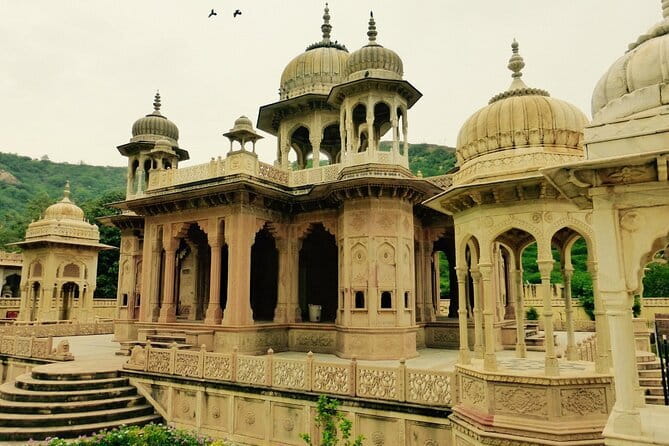
Jaipur is the kind of city where “good sightseeing” isn’t just about famous monuments. It’s also about streets: the turns, the traffic flow, the storefront chaos, and the way the city changes block by block. A tuk-tuk-style tour helps you keep that rhythm. You’re not waiting for big vehicles to line up, and you’re better positioned to stop when something catches your eye.
This tour is also designed for real-world pacing. The idea is simple: you ride, you get dropped near the right sights, and your guide can steer you toward what you care about most—history, photo stops, or shopping for specific crafts. Because it’s private, you can ask for quick detours without worrying about holding up strangers.
You can also read our reviews of more tours and experiences in Jaipur.



The route that ties together Amber Fort, Jantar Mantar, and the markets
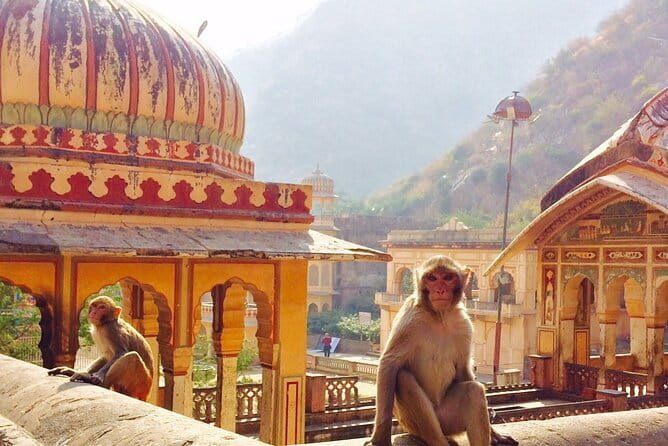
You’ll spend the day moving through Jaipur’s major sights, then shifting into markets that match your interests. The tour is flexible enough that your guide can prioritize based on your time and curiosity, but the core anchors are clear.
Amber Fort area: forts first, views second (and you’ll feel both)
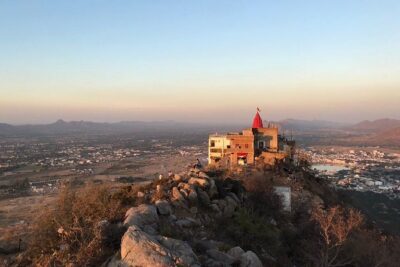
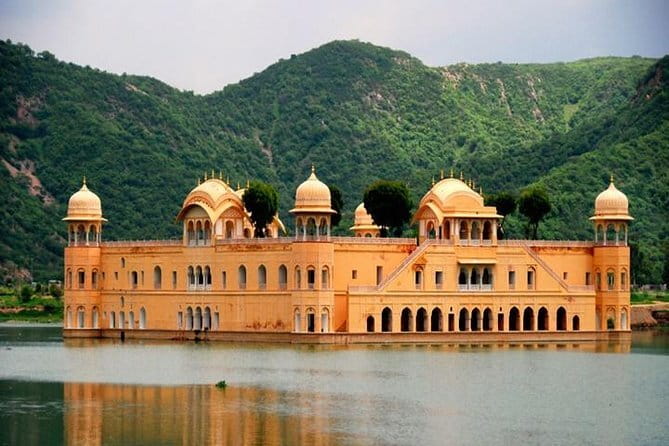
The day typically starts in the Jaipur District area around the big hitters: Amber Fort, the water palace, stepwell at Ramgarh, and the royal gateway elephant place (often the elephant-related viewing spots near the Amber complex). Amber Fort is one of those places where you instantly see why rulers invested here. Even if you focus more on photos than facts, the architecture makes the point.
What makes this section worthwhile is the sequencing. You don’t just jump from gate to gate. You also get close to the stepwell area, which adds a different kind of “what are we looking at?” moment. A stepwell isn’t only pretty—it’s practical engineering for water and shade. And since this tour blends fort stops with water-related structures, your brain stays engaged.
One practical consideration: Amber Fort and its surrounding sites can mean walking on uneven ground. Wear shoes you trust. If you’re sensitive to crowds or steep steps, tell your guide early so the route can be adjusted.
Hawa Mahal and City Palace zone: Jaipur’s skyline and power center
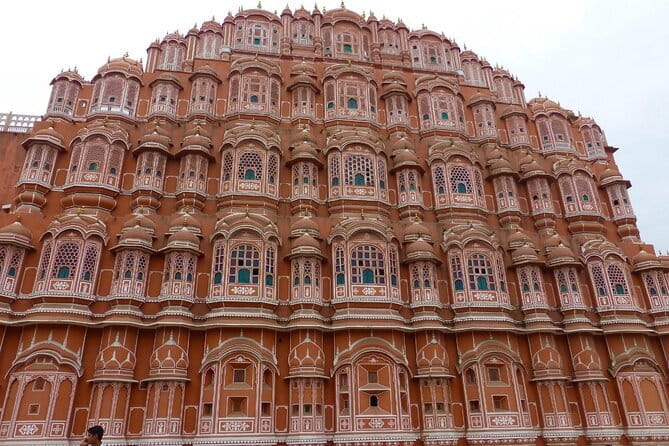
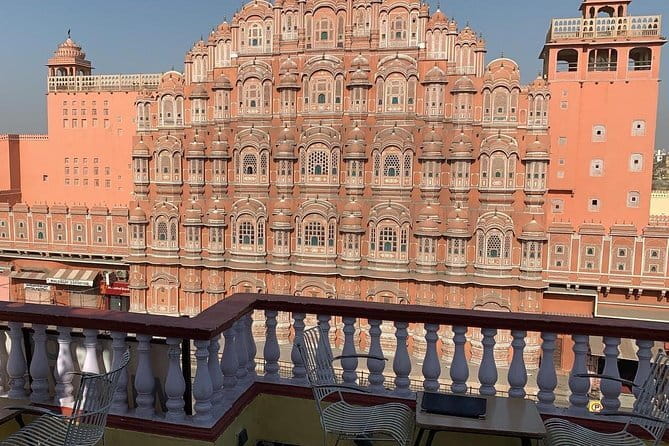
Next comes the iconic Hawa Mahal (the Palace of Winds) and then the nearby cluster around City Palace. Hawa Mahal is famous for its honeycomb-like facade—easy to spot from the outside, and fun to photograph from the right angles. It also gives you a sense of how Jaipur’s rulers used light, air, and visual impact to project status.
City Palace is the other side of that story: it feels more connected to how the city functioned, not just how it looked. In a single day, pairing Hawa Mahal with City Palace helps you avoid the most common Jaipur problem: seeing one dramatic postcard surface and missing the broader context.
Jantar Mantar Observatory: when math looks like architecture
Then you head toward Jantar Mantar, the observatory where stone instruments track the sky. This is a high-value stop if you enjoy understanding how a place works, not just what it looks like. Even if you don’t consider yourself a science person, your guide can point out what you’re actually looking at—so it stops being “big rocks in a square” and becomes a story of astronomy-by-design.
This stop is also a good break point. It’s easier to pace than a fort, and it’s a nice shift after hours of walking and stair angles.





Optional add-ons: Monkey Temple and Albert Museum
Depending on your route that day, you may also have time for Monkey Temple and the Albert Museum. These aren’t required, but they can add variety:
- Monkey Temple can add a more atmospheric, temple-focused change of pace.
- Albert Museum offers an indoor cultural break if you need to cool off.
Your guide can help you decide based on what you already love. If your priority is outdoor forts and views, you might skip the museum. If you want a calmer stop, the museum can be a relief.
Shopping with a local guide: fabrics, jewelry, and camel-wool carpets
One of the best reasons to pick this tour is the way it treats shopping as part of the experience, not an afterthought. Jaipur has a serious craft ecosystem, but it’s easy to get stuck in places that all feel the same. Here, shopping options are clearer and more specific.
You can focus on:
- Fabric printing styles, including hand block methods and factory printing
- Handmade jewelry
- Hand knotted camel wool carpets
What I like about this approach is that it gives you a “language” for the purchases. If you’re comparing carpets, for example, you’re not only comparing price—you can ask what’s truly different about the materials and making process. And with fabrics, knowing the difference between hand block and other methods helps you avoid paying for a look when you’re getting a shortcut.
Practical shopping tips that save money
- Ask questions before you ask for a price. It keeps the shopkeeper focused on your needs.
- If you’re shopping for textiles or rugs, don’t rush. Let your guide translate what the differences mean in real terms.
- If you see something you love, confirm what it is and what it’s made of before committing.
Your guide’s job here isn’t to force purchases—it’s to point you to places that match your interests and help you understand what you’re seeing.
Transport and comfort: tuk-tuk vs private car (and why you should care)
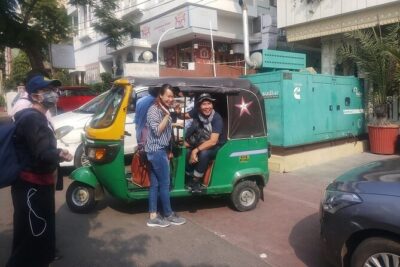
This experience can use the typical Indian tuk-tuk (non-AC) or a private car with AC, depending on your preference. That matters more than it sounds. Jaipur weather can go from pleasant to rough fast, and comfort impacts how much you actually enjoy the day.
If you’re traveling in warmer months or you’re sensitive to heat, choosing the AC option can help you stay fresh for the walking parts. If you’re more flexible and want that street-level feel, the tuk-tuk is part of the charm.
In any case, you’ll get hotel pickup and dropoff, plus private transportation and fuel/parking charges handled. That’s real value. It reduces the friction that often ruins days in busy cities.
Time, pacing, and what the 1–8 hour flexibility means

The duration is listed as about 1 to 8 hours, which is a big deal for Jaipur. You’re not stuck with one rigid format. If you only have a short window, you can focus on the key sights and a small market stop. If you have a full day, you can fit in multiple sites plus more shopping time.
The tour operates across the day (opening hours run 12:00 AM to 11:30 PM), so in practice you can often work it around your schedule. The one timing risk is weather: the experience requires good weather, and if it’s canceled due to poor conditions, you’ll be offered a different date or a full refund.
Price and value: what $16.85 per group really buys
The price is $16.85 per group (up to 3), which can be surprisingly fair when you compare it to the real costs of a private, guided city day.
Here’s what that money covers:
- Private transportation
- Hotel pickup/dropoff
- Bottled water
- All government taxes (GST)
- Fuel and parking charges
What it does not cover:
- Monument entry fees
- Snacks
- Lunch
So the value is in the “local day logistics.” Many tours advertise a guide, but you still end up paying for transport separately or dealing with meeting points. This one is structured so you don’t spend your day coordinating.
If you’re traveling as a group of up to three, you’re likely getting better per-person value than you would on a shared tour. The exact per-person cost depends on your group size, but the framework stays the same: you’re paying for private movement and a local guide, not just photos outside landmarks.
Tickets, entry fees, and how to avoid surprises
You’ll receive a mobile ticket, which keeps things simple once you arrive. The missing piece is that monument entry fees are separate, so you should assume you’ll pay additional costs at the sites you choose.
A smart move is to carry a little extra budget just in case your guide prioritizes more entry-based stops. And because this tour mixes forts, observatory areas, and palace zones, entry fees can add up faster than you expect if you only planned for one or two paid sites.
Safety and trust: why the right driver changes the day

Jaipur traffic can be intense, and the driving style affects your stress level. The guides and drivers associated with this tour are repeatedly praised for being friendly, patient, and safety-minded. People also describe them as adapting to real-time needs, which is exactly what you want in a city with quick changes.
English quality matters too. In multiple experiences, the guide’s clear English is highlighted as a reason the day feels smooth. When the guide can explain what you’re seeing—especially for complex stops like observatory instruments—you get more out of the time you pay for.
Who this tour fits best
This experience is a great match if you:
- Want private attention without paying for a full vehicle for only one person
- Care about both major sights and shopping for specific crafts
- Like having a guide who can recommend options without pushing you
It’s also a solid pick for families or groups of friends where everyone wants a say in where the day goes. Since it’s up to three people per group, it works well for small travel parties.
If you’re the kind of person who prefers to move completely independently with no shopping focus, you might find the market time less useful. But if you enjoy understanding what you’re buying—or at least seeing the craft world up close—this tour hits the sweet spot.
Should you book this Jaipur tuk-tuk with a local?
Book it if you want a day that feels guided but still flexible: forts and palaces, a standout observatory stop, plus market time where you can actually compare craft styles. The pricing works best for small groups, and the hotel pickup/dropoff plus transport included is the kind of convenience that saves energy.
Skip or think twice if you hate walking, don’t want any market stops at all, or you’re worried about added costs from separate entry fees. Also plan for heat and weather—this one depends on good conditions to run smoothly.
If you line up a few priorities (which monuments matter most, what kinds of crafts you want to see), this tour can turn Jaipur from a checklist into a real day on the street.
FAQ
Do I get hotel pickup and drop-off?
Yes. Hotel pickup/dropoff is included, and the tour ends back at the meeting point.
Is this a private tour?
Yes. It’s private, and only your group participates.
How many people can fit in the group?
The price is for a group of up to 3 people.
What transportation is used?
You can ride in a typical Indian tuk-tuk (non-AC) or a private car with AC, depending on what you choose.
Are monument entry fees included?
No. Monument entry fees are not included. You’ll pay separately at the sites.
Are snacks and lunch included?
No. Snacks and lunch are not included.
What happens if the weather is poor?
The experience requires good weather. If it’s canceled due to poor weather, you’ll be offered a different date or a full refund.
Can I change or get a refund if I cancel for personal reasons?
No. This experience is non-refundable and cannot be changed for any reason, so cancellations won’t be refunded.