REVIEW · JAIPUR
Guided Morning E-Rickshaw Ride with Food Tasting at Jaipur
Book on Viator →Operated by Seagull Jaunt · Bookable on Viator
Jaipur looks different when the day is young. This guided morning e-rickshaw ride mixes heritage sights with food tasting, so you see the Pink City and taste it too. You glide past iconic facades at a slow pace, then pause for markets, temple ritual, and hands-on artisan work.
I especially love two things: the slow, comfortable ride that keeps you close to the sights without doing a ton of walking, and the way the food stops are built around real local places that have been serving Jaipur staples for a long time. It’s not just random snacking. It feels like a guided route through how the city eats.
One thing to consider: this is an early start, and some entrances are not included (for example, Raj Mandir Cinema and Hawa Mahal). Plan on photo stops and street-level moments more than full museum-style time.
In This Review
- Key highlights you’ll actually feel on the ride
- A 3-hour Jaipur morning that’s part history, part breakfast plan
- Why sunrise on an e-rickshaw improves the Pink City
- Raj Mandir Cinema: a fancy landmark right at the start
- Ajmeri Gate: where the old city begins
- Ram Niwas Garden and the Albert Hall vibe
- Pink City and Chardiwari: the protective walls that frame the city
- Hawa Mahal photo point: 953 windows and a lot of craft
- Govind Devji Temple: aarti and laughing yoga in the garden
- Flower and vegetable markets: the sensory part you’ll remember
- Thatheron ka rasta: brass craft without machines, plus your hands-on moment
- Food tasting: classic Jaipur dishes, timed for a fresh appetite
- Price and value: $30.09 for a guided morning with more than sightseeing
- Who this fits best (and who might want something else)
- Should you book this guided morning e-rickshaw with food tasting?
- FAQ
- How long is the guided morning e-rickshaw ride with food tasting?
- How much does the tour cost?
- What is the meeting point for the tour?
- What is the group size limit?
- Is admission included for Raj Mandir Cinema and Hawa Mahal?
- Which parts of the route are free for admission?
- What do you do at Govind Devji Temple?
- Do you get to interact with artisans?
- What happens if the weather is poor?
- What is the cancellation policy?
- When will I receive confirmation after booking?
Key highlights you’ll actually feel on the ride
- Small group (up to 10 travelers) for a calmer pace and more attention
- Temple time at Govind Devji Temple, with an aarti and laughing yoga in the garden
- Ram Niwas Garden in the quiet morning, with traffic restrictions so roads feel open
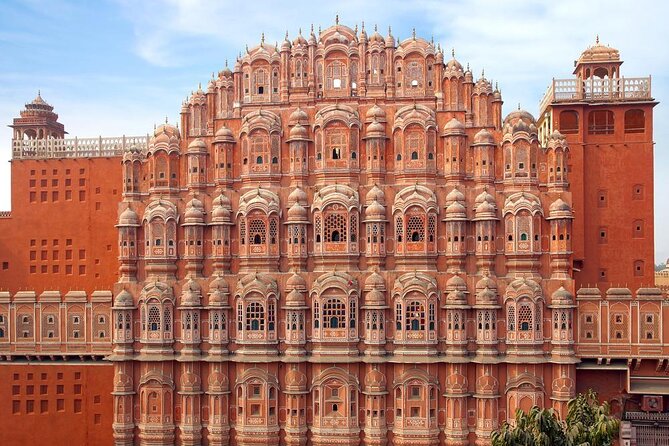
- Hawa Mahal photo point focused on the outside details (not a ticketed visit)
- Thatheron ka rasta brass utensil street, including a chance to try making a brass piece
- Food tastings tied to long-running local outlets, plus flower and vegetable markets with 100+ varieties
A 3-hour Jaipur morning that’s part history, part breakfast plan
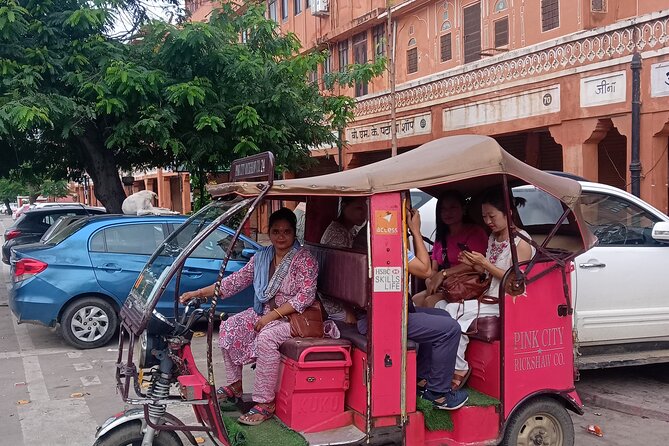
This tour works because it has a clear rhythm. You ride, you stop, you taste, and you move again before the day gets crowded. The e-rickshaw pace matters: it keeps the experience light on your feet, but still lets you look closely at street-level details that you would miss from inside a car.
The other big win is that your morning includes more than monuments. You get market texture (flowers, vegetables, everyday commerce), temple atmosphere, and artisan craft. That mix is why the time feels full without feeling rushed.
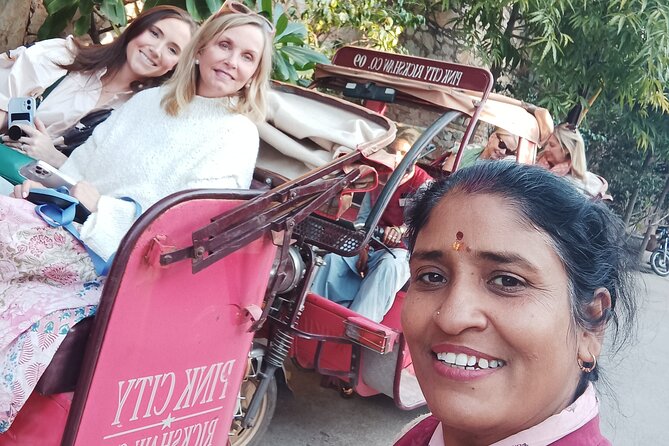
Also, the format is small. The group cap is 10 travelers, which makes it easier for the guide to steer you through tight lanes and keep everyone on schedule.
You can also read our reviews of more food & drink experiences in Jaipur



Why sunrise on an e-rickshaw improves the Pink City
Jaipur’s famous pink look is built for photos, but it’s really built for walking and lingering. The trick on this tour is that you get that street attention without the strain of long walks. The e-rickshaw carries you slowly enough that you can watch buildings, doorways, and wall textures as you pass.
And mornings in Jaipur have a different tone. One stop leans into that directly: in Ram Niwas Garden, traffic is not allowed during the morning hours, so you get to enjoy the roads in a quieter, more relaxed way. Even if you only spend part of your day there, it changes how the city feels.
Practical note: dress for early light. It can be cool at first, then warm quickly. I’d bring a light layer and plan to use sun protection once the sun climbs.
Raj Mandir Cinema: a fancy landmark right at the start
Your ride begins near Raj Mandir Cinema, known as the oldest movie theatre of Jaipur. Even if you’re not going inside, it’s a strong first visual choice: the hall is noted for opulent interiors, which gives you a sense of Jaipur’s love for dramatic design from minute one.
Expect this stop to be short. The key here is orientation. The cinema area helps you understand where you are in the city and what kind of architecture you’ll keep seeing along the route.
Also note: admission isn’t included for Raj Mandir Cinema. If you want more than the exterior/brief viewing, you’ll need to buy separately.
Ajmeri Gate: where the old city begins
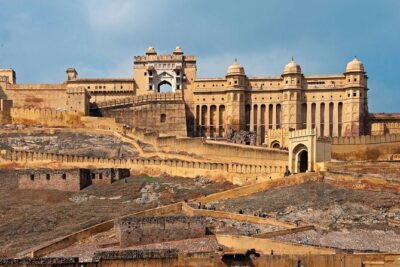
Next you head toward Ajmeri Gate, a major doorway where the walled city starts. It’s not just a name on a map. You’ll see the huge doorways meant to protect localities from foreign invaders in the era of Maharajas, and you’ll notice Jaipuri art on surrounding walls.
This stop is valuable because it shows you the logic of Jaipur’s layout: gates were not decorative. They were control points. Watching this by morning light helps, since details pop more when the street isn’t packed.
Good to know: entry is free at Ajmeri Gate, and the stop is brief, so treat it like a key checkpoint, not a long sightseeing block.
Ram Niwas Garden and the Albert Hall vibe
From Ajmeri Gate, the tour moves you toward a more open-feeling area: Ram Niwas Garden. Here you get morning views of the Albert Hall Museum from its position in the garden. The museum is described in an European architectural style, and it’s a striking contrast against Jaipur’s traditional motifs.
This is also one of the stops where the tour mechanics help you. Because traffic isn’t allowed in the morning, you can enjoy a more leisurely ride along garden roads. That reduces the stress of weaving through traffic and makes the whole morning feel calmer.
Admission note: Ram Niwas Garden viewing is part of the plan, but admission tickets aren’t included. You’re mostly there to see the scene and enjoy the garden atmosphere rather than do an inside ticketed visit.
You can also read our reviews of more tours and experiences in Jaipur






Pink City and Chardiwari: the protective walls that frame the city
When you reach the Pink City zone, you’re also looking at Chardiwari, described as outer walls built to protect the palace area. This matters more than you might think, because it changes what you look for as you move: instead of just noticing painted buildings, you start noticing boundaries, structure, and how the city was designed to hold power inside walls.
You’ll also cross through old market stretches during this part of the ride. It’s a good reminder that heritage in Jaipur isn’t trapped inside ticketed spaces. It’s built into where people shop and walk every day.
Admission note here is easy: entry is free for this stop.
Hawa Mahal photo point: 953 windows and a lot of craft
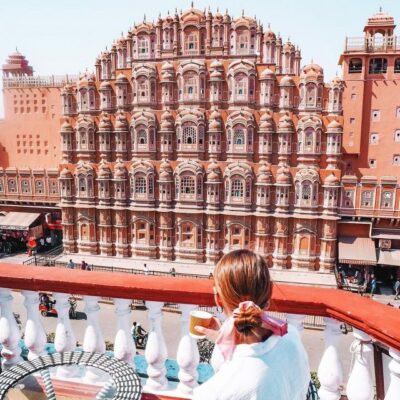
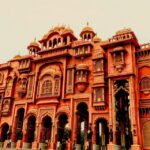
Then comes the stop people come to Jaipur for: Hawa Mahal, the Palace of Wind. You get a photo point, which is honestly the right way to do it on a morning e-rickshaw route. You’re there for the outside details and the story of the design.
What to listen for from your guide: Hawa Mahal was designed by Lal Chand Ustad, and its five-floor exterior resembles a honeycomb. The signature details are the 953 small windows, called jharokhas, with intricate latticework.
Here’s why this stop works on your schedule: you don’t get stuck in a long line or spend your whole morning inside a monument. You get a clean look, learn the main design idea, take photos, and move on.
Admission note: tickets aren’t included for this stop, so plan as a viewing/photo moment rather than a paid interior visit.
Govind Devji Temple: aarti and laughing yoga in the garden
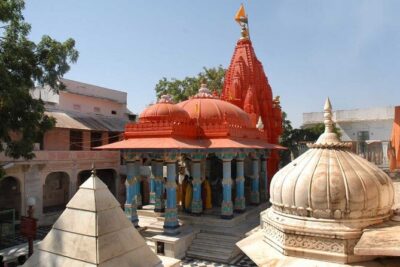
This is the spiritual centerpiece of the route. At Govind Devji Temple, you attend the aarti and also spend time in the temple garden for laughing yoga. That combo sounds playful, but it fits Jaipur. The morning here isn’t just formal. It’s lively, communal, and grounded in ritual.
The temple visit also gives you a far view of City Palace, the abode of the Maharaja’s family, from the temple area. That’s a smart setup: you see royal architecture from a working, devotional location, so it feels less like you’re looking at a closed museum and more like you’re watching the city connect past and present.
Admission is free for this stop. Depending on timing, you may find the atmosphere more or less intense, but the structure of the visit is part of the tour’s charm.
Flower and vegetable markets: the sensory part you’ll remember
After temple time, the route shifts into market mode: flower and vegetable markets with more than 100 varieties of flowers and vegetables. This is more than a quick photo stop. It gives your morning contrast: incense and song, then color and scent from the market stalls.
If you like food travel, this is where you get your bearings. You see what’s available locally, what’s being handled right there, and how visually important produce is in Jaipur’s daily life. It also makes the later food tastings feel more connected, because you understand what’s fresh and celebrated.
Also, the market stretch supports the tour’s pacing. It’s easy to stay engaged without needing to walk miles.
Thatheron ka rasta: brass craft without machines, plus your hands-on moment
Now for the crafts stop: Thatheron ka rasta, the brass utensil makers’ street. This is where the tour turns practical and a little challenging—in a good way.
You’ll see artisans making brass utensils without machines, in old style. And you won’t just watch from a distance. The experience includes a chance to try making one yourself (or at least participate in the process). That part is worth it because it gives you respect for what looks simple from far away.
Even if you don’t become a craftsperson in 20 minutes, you’ll leave with a clearer sense of labor, technique, and why these items last. It’s also an easy souvenir path, since the whole street is built around what they produce.
Admission note: this stop is free.
Food tasting: classic Jaipur dishes, timed for a fresh appetite
The “food tasting” portion is built into your morning at multiple points: street vendors and well-known food outlets that have been running for more than 100 years. The goal isn’t an all-you-can-eat binge. It’s tasting traditional dishes and snacks in the places where locals would actually go.
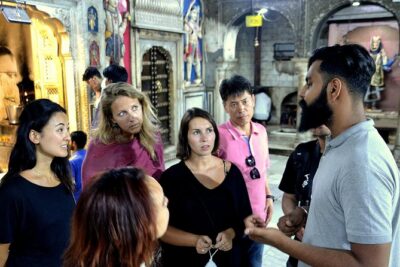
In the feedback, guides like Umesh and KumKum come up often for how they steer people through these tastings. The tone is helpful and energetic, and the stops feel organized rather than chaotic.
One small but meaningful touch: because this is a guided morning route, you’re less likely to end up at the most touristy option. You’re more likely to sit with a vendor long enough to understand what the dish is and why it’s served.
Practical tip: pace your bites. You’ll likely have several small tastings across the morning, so you want a comfortable stomach for the temple and market segments afterward.
Price and value: $30.09 for a guided morning with more than sightseeing
At about $30.09 per person for a 3-hour experience, this tour competes well with other Jaipur half-day plans. Here’s why: you’re not only paying for a guide and transportation. You’re paying for a planned mix of value-added moments—temple aarti, laughing yoga, market access, and artisan interaction—plus food tastings.
Also, several stops are free on admission (Ajmeri Gate, Pink City/Chardiwari zone, Govind Devji Temple area, Thatheron ka rasta). The ones marked as not included (Raj Mandir Cinema and Hawa Mahal) are mainly viewing/photo moments within the time window. In other words, your money buys a structured route where you aren’t constantly paying extra just to keep seeing things.
The small group size (max 10) is another value signal. You’re less likely to feel like you’re just being herded.
Who this fits best (and who might want something else)
This is a great match if you want:
- a morning start to beat crowds
- a low-stress way to cover key sights without long walking segments
- a food-forward itinerary with real markets and craft stops
- a guide who keeps the energy up and the stops meaningful
It also works well for older travelers and people with mobility limits. In the experience feedback, the ride has been especially appreciated by people around their late 70s and even with back injuries, because the e-rickshaw makes it possible to take in more of Jaipur with less strain.
You might consider a different type of tour if you want lots of time inside major attractions, because this format leans toward exterior viewing and guided stopping rather than long museum hours.
Should you book this guided morning e-rickshaw with food tasting?
I’d book it if you want a morning that feels like Jaipur, not a checklist. The best part is how the pieces connect: walls and gates, then garden quiet, then a temple ritual, then markets, then artisans, then food built around long-running local outlets. That chain makes the whole 3 hours feel purposeful.
I’d think twice only if you strongly prefer paying for interior entries at major sites. Some of the big-name places here are photo/view stops rather than ticketed visits, so your experience will be shaped by what’s included and what isn’t.
If you’re deciding in one sentence: this is the kind of tour that helps you get oriented fast, then rewards you with tastings and craft you can talk about later.
FAQ
How long is the guided morning e-rickshaw ride with food tasting?
It’s about 3 hours.
How much does the tour cost?
The price is listed as $30.09 per person.
What is the meeting point for the tour?
The tour starts at Raj Mandir Cinema, C-16, Bhagwan Das Rd, Panch Batti, C Scheme, Ashok Nagar, Jaipur, Rajasthan 302001, India.
What is the group size limit?
The tour has a maximum of 10 travelers.
Is admission included for Raj Mandir Cinema and Hawa Mahal?
No. Admission tickets for Raj Mandir Cinema and Hawa Mahal are not included.
Which parts of the route are free for admission?
Ajmeri Gate, the Pink City/Chardiwari area, Govind Devji Temple, and Thatheron ka rasta are listed as admission ticket free.
What do you do at Govind Devji Temple?
You attend the Govind Dev Ji aarti and also do laughing yoga in the temple garden.
Do you get to interact with artisans?
Yes. At Thatheron ka rasta, you’ll see brass utensil makers at work and you can try making one yourself.
What happens if the weather is poor?
This experience requires good weather. If it’s canceled due to poor weather, you’ll be offered a different date or a full refund.
What is the cancellation policy?
You can cancel for a full refund up to 24 hours in advance. If you cancel less than 24 hours before the experience starts, the amount paid will not be refunded.
When will I receive confirmation after booking?
You receive confirmation at the time of booking unless you book within 2 days of travel, in which case confirmation is received within 48 hours subject to availability.