REVIEW · JAIPUR
Food Tour and Eat like Locals
Book on Viator →Operated by Nomadic Tours India · Bookable on Viator
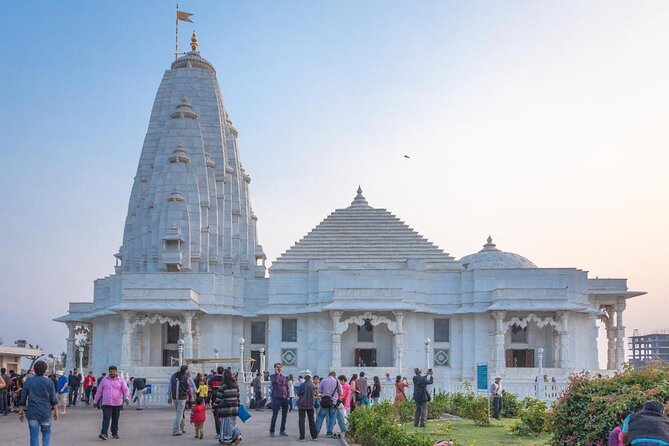
Street food tours can feel hit-or-miss. This one feels like a proper food plan with a local guide steering you to places that are set up for tastings, not just photos. I like that the tour is all about eating (monuments only get a quick nod, like Birla Mandir if you pass by), and that the pacing is built around trying a lot in just 2.5 hours.
What I really love: you get 12+ dishes across 8 food stops, plus free bottled water, so you’re not scrambling for dinner afterward. And guides like Diksha show up with energy and real street-food know-how, including how to eat and what to look for in each dish. One drawback to plan for: there’s no private transport included, so you’ll want to be comfortable getting yourself to the start point near Panchwati Circle and then moving with the group.
In This Review
- Key Takeaways Before You Go
- A Jaipur Street Food Tour Built for Hungry People
- Price and Value: Why $20 Can Feel Like a Steal
- Meet at Panchwati Circle, Finish at Hanuman Dhaba
- What 2 Hours 30 Minutes Feels Like with 8 Stops
- How the Guide Turns Street Food Into Something You Can Order Again
- Hygiene, Safety, and the Hand-Sanitizer Habit
- The Birla Mandir Mention: A Quick Detour, Not the Point
- Practical Tips to Get the Most Out of It
- Who This Jaipur Street Food Tour Is Best For
- Should You Book This Jaipur Food Tour?
- FAQ
- How long is the Jaipur food tour?
- How much does the tour cost?
- What does the tour include?
- Is dinner included?
- What is not included?
- How many people are in the group?
- Where do we meet and where does the tour end?
- Will we see any monuments during the tour?
- What if the weather is bad?
Key Takeaways Before You Go
- 12+ tastings across 8 stops so you leave full, not just “sampling.”
- Bottled water included to keep you comfortable through multiple bites.
- Max 10 people for quicker questions and more personal guidance.
- Local-guide teaching, including how dishes are made and how to eat street food like a local.
- Ends at a popular neighborhood restaurant (Hanuman Dhaba), so you’ve got a natural final stop.
A Jaipur Street Food Tour Built for Hungry People
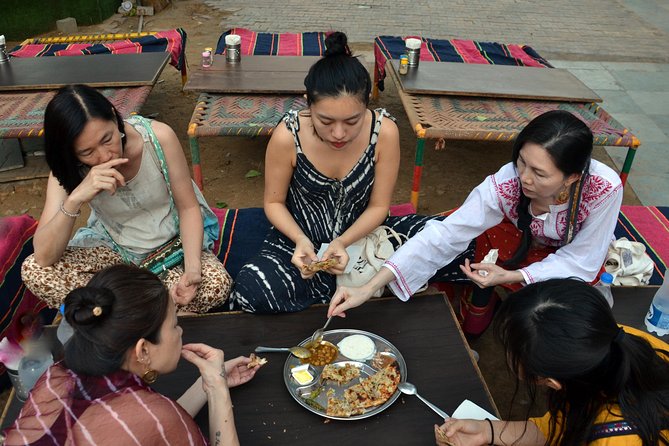
If you’ve ever landed in Jaipur thinking you’ll “just find something to eat,” you’ll understand why this works. Food on a busy Indian street can be amazing and confusing at the same time. This tour solves the confusion part.
I like that the focus stays where it should: food. The format is simple. You follow a local guide to trusted spots, you taste, you learn, and you move on before you get bored. It’s also not a sightseeing slog. One monument is worked in only because it’s practically close—Birla Mandir is the one you might spot as you’re moving through.
The best part is how the experience is designed for real appetites. You’re not getting a couple of “starter” samples. You’re getting a meal. One standout theme across the guide-led experiences is that you’ll likely feel stuffed by the end—enough that you can skip dinner and maybe even breakfast the next morning.
You can also read our reviews of more food & drink experiences in Jaipur



Price and Value: Why $20 Can Feel Like a Steal
At $20 per person, the math is surprisingly good for what you get. You’re paying for a local guide plus a structured sequence of food stops. Most people don’t waste money by accident on food tours; they waste money on tours that only show you one or two places.
Here, the value is the volume and variety:
- All food tastings included
- Snacks included
- Bottled water included
- About 12+ dishes across 8 stops
Multiple recent groups mentioned a mix of savory bites (often around 7 samples) and 3–4 sweets. That means you’re covering multiple flavor lanes in one go: crunchy, fried, hot, savory sauces, and then the sweet finish.
You also get the kind of value that’s hard to price: guidance. A good guide doesn’t just say what you’re eating; they explain what makes it Jaipur-level and street-true. The food becomes easier to order on your own next time because you’ve learned the logic.
Meet at Panchwati Circle, Finish at Hanuman Dhaba
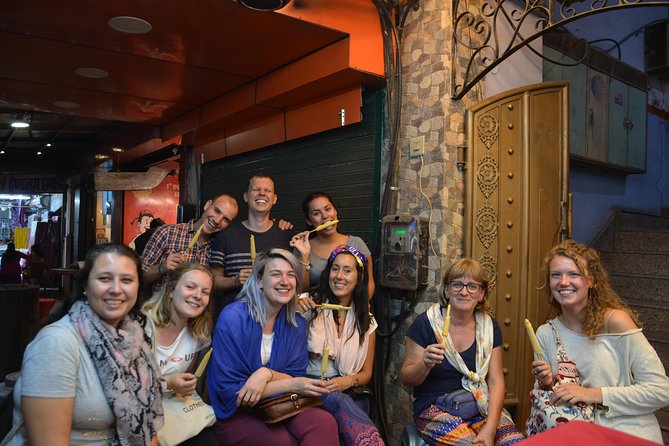
This tour starts at Panchwati Circle (Raja Park) and finishes at Hanuman Dhaba nearby in Raja Park.
Why that matters for you:
- Starting at a clear landmark makes it easier to show up on time without playing guessing games.
- Ending at a well-known local restaurant gives you a natural landing spot. You’re not wandering off in different directions when your stomach finally gives up.
Hanuman Dhaba is listed as open during broad windows (and the posted hours include daytime and evening service). That’s useful because a food tour day can stretch longer than you expect when everyone keeps asking questions.
Also, this is a small group experience with a maximum of 10 travelers, so the route and pace are usually easier to follow than big-bus tours. You can ask, point, and react without feeling like you’re in a cattle line.
What 2 Hours 30 Minutes Feels Like with 8 Stops
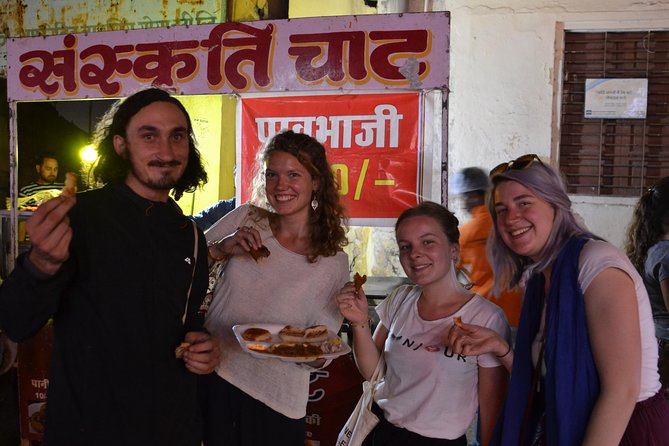
On paper, 2 hours 30 minutes sounds quick. On the street, it feels like just the right amount of time to try a lot without getting fried out—literally and emotionally.
A typical flow goes like this:
- You hit one spot and get a first savory bite.
- You move to the next stop while you still want the next thing.
- You continue through a mix of street stalls and local eateries.
- You finish with sweets so your last taste doesn’t feel like a punishment.
Most groups reported something like 8 different food stops and 12+ dishes, with a mix of savory and sweet. In several examples, the favorites included items like:
- Aloo tikki (potato-based street snack)
- Potato fritters
- Momos
- An Indian-style nachos concept
You shouldn’t treat that list as guaranteed. But it tells you the tour isn’t stuck in one lane. You’ll taste crunchy street snacks, filled and steamed options, and fried comfort food—plus dessert.
Practical reality check: go hungry. Not “I could eat.” Hungry. People repeatedly mention coming away with enough food that you’re done for the day. That’s not a marketing trick; it’s the structure.
How the Guide Turns Street Food Into Something You Can Order Again
The biggest quality signal here is the guides. Several experiences highlighted guides named Diksha, Lucky, Harshit, Akbar, and others. The consistent thread isn’t just friendliness. It’s competence and explanation.
Here’s what you should expect from a strong guide on this kind of tour:
- They take you to places they trust—hygienic and well-maintained spots were specifically called out.
- They explain each dish in plain language: what it is, how it’s made, and what to notice when you take a bite.
- They teach small eating habits. This is huge. Street food has a rhythm—right bite size, how to mix chutneys, how to manage spice, and how to taste without getting overwhelmed.
One group experience also mentioned a guide who was studying culinary skills and shared the story behind each food—where it comes from, key ingredients, and cultural meaning. Even when you don’t remember every detail, that kind of explanation changes how you experience the food.
So when you finish the tour and want to come back to a flavor you liked, you’re not guessing. You know what to ask for and how to describe it.
You can also read our reviews of more tours and experiences in Jaipur






Hygiene, Safety, and the Hand-Sanitizer Habit
Street food can trigger two fears: stomach trouble and getting the wrong thing. This tour is built around trusted spots that are described as hygienic and well-maintained, which goes a long way.
Still, use your own common sense:
- Keep a small hand-sanitizer in your day bag. Even people who feel confident often carry it because it’s practical in busy eating areas.
- Take your time. Don’t rush bites. If something looks too fast-food for your taste, pause and ask.
- If you’re sensitive to spice, tell your guide early so they can steer your portions.
Also, the tour includes free bottled water, so you’re not rationing drinks while you’re tasting. That helps your body stay steady, especially when you’re mixing fried snacks with spicy chutneys.
The Birla Mandir Mention: A Quick Detour, Not the Point
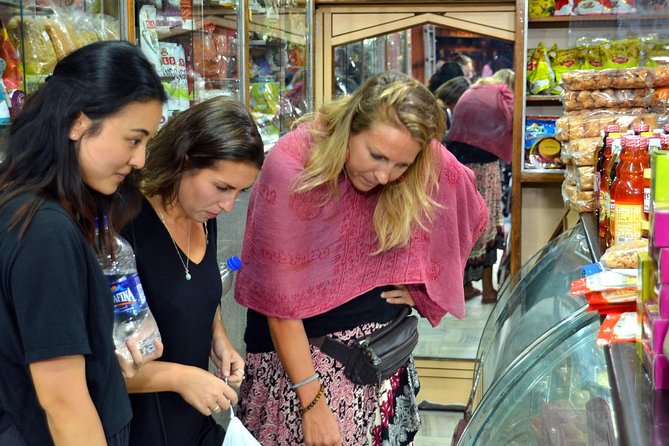
The tour isn’t designed as a monument route. You’re not signing up for a palace-and-temple day.
But you might see Birla Mandir because it’s close to where you pass during the tour setup. Think of it as a small “oh right, we’re in Jaipur” moment, not a centerpiece.
If you want architecture and long temple visits, plan those separately. This is strictly about food energy and local neighborhood eating.
Practical Tips to Get the Most Out of It
Here’s how to make this tour smoother on your end:
- Arrive ready to eat. The tastings are heavy enough that you’ll likely skip dinner and maybe breakfast afterward.
- Come with questions. Small group size means you can ask about ingredients, spices, or what dish you should order again later.
- Wear comfortable shoes. You’ll be moving between food stops for a couple hours.
- Be ready for Indian street style spice. If spice is your limit, you’ll get better results by telling your guide rather than trying to fight your own mouth.
- Use the mobile ticket you’re given. It’s listed as a feature, and having it ready speeds check-in.
And one small mental trick: treat the tour like a tasting menu, not like a snack run. You’re sampling, yes, but you’re also stacking enough bites to end up full.
Who This Jaipur Street Food Tour Is Best For
This is a strong fit if you:
- Want street food but don’t want to figure out where to go on your own
- Like learning while you eat (how dishes are made, what to notice, how to eat like locals)
- Prefer small groups over big crowds
- Plan to spend your evening (or half-day) focusing on food culture rather than landmarks
It’s also a good choice for first-timers who want to see the “real Jaipur” side without committing to a full day of hunting down stalls.
If you’re the type who only wants one or two signature foods and hates crowds, this might feel like too much. But if you love variety and want a guided sampler, it’s built for you.
Should You Book This Jaipur Food Tour?
If your goal is to eat like locals in Jaipur, I’d book it. The big reason is simple: you’re not paying for narration—you’re paying for a full guided meal of tastings.
Do it especially if:
- You want 12+ dishes across 8 stops
- You care about hygiene and trust
- You like guides who explain and help you eat street food the right way
Skip it (or at least think twice) if:
- You hate being on your feet between stops for 2.5 hours
- You don’t like trying lots of different dishes
- You’re not comfortable handling your own route to the start point since private transport isn’t included
Bottom line: for $20, this is a high-impact, low-drama way to experience Jaipur through food, led by guides like Diksha who clearly treat street food as craft, not chaos.
FAQ
How long is the Jaipur food tour?
The tour lasts about 2 hours 30 minutes.
How much does the tour cost?
It costs $20.00 per person.
What does the tour include?
Food tastings are included, with an estimated 12+ dishes across about 8 food stops, plus snacks and free bottled water.
Is dinner included?
Yes. The food is described as enough that you probably won’t need dinner, and may even skip breakfast the next morning.
What is not included?
Private transportation is not included.
How many people are in the group?
The maximum group size is 10 travelers.
Where do we meet and where does the tour end?
The tour starts at Panchwati Circle and ends at Hanuman Dhaba.
Will we see any monuments during the tour?
Yes, a monument visit is kept minimal. Birla Mandir is mentioned as the closest one you might see on the way.
What if the weather is bad?
The experience requires good weather. If it’s canceled due to poor weather, you’ll be offered a different date or a full refund.