REVIEW · JAIPUR
Jaipur Tuk-Tuk Tour with Flower Market Visit
Book on Viator →Operated by Jaipur Taxi Cab · Bookable on Viator
A tuk-tuk morning in Jaipur is pure momentum. This half-day-and-a-bit plan strings together the city’s big sights with a great start at the Badi Chopad flower market, then rides you between stops without the usual hassle of haggling or transfers. I especially like the private tuk-tuk setup with a driver who acts as a friendly storyteller, sharing context that makes the landmarks click fast.
My other favorite part is how the route balances famous icons with quieter, memorable stops like the stepwell at Panna Meena ka Kund and the royal cremation grounds at Gaitore. One consideration: several major monuments charge separate entrance fees and the day runs about 8 hours, so you’ll want to budget time and plan for heat and walking.
In This Review
- Key points to know before you go
- Jaipur by tuk-tuk: why this route feels efficient
- Badi Chopad flower market: the morning you’ll remember
- Hawa Mahal and City Palace: the classic landmarks in good order
- Jantar Mantar and Gaitore: science meets royal memorials
- Jal Mahal: a quick stop that still delivers
- Amer (Amber Fort) plus Panna Meena ka Kund: the payoff duo
- Price and value: what $6 buys you in real terms
- What the 8-hour plan feels like day-of
- Tips to get more from each stop (without overthinking it)
- Should you book this Jaipur Tuk-Tuk and Flower Market tour?
- FAQ
- FAQ
- How long is the Jaipur Tuk-Tuk Tour with Flower Market Visit?
- Does the tour include hotel pickup and drop-off?
- Is the Flower Market visit included, and do you pay an admission ticket?
- Which attractions have entrance tickets not included?
- Are meals included in the tour price?
- What’s included besides the tuk-tuk ride?
- Is this a private tour or a shared group tour?
- What happens if the weather isn’t good?
Key points to know before you go

- Badi Chopad flower market first: a colorful, fragrant start that sets the tone before you hit the monuments
- Private tuk-tuk with a storyteller driver: easier navigation and more helpful talk along the way
- Major sights, timed well: you’ll get set amounts of time at each stop instead of rushing everything
- Some entrances are free, some are not: you’ll save money at certain stops but still pay for others
- Amber/ Amer + Panna Meena ka Kund: two of the most photogenic and atmospheric parts land near each other
Jaipur by tuk-tuk: why this route feels efficient
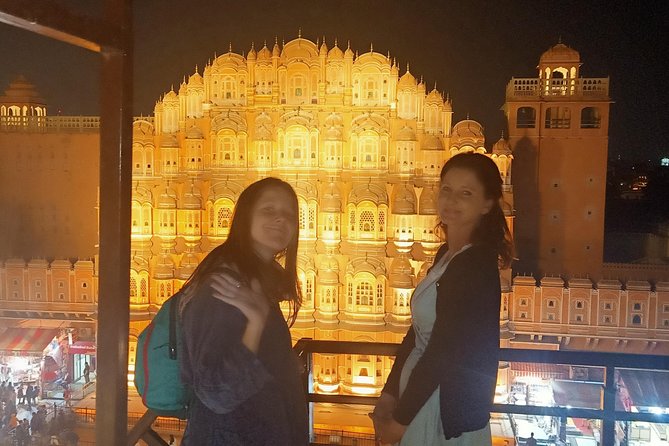
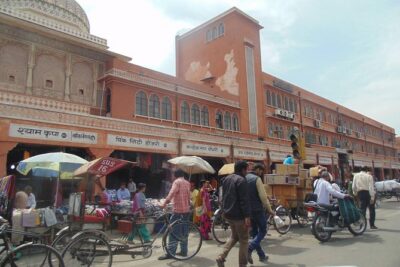
Jaipur’s “Pink City” can be fast-moving and a little chaotic if you try to self-navigate everything. A tuk-tuk tour like this is a practical answer: you get a private vehicle for your group and you spend less energy figuring out routes, parking, and where to drop off. That matters most in places where streets get crowded or you’re hopping between areas that feel like different cities.
I also like the pacing. You’re not doing a wild all-day sprint where every stop is 10 minutes. Instead, the schedule gives you a sensible chunk of time at the big-ticket sights, plus shorter stops where you mostly want photos, quick orientation, and an easy stroll.
The final efficiency win is included logistics. Pickup and drop-off are handled from your hotel, airport, railway station, or bus station, and you’re supplied bottled water during the tour. That means your day starts moving even if you’re coming straight from travel.
You can also read our reviews of more tours and experiences in Jaipur



Badi Chopad flower market: the morning you’ll remember
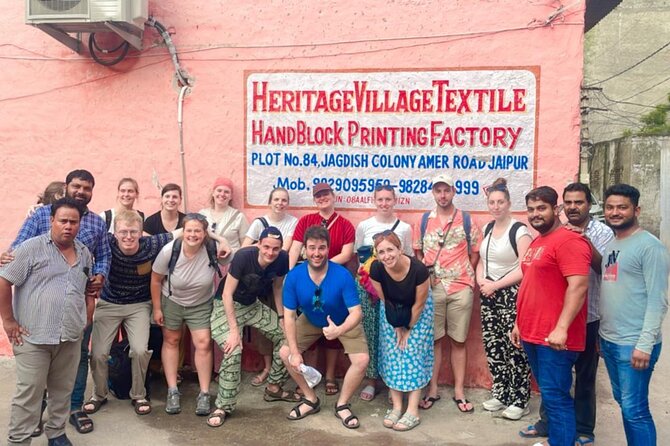
The day starts with a visit to Jaipur’s flower market at Badi Chopad. Expect an early morning scene where vendors lay out fresh garlands and blooms—marigolds, roses, and jasmine—so the air and color palette hit you right away. It’s one of those places where you can learn more by looking than by listening.
You’ll get about 30 minutes here, and that’s the sweet spot. Long enough to see how people shop, how flowers are arranged, and what stands are doing business-wise. Short enough that you’re not stuck indoors or overheating before the rest of your tour even begins.
Practical tip: go with an open camera mindset. The flower market is naturally photogenic, but also busy. Keep your space, move slowly, and be ready for close-up details like garland textures and bundles.
Hawa Mahal and City Palace: the classic landmarks in good order
Next up is Hawa Mahal, the Palace of Breeze. You’ll spend about 45 minutes, and the main idea is to climb up the palace floors for city views. Even if you only have one or two viewpoints, the layout helps you understand why this building is so famous: it’s designed for looking out, and you can feel that once you’re higher up.
Entry tickets are not included for Hawa Mahal, so you’ll want to plan for that cost on your budget. Also, this is the sort of place where your time can disappear if you linger at every angle. My advice: pick 2–3 viewpoints you care about most, then enjoy the rest at a calmer pace.
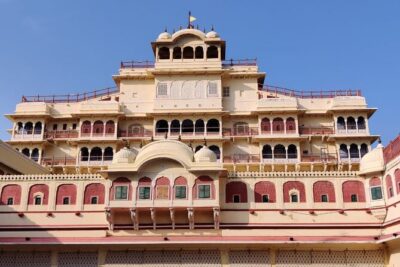
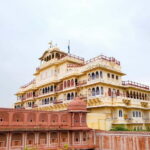
Then comes the heart of the Pink City: City Palace. You’ll have about 2 hours. This one is worth the time because it’s not just a photo-stop. It holds cultural artifacts and the associated history, and it lets you wander through different parts of the complex. The durbar area is one of those spaces that feels like it’s made for “take a breath” moments.
Again, entrance tickets are not included here. Budget-wise, City Palace can be one of the bigger ticket costs of the day, but it’s also one of the places where the extra entry price usually makes sense because you’re inside a major royal complex, not just looking from the street.
Jantar Mantar and Gaitore: science meets royal memorials
After City Palace, the tour shifts into something more distinctive: Jantar Mantar (Jantar Mantar, Jaipur). At first glance, it can seem like abstract stone shapes. That’s exactly why it’s interesting—this isn’t an art gallery; it’s a specialized set of astronomical instruments.
You’ll get about 45 minutes. Don’t expect to “finish” it like a museum. Instead, focus on understanding what you’re looking at. If your driver shares context, lean into it. The best part of Jantar Mantar is when the shapes stop looking random and start looking purposeful.
Entry tickets are not included for Jantar Mantar, so plan for that extra cost.
Then the schedule includes Royal Gaitor Tumbas (Gaitore). This is a royal cremation ground for Kachhwaha Rajput kings and family members, and it brings a different emotional tone than the palaces and forts. The architecture is the star here, and you can feel why it’s a respected destination for visitors who want something beyond the headline sights.
You’ll also have about 45 minutes at Gaitore, and as with the other major monuments, entrance tickets are not included.
Jal Mahal: a quick stop that still delivers
The next stop is Jal Mahal, the “water palace.” The tour keeps this one short—around 15 minutes—but it works because of the way you see it. You can spot the mahal on the water from the road, so you’re not waiting for a long walk just to get your first look.
Jal Mahal entry is free on this itinerary, which is a nice bonus. And since it’s a short stop, it’s also a good time to reset: grab a few photos, check angles, and then get moving before the day gets too hot.
This is one of those places where people sometimes lose time trying to get pulled into side chatter. You don’t need that. If you want the view, keep it simple: walk, photograph, and move on when your 15 minutes are up.





Amer (Amber Fort) plus Panna Meena ka Kund: the payoff duo
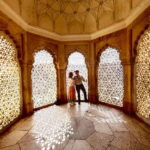
Now you reach the biggest chunk of “wow” time: Amer (Amber Fort). Amer is about 11 km from Jaipur, and you’ll have around 2 hours here. The fort is a 16th-century Rajputana hilltop fortress, known for Rajput architecture and intricate carvings.
A major highlight is Sheesh Mahal, the hall known for mirror-work. Even if you’re not a “detail person,” this is one of those spaces where the visual effect hits quickly. Amer rewards you for slowing down a bit, because the carvings and design aren’t meant to be consumed at speed.
Amer entrance is listed as free on this tour, which is a big value point. If you’re coming with a limited budget, this is one of the reasons this tour can feel like a bargain compared to tours that stack every paid attraction.
Then, in Amer town, the tour moves to Panna Meena ka Kund (Panna Meena Stepwell), an 8th-century stepwell. You’ll get about 30 minutes. This is the kind of place that feels special even if you don’t know its dates and details. The staircases create symmetry, and the design is visually memorable.
The stepwell’s purpose was water storage and social gathering, and that shows in how the space works: it’s built for people to occupy, not just pass through. If you like quieter, slower moments after a fort visit, this stop does a great job of balancing your day.
Panna Meena ka Kund entrance is free here too. So while you might pay for some of the “big name” monuments earlier, you also get free architectural payoff late in the itinerary.
Price and value: what $6 buys you in real terms
At $6 per person for about 8 hours, the value is strongest when you think about what’s actually included:
- Private tuk-tuk transport
- Bottled water
- Fuel charge, parking, and other taxes
- Pickup and drop-off from your hotel or transit point
- Guided storytelling through the day and coverage of the main sightseeing stops
That’s a lot of cost that’s usually separated into smaller charges when you book everything individually.
The trade-off is that monument entrance tickets are not included. So your final total depends on what you choose to pay for at Hawa Mahal, City Palace, Jantar Mantar, and Royal Gaitor Tumbas (since those are listed as not included). The good news: several stops are free here—Flower market, Jal Mahal, Amer, and Panna Meena ka Kund—so not every single part of the day is a ticket expense.
My practical take: this tour is a strong deal if you’re comfortable paying a few entrance fees in exchange for smooth transport and good use of time. If you hate paying tickets separately, you might prefer a tour that bundles entrances (but those typically cost more).
Also note: meals are not included. You’ll want to plan a light snack strategy so you’re not hungry while you’re walking.
What the 8-hour plan feels like day-of

The schedule is a series of “short enough” and “long enough” blocks:
- 30 minutes at the flower market to get your senses going
- 45 minutes each at Hawa Mahal and Jantar Mantar
- 2 hours for City Palace
- 45 minutes at Royal Gaitore
- 15 minutes at Jal Mahal
- 2 hours for Amer
- 30 minutes for Panna Meena ka Kund
That’s the structure that makes it workable. You’re not spending all day in lines without realizing it. Still, you’ll be walking and climbing in a few places, and Jaipur’s weather can change the experience quickly.
A small but useful detail: bottled water is included. Bring a hat or sunscreen anyway, especially if you’re traveling in hotter months or outside the comfort zone of your own body.
Tips to get more from each stop (without overthinking it)
Here’s how to make this route feel smoother:
- At City Palace and Amer, give yourself permission to wander slowly for 10–15 minutes, then come back to the “must-see” spots.
- For Jantar Mantar, look for the idea behind the shapes. If your driver explains it, let that be your mental framework; it turns random stones into a system.
- At Jal Mahal, keep your expectations aligned with the short time: you’re getting the view and photos, not a full deep visit.
- Wear shoes that handle stairs. You’ll be climbing at Hawa Mahal and navigating in places with steps at Amer/stepwell areas.
- Bring cash or a backup payment method for entrance fees that are not included on the plan.
Should you book this Jaipur Tuk-Tuk and Flower Market tour?
I’d book this tour if you want a practical way to see Jaipur’s best-known monuments plus two high-value stops (Amer and Panna Meena ka Kund) without doing logistics yourself. The private tuk-tuk format plus pickup/drop-off makes it easy, and the flower market start is genuinely a different vibe than another “get picked up, go straight to a fort” day.
I would skip it or choose another option if you dislike paying separate entrance fees for multiple major sights. Also, because the experience requires good weather, keep an eye on conditions. If it gets rescheduled due to weather, that can actually improve your day if you’re avoiding heat or bad visibility.
If your goal is a well-paced Jaipur day—classic landmarks, local flavor at Badi Chopad, and a finishing touch at a stepwell—this is a solid pick at its price.
FAQ
FAQ
How long is the Jaipur Tuk-Tuk Tour with Flower Market Visit?
It’s listed as about 8 hours.
Does the tour include hotel pickup and drop-off?
Yes. Pickup and drop-off are included from the hotel, airport, railway station, or bus station.
Is the Flower Market visit included, and do you pay an admission ticket?
The flower market stop at Badi Chopad is listed as free for admission.
Which attractions have entrance tickets not included?
Hawa Mahal, City Palace, Jantar Mantar, and Royal Gaitor Tumbas are listed as not included for admission tickets.
Are meals included in the tour price?
No. Meals are not included.
What’s included besides the tuk-tuk ride?
Bottled water, fuel charge, parking, other taxes, and admission-related coverage for the sightseeing stops are included where listed.
Is this a private tour or a shared group tour?
It’s private, meaning only your group participates.
What happens if the weather isn’t good?
The experience requires good weather. If it’s canceled due to poor weather, you’ll be offered a different date or a full refund. It can also be canceled if a minimum number of travelers isn’t met, with the same options.