
REVIEW · JAIPUR
Jaipur Market Tour & Vegetarian Rajasthani Home Cooking Class
Book on Viator →Operated by Traveling Spoon · Bookable on Viator
A Jaipur market tour in a local home beats anything scripted. You get market ingredient help and a vegetarian Rajasthani cooking class taught with family patience and hands-on technique. It’s a great way to get your bearings fast, especially if you don’t speak Hindi.
What I like most is the structure: you start by choosing seasonal produce, then you cook a real meal at Shalini’s home with her mother-in-law guiding you step-by-step. One thing to consider: the menu is vegetarian only and it can vary by season, so you’ll want to communicate any allergies or preferences when you book.
In This Review
- Key Highlights You’ll Feel Right Away
- From Crystal Mall to a Real Jaipur Food World
- Picking Seasonal Ingredients Without the Guesswork
- Shalini’s Home Kitchen: Where the Lesson Becomes a Family Meal
- A Vegetarian Thali Built From Scratch (Not a Generic Menu)
- What You Actually Learn: Spices, Techniques, and Home-Use Skills
- Lunch vs. Dinner: Choosing the Right Time to Fit Jaipur Days
- Who This Is Best For (And Who Might Skip It)
- Price and Value: Why $60 Makes Sense Here
- Quick Practical Tips Before You Go
- Should You Book This Jaipur Market and Vegetarian Cooking Class?
- FAQ
- Is the cooking class vegetarian?
- Can I choose between lunch and dinner?
- How long is the experience?
- Where do we meet, and where does it end?
- Is this a private experience?
- Will the dishes be the same every time?
- What’s the cancellation and weather situation like?
Key Highlights You’ll Feel Right Away
- Market guidance with language help for choosing seasonal ingredients
- Private, family-style instruction in a local home (not a classroom)
- Vegetarian Rajasthani meal from scratch, followed by what the family has prepared
- Hands-on skills you can practice at home, from chapatis/parathas to spice techniques
- Lunch or dinner option, so you can fit it into your day
- Conversation with the family, giving you a real sense of everyday Jaipur life
From Crystal Mall to a Real Jaipur Food World
This experience starts where many days in Jaipur begin for practical travelers: at Crystal Mall, Barodia Scheme, Gopalbari. From there, you head out together for a local street market run focused on food, not sightseeing. If you’ve been worried that markets will be overwhelming, this is the fix: your host helps you interpret what you see and what matters for cooking.
The whole point is to connect shopping to dinner. You’re not just buying ingredients. You’re learning how people in Jaipur think about produce, spices, and what changes from season to season. That makes the class feel grounded and personal.
And it’s not a rushed grab-and-go. The total time is about 4 hours, which is long enough to learn real technique and still short enough to keep your day flexible. You’ll also get a mobile ticket, which is handy in a city where small details can turn into big stress if you’re carrying paper tickets around.
You can also read our reviews of more tours and experiences in Jaipur



Picking Seasonal Ingredients Without the Guesswork
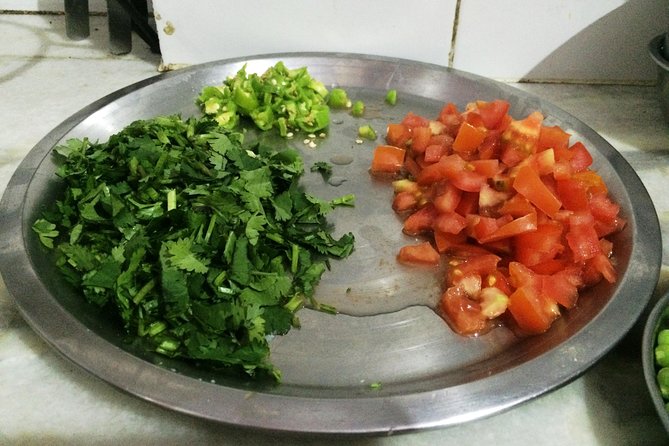
The market stop is the heart of the experience, and it’s where the value really shows. You walk through stalls and shops and learn what to look for when you’re choosing vegetables and ingredients that will actually work in Rajasthani cooking.
Two things matter here:
- Seasonality: Shalini’s menu can change depending on what’s best at that time. That’s not a drawback—it’s part of how the food stays true to local life.
- Guidance: you’re not left translating everything yourself. Your host helps you understand items in a way that connects directly to the dishes you’ll cook later.
If you’ve ever come home from India with spices you don’t know how to use, this helps solve that. You’re seeing the “why” as much as the “what.” And once you choose your vegetables, the meal becomes more than a lesson—you’ve built it.
Shalini’s Home Kitchen: Where the Lesson Becomes a Family Meal
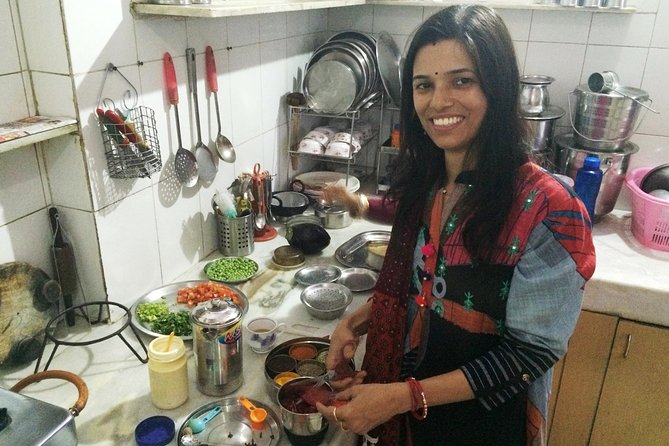
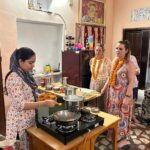
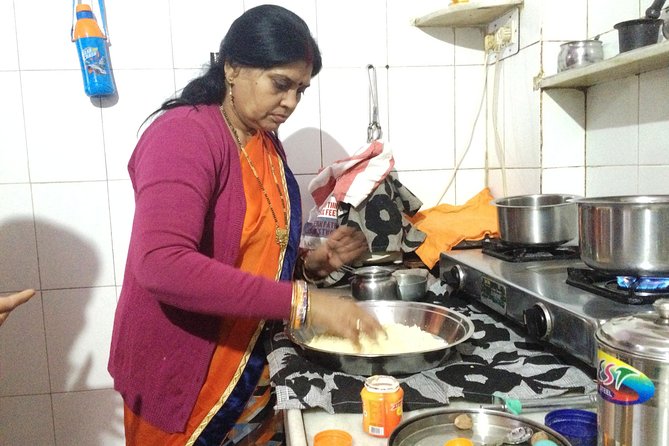
After the market, you head to Shalini’s home. This is where the vibe shifts from street-level food shopping to a calm, welcoming kitchen setting. You’ll cook with guidance from Shalini and her mother-in-law, and you’ll also experience the family atmosphere that makes the class feel like a real evening, not a performance.
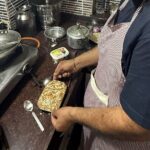
The teaching style comes up again and again: clear, patient instruction—especially if you’re not confident in the kitchen. People mention learning with step-by-step support and having enough time to get things right, including techniques like rolling flatbreads.
Before the main cooking really ramps up, you’ll have tea and breakfast snacks. That’s a small detail, but it matters. It keeps you comfortable and energized while you’re learning in a home setting where timing can feel more relaxed than in a big restaurant kitchen.
Once you cook, you eat. And you don’t just eat what you made with your hands. There are also additional family recipes prepared in advance, so your thali feels abundant and satisfying.
A Vegetarian Thali Built From Scratch (Not a Generic Menu)
Shalini serves vegetarian food only, so this is ideal if you love Indian vegetarian dishes and want a deeper look at what Rajasthani cooking can be without meat.
During the class, you’ll learn to make a traditional vegetarian Rajasthani meal from scratch, then sit down to enjoy it. Based on past class experiences, you can expect staples that often include:
- Dahl (lentils) and lentil-based dishes
- Vegetable curries or stir-fry-style dishes
- Chapatis and parathas (flatbread skills show up in multiple experiences)
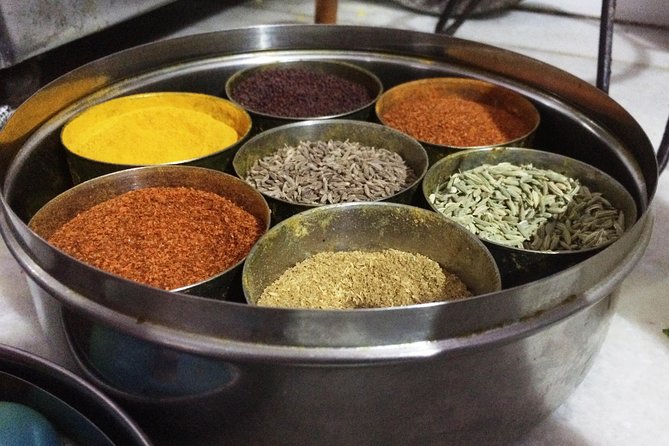
- Learning how spices get used in practice, not just “sprinkled in”
The meal usually lands as a thali feast—meaning a set of dishes meant to be eaten together. That’s a big part of why the experience works: it teaches you how dishes relate to each other, not just how to follow a single recipe.
One more practical note: the menu may vary by season. If you’re visiting in a hot month, cooler months, or during a specific produce season, what you cook might shift. That’s normal here, and it’s also what makes the lesson more useful than a fixed “tourist menu.”
What You Actually Learn: Spices, Techniques, and Home-Use Skills
It’s tempting to think cooking classes are mostly about tasting. This one does tasting, yes—but the stronger value is technique you can reproduce.
Here’s what you’ll likely carry home after your hands-on work:
- How to choose ingredients that will behave well in the dishes you’re making
- How spices are applied during different steps (not just which spices you need)
- Bread-making basics, including learning rolling and cooking for chapatis/parathas
- How to adjust spice level to taste, which is important for people who don’t like things too hot
People also highlight a key reality: you don’t need to be a confident cook. The class is structured with patience in mind. If you can follow instructions and keep going when something sticks or tears, you’ll get it.
And since you’re cooking in a home kitchen, you’ll notice practical details that don’t show up in most online videos—how ingredients are handled, how the pace works, and how a household manages a full meal without drama.
You can also read our reviews of more cooking classes in Jaipur



Lunch vs. Dinner: Choosing the Right Time to Fit Jaipur Days
You can choose a lunch or dinner option, which is genuinely useful in Jaipur. The city has a lot of “go-go” sightseeing energy, and a flexible food experience lets you avoid forcing your schedule around cooking.
If you’re spending your mornings at forts and palaces, dinner can feel like a soft landing: market first, cooking next, then a real meal. If you like ending the day early, lunch might be the better fit.
Either way, the 4-hour length keeps it from turning into a time sink. You can plan other activities around it without your day feeling chopped into tiny pieces.
Who This Is Best For (And Who Might Skip It)
This class is a smart choice if you want:
- A first-time Jaipur experience that focuses on daily life
- A deeper look at Rajasthani vegetarian cuisine
- A market-to-kitchen connection, so you understand ingredients instead of just collecting photos
- A warm, human setting where conversation is part of the evening
It’s especially good for people who:
- Want private attention (it’s private with only your group)
- Are worried about language barriers in markets
- Want skills they can recreate at home, not just a one-time meal
The main reason to skip would be if you strongly prefer non-vegetarian food. Since the menu is vegetarian only, you’d be better off choosing a different kind of cooking experience in Jaipur.
Price and Value: Why $60 Makes Sense Here
At $60 per person for about 4 hours, this isn’t a “cheap lunch.” But the value comes from what you’re paying for:
- Market guidance for selecting seasonal produce (which can be hard to do alone)
- Instruction from a local host and her mother-in-law
- Cooking in a home kitchen with access to household equipment and a realistic pace
- A full vegetarian meal experience with multiple dishes plus tea/snacks
- A private setting with your group, not a large mixed crowd
If you’ve ever taken a cooking class where you mostly stand around and watch, this one aims the other way. You choose ingredients, you cook, and you eat. That makes the cost feel more like “a cultural meal lesson” than “a ticket to dinner.”
Also, it’s typically booked in advance (on average about 31 days). If your dates are fixed, don’t wait until the last minute.
Quick Practical Tips Before You Go
Bring a curious mindset more than a notebook. You’ll get more out of this class if you ask questions while you’re choosing ingredients and while you’re cooking.
A few smart things to do:
- Tell your host about allergies, dietary restrictions, or cooking preferences when you book.
- Expect the food to match seasonal availability, so don’t assume every dish will stay identical year-round.
- Wear comfy shoes. Market walking is part of the point.
And since it’s weather-dependent, keep a little flexibility in your plans. If weather cancels it, you’ll be offered a different date or a full refund.
Should You Book This Jaipur Market and Vegetarian Cooking Class?
Yes, I think you should book it if you want the Jaipur experience that feels most like everyday life: markets, family instruction, and a real meal you helped make.
I’d especially recommend it for first-time visitors who want to understand what Rajasthani food tastes like and why it tastes that way. The combination of market ingredient guidance, a family home setting, and hands-on instruction (including flatbread skills) makes it one of the more practical “do this in Jaipur” activities.
Skip it only if you don’t eat vegetarian food or you’re hunting for a big, flashy tourist show. This is quiet, friendly, and focused on cooking and culture at the household level.
FAQ
Is the cooking class vegetarian?
Yes. Shalini only serves vegetarian food, and the meal is taught and prepared as a vegetarian Rajasthani experience.
Can I choose between lunch and dinner?
Yes. The schedule is flexible, and you can select either a lunch or dinner option.
How long is the experience?
It runs for about 4 hours.
Where do we meet, and where does it end?
Meet at Crystal Mall, Barodia Scheme, Gopalbari, Jaipur, Rajasthan 302006, India. The activity ends back at the meeting point.
Is this a private experience?
Yes. It’s private and personalized, with only your group participating.
Will the dishes be the same every time?
The menu may vary depending on the season, based on what’s available and what Shalini prepares then.
What’s the cancellation and weather situation like?
You can cancel for a full refund if you do so at least 24 hours in advance. The experience requires good weather; if it’s canceled due to poor weather, you’ll be offered a different date or a full refund.