REVIEW · JAIPUR
Jhalana Panther Safari Park Tour in Jaipur
Book on Viator →Operated by World Of Wilders · Bookable on Viator
Wildlife near Jaipur beats a day tour. In an open 4×4 with naturalist commentary, you’re rolling straight into Jhalana’s leopard-and-panther country instead of just sightseeing signs and statues. I like that the tour handles the admin—permits are included—so you can focus on scanning the scrub and catching that one animal moment that makes the drive worth it. The main drawback to plan around: leopard and panther sightings are never guaranteed, and timing and weather matter.
Price-wise, this is one of the cleaner deals in the area because the ticket includes the still camera fee and safari permits, plus a stop at the interpretation centre. One more consideration: if your hotel is far from the park gate, hotel pickup/drop can cost extra, and a couple of people in past experiences also noted the guide language wasn’t always ideal.
The tour runs about 2 hours 30 minutes and you can pick morning or afternoon. Group size is kept small (up to 6), which helps with photo angles and attention. Just pack for Jaipur weather: winters can get close to 2°C, summers run hot, and rainy-season mosquito protection means full-length clothing.
In This Review
- Quick takeaways before you go
- Jhalana Panther Safari: Why This 4×4 Jungle Trip Works
- Price and Logistics: What the $45 Really Buys
- The 2.5 Hours That Actually Happen on Safari
- Leopard Reserve Reality Check: Sightings, Timing, and Patience
- Naturalist and Vehicle Experience: Driver Moves and English Levels
- What to Pack: Jaipur Weather Changes Everything
- Who This Safari Is Best For (and When to Skip It)
- Book or Pass: My Practical Recommendation
- FAQ
- How long is the Jhalana Panther Safari Park tour?
- Is hotel pickup included?
- What time options are available?
- What’s included in the ticket price?
- Does the tour use a mobile ticket?
- How many people are in a group?
- Where does the tour start?
- What should I wear in winter, summer, or rainy season?
Quick takeaways before you go
- Open 4×4 safari vehicle: you’ll feel close to the action, with plenty of chances for photos
- Permits + still camera fee included: fewer surprise charges at the gate
- Small group (max 6): easier viewing than big tours
- Interpretation centre stop: good warm-up for what you’re actually looking at
- Time choice matters: morning departures tend to produce better odds for sightings
Jhalana Panther Safari: Why This 4×4 Jungle Trip Works
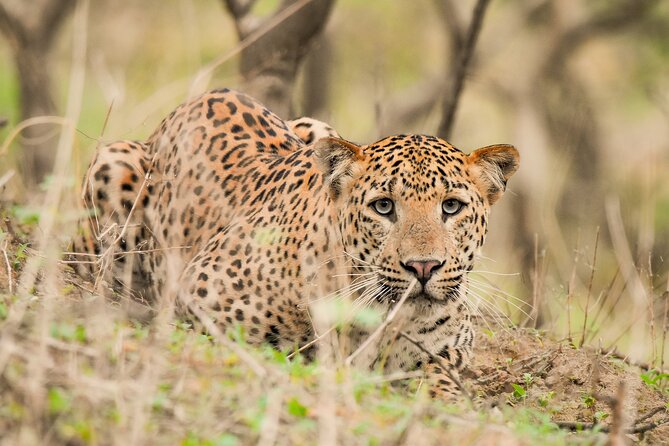
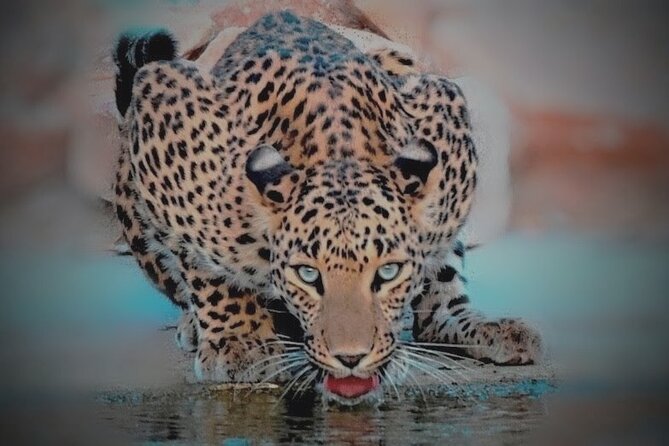
Jaipur has plenty of history tours. This one flips the script: you trade monuments for a real working wildlife reserve right near the city. The Jhalana leopard safari area is a leopard reserve forest, spread over about 23 square kilometers, with strict limits on construction (including roads). That matters because you’re not in a theme park made for animals. You’re in a place where leopards and other wildlife still choose when they show up.
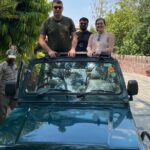
The big win is how you travel: an open 4×4 vehicle with a naturalist riding along. You’re not just driving; you’re getting prompts on what to watch for—tracks, movement at the edge of vegetation, birds that can hint at activity, and the kinds of habits leopards and hyenas show in different times of day. Even when you don’t get the animal you’re hoping for, the commentary can turn a quiet stretch of road into a better read of the habitat.
You can also read our reviews of more tours and experiences in Jaipur
Price and Logistics: What the $45 Really Buys
At $45 per person, the value comes from what’s bundled. Your safari includes all safari permits, permit management, a visit to the interpretation centre, and still camera fees. That reduces the most annoying travel friction: gate paperwork and add-on fees.
Pickup details are where you’ll want to be sharp:
- Free pickup is offered within 5 miles (8 km) of the park entrance.
- Round-trip transfer upgrades from Jaipur hotels are available.
- If your hotel is beyond 8 km from the safari entry gate, the hotel pickup/drop after that point can cost $35.
You’ll also use a mobile ticket, which is handy if you’re trying to travel light. Another logistics plus: it’s close to public transportation, and you’ll get confirmation at booking time.
One practical point for your mental math: if your hotel is far, the base price can climb fast once you add that extra pickup/drop. Before you click book, check how long and how far you’ll be from the entry gate area.
The 2.5 Hours That Actually Happen on Safari
This is not a half-day expedition. The experience is built to fit into a morning or afternoon block: about 2 hours 30 minutes.
Here’s how the flow typically feels:
- Drive from Jaipur toward the gate in an open 4×4 vehicle. If you’re booked for pickup, you’ll be picked up and then transferred into the safari vehicle. The driver and naturalist coordinate at the entry area so you’re not wandering around trying to figure it out.
- Interpretation centre visit. You’re not just jumping straight onto the trail. You get context on the animals and the reserve itself, which helps your eyes work better once you’re out in the viewing areas.
- A bird-eye view moment. The program includes a bird-eye-style look at the jungle area. If you’re the kind of person who likes to orient first, this is a good setup. It also makes the later scan for movement easier.
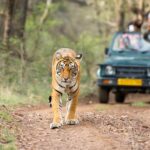
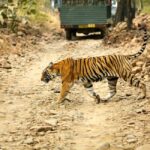
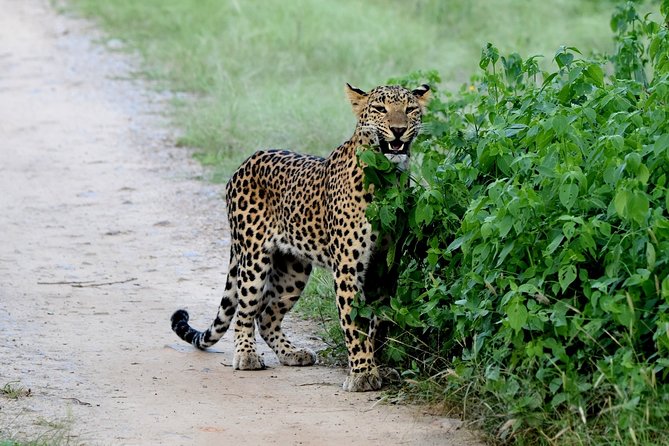
- Safari drive in open 4×4. This is where you’ll be spotting leopards, panthers, and other animals in the wild. The reserve includes hyenas, desert foxes, and more. What you’ll see depends on the season and the animals’ mood.
- Return to your starting point / drop back. After the safari, you’re dropped back where you started from (or your hotel, if pickup/drop was included and you’re within the distance rules).
The pace is active but not frantic. You’re driving, stopping, watching, and listening for the naturalist’s cues. If you want guaranteed action every minute, you might be disappointed. If you’re okay with patience, it’s a satisfying stretch.
Leopard Reserve Reality Check: Sightings, Timing, and Patience
Let’s be honest: the whole point is elusive cats. That means you go in with a flexible mindset.
Here’s what affects the odds:
- Weather and season can reduce what you spot. During wetter months, tall grass can make it harder to see wildlife at a distance, even though the reserve can look lush and alive.
- Time of day plays a role. Morning departures have shown better chances for leopard sightings in past experiences, so if your schedule allows it, lean morning when you can.
- Other vehicles on the route happen. You may find multiple jeeps stopping at the same spots to watch activity. That can feel crowded if you hate the group vibe. On the plus side, it also means if an animal is moving, you’ll usually see the moment because several cars are paying attention.
What “good” looks like on safari is also more varied than people expect. Sometimes you might spot leopards sleeping at a distance. Other times you catch a feeding moment. There are also cases where a panther was seen by another vehicle nearby, and a driver moved fast to give a group the chance to view it too. That’s why listening hard to the guide and trusting the driver’s instincts can pay off.
My advice: don’t judge the tour by the first 20 minutes. In a reserve like this, animals often show when you’ve settled into the rhythm: stop, watch, listen, then watch again.
Naturalist and Vehicle Experience: Driver Moves and English Levels
The tour includes a naturalist and you’ll get commentary from the start of the safari area. When it works well, it’s one of the best parts: you’re learning what to look for, not just staring out a window.
That said, language expectations are worth managing. Some past participants mentioned the guide didn’t speak English as advertised. If you’re traveling with a language need, I’d treat this as a “wildlife guide” situation, not a fully scripted lecture in your preferred language.
Vehicle comfort is mostly fine for a small-group safari, but keep your expectations realistic:
- The experience allows up to 6 travelers, and in some cases that can mean tight seating in a shared vehicle setup.
- One past note also complained about passenger space when a group was larger than expected for the jeep. Your best protection here is to travel with the group size kept small, and double-check pickup details so you don’t end up with surprises at loading time.
The good news: drivers can be proactive. If another jeep finds something, a quick reposition can make the difference between seeing nothing and getting a real moment.






What to Pack: Jaipur Weather Changes Everything
This reserve safari is outside for a chunk of time, so clothing choices matter.
- Winter (November to February): cold snaps happen, with temperatures possibly around 2°C. Bring warm layers.
- Summer (April to June): it’s hot. Wear a hat and consider goggles to protect your eyes on dusty drives.
- Rainy season (July to August): rains are scanty but not zero, and mosquitoes show up. Bring full-length clothing to help you stay comfortable.
Also think about your camera setup. A still camera fee is included, so you can focus on bringing the right lens or settings. In a moving vehicle, faster shutter speeds and patience for quick stops can help.
Who This Safari Is Best For (and When to Skip It)
This tour shines if you:
- Want wildlife close to Jaipur without a long trek
- Like learning from a naturalist while you scan for animal movement
- Prefer a small-group safari (up to 6) over big-tour chaos
You might want to skip or rethink if:
- You need a guaranteed leopard sighting. No safari here is that kind of deal.
- You dislike being around other vehicles at viewing spots. Multiple jeeps stopping together is part of how this reserve is watched.
- You’re counting on a flawless English-speaking guide every time. Some experiences reported that level wasn’t consistent.
Book or Pass: My Practical Recommendation
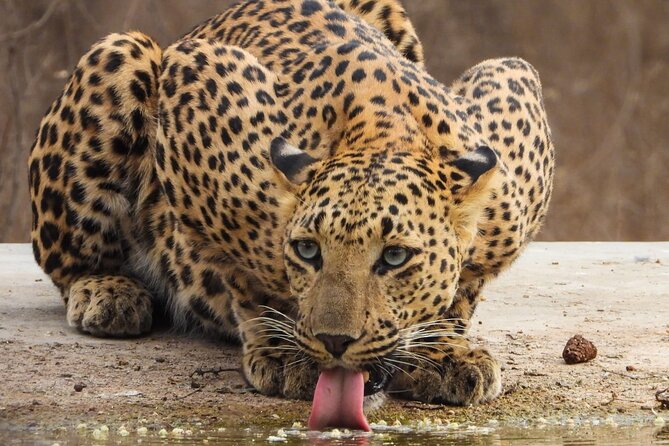
I’d book this if you want an efficient wildlife experience with good value baked in: permits + interpretation centre + still camera fees are covered, and the open 4×4 format makes it feel like you’re actually in the habitat.
Choose your timing with your goals in mind. If you care most about seeing big cats, try to go for the morning departure when your schedule allows. If your trip includes rainy-season days, go in knowing grass can hide movement even when animals are there.
If you’re the type who’s happiest outdoors, watching birds, tracking signs, and waiting for that one surprise, this is a strong way to spend 2.5 hours in and around Jaipur.
FAQ
How long is the Jhalana Panther Safari Park tour?
The tour duration is approximately 2 hours 30 minutes.
Is hotel pickup included?
Free pickup is offered from within 5 miles (8 km) of the safari park entrance. Round-trip transfer upgrades from Jaipur hotels are available. Pickup/drop after 8 km from the safari entry gate costs $35.
What time options are available?
You can choose either a morning departure or an afternoon departure.
What’s included in the ticket price?
The experience includes all safari permits and permit management, a visit to the interpretation centre, and still camera fees.
Does the tour use a mobile ticket?
Yes, the tour includes a mobile ticket.
How many people are in a group?
The experience has a maximum of 6 travelers.
Where does the tour start?
The start location is listed around World Of Wilders in the Jhalana Leopard Safari area, with additional listed meeting points in Jaipur.
What should I wear in winter, summer, or rainy season?
In winter (Nov–Feb), warm clothing is recommended. In summer (Apr–Jun), bring items like a hat and goggles. In rainy season (Jul–Aug), wear full-length clothing to help avoid mosquitoes.