REVIEW · JAIPUR
Jaipur: Half-Day Guided Sightseeing Tour with Flower Market
Book on GetYourGuide →Operated by Rajasthan India Tour Driver · Bookable on GetYourGuide
Five hours in Jaipur can feel royal. This half-day private tour mixes big-name sights with an early Flower Market walk and a look at block printing on fabric.
I especially like the pacing. The route hits the highlights (Hawa Mahal, City Palace, Jantar Mantar, Jal Mahal, Amber Fort) without turning it into a sprint, and the guides I saw named in bookings—Imran, Vinodh, Khalid, Adil, and Vinod—are praised for friendly explanations and keeping you comfortable. One possible drawback: entrance fees are not included, and a few stops are quick photo moments, so you’ll want to move fast when your guide gives the timing signal.
In This Review
- What makes this 5-hour Jaipur plan feel worth it
- Starting at 7:00 AM: how the morning shapes the whole tour
- The flower market walk: your first sensory hit of Pink City life
- Hawa Mahal: the quick photo stop that still makes sense
- City Palace (plus Jantar Mantar nearby): where the day becomes meaningful
- Gaitor Ki Chhatriyan: quiet cremation cenotaphs, not tourist noise
- Jal Mahal: a photo stop over Man Sagar Lake
- Block printing warehouse visit: craft you can actually watch
- Amber Fort: the big attraction with smart time limits
- Ramgarhmode: a short scenic finish
- Transport, safety, and guide quality: why people keep praising this route
- Price and value: $4.61 sounds low, but here’s what to watch
- What to pack and how to dress so temples don’t slow you down
- Should you book this half-day flower market and forts tour?
What makes this 5-hour Jaipur plan feel worth it
- 7:00 AM start for the flower market and better photo light before the city heats up.
- Private, air-conditioned comfort (tuk-tuk option also available) plus bottled water.
- A craft stop that isn’t just a showroom: watch traditional block printing techniques in a warehouse.
- Iconic sights in one thread: Hawa Mahal, City Palace, and Jantar Mantar are grouped efficiently.
- Thoughtful photo stops like Jal Mahal and Hawa Mahal instead of long queue marathons.
- Good guide-to-time ratio, repeatedly praised for not rushing you.
Starting at 7:00 AM: how the morning shapes the whole tour

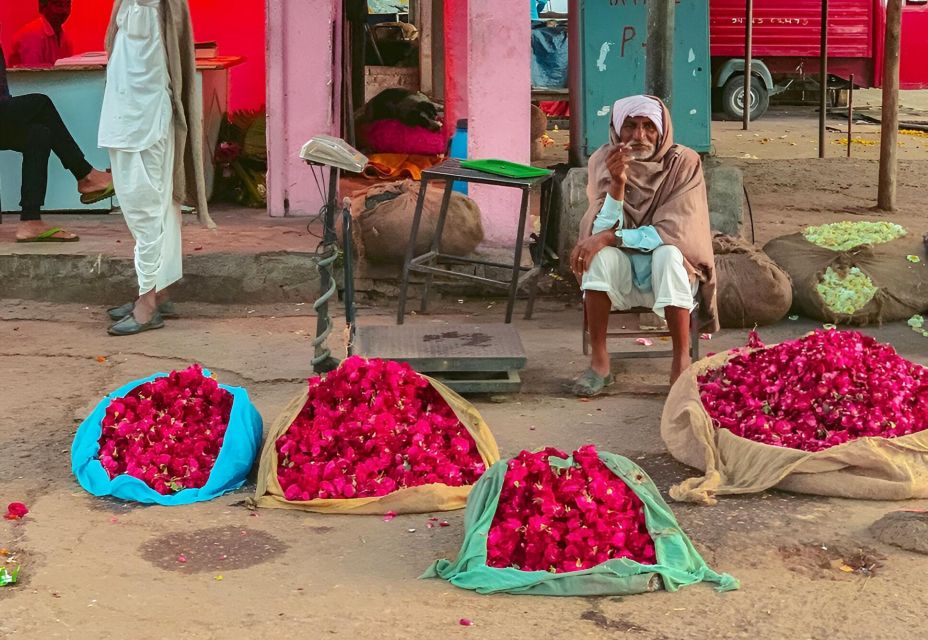
This tour is built around a short, focused window: it starts at 7:00 AM and runs about 5 hours. In Jaipur, that timing matters. The flower market is at its most alive early, when colors pop and vendors are set up. Later in the day you can still see the sights, but the market experience can feel less special once the rush and heat build.
The tour also uses the right kind of transport for a city day. You can go in a private tuk-tuk or an air-conditioned car, depending on your group size and preference. Either way, you’re not stuck bargaining for rides between landmarks. That sounds small, but it’s the difference between having a calm morning and getting stressed by traffic.
It’s also a private group experience, not a shared herd. You’ll still move efficiently, but you’re more likely to get real questions answered and small adjustments made—something many named guides in the feedback were praised for.
You can also read our reviews of more guided tours in Jaipur


The flower market walk: your first sensory hit of Pink City life
You’ll spend about 1 hour at the flower market area, with time for photos, a guided visit, and a walking look around the lanes. This is one of the best parts of the day because it’s not just a photo stop. It’s a look at daily trade: sellers arranging blooms, customers moving through, and the whole street feeling like it’s working in rhythm.
What you’ll enjoy here:
- You get to see Jaipur beyond the postcard monuments.
- You get a guided sense of what you’re looking at—more than just snapping pictures.
- The timing means better photo conditions and less fatigue at the start.
Practical tip: wear comfortable shoes and keep your hands free. Flower market lanes can be narrow and busy, so a crossbody bag is easier than carrying things in your arms. And because the tour includes multiple photo stops later, this early hour helps you start the day capturing the textures and colors while you still have energy.
Hawa Mahal: the quick photo stop that still makes sense
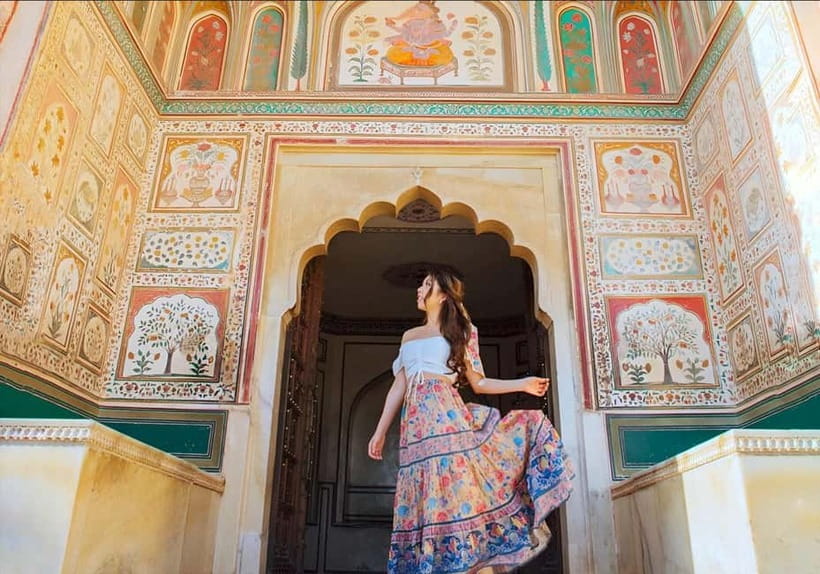
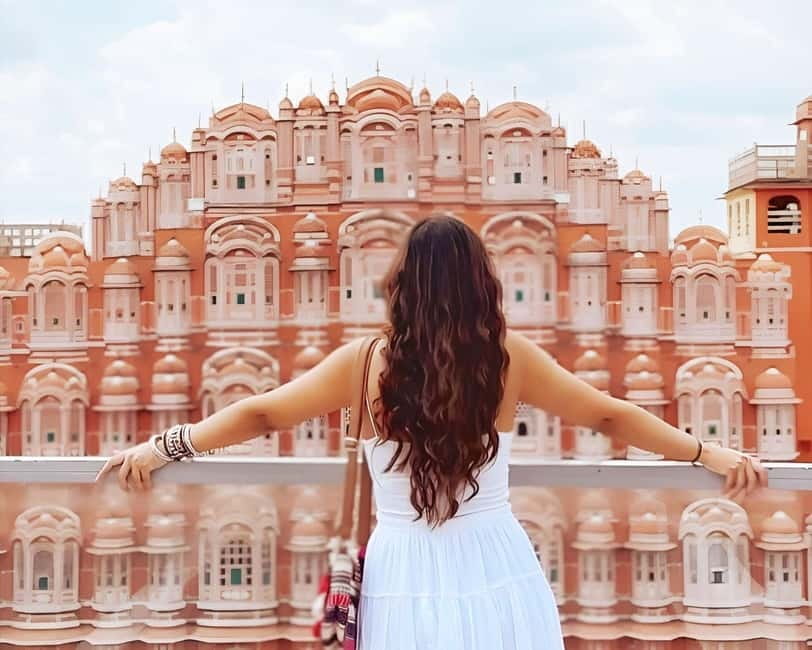
Hawa Mahal is the classic Jaipur façade—the rows of windows that give the building its lace-like look. In this tour, you get about a 15-minute photo stop and a short guided visit.
Here’s the honest take: 15 minutes isn’t for a deep architectural study. It’s for checking the landmark off correctly, getting good exterior angles, and moving on while your route is still efficient. You’ll get the context from your guide, but this isn’t the stop where you slow down the most.
If you’re the type who wants more time inside or wants long views from multiple angles, you’ll feel the time limit. But if you’re time-crunched or you like variety, this short stop is exactly why a half-day format works.
City Palace (plus Jantar Mantar nearby): where the day becomes meaningful
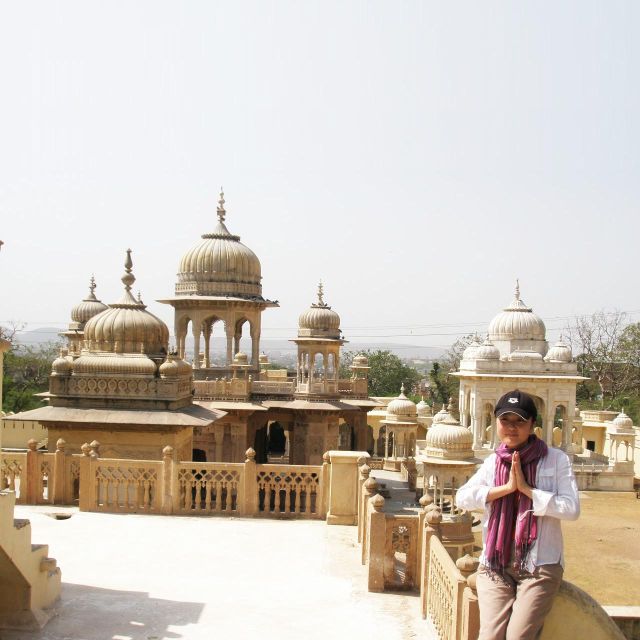
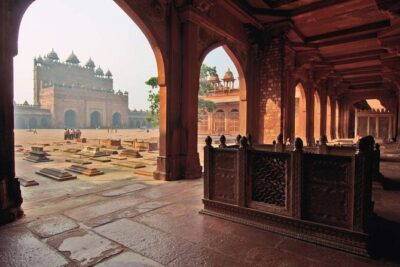
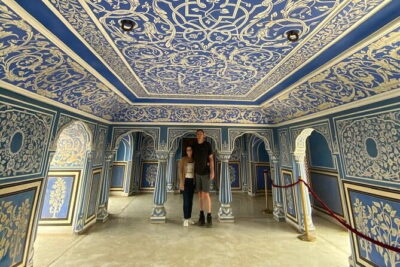
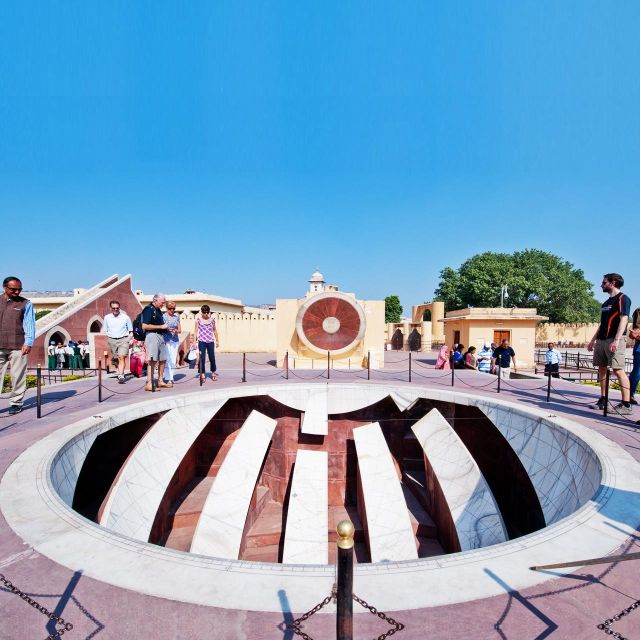
Next, you’ll spend about 1 hour at City Palace, Jaipur, with photo time, guided touring, and a walk. City Palace is the kind of place where you can get lost in details—courtyards, museum-like areas, and the overall sense that royal power was both political and artistic.
Right near it is Jantar Mantar, and the tour description specifically includes it as an astronomy stop opposite City Palace. That pairing is smart: both sites are iconic, and both reward the same kind of curiosity—people who like how old systems were built and used.
What I like about this portion of the route:
- You get a balanced mix of palace grandeur and scientific architecture in the same zone.
- Your guide’s storytelling helps you understand what you’re seeing without turning it into a lecture.
- You still have enough time afterward for Jal Mahal and forts, so the day doesn’t end on a “someday I’ll return” note.
One consideration: dress code matters around temple areas. The tour notes smart casual is required, and short shorts or sleeveless tops aren’t recommended in temples. If you show up underdressed, your time can get slowed by finding a workaround.
Gaitor Ki Chhatriyan: quiet cremation cenotaphs, not tourist noise
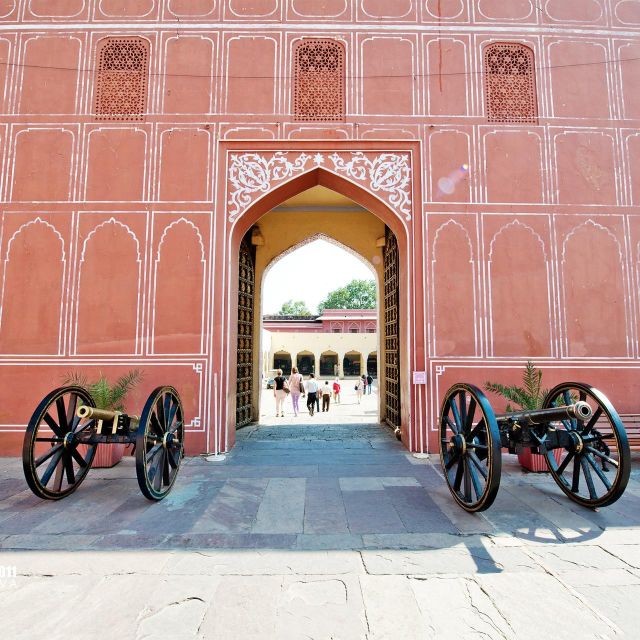
You’ll visit Gaitor Ki Chhatriyan (also referred to as Royal Gaitor Tumbas), with about 30 minutes for photo stop, visit, and guided touring.
This isn’t your loud, commercial stop. It’s a set of cenotaphs tied to the Kachwaha Rajput rulers—described as a cremation ground. That context changes the mood. Instead of treating it like another “pretty monument,” you start noticing symmetry, design language, and the seriousness of the site.
Why it works well in a half-day itinerary:
- It provides a change of pace from forts and palace façades.
- It adds cultural context beyond architecture.
- It’s short enough to fit your schedule without you rushing through everything else.
You can also read our reviews of more tours and experiences in Jaipur






Jal Mahal: a photo stop over Man Sagar Lake

Jal Mahal is a palace-like structure located in the middle of Man Sagar Lake. Your time here is about 15 minutes, mainly for photo and a guided visit.
This stop is all about the view. When the lake and the palace align, you understand why people plan their Jaipur days around this moment. But let’s be clear: this is not an hours-long exploration. If you expect a long, slow visit, you might feel a little impatient.
Still, Jal Mahal can be a great reset point. By the time you reach it, the morning market and palace area have given you plenty of visual input, and the lake setting offers a different kind of scenery—water, light, and a calmer sense of space.
Block printing warehouse visit: craft you can actually watch
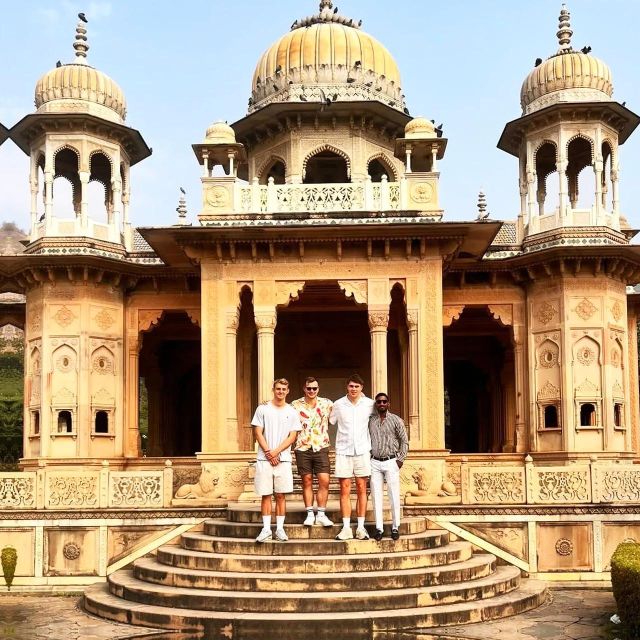
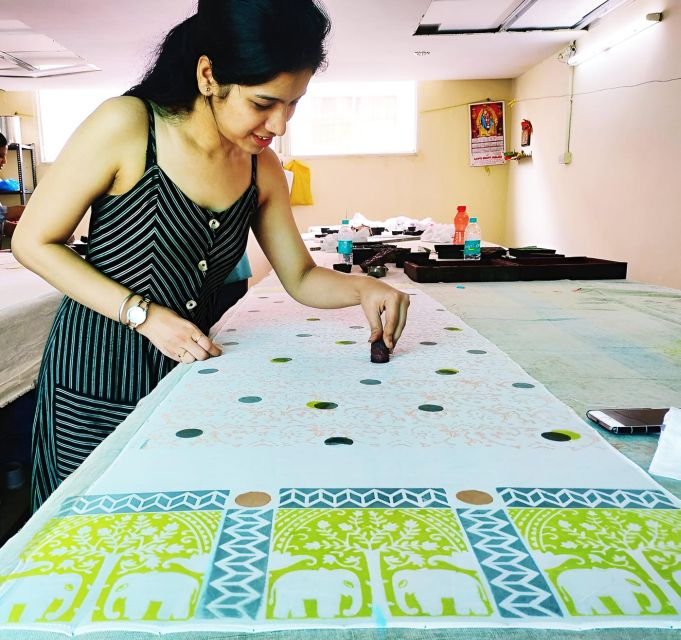
After your photo moments around Jal Mahal, the day includes a visit to a hand block printing warehouse. This is one of the most praised parts of the tour because it’s a working process, not just a staged display.
You’re set up to learn:
- The history behind traditional block printing on fabric
- The step-by-step technique as artisans work
- How motifs become patterns through repeated impressions
One detail that comes through clearly from feedback: there’s typically no pressure to buy. Some owners are described as making people comfortable, so you can watch, ask, and understand without feeling pushed toward a purchase.
If you’re thinking about souvenirs, this is also where you’ll make better choices. A printed textile that has a story behind it tends to feel more real than something bought just because it’s pretty. And if you like fashion or design, you’ll probably end up spending extra attention here, even though the tour time keeps moving.
Practical tip: if you want to buy something, keep a realistic budget in mind. Entrance fees and last-minute wants can add up in a short trip.
Amber Fort: the big attraction with smart time limits
The itinerary includes Amber Fort, with about 1 hour for photo stop, visit, guided touring, and walking.
Amber Fort is the stop where the day can either feel rushed or feel satisfying, depending on pacing. The reason this tour gets strong marks is because guides are repeatedly praised for timing that feels controlled—enough time to see key areas and take photos, without dragging you through the whole complex until you’re done with Jaipur.
A key point from the feedback: the setup can adapt. One review notes that for a guest who couldn’t walk for long periods, help was arranged to navigate Amer Fort with an additional guide. That’s not guaranteed for every person, but it’s a useful indicator that communication with your guide can matter.
If you want the best experience at Amber Fort:
- Use your guide’s rhythm. If you’re given a short time at a viewpoint or courtyard, don’t waste it.
- Wear shoes you can walk in comfortably. You’re doing moderate walking across multiple stops during the full tour.
Ramgarhmode: a short scenic finish
You’ll also stop at Ramgarhmode for about 30 minutes, including a photo stop, visit, guided sightseeing, and walking.
This portion is helpful because it gives the tour a more open ending. The day isn’t only monuments squeezed tight together; it includes a viewpoint-style stop where you can breathe, take photos, and absorb the scale of the area from a different angle.
If you’re the type who likes to end with a calm scene rather than a final museum-like stop, this timing works well.
Transport, safety, and guide quality: why people keep praising this route
This tour is built around a simple promise: you get around Jaipur comfortably, with a driver and guide handling navigation and explanations.
What the feedback emphasizes:
- Drivers are punctual and careful (names like Suresh, Suraj, and others come up for safe, smooth driving).
- Guides communicate clearly—especially praised for English ability in multiple bookings.
- The “private” format helps your guide tailor questions, pacing, and stops.
- Many people liked that the guide brought local tips, including food ideas like lassi and general advice for what to do next.
The transport note matters here: for the car option, you’re in an air-conditioned 4-seater, 6-seater SUV, or 10-seater van/Tempo Traveller depending on group size. For shorter half-day itineraries, that AC comfort can be a big deal, especially in hotter months or if you arrive sunburned from earlier sightseeing.
Price and value: $4.61 sounds low, but here’s what to watch
The price listed is $4.61 per person for a 5-hour private city tour with pickup, transport, bottled water, and government taxes included. That value is why you’ll see so much positive feedback about price/performance.
But you should plan around the tradeoffs explicitly:
- Entrance fees are not included. The tour notes you should expect to pay monument tickets separately.
- Some stops are short (like Hawa Mahal and Jal Mahal), so you’re paying for smart routing, not long time at any single site.
- You’ll spend your limited time on a curated set of highlights plus one craft experience.
So is it worth it? For most visitors, yes—especially if you’re using Jaipur as part of a longer itinerary and you want the “greatest hits” without the headache. If you want a slow, deep dive inside every monument, you’ll probably need a longer tour or separate visits.
What to pack and how to dress so temples don’t slow you down
You don’t need special gear, but you do need to be practical:
- Bring your passport or ID card
- Wear comfortable shoes (moderate walking across multiple stops)
- Wear smart casual clothes; avoid short shorts and sleeveless tops in temple areas
- Avoid bringing luggage or large bags
- Pets and alcohol/drugs are not allowed
Small tip: keep a light layer handy. Jaipur mornings can feel cooler early, and later in the day the heat catches up fast.
Should you book this half-day flower market and forts tour?
I’d book it if you want:
- A first-time Jaipur orientation without wasting time on logistics
- A morning experience that goes beyond monuments, starting with the flower market
- The mix of palace/fort stops plus a craft visit like block printing
- A private guide who can pace the day and answer questions, not just drive you between landmarks
I’d think twice if:
- You want long, uninterrupted time inside each monument (this format is tight by design)
- You hate paying extra for entrance fees and prefer tours that bundle everything
- You’re expecting Jal Mahal and Hawa Mahal to be full-length explorations
If you fit the first group, this tour is a strong way to get value fast—color in the morning, iconic sights in the middle, and a real cultural craft stop before the day ends.