REVIEW · JAIPUR
Jaipur Heritage Walking Tour
Book on Viator →Operated by Backpack India · Bookable on Viator
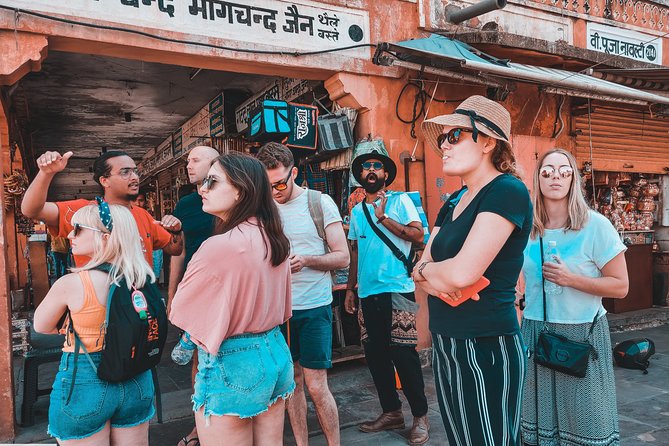
Jaipur can feel overwhelming fast, so this walking tour is a smart way to get oriented on foot. You’ll spend a 2 to 4 hour morning tracing key landmarks from Ajmeri Gate to Hawa Mahal, with an English-speaking guide who focuses on the city’s architecture and meaning—not just what to photograph. I like the small group cap of 10, because you can actually hear the stories and ask questions. The tour also includes a Rajasthani breakfast plus complimentary digital photos.
The main potential drawback is simple to plan around: there have been reports of a guide not showing up and not responding quickly. That doesn’t erase the value of what’s offered, but it does mean you should have a backup plan for the meeting time and location. If you’re the type who hates uncertainty, double-check details early and keep your messaging ready.
In This Review
- Key things that make this walk worth it
- Price and what $16 buys you in the real world
- What the timing feels like: 8:00–12:00 and a 2–4 hour walk
- Ajmeri Gate: the busy entryway and why transport stories matter
- Isarlat Sargasooli: how architecture gets explained on the street
- Tripolia Bazaar and the royal-to-public story at the gate
- Hawa Mahal with 900 windows: more than a postcard
- Jalebi Chowk: the City Palace backyard square and a food-name clue
- Govind Devji Temple and the chai Q&A wrap-up
- Small group size: why it changes your morning
- What you’ll get from the guide beyond facts
- Real-world considerations before you commit
- A reported risk: guide no-shows
- Entrance fees can show up
- Weather matters
- Who this tour fits best
- Should you book the Jaipur Heritage Walking Tour?
- FAQ
- How long is the Jaipur Heritage Walking Tour?
- What time does the tour run?
- Is breakfast included?
- What’s included besides breakfast?
- Are entrance tickets included for all stops?
- How big is the group?
- Is there a mobile ticket?
- What if the weather is bad?
- Where does the tour end?
Key things that make this walk worth it
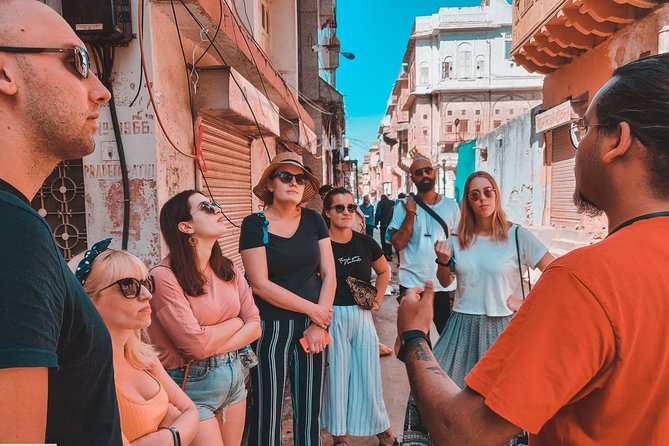
- Architecture students as guides of the city’s design choices, not just tour facts
- Breakfast included, so you start walking with energy instead of hunting for food later
- A small group (max 10), which keeps the pace and conversations human
- Digital photo gift from your guide, useful if you don’t want to fuss with settings
- A tight route built around major old-city landmarks you can connect in one morning
- Some stops are free to enter, while others are not included (so you’ll want to plan for that)
Price and what $16 buys you in the real world
At $16 for a morning walking tour, the big value is that you’re paying for interpretation, not just movement. This isn’t a long bus day. You’re getting a guided route that connects architecture, history, and how old Jaipur works today, and the guide brings that to street level.
You also get practical perks: a water bottle, an included Rajasthani breakfast, and complimentary digital photos. Breakfast matters here because Jaipur mornings can get warm quickly. Starting with food means you’re less likely to rush through stops or lose patience when you’re hungry.
One more point on cost: some places on the route have tickets that are not included, while others are free. That means your total out-of-pocket may vary a bit depending on which entrances require payment. Still, the price is low enough that you’re not taking a huge financial gamble either way.
You can also read our reviews of more walking tours in Jaipur



What the timing feels like: 8:00–12:00 and a 2–4 hour walk
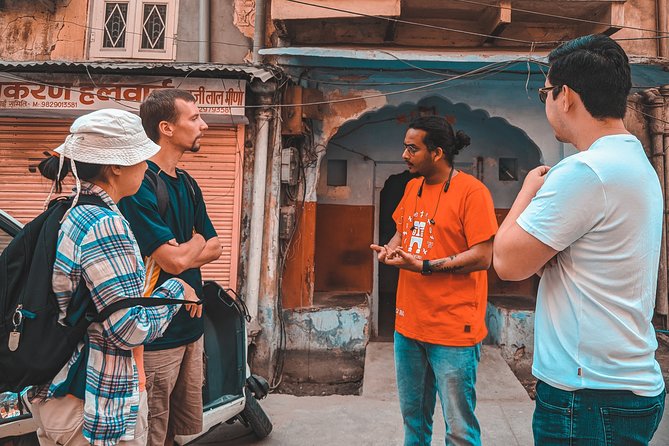
The tour runs daily from 8:00 AM to 12:00 PM, and the typical duration is 2 to 4 hours. In practice, that timing is ideal for Jaipur if you want to see key sights without turning your day into a sweaty endurance test.
Because it’s a walking format, your comfort depends on two things:
- The weather: the experience requires good weather, and if it’s canceled for poor conditions, you’ll be offered a different date or a refund.
- Your pace: this is built as a city walk with short stops. If you prefer long museum-style time, you may want a separate plan later that day.
Also note the experience ends in a different location. Don’t assume you’ll return to the exact meeting corner. If you’re using another transport leg (auto-rickshaw, metro, a car pickup, or onward sightseeing), plan your next step accordingly.
Ajmeri Gate: the busy entryway and why transport stories matter
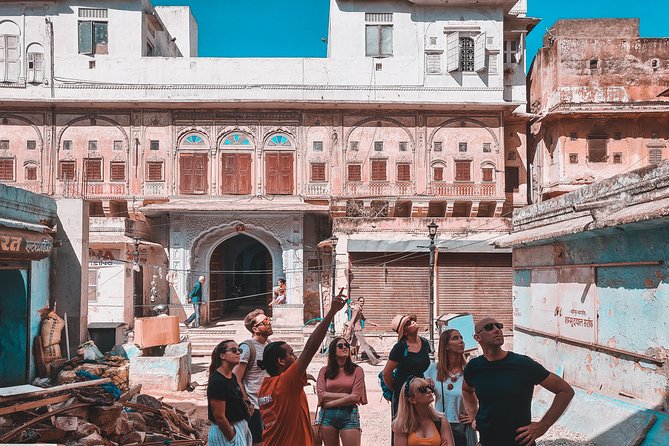
Your walk starts around Ajmeri Gate, one of the busiest gates in the old city. The guide spends time on its history and purpose, but the real usefulness is how they connect it to how people and goods move through the area now.
This stop is great for two reasons:
- It helps you understand Jaipur as a living city, not a collection of monuments.
- You get a sense of the old gate logic—how access shaped neighborhoods and how traffic patterns evolved over time.
Ajmeri Gate’s entry is listed as free, so you can spend your budget on the paid elements of the route (if any). The only thing to watch is that this area is busy. You’ll want to keep your phone secure and stay close to the group so the guide can move you through photo points efficiently.
Isarlat Sargasooli: how architecture gets explained on the street
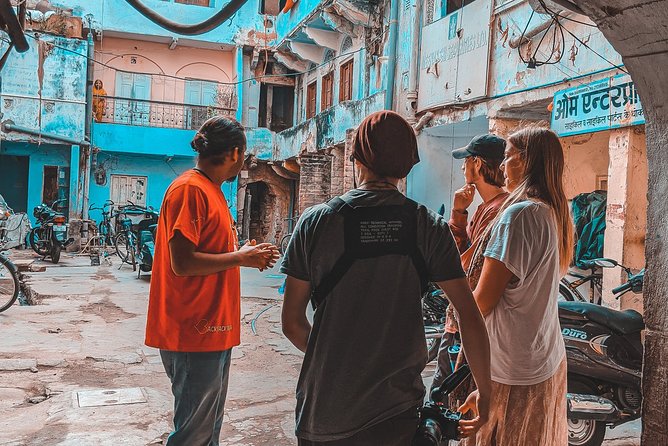
Next comes a quieter, more design-focused moment in front of Sargasooli / Isarlat Sargasooli (you’ll see spellings vary). Here, the guide shifts from city movement to the thinking behind construction.
This is the kind of stop that makes the difference between a normal sightseeing walk and a tour that actually changes how you see buildings. Instead of just pointing at details, you’ll get a guided explanation of the architecture of the city and why it was built that way.
What I like about this kind of stop is that it teaches you what to notice later—even when you’re on your own. Once you’ve had someone connect form to function, you’ll spot patterns in windows, openings, and street rhythm that you would otherwise miss.
Entry here is not included, so if you’re expecting everything to be free, double-check what’s covered for this specific stop. (If tickets are required, you’ll likely need to pay separately.)
Tripolia Bazaar and the royal-to-public story at the gate
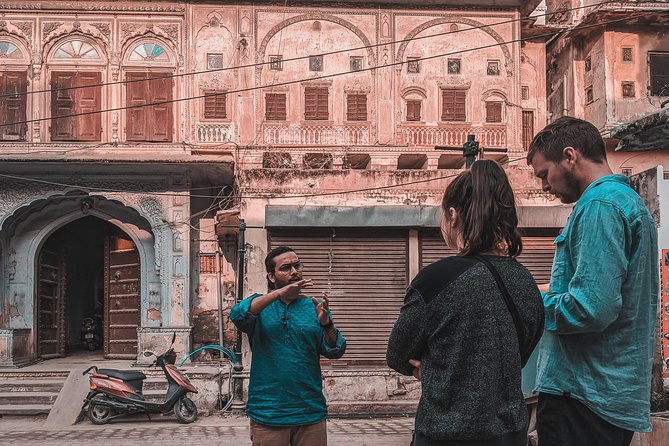
Then you reach Tripolia Bazaar, anchored by Tripolia Gate—described as a private entrance tied to the royal family. The story point you’re given is that it was opened to the general public only once, when a former king of Jaipur went to fight an election.
That’s a great example of why this tour works: it gives you the political and social context behind a gate. It’s not just a pretty entrance. It’s a reminder that access to power used to be physical and controlled.
Tripolia Gate is listed as not included for admission, so expect possible ticket needs here. Also, bazaar areas are narrow and crowded in places. Keep your attention on the guide’s directions, because it’s easier to miss the best angles than it is to find them.
You can also read our reviews of more historical tours in Jaipur



Hawa Mahal with 900 windows: more than a postcard
No Jaipur morning walk feels complete without Hawa Mahal—the Palace of Wind. The tour frames it as more iconic than Amber Fort, and you’ll understand why quickly once you see the façade.
The standout detail is the 900 windows, and the guide uses that to talk about engineering and design logic. You’re not just told that it’s famous. You learn why these windows matter and what problems the architecture is trying to solve.
This stop is a strong payoff for two types of travelers:
- You like photography, and you want your eyes trained on the right features.
- You prefer learning how old builders solved airflow and light challenges with the tools they had.
Admission is listed as not included, so treat it as a possible extra cost depending on what you choose to enter or view. Even if you only look from outside, it’s still one of the most visually specific buildings in the city.
Jalebi Chowk: the City Palace backyard square and a food-name clue
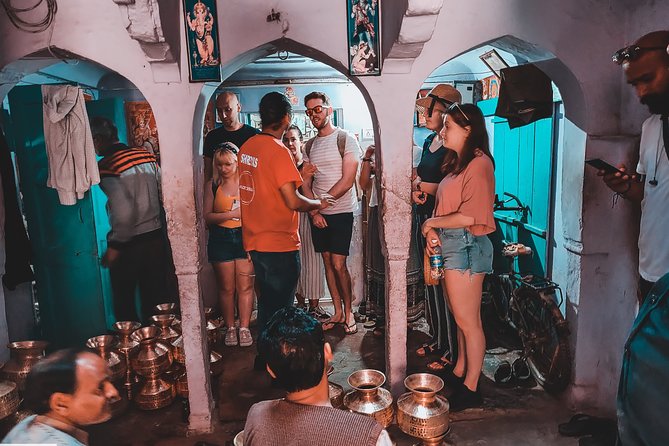
Your next stop is Jalebi Chowk, described as a square in the backyard of the City Palace, the residence of the crown of Jaipur. The tour’s angle here is clever: it explains how the square got its name by a serpentine road that connects east-west.
You’ll also hear that this square has historic importance, even though it’s not as loudly advertised as the big names. That’s the payoff of this route: it’s designed to connect “wow” monuments with smaller, meaningful urban spaces.
Jalebi Chowk’s entry is listed as free, which is a nice value move. If you’re budget-conscious, this stop helps balance the paid elements earlier or later. It’s also a good moment to catch your breath. You’ll be in a central old-city environment, but it’s more of a square stop than a long walk-through bazaar maze.
Govind Devji Temple and the chai Q&A wrap-up

The tour ends its story at Govind Devji Temple, described as the most famous temple dedicated to Lord Krishna. This is where the pacing typically shifts from architecture facts to cultural meaning, and it’s a logical ending point because Krishna devotion is deeply woven into Jaipur’s daily life.
After the temple, the group goes to a chai shop for a Q&A session. I like this format because it gives you a chance to ask the questions you didn’t think of mid-walk. Maybe you wonder about money in Jaipur, temple etiquette, or how locals think about the old city versus new development. A Q&A after seeing the landmarks is usually when details click.
This temple stop is listed as not included, so ticket expectations may apply. Still, the chai portion is a practical bonus: warm drink, relaxed tone, and you’re not immediately forced back into the chaos of sightseeing.
Small group size: why it changes your morning
The tour caps at 10 travelers, which affects everything in a good way. You get shorter waits at crossings, clearer explanations, and more chances to ask follow-up questions. A group this size also feels less intimidating in crowded areas like the old gates and bazaars.
For solo travelers, that’s a big deal. You’re not just following a line of strangers. You’re in a small circle where the guide can adapt to the pace. And since you’re walking, the guide can stop when something catches your attention, instead of being forced into a strict “next in 60 seconds” rhythm.
What you’ll get from the guide beyond facts
The route is guided by architecture-trained storytelling. You’ll hear about:
- how gates like Ajmeri Gate shaped access and the city’s functioning
- how design choices appear in building details and street patterns
- why Tripolia Gate was controlled access, and what a single public opening meant
- how Hawa Mahal’s window design connects to engineering logic
- how old-city spaces like Jalebi Chowk hold cultural and historical weight
Even if some technical details go over your head, the value is you’ll leave with a framework for seeing Jaipur differently. The guide gives you explanations you can carry into future days when you’re buying tickets, choosing viewpoints, or deciding which streets to walk on your own.
Real-world considerations before you commit
This tour is low-cost and well structured, but there are a couple things you should treat as serious planning points.
A reported risk: guide no-shows
There are reports of a guide not appearing at the meeting point and not responding quickly. I can’t promise this never happens. What I can say is this: don’t wander off on your own right before the start. Arrive early, check that you have the right pickup/meeting instructions, and be ready to contact support through the platform you booked with if something goes wrong.
Entrance fees can show up
Some stops are free, while others are clearly not included. That means your final spending depends on what you choose to enter and what the guide brings you into. Build a small buffer so you’re not stuck renegotiating your day mid-tour.
Weather matters
The experience requires good weather. Jaipur mornings can swing fast, so check conditions before heading out. If it’s canceled, you’ll need flexibility to take a replacement morning.
Who this tour fits best
This is a strong match if you:
- want a morning walk that doesn’t eat your whole day
- prefer learning city meaning through architecture and urban stories
- like small groups and direct Q&A at the end
- appreciate included basics like breakfast and water
You might want to choose differently if you:
- dislike walking and prefer vehicle-based sight time
- need every entrance included with no extra costs
- can’t handle uncertainty around meeting times
Should you book the Jaipur Heritage Walking Tour?
I’d book it if you want a budget-friendly way to understand Jaipur on foot, especially for the small-group attention, included breakfast, and the fact that your guide is focusing on architecture and why things were built. The complimentary digital photos are a nice perk too, and the chai Q&A is a friendly way to end the morning with your own questions answered.
If you’re booking for a tight schedule or you’re traveling with zero tolerance for delays, I’d do extra checking on your end: arrive early, confirm the meeting location details, and have a backup plan if the start doesn’t go as expected. The experience looks great on paper. Just treat the meeting time as something worth actively managing.
FAQ
How long is the Jaipur Heritage Walking Tour?
The tour lasts about 2 to 4 hours.
What time does the tour run?
It runs daily within the window of 8:00 AM to 12:00 PM.
Is breakfast included?
Yes. A Rajasthani breakfast is included.
What’s included besides breakfast?
You also get a water bottle, an experienced English-speaking guide, lots of stories and architecture facts, and sharing of digital photos taken during the tour.
Are entrance tickets included for all stops?
No. Some stops are listed as free, while others have admission tickets not included.
How big is the group?
The tour has a maximum of 10 travelers.
Is there a mobile ticket?
Yes, the tour uses a mobile ticket.
What if the weather is bad?
The experience requires good weather. If it’s canceled due to poor weather, you’ll be offered a different date or a full refund.
Where does the tour end?
The tour ends in a different location than the meeting point.