REVIEW · JAIPUR
Amber village heritage tour including Amber fort
Book on Viator →Operated by Bagheera Adventure · Bookable on Viator
Amber Fort clicks fast when you’re not wandering at random. I like that you get hotel pickup plus tuk-tuk transport, so your time goes into sights, not logistics. I also like the mix of classic heritage and pop-culture stops, including Bollywood filming locations you can place as you walk. The main thing to consider is that the big-ticket admission for Amber Palace/fort isn’t included.
You also get a real sense of the area’s layers. The plan moves from a 16th-century stepwell to a carved Vishnu temple, then into Amber Palace, and finally into Amer village life. It’s structured for a 2–3 hour window, with a guided walk that helps you navigate a sprawling complex.
One more practical note: this tour is listed for moderate physical fitness, so if you’re not comfortable with uneven stone surfaces and some walking, plan accordingly.
In This Review
- Key highlights that make this tour worth it
- Why Amber Fort is easier (and more fun) with a short guided loop
- Hotel pickup and tuk-tuk transport: the real start of your day
- Panna Meena ka Kund stepwell: a 16th-century stop with film-finder energy
- Jagat Shiromani Ji Temple: marble carving that rewards close looking
- Inside Amber Palace: how a guide helps you see Mughal and Rajput influences
- Amer village walk: temples, ornate havelis, and everyday life beyond the fort
- Chai and a local tea experience: the calm cultural payoff
- Price and value: $25 makes sense if you care about guided meaning
- Who this tour fits best in Jaipur
- Practical tips before you go (so the day runs smoothly)
- Should you book this Amber village heritage tour with Amber Fort?
- FAQ
- How long is the Amber village heritage tour with Amber Fort?
- Do I get pickup from my hotel in Jaipur?
- Is the tour private?
- Are tickets included for Amber Palace?
- What stops are included in the tour?
- What is included in the price besides the guide?
- Where does the tour start and end?
Key highlights that make this tour worth it
- Tuk-tuk pickup from your hotel to Amer so you lose less time getting there
- Architecture explained as Mughal vs Rajput styles, not just dates and names
- Panna Meena ka Kund stepwell + Bollywood filming locations on the same route
- Jagat Shiromani Ji Temple with famous marble carving details
- Guided walk through Amer village to see temples, ornate havelis, and local daily life
- Tea with a local family for a calmer, more personal cultural stop
Why Amber Fort is easier (and more fun) with a short guided loop
Amber Palace is one of those places that can overwhelm you if you arrive cold. The grounds sprawl, corridors branch, and it’s easy to miss why any particular view or doorway matters. This tour is built around a simple idea: keep it moving, hit the most meaningful corners with context, and use a local guide to help you connect the dots.
For me, the value is the pacing. You’re not stuck for hours inside every hall. You’re guided to the right stops, with time to look closely and ask questions. And because the tour includes a walk through Amer village afterward, you get a fuller picture of the landscape beyond the main palace walls.
Another practical win: it’s private. That matters at Amber, where a group tour can turn into a stampede. With only your group, you can slow down for photos, pause for stories, or ask your guide to point out a specific detail.
You can also read our reviews of more historical tours in Jaipur

Hotel pickup and tuk-tuk transport: the real start of your day
You begin at Anokhi Museum / Anokhi Haveli Kheri Gate in Amer, Jaipur, but the experience itself is designed to feel easy. Pickup from your hotel in Jaipur to Amber Palace is offered, and the transportation is by tuk-tuk.
In plain terms, tuk-tuks are perfect for short transfers in this area. They keep the day efficient and reduce the friction of taxis, parking, and finding the right entrance. You’ll also have bottled water, which is a small thing that makes a big difference when you’re walking outside in Jaipur.
Timing is flexible too. You can choose your preferred start time with options throughout the day. That’s useful because Amber’s light can change a lot, and if you’re planning around heat or schedules, you’ll appreciate the built-in choices.
Panna Meena ka Kund stepwell: a 16th-century stop with film-finder energy
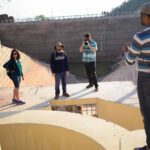
The first sight is Panna Meena ka Kund, a stepwell from the 16th century in Amber (also referred to as Amer). This is not just a pretty ruin. Stepwells are practical architecture: they connect water storage with community use, and they show how people engineered comfort into dry conditions.
You’ll spend about 10 minutes here, and the admission ticket is free for this stop. That means you can enjoy it without turning it into a long detour. It also pays off later, because it gives you a sense of how this region worked before the palace became the star.
Then comes the fun part: Bollywood filming locations. This stepwell has been used in films like Dabang 2, Dhadak, Bhul bhulaiya, and Paheli. Even if you’re not a superfan, you’ll likely enjoy the feeling of recognizing places through movies. More importantly, it gives your guide an easy entry point to explain how location scouting and storytelling intersect with real-world heritage.
Jagat Shiromani Ji Temple: marble carving that rewards close looking
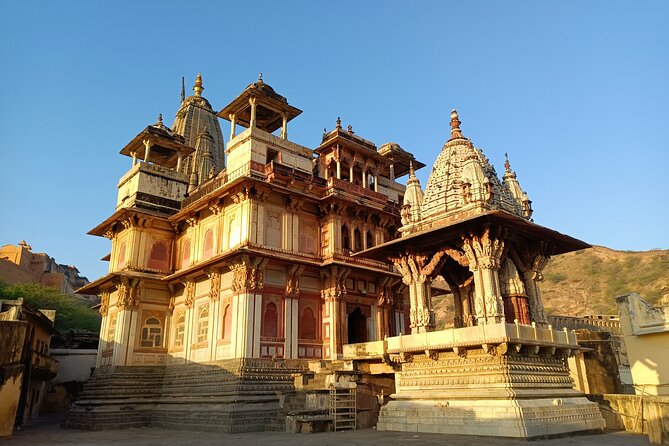
Next you visit Jagat Shiromani Ji Temple, dedicated to Hindu God Vishnu, along with Laxmi and God Krishna. The stop runs about 15 minutes and is also free to enter.
What I’d watch for here is the instruction to slow down just enough to see the craftsmanship. The highlight is the marble stone carving, and it’s the kind of detail that’s easy to miss if you treat the stop like a quick photo break.
A local guide is the key. Temple details often have meaning, and a guide can point you toward what you’re actually looking at. If you’re the kind of traveler who likes to ask why a carving style looks a certain way, you’ll get room to do that here.
This stop also gives a nice emotional reset between the stepwell and Amber Palace. You go from water architecture to devotional space, then back into the palace complex as a lived-in world, not just a tourist showpiece.
Inside Amber Palace: how a guide helps you see Mughal and Rajput influences
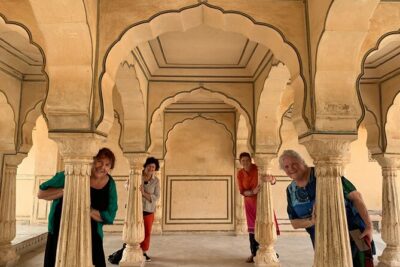
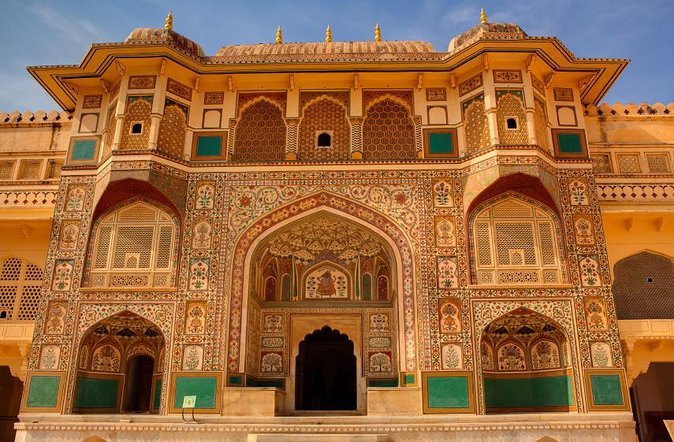
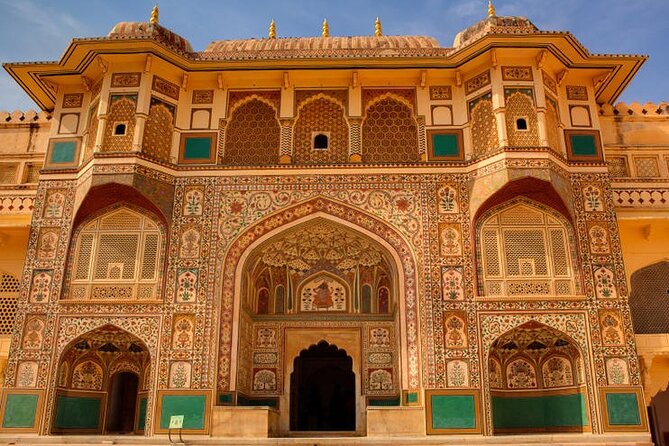
Amber Palace is the centerpiece, and you’ll spend around 1 hour at the palace complex. Admission isn’t included, so you should expect to pay the site entry separately. Once you’re inside, the tour’s value kicks in.
The guide focuses on different architecture styles—specifically Mughal and Rajpur—and that’s a big difference from reading a few signs and hoping everything makes sense. When someone explains the styles in a way you can visually track, the fort stops being a blur.
This is also where the tour’s navigation help matters. Amber Palace is sprawling. Corridors and courtyards can feel similar until you know what to look for. With a guide, you get a path that helps you find the best viewpoints and the most meaningful corners.
You’ll also have the chance to ask questions about history and cultural significance. This kind of Q-and-A is one of the best uses of paying for a guide. You’re not just consuming facts; you’re translating what you see into understanding.
If you like photography, this stop can be extra satisfying. In past experiences with local guides (names like Raju and Sid have been highlighted), people have noted that guides know good family-photo spots. Even if you’re traveling solo, that habit of spotting angles helps you get better pictures with less wandering.





Amer village walk: temples, ornate havelis, and everyday life beyond the fort
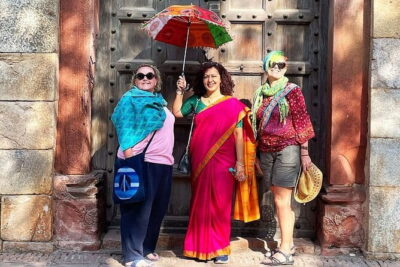
After the palace, the tour shifts tone with a walk through Amer (Amber) village. Expect about 30 minutes on this guided segment, and the admission for this part is free.
Here’s what you’re looking for: historic temples, ornate havelis, and local life. This matters because it fills in the context that palaces alone can’t give. You get to see what heritage looks like when it’s still part of daily neighborhoods.
The best way to do this walk is with curiosity. Don’t just aim your camera at everything. Pause at doorways, carved facades, and temple exteriors that show patterns of craft. A guide can point out what to notice so you don’t treat it like random streets.
This village stop is also a smart break. After concentrating inside Amber Palace, you get a more human pace. The tour keeps moving, but you’re not stuck in crowds.
Chai and a local tea experience: the calm cultural payoff
Transportation and monuments are the obvious part of the day. The quietly memorable part is often food and hospitality, and this tour includes coffee and/or tea plus an authentic chai experience with a local family in their home.
You can think of this as a palate cleanser between major visual moments. After stepping from stepwell to temple to palace, sitting for chai helps you slow down and connect to the people who still live with this landscape, not just tour around it.
Because it’s described as with a local family at home, keep expectations flexible. This is not a big restaurant show. It’s a personal stop, and it can be a nice way to learn something practical—like how locals talk about the flavors of spice tea—while you rest your feet.
Price and value: $25 makes sense if you care about guided meaning
At $25.00 per person, this tour sits in the “budget-friendly with real help” zone. The biggest reason it’s good value is that you’re paying for more than a ticketed entrance.
What you’re getting included:
- local tour guide
- bottled water
- transportation by tuk-tuk
- coffee and/or tea, plus a chai experience with a local family
On top of that, the free-entry parts of the route help you stretch your money: Panna Meena ka Kund and Jagat Shiromani Ji Temple are listed as free, and the Amer village walk is free too.
What’s not included: admission ticket for Amber Palace/fort. So the honest way to judge the cost is this: you’re likely paying roughly $25 for guiding, transport, and the chai experience, while you handle the main entry fee separately.
If your priority is getting orientation fast—what to see, what to ask, how to understand Mughal vs Rajput influences—this price usually feels fair. If you mainly want the cheapest possible ticket and don’t care about context, then a standalone ticket might cost less. But you’ll miss the connective tissue.
Who this tour fits best in Jaipur
This is a strong choice if you:
- want a guided plan that keeps you from getting lost in Amber Palace
- like history explained through architecture styles, not just memorized facts
- enjoy a mix of heritage and storytelling, including Bollywood filming locations
- prefer a private experience with time to ask questions
It may not be the best match if you:
- need step-free access or very limited walking (the tour calls for moderate physical fitness)
- are allergic to crowds and prefer to spend long hours inside one site rather than moving through multiple stops in a short window
For families, it can also work well. One guide name mentioned in past experiences (Sid) was praised for explaining sections in detail and helping children feel comfortable. That’s the kind of approach that can make heritage feel less intimidating for younger travelers.
Practical tips before you go (so the day runs smoothly)
A few small moves can make the difference between enjoying Amber and just surviving it.
- Pick your start time thoughtfully. The tour offers options throughout the day. If you want more comfortable walking, choose a time that avoids peak heat.
- Wear grippy shoes. Fort and temple areas are typically uneven and stone-heavy.
- Bring a light layer. Jaipur can swing in temperature, especially if you’re starting later.
- Plan for the palace ticket separately. Amber Palace admission isn’t included, so factor that into your day’s budget.
- Use your guide for questions. This tour is designed for that. Ask what a detail means, not just what it is.
- If you like photos, ask early. Guides who know good angles (like those named Raju or Sid in prior experiences) can help you avoid waiting and backtracking.
Should you book this Amber village heritage tour with Amber Fort?
I’d book it if you want an efficient, guided route that helps you understand Amber Fort quickly and then puts that monument into a broader human setting with Amer village life and a chai stop at a local home. At $25, it’s also a smart way to buy context without paying for a long, expensive full-day tour.
Skip it only if you’re the type who prefers to wander solo for hours inside Amber Palace and you don’t care about architecture-style explanations or Bollywood-style place recognition.
If your goal is to leave with memories that make sense—what you saw, why it matters, and where it fits into Jaipur—this tour has the right shape.
FAQ
How long is the Amber village heritage tour with Amber Fort?
The tour runs about 2 to 3 hours.
Do I get pickup from my hotel in Jaipur?
Pickup is offered from your hotel in Jaipur to Amber Palace.
Is the tour private?
Yes. Only your group participates.
Are tickets included for Amber Palace?
No. Admission to Amber Palace is not included. The other listed stops are free.
What stops are included in the tour?
You visit Panna Meena ka Kund, Jagat Shiromani Ji Temple, Amber Palace, and then go for a guided walk through Amer village.
What is included in the price besides the guide?
Included items are a local tour guide, bottled water, transportation by tuk-tuk, and coffee and/or tea with an authentic chai experience with a local family.
Where does the tour start and end?
It starts at Anokhi Museum / Anokhi Haveli Kheri Gate, Amer, Jaipur, Rajasthan 302028, and ends back at the meeting point.