
REVIEW · JAIPUR
Kitchen is Yours Cooking class in Jaipur with Pickup & Drop
Book on Viator →Operated by Activities in Jaipur · Bookable on Viator
Cooking in a Jaipur home beats restaurants. You get the home-kitchen welcome with a traditional drink, then hands-on cooking of classic Indian dishes, ending with the food you helped make. The only real catch is the menu can vary by season, so go in ready to be flexible.
I like that the class is taught by people who actually host in their own space. Rohit and his mum set the tone fast, and the session covers practical basics plus a real taste of Indian cooking variety.
One more thing to consider: 3 hours is fun and learnable, but it’s not the same as a multi-day training. If you want super-detailed technique for every dish, bring your questions and be patient with the pace.
In This Review
- Key highlights I’d plan around
- A Home-Kitchen Class That Feels Like Dinner, Not a Demo
- Price and Logistics: What $31.77 Buys You in Jaipur
- Pickup to Apron: How the Session Flows (and Why It Works)
- The Food Lesson Behind the Food: Indian Cuisines and Kitchen Basics
- Chapati (Roti) and the Savory Core: Dal, Vegetables, Paneer
- Chapati (Roti)
- Seasonal vegetable dishes
- Dal (lentils)
- Paneer sabji (cottage cheese curry)
- Sweet Lessons: Kheer and Halwa That Translate to Home Cooking
- Kheer (Rice Pudding)
- Halwa (Semolina pudding)
- Lunch and Dinner Included: You’ll Eat Like You Cook
- What to Ask During the Class (So You Leave With Real Skills)
- Who This Cooking Class Fits Best
- Should You Book Kitchen is Yours in Jaipur?
- FAQ
- How long is the Kitchen is Yours cooking class in Jaipur?
- What is the price per person?
- Does it include pickup and drop-off?
- What meals are included?
- Which dishes will I learn to cook?
- Is this a private class?
- What if I have allergies or dietary restrictions?
- What is the cancellation policy?
Key highlights I’d plan around
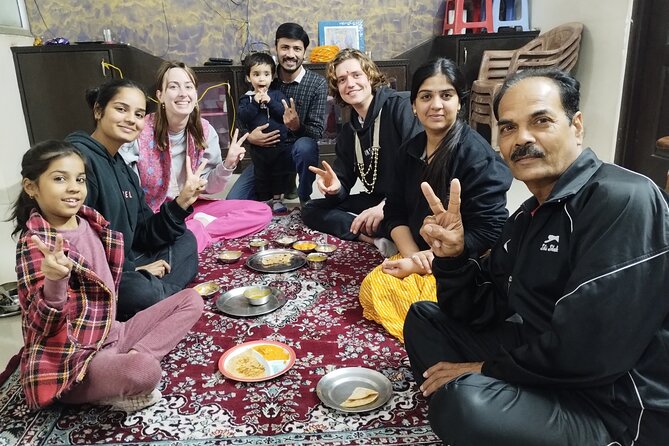
- Pickup & drop included, so you don’t have to “figure it out” after cooking
- A traditional drink on arrival (chai or lemon water) before you touch a pan
- Chapati (roti) fundamentals, plus dal and seasonal vegetable dishes
- Paneer sabji and dessert training like kheer and halwa
- Masala tea (chai) instruction you can actually repeat back home
A Home-Kitchen Class That Feels Like Dinner, Not a Demo
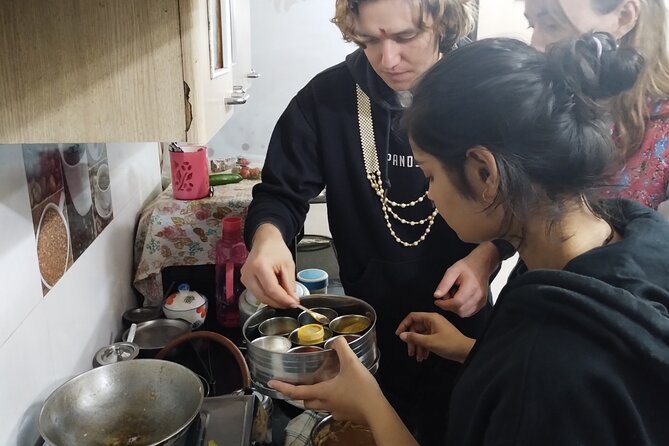
The best part of Kitchen is Yours is the setting. Instead of standing around watching someone else work, you’re introduced to an Indian kitchen in a real home environment. That matters because Indian cooking isn’t just recipes. It’s rhythm: timing, heat control, and how spices get handled.
You’ll start with a traditional drink—often chai or lemon water—while you get oriented. It’s a small moment, but it puts you in the right mindset. You’re not rushing into “learning.” You’re settling into the experience.
And yes, the vibe is family-style. The cooking is shared, questions are welcome, and you finish by eating what you made. That’s why people give this class such strong marks for being genuinely enjoyable, not stiff or scripted.
You can also read our reviews of more cooking classes in Jaipur

Price and Logistics: What $31.77 Buys You in Jaipur
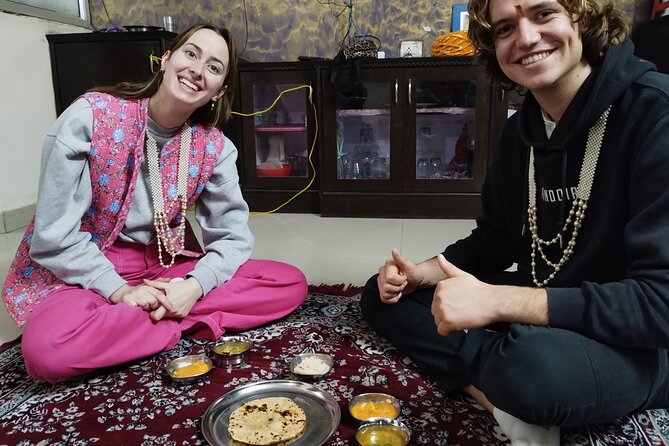
At $31.77 per person for about 3 hours, this class sits in the value zone for Jaipur. The headline isn’t just “you pay for cooking.” You also get transport, meals, and the instruction time packed into a private setup.
Here’s what you’re really buying:
- Pickup and drop-off, which saves you time and stress in a city where traffic and distances can be unpredictable
- All fees and taxes included, so you’re not doing surprise math later
- Lunch and dinner plus coffee/tea, which turns the class into a full food experience, not a snack-and-send
A private group max of 6 people is also a big deal. Small groups usually mean you get more attention at the cutting board and stove. With more people, it’s easy for hands-on time to shrink into “watching with a spoon.” This one stays closer to doing.
Pickup to Apron: How the Session Flows (and Why It Works)
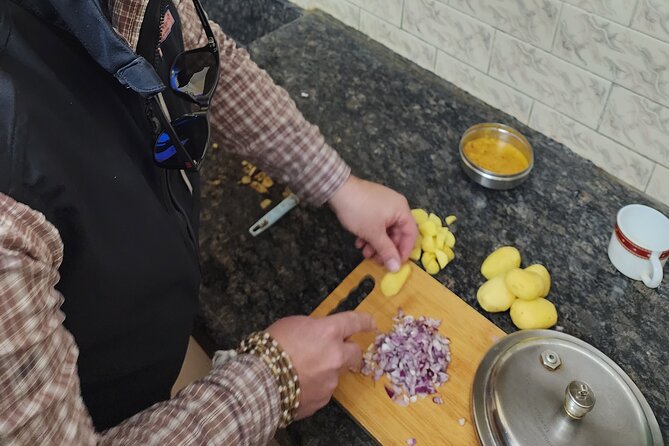
The schedule runs through a wide window, 10:00 AM to 7:00 PM, and the class is about 3 hours. That timing helps if you’re juggling Jaipur sights that day—this can fit as a daytime anchor or a late-morning-to-afternoon break.
You’ll meet near public transportation and you’ll have a mobile ticket, which is handy when you’re moving around the city. From there, the flow is straightforward:
- Welcome at the home and drink
- Kitchen and cuisine orientation
- Hands-on cooking instruction for multiple dishes
- Eat what you made, then ask follow-up questions
That “ask follow-up questions” piece is underrated. Indian cooking can feel intimidating at first because there are many spices and multiple ways to balance flavors. When someone can answer your specific questions—like how to make masala tea taste right or what to swap when you don’t have an ingredient—that’s practical learning, not trivia.
Also, the class is seasonal. So if you’re visiting in a different month, you might see some menu swaps. That’s normal here and not a problem—plan to learn methods, not memorize exact plants and jars.
The Food Lesson Behind the Food: Indian Cuisines and Kitchen Basics
Before the cooking starts, you’ll get introduced to Indian cuisine varieties and how an Indian kitchen works. You’ll also get a quick briefing on different dish types—this helps you understand what you’re making instead of treating it like a checklist.
You’ll also learn how local ingredients and techniques connect. For example, Indian flavors often come from how spices are toasted, when liquids are added, and how long foods are simmered. Even without a full “science lecture,” the structure of the class nudges you toward thinking that way.
And then you get one of the most useful skills for home cooking: Masala Tea (Chai). If you can nail the tea balance—spice level, milk-to-water ratio, and simmer time—you’ll use it constantly once you’re back home. It’s also a good warm-up skill because it doesn’t require precision equipment.
Chapati (Roti) and the Savory Core: Dal, Vegetables, Paneer
The teaching list is classic and smart. You’re not stuck cooking just one item for 3 hours. You’ll learn multiple staples that build a real Indian meal.
You can also read our reviews of more tours and experiences in Jaipur



Chapati (Roti)
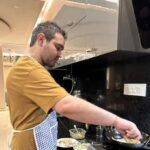
Chapati is one of those skills that rewards attention. You’ll learn the process behind the dough and rolling. The big value here is technique: how to shape without tearing, and how to manage heat so it cooks through.
Even if your first chapati looks a bit lopsided, that’s normal. The win is learning what to adjust next time.
Seasonal vegetable dishes
You’ll also learn a seasonal vegetable dish. The exact vegetables can change depending on what’s available, but the method usually stays consistent. That’s useful for you at home because you won’t be locked into one rare ingredient.
Dal (lentils)
Dal is comfort food and also a foundation. You’ll learn how dal fits into the meal and how lentils become creamy and flavorful. What you’re really learning isn’t just the recipe—it’s how to balance thickness, spice level, and simmer time.
Paneer sabji (cottage cheese curry)
Paneer teaches you how to treat dairy-based ingredients in savory cooking. You’ll learn how paneer behaves once it hits the sauce—when to add it and how to keep it from turning rubbery or losing flavor.
If you like Indian food for its creamy curries, paneer sabji is often the “aha” dish that makes the whole cuisine click.
Sweet Lessons: Kheer and Halwa That Translate to Home Cooking
The dessert portion is where many classes either skip detail or make it feel mysterious. Here you’ll be taught classic sweets such as Kheer (rice pudding) and Halwa (semolina pudding).
Kheer (Rice Pudding)
Kheer is gentle and forgiving if you understand what’s happening: starch thickens the pudding as it cooks down, and the flavor builds over time. Learning this in a structured setting helps you figure out when it’s ready—because “ready” for kheer isn’t just a clock. It’s texture.
Halwa (Semolina pudding)
Halwa is a different kind of sweet: richer, thicker, and more dependent on stirring and timing. You’ll learn how semolina transforms and how it becomes fragrant and spoon-thick.
Desserts like these are great souvenirs too—because once you learn them, you can recreate the taste for friends. That’s not just fun. It’s also a way to remember what you learned while cooking.
Lunch and Dinner Included: You’ll Eat Like You Cook
This experience includes lunch and dinner, plus coffee and/or tea. That’s a lot of food for a 3-hour class, and it’s part of why the value feels strong.
Here’s the practical upside: you’re not racing to find a meal after class. You finish your cooking, sit down, and eat. That reduces decision fatigue, which is a real part of travel quality.
Also, eating what you made gives you immediate feedback. You learn what balance feels right. Next time you cook at home, you’re not guessing from memory—you’re comparing against a real meal you just ate.
What to Ask During the Class (So You Leave With Real Skills)
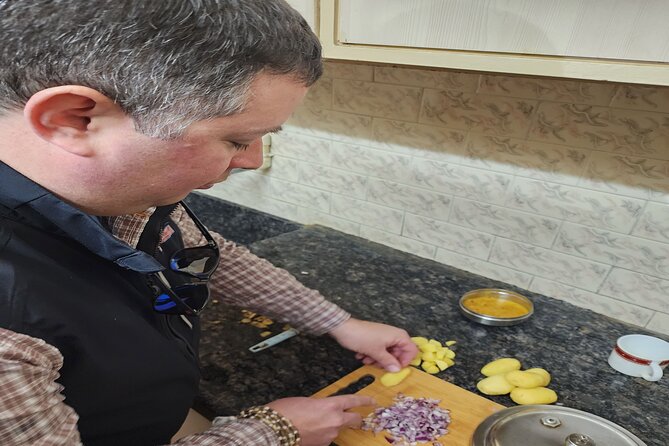
The best learning moments happen when you get specific. If you want to maximize your results in a short session, bring questions like:
- How to adjust spice levels in dal without ruining flavor
- What makes chai taste right—especially the spice and simmer approach
- How to make chapati consistent (even when humidity or flour brands differ)
- Ingredient swaps for seasonal vegetable dishes
Since you can ask more questions after cooking, don’t worry about holding back. The class format is designed for Q&A, not silent observation.
Who This Cooking Class Fits Best
This class is a great fit if you:
- Want a hands-on meal experience rather than a showroom-style cooking demo
- Like learning practical basics (chapati, dal, paneer) and repeating them later
- Prefer a small, private group max of 6 people
- Appreciate having food included, plus transport
It’s less ideal if:
- You’re hoping for a super long, deeply technical training session for one dish
- You need an ultra-fixed menu with no seasonal variation (the program can change depending on season)
Should You Book Kitchen is Yours in Jaipur?
I’d book it if you want a friendly, home-style cooking class that teaches you how to make a full Indian meal. The combo of pickup/drop, meals included, and a small private group makes it feel easy to commit to. You also get instruction on the essentials—chapati, dal, vegetables, paneer—and finish with sweets like kheer and halwa, plus chai.
If you’re craving authentic food learning without heavy tourist packaging, this is one of the better bets. Just go in with flexible expectations about the exact menu and use the time to ask questions. That’s how you turn a great evening into repeatable cooking skill.
FAQ
How long is the Kitchen is Yours cooking class in Jaipur?
The class is approximately 3 hours.
What is the price per person?
The price is $31.77 per person.
Does it include pickup and drop-off?
Yes, transport for pickup and drop-off is included.
What meals are included?
Lunch and dinner are included, along with coffee and/or tea.
Which dishes will I learn to cook?
You can learn dishes such as Chapati (Roti), seasonal vegetable dishes, Dal (lentils), Paneer sabji, Kheer (rice pudding), Halwa (semolina pudding), and Dal & Baati. Masala Tea (chai) is also taught.
Is this a private class?
Yes. It’s private, with only your group participating, and there is a maximum of 6 people per booking.
What if I have allergies or dietary restrictions?
You should advise the provider at the time of booking if anyone has allergies, dietary restrictions, or cooking preferences.
What is the cancellation policy?
You can cancel for a full refund up to 24 hours in advance of the experience’s start time. If you cancel less than 24 hours before, the amount paid is not refunded. The experience also depends on good weather.