REVIEW · JAIPUR
Jaipur: Jhalana Amagarh Leopard Reserve 4×4 Jeep Safari
Book on GetYourGuide →Operated by Parikshit Tour and travels · Bookable on GetYourGuide
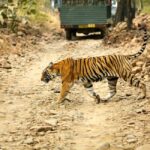
Jaipur’s wild side hides in plain sight. This Jhalana/Amagarh Leopard Reserve safari gives you a focused shot at big cats near the Aravali Hills, plus a comfortable hotel-to-forest ride. I especially like the 4×4 jeep setup for getting off the main roads, and the way your guide keeps scanning for action, even when sightings are slow. One catch to plan for up front: leopard sightings aren’t guaranteed, and there’s no refund if you don’t see one.
What I really like is the practical service layer. You get hotel pickup and drop-off in an air-conditioned vehicle, usually with a driver who’s on time and a guide who tries hard to position your jeep when an animal turns up. In a lot of India experiences, wildlife can feel chaotic—here, it feels organized, with time actually spent in the reserve.
The main drawback is simple: nature is nature. Some trips are all about other species—hyena, deer, birds—and the cats can stay out of view. Also, if you’re going in winter, you’ll want to dress for big temperature swings once you’re out in the jeep.
In This Review
- Key Things to Know Before You Go
- Jhalana-Amagarh: Leopard Country Inside Jaipur’s Reach
- The Day Plan: Pickup, Park Entry, and the Safari Block
- Hotel pickup and AC ride
- Skip-the-line entry
- The jeep safari window: where the magic happens
- What You’ll Likely See Beyond Leopards
- 4×4 Safari Reality: How the Spotting Game Works
- Jeep comfort and space
- Binoculars and camera time
- Timing: Early Morning vs Sunset in Jaipur’s Wildlife Season
- Early mornings: stunning, but cold
- Sunset: often easier on comfort
- Elephant Village Option: Know What You’re Paying For
- Price and Value: Is $60 a Fair Deal?
- Who This Safari Suits Best (And Who Might Want Another Plan)
- Practical Tips That Improve Your Odds (Without Overhyping)
- Should You Book This Jhalana-Amagarh Leopard Safari?
- FAQ
- How long is the safari in the park?
- Do I need to see leopards to enjoy the tour?
- What’s included in the price?
- Is the jeep safari private?
- Is there an elephant-related option?
- What should I bring and what’s not allowed?
Key Things to Know Before You Go
- Leopards are the prize, but not the promise: your guide works for sightings, yet the reserve is unpredictable
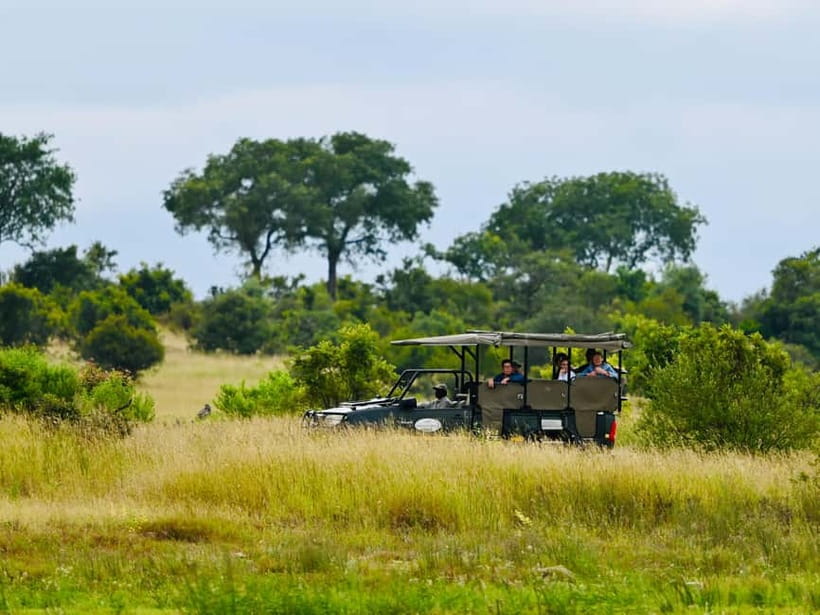
- 4×4 jeep time is the core experience: expect about 2:15–2:45 in the park doing real track-hunting
- AC hotel transfers make the day easier: you’re not stressing about getting to the reserve
- Plenty of other wildlife shows up even when leopards don’t: hyena, deer, Nilgai, mongoose, and more
- Timing matters: early morning can be cold; sunset can be a sweet spot for cats and photos
- Optional elephant activities may not be a good value depending on what you choose
Jhalana-Amagarh: Leopard Country Inside Jaipur’s Reach
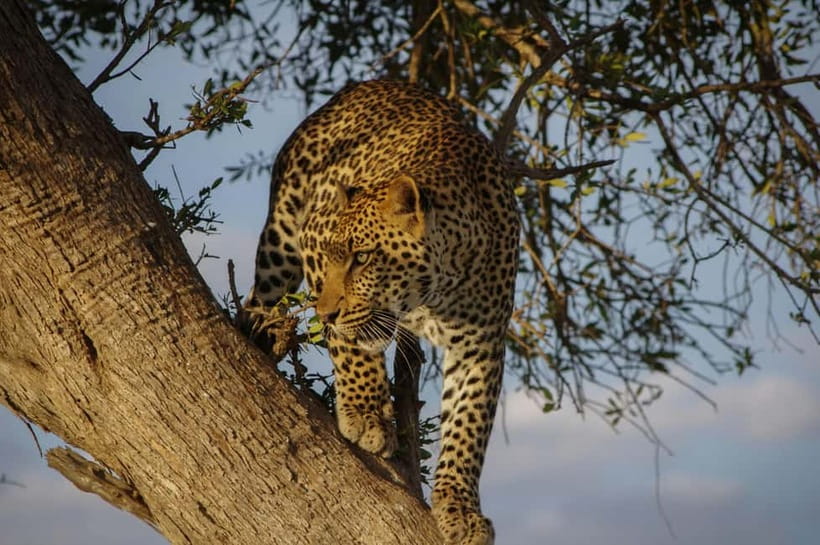
Jhalana/Amagarh sits just close enough to Jaipur that you don’t feel like you’ve left everything behind. You’re still in Rajasthan, surrounded by the Aravali Hills, but once you hit the reserve roads, the vibe changes fast. It’s calmer. Quieter. Less traffic noise. More birds. More dust. More real “wild” time.
What makes this reserve especially interesting is that it’s designed around leopard habitat in a way you can actually visit. It’s India’s first leopard reserve located in the Jaipur city area, run through the Government Forest Department. That matters because you’re not doing an improvised hunt—you’re entering a managed system with rules, vehicles, and guided movement.
This is not a zoo-style viewing setup. You’re driving, watching, waiting, and responding. So your expectations should match the format. Think “wildlife pursuit” more than “guaranteed cat spotting.”
If you care about authenticity, this is a decent match. You’re seeing animals in a landscape they live in, not just behind fences—while still having a guide who knows where to look and how to position.
You can also read our reviews of more tours and experiences in Jaipur
The Day Plan: Pickup, Park Entry, and the Safari Block
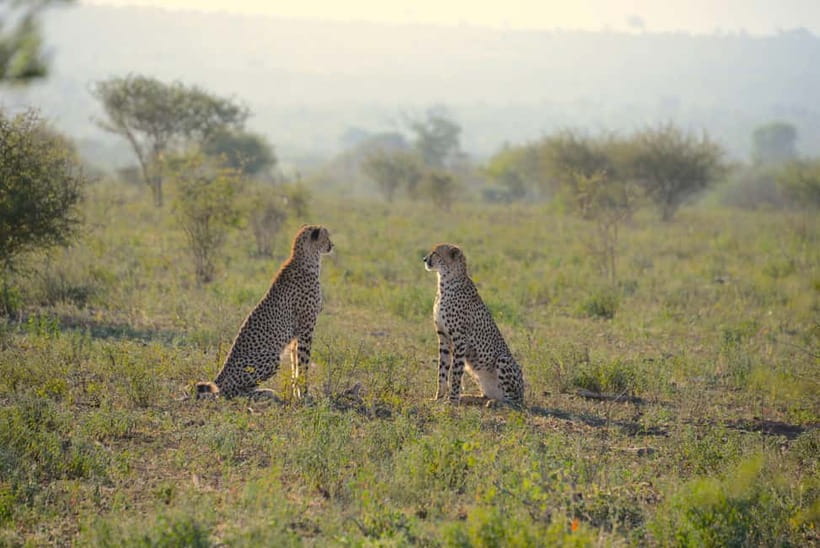
The day is built around one main thing: time in the reserve on a jeep. That’s where the value is.
Hotel pickup and AC ride
Your experience typically starts with pickup from your hotel (or another spot in Jaipur) by a private vehicle. It’s air-conditioned, which is a real comfort boost in Jaipur’s heat. You’re also not stuck negotiating taxis, directions, or timing. The smoother the first leg, the better your odds of arriving ready for the safari.
A theme in the feedback you’ll see is punctuality. Names that pop up for drivers include Vinay and Singh, and people also mention very smooth, safe driving and good English communication from the driver side. For solo travelers, that sense of safety and communication matters more than you’d think.
Skip-the-line entry
You’ll also use a separate entrance to help you avoid delays. In wildlife settings, delays don’t just waste time—they cut into your safari window. So anything that keeps the day moving is worth it.
The jeep safari window: where the magic happens
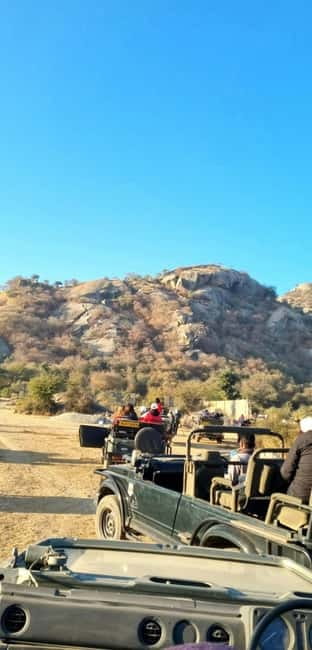
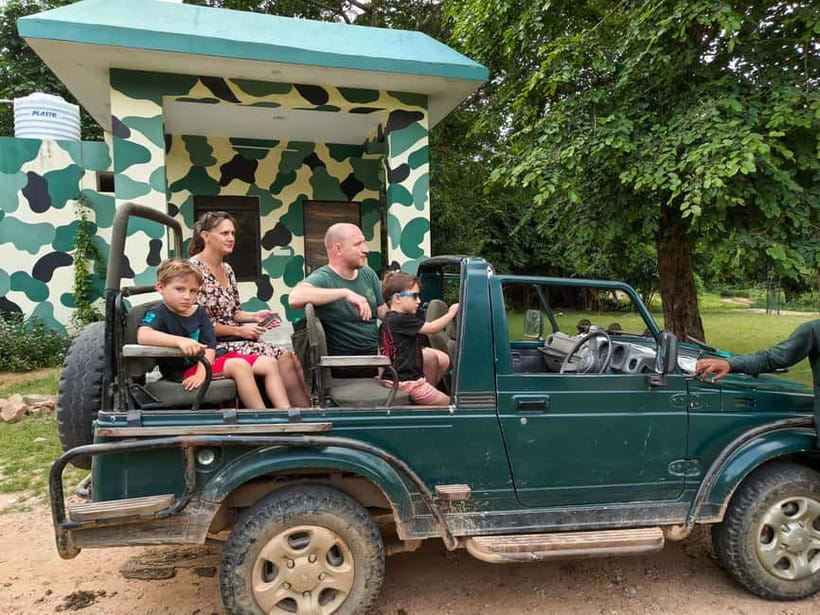
Once you’re inside, you go off-road in a 4×4 Gypsy-style jeep (when that option is chosen). The safari time inside the park is generally about 2 hours 15 minutes to 2 hours 45 minutes. You’re out there for positioning: tracking movement, scanning brush, watching tracks and calls.
This is where guides can make a big difference. People mention guides like Yogesh, Ashok, and others who are clearly focused on spotting through cover, not just driving around slowly. When a guide understands leopard behavior and movement patterns, your waiting time feels smarter instead of random.




What You’ll Likely See Beyond Leopards
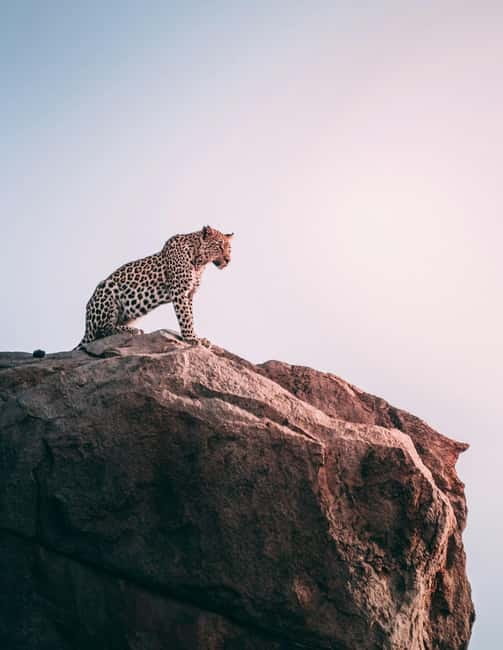
Let’s be honest: leopards are the headline. But a good safari is also about the “support cast,” because wildlife days often go that way.
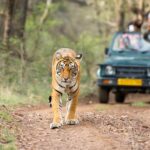
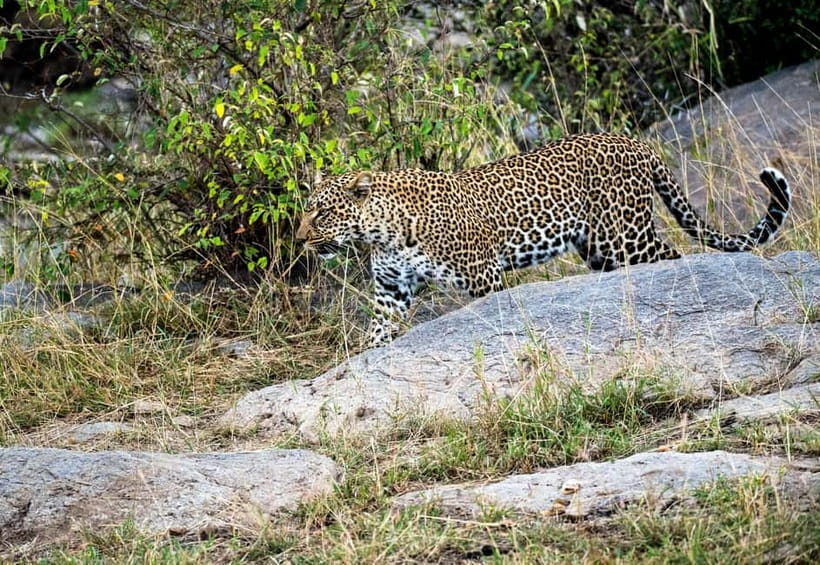
Leopards (and sometimes panthers) are the goal, with the reserve hosting 70+ leopards and 5 cubs at the time of the data you provided. When cats do show up, it can feel intense—because they’re close, still, and suddenly part of your day.
But even when leopard sightings don’t happen, you might see:
- Spotted deer (chital) and sambar deer
- Blue bull (Nilgai)
- Striped hyenas, plus other smaller carnivores
- Indian civets, desert/jungle cats
- Desert foxes, jackals, porcupines
- Mongooses, monitor lizards, jungle rats
- Snakes (various types)
- Lots of birds, including peacocks
This is a major reason the tour can still be worth it. If you only came for one species, you’ll feel disappointed. If you’re up for a wildlife mix—cat-adjacent energy included—you can still have a strong day.
Also: wildlife doesn’t follow your schedule. Some days start slow because animals are tucked away. Rain is mentioned as a factor in a few experiences, when animals hide and activity drops.
4×4 Safari Reality: How the Spotting Game Works
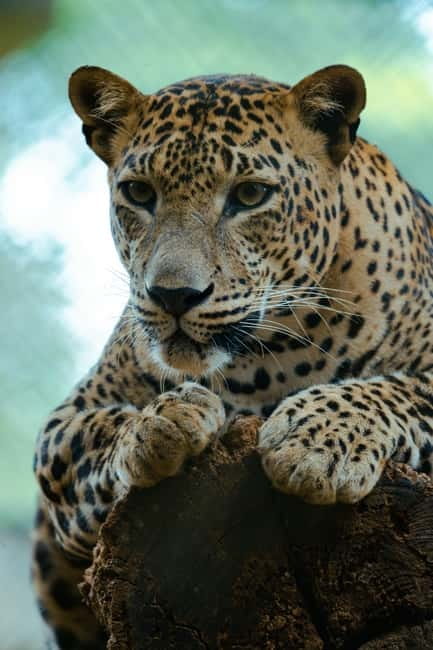
A leopard safari is a waiting game with a moving map in your head. You’re constantly balancing two things: time spent driving versus time spent watching.
In the positive experiences, guides work hard to find the cats and then do the part that matters most: positioning the jeep so you can actually see and photograph what they find. People specifically note guides guiding phone camera framing and helping with the best angles when the animals appear.
In the “less perfect” outcomes, the common pattern is still the same: you may spend longer waiting for something that’s not moving. One example mentioned waiting at a sleeping hyena longer than expected. That doesn’t mean the guide was wrong—it’s just the reality of animal behavior.
Jeep comfort and space
The safari ride is usually described as comfortable, but there’s one practical note worth flagging. One person mentioned vehicle configuration that can feel tight—three people per row and limited space for the person in the middle. If you’re sensitive to cramped seating (or you’re tall), you’ll want to pick your seat when possible.
Binoculars and camera time
The tour encourages bringing a camera and binoculars. Even if you’re not a serious wildlife photographer, binoculars help you scan early and reduce the “where is it” panic when something moves behind brush.
If you’re photographing with a phone, keep the camera ready, not buried in your bag. Leopard sightings can happen fast—then it’s about staying calm and shooting steadily.
Timing: Early Morning vs Sunset in Jaipur’s Wildlife Season
This tour can run in different time windows, and timing can change how comfortable you are and how active the animals feel.
Early mornings: stunning, but cold
Multiple notes point out that Jaipur can be warm in the morning, but the safari itself can be cold—especially in late February. People recommend jumpers/jackets/hats. That makes sense: once you’re in an open jeep and exposed to breeze, temperature feels lower than you expect.
One experience also says mornings can be extremely cold with fewer sightings among the group of jeeps. That doesn’t mean morning is bad—it means you should dress for winter and hold expectations lightly.
Sunset: often easier on comfort
Some of the best cat moments mentioned happen at sunset, including a leopard emerging near a watering point. Sunset also tends to be a friendlier time for photography because light softens and your eyes stop squinting.
If you’re traveling in cooler months and you don’t want to freeze, sunset can be the smarter pick.
Practical tip: if you do one safari, consider the time window where you feel most comfortable staying focused for a while. Wildlife days test patience. Comfort makes you better at noticing.
Elephant Village Option: Know What You’re Paying For
The data you shared says there’s an Elephant Village Park visit if the option is chosen, but “activity with elephants” is not included. So you could be looking at a visit around that area, or at least an add-on experience that’s separate from the safari itself.
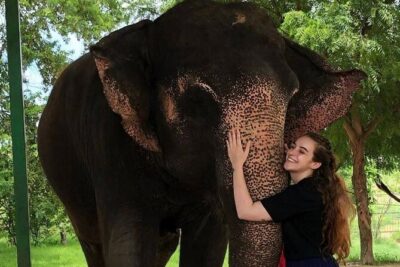
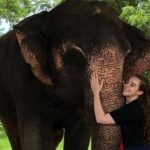
Here’s the balanced take: some people say the elephant-related add-on was a dream come true. Others strongly warn against it and describe it as a poor value, with pressure to pick expensive packages and limited flexibility if you only want to look around.
So your best move is simple. Treat the elephant option as a separate decision, not part of the core safari value. If you don’t want to pay for additional activities, ask what’s included before you agree to any upgrade. If the add-on forces you into a costly plan, skip it and keep your money for the safari itself.
Price and Value: Is $60 a Fair Deal?
At about $60 per person, the price can feel like a bargain—if you arrive with the right expectations.
You’re getting:
- Hotel pickup and drop-off in an AC vehicle
- Safari park entrance charges
- A private safari by 4×4 jeep (if that option is selected)
- Toll/parking and taxes
- A water bottle
- (Optionally) the elephant village visit
What you’re not getting:
- Food and drinks
- Any personal expenses
- Elephant activity (not included)
So the value equation depends on two things:
1) How well the guide can spot and position you
2) Whether you’re okay paying for a chance at wildlife, not a guaranteed leopard sighting
That last part is key. Since leopard sightings can’t be guaranteed and there’s no refund if you don’t see one, the price only feels “perfect” if you treat it as a wildlife day out, not a cat ticket.
Where it becomes good value is in the execution: smooth pickup, functioning vehicles, and dedicated spotting. People mention drivers like Uday, Rajendra, and guides such as Vinay and Ashok making the day feel well run. When it’s run right, the money goes toward real time in the reserve.
Who This Safari Suits Best (And Who Might Want Another Plan)
This experience fits best if you:
- Love wildlife and can enjoy the day even if leopards stay hidden
- Want a straightforward, low-stress way to reach a reserve from Jaipur
- Are comfortable in a jeep and okay with some waiting
- Want a private group feel, with guide attention focused on your set
It may not fit if you:
- Have animal allergies (not suitable per the provided data)
- Need certainty of seeing leopards (because it’s not guaranteed)
- Hate cold weather in winter and refuse to dress for it
- Expect a classroom-style, fully translated guide experience at every moment (some mentions note language gaps in cars)
For families, it can still work if kids are okay with waiting and roads. Just pack snacks for comfort since food isn’t included.
Practical Tips That Improve Your Odds (Without Overhyping)
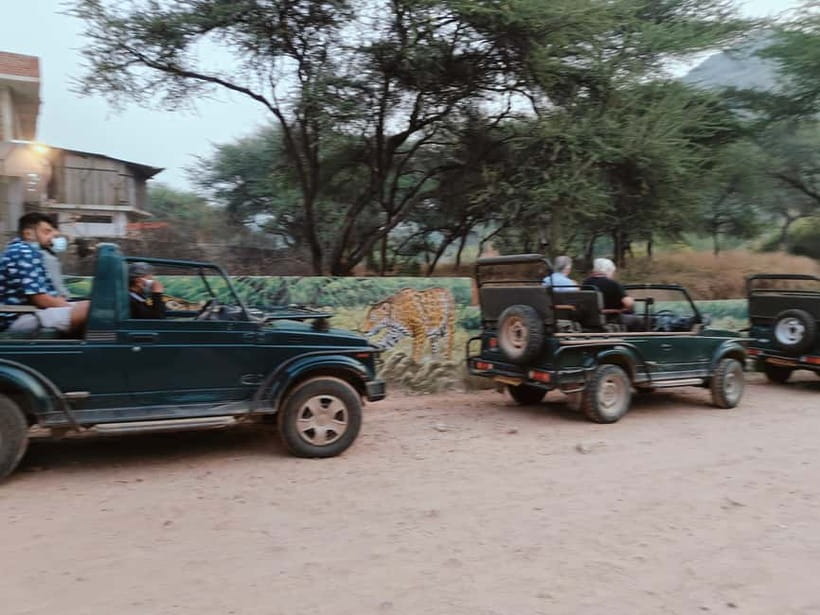
I’d plan around comfort and patience more than luck.
Bring:
- Camera (plus a charged battery and storage)
- Water (you get a bottle, but I still prefer more)
- Comfortable clothes
- Binoculars if you own them
- A jacket/jumper for winter safaris
You can’t smoke during the safari.
Also: after booking, you may need to send passport details via WhatsApp/email to get park entry. Do it quickly so you don’t stall the process.
One last small but important mindset shift: if you see hyena, deer, or birds and your guide is excited, don’t treat it as a consolation prize. It’s still wildlife. A good safari day is wildlife in motion, not a single species checklist.
Should You Book This Jhalana-Amagarh Leopard Safari?
If you want a well-organized, private way to spend real time in leopard habitat near Jaipur, this is a solid choice—especially because you’re not handling logistics yourself. The best part is how the day is run: AC pickup, smooth entry, and guides/drivers who actively search and position you when something appears.
Book it if you’re flexible on leopard sightings and you’re happy to enjoy a broader animal mix. I’d also lean toward booking the time slot that fits your weather comfort—morning can be cold, sunset can be easier on you and sometimes delivers memorable cat sightings.
Skip it (or at least think twice) if you need guaranteed leopard viewing, hate waiting around, or you’re considering the elephant add-on without a clear plan for what you’ll pay for. In those cases, you might be better off doing the safari only and keeping your day simple.
If you want, tell me your travel month and whether you prefer morning or sunset. I can help you pick the best timing logic for comfort and photography based on the patterns described here.
FAQ
How long is the safari in the park?
The safari time in the park is typically about 2:15 to 2:45 hours, with the full outing usually lasting around 3.5 to 8 hours depending on the schedule and any optional add-ons.
Do I need to see leopards to enjoy the tour?
No. While leopard sightings are the main goal, the reserve also has many other animals you may spot, such as hyenas, deer (including chital and sambar), Nilgai, mongooses, birds, and more. Leopard sightings are not guaranteed.
What’s included in the price?
Included are hotel pickup and drop-off by private vehicle, toll and parking charges, all taxes, safari park entrance charges, and the safari experience in a 4×4 jeep (Gypsy style if that option is chosen). A water bottle is included. Food and drinks are not included.
Is the jeep safari private?
The tour is listed as a private group, and the safari is provided as a private safari in the 4×4 jeep option.
Is there an elephant-related option?
An Elephant Village Park visit is included only if you choose that option. Activity with elephants is not included.
What should I bring and what’s not allowed?
Bring a camera, water, comfortable clothes, and binoculars. Smoking is not allowed. If you book, you may also need to send your passport details after booking to obtain entry into the park.