
REVIEW · JAIPUR
Jaipur: Cooking Class with a Local Family
Book on GetYourGuide →Operated by Jaipur Pink city Cooking Class · Bookable on GetYourGuide
Cooking in Jaipur feels like family time.
This small-group class (up to 6 people) puts you in Swati’s home kitchen with her family, where you learn by doing, not just watching. I like the hands-on structure, from chapatis to vegetable curries, and I really like the way the menu and spice approach can be shaped for you, including accommodations for gluten-free and allergies. The only real drawback: transport isn’t included, so you’ll need to plan how you get to the meeting point near Johari Bazar.
You also get something most cooking classes skip: context. Expect spice explanations and the “why” behind ingredients, not just a recipe sheet. It’s a focused 3 hours in Rajasthan, with welcome drinks, dessert, and e-recipes afterward so you can cook it again at home.
In This Review
- Key points that make this class worth your time
- A Jaipur family kitchen in the Pink City
- Price and value: what $19 buys you (and what it doesn’t)
- Where you meet and how to actually get there
- The 3-hour rhythm: welcome drink, spices, cooking, and dessert
- Step 1: Welcome drink and a quick food chat
- Step 2: Spice and ingredient introductions
- Step 3: Hands-on cooking (you do the work)
- Step 4: Dessert and a final taste moment
- Rajasthan on your plate: dal baati churma and ker sangri
- What you learn that actually transfers home
- Dietary needs and comfort in someone else’s home
- What dishes you might cook (and why menu flexibility helps)
- Cooking with family photos, henna, and small cultural extras
- Who should book this Jaipur cooking class
- Should you book it?
- FAQ
- How long is the Jaipur cooking class?
- What does the class cost?
- What dishes will I learn to cook?
- Is the group small?
- What’s included in the price?
- What language is the instructor?
- Is transportation included?
- Can the class accommodate dietary restrictions?
- What is the cancellation policy?
- Are pets allowed?
Key points that make this class worth your time
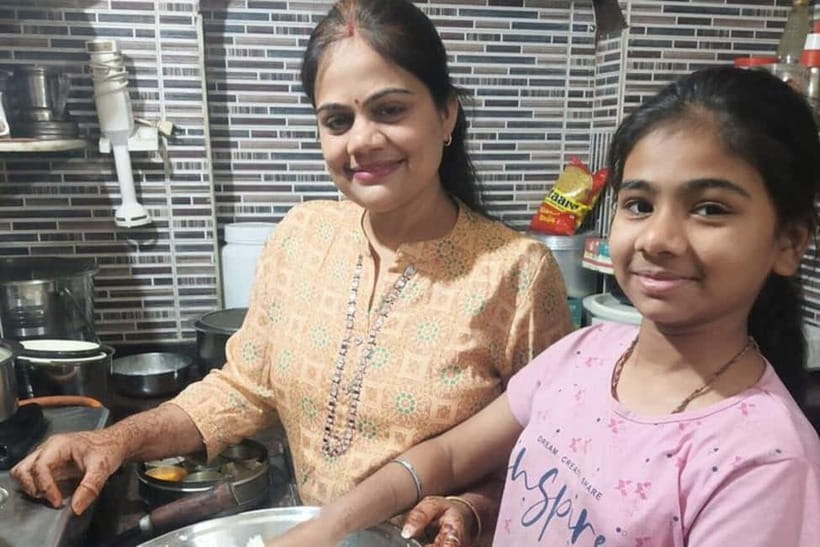
- Real Jaipur home cooking, led by Swati and her family in a lived-in kitchen setting
- Hands-on lessons where you actively make food, including chapatis and vegetable curries
- Spice and ingredient meaning, so you understand what you’re doing (and can repeat it later)
- You can shape the menu and taste preferences, with support for allergies/intolerances noted in past sessions
- Welcome chai and dessert as part of the flow, not as an afterthought
- Recipes delivered electronically, so you leave with more than just full stomachs
A Jaipur family kitchen in the Pink City
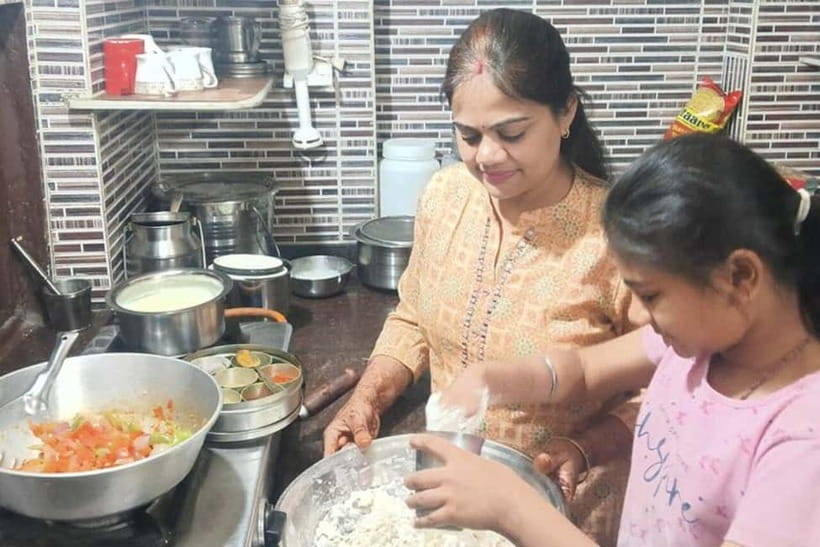
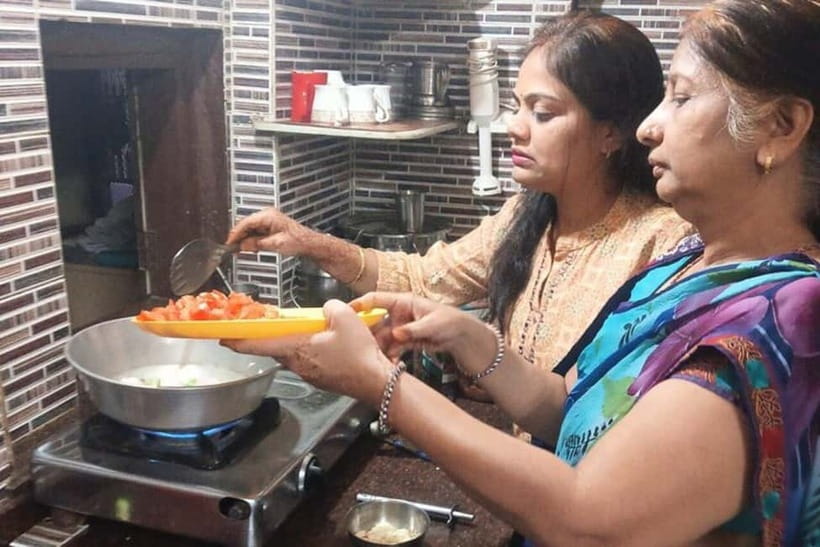
This is the kind of experience that makes Jaipur feel less like sightseeing and more like real life. Instead of a studio or a restaurant dining room, you’re in a home kitchen where the day’s cooking rhythm sets the pace. The host, Swati, runs it with her family involved, and that matters because you’re not treated like a customer moving through a checklist. You’re part of the work.
You’ll start with a welcome drink, often a masala chai, and you’ll likely spend a few minutes chatting before you start cooking. That human pause is a big part of the value. It turns the class into a conversation about food and daily habits, not just a class where the timer rules everything.
The setting also helps you learn. When you see how spices get measured, how dough gets handled, and how curries are built step by step, it clicks faster. You’re not just memorizing instructions. You’re picking up technique.
You can also read our reviews of more cooking classes in Jaipur

Price and value: what $19 buys you (and what it doesn’t)
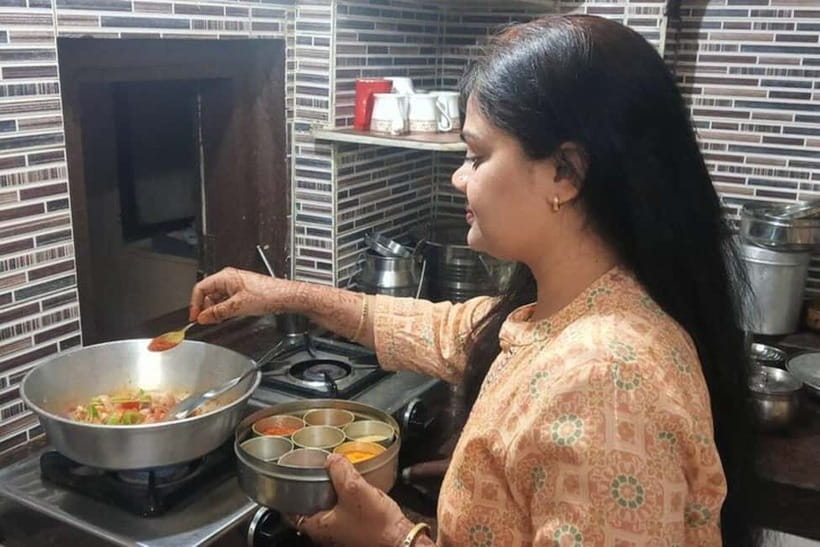
At $19 per person for 3 hours, this sits in the “seriously reasonable” category, mainly because you’re getting a rare combo:
- Home-based instruction with a real local family
- Hands-on cooking, not a demo-only format
- Multiple dishes, including chapatis/flatbreads, vegetable curries, and dessert
- An ingredient and spice explanation so the food makes sense
- E-recipes of what you cook, which is where the class keeps paying off after you leave
What’s not included is also important: transportation to and from the activity isn’t part of the price. That means the real cost to you is a taxi/ride cost plus a little planning time.
If you’re trying to stretch your Jaipur budget, this is the kind of experience that gives you skills, not just a meal. If you’re only interested in eating one great lunch, you could spend less elsewhere. But if you want to leave with the ability to recreate northern Indian home-style food, $19 feels like a bargain.
Where you meet and how to actually get there
The meeting point is: 3664, motisingh bhomiyon ka rasta, fourth crossing johari bazar jaipur 302003.
Because transportation isn’t included, I’d treat arrival like part of the adventure. Johari Bazar is in the core area where walking is common, but lanes can be confusing if you’re arriving cold without local directions. The best approach is simple:
- Plan to arrive a bit early
- Use your phone maps, but expect you may still need the host’s guidance for the final turn
- If you’re coordinating rides, confirm the exact meeting corner rather than the general neighborhood
The good news: the class is built around close connection with the host. Past participants have noted clear day-of instructions and fast help via messaging when directions are needed. So if you reach the larger area and still feel uncertain, you’re not left hanging.
The 3-hour rhythm: welcome drink, spices, cooking, and dessert
This is structured enough to keep things moving, but not so rushed that you lose the point.
Step 1: Welcome drink and a quick food chat
You’ll begin with a welcome drink, typically masala chai. It’s not just a greeting. Chai is a good warm-up because it introduces you to Indian flavor building blocks before you touch a stove.
This is also when you can ask questions. If you have preferences or dietary needs, bring them up early so Swati can shape what you’ll cook.
You can also read our reviews of more tours and experiences in Jaipur


Step 2: Spice and ingredient introductions
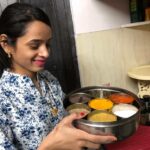
Next comes the part many classes skip: a practical intro to Indian spices and ingredients. Expect explanation of what ingredients do in the dish and how spice combinations work together.
Why this matters: Indian cooking is often about balance. Once you understand how spices behave, you’ll stop treating recipes like rigid math and start treating them like a toolkit.
Step 3: Hands-on cooking (you do the work)
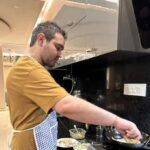
The class includes hands-on practice making chapatis and vegetable curries. That’s a great base because:
- Chapatis teach dough feel, rolling technique, and cooking on a hot surface
- Vegetable curries teach tempering/spice blooming and how sauces thicken and taste balanced
Depending on the group and day’s focus, you may also cook more specific items tied to Rajasthan, and you’ll likely have chances to participate rather than stand back. Past sessions mention learning dishes such as palak paneer, dal tadka, cumin rice, aloo ghobi, vegetable biryani, and pakora. The format stays hands-on even when the menu changes.
Step 4: Dessert and a final taste moment
You’ll finish with Indian dessert included. This is often where the session becomes fun in a different way, because sweets give you a clear flavor contrast to all that spice.
Then you leave with the food you made and a set of e-recipes.
Rajasthan on your plate: dal baati churma and ker sangri
The class is designed around Rajasthan flavor. The highlights specifically call out dal baati churma and ker sangri as key learning targets.
Even if your final menu includes additional dishes, those choices tell you the chef’s intent: this isn’t only “generic Indian food.” It’s northern Indian home-style with a Rajasthan backbone. That’s what makes the experience feel like Jaipur rather than any city.
If you’re curious, here’s what to pay attention to as you cook:
- In dal dishes, focus on how spices are layered and how the dal’s texture is built
- For baati-style elements, notice the dough and cooking method because texture is the signature
- For ker sangri-style preparations, watch how dried ingredients are rehydrated and seasoned so flavors don’t taste flat
The big win is that you’re not just eating Rajasthan. You’re learning how Rajasthan cooks.
What you learn that actually transfers home
Plenty of classes teach recipes. This one leans more toward technique.
You’ll likely pick up:
- How to shape and cook chapatis so they don’t stay pale or go too tough
- How vegetable curries are built with spices and heat management
- How to think about spice purpose, not only spice quantity
- How to adjust taste during cooking, because you’re in a live kitchen where questions get answered
In past sessions, participants have highlighted Swati’s step-by-step explanations, plus the fact that you can ask for guidance on what you like. That flexibility matters. If you’re used to bland restaurant curries, learning where flavor comes from is the difference between eating a dish and understanding it.
Also, you’ll get e-recipes of all cooked dishes. That’s huge for follow-through. Most people try one cook-once recipe and forget it. Here, you’ll have the list and the approach to repeat the results.
Dietary needs and comfort in someone else’s home
One of the most praised parts of this experience is how people feel taken care of. Past participants have noted:
- Gluten-free cooking options, including a fully gluten-free menu in at least one session
- Accommodations for allergies and intolerances
- Attention to safety, including using mineral water for cooking in some cases
You should still do your part: tell Swati your needs clearly before class if possible. But it’s reassuring to know the host can work with dietary constraints rather than forcing you to eat around them.
There’s also a comfort factor. This is a small group, and you’ll be in a home environment rather than a crowded venue. That makes it easier to communicate, ask questions, and feel at ease if you’re not used to Indian kitchens.
What dishes you might cook (and why menu flexibility helps)
The class is described as a Rajasthan-focused learning experience, with chapatis, vegetable curries, welcome drinks, and dessert included. Reviews mention different combinations depending on preference and timing, and you’re often able to choose what you want to learn.
Examples of dishes named in past sessions include:
- Chapati and paratha-style flatbreads
- Dal and dal tadka
- Palak paneer
- Cumin rice
- Vegetable biryani
- Aloo ghobi
- Vegetable pakora
- Lemon pickle (tasted alongside)
- Gulab jamun for dessert
- Masala chai (made to taste)
Why this matters to your decision: if you have specific Indian food cravings, a flexible menu increases the odds you’ll leave satisfied and capable. You’re not stuck with whatever the kitchen planned for the day if you’d rather focus on flatbreads, curries, or sweets.
Cooking with family photos, henna, and small cultural extras
Food is the main event here, but the class also leans into culture in small, human ways. Past participants have mentioned family photo albums, conversation that runs beyond cooking instructions, and optional henna on hands if you’d like it.
A couple of extra touches have come up too, like a small handmade takeaway bag in at least one session. These aren’t the core reason to book. But they add that feeling of being welcomed rather than processed.
Who should book this Jaipur cooking class
This works best if you:
- Want hands-on cooking and not just a meal
- Like learning spice logic and ingredient purpose
- Care about dietary needs or want a class that adapts when possible
- Prefer small groups and a personal setting over big tour groups
- Want a practical souvenir in the form of e-recipes you’ll actually use
You might skip it if you only want a quick tasting without cooking. Also, because transport isn’t included, it’s not ideal if you don’t want to manage getting to Johari Bazar on your own.
Should you book it?
Yes, if you’re in Jaipur for more than a day and you eat with curiosity. This is one of those experiences that turns into something useful at home: technique, confidence, and a flavor map of Rajasthan.
Book it if:
- You want a small-group class in a real local home
- You’d like to cook dishes like dal baati churma and Rajasthan-style sides such as ker sangri
- You value clear teaching plus recipes you can follow later
Before you book, just plan your arrival to the Johari Bazar meeting point. Once you’re there, you’ll likely find the rest runs smoothly, with a host who teaches like a person sharing a skill, not like a performer running a show.
FAQ
How long is the Jaipur cooking class?
The experience runs for 3 hours.
What does the class cost?
It costs $19 per person.
What dishes will I learn to cook?
You’ll learn time-honored Rajasthani dishes such as dal baati churma and ker sangri, and you’ll have hands-on practice making chapatis and vegetable curries. A dessert is also included.
Is the group small?
Yes. It is limited to 6 participants.
What’s included in the price?
Included are welcome drinks, the cooking class with the local family, an introduction to Indian spices and ingredients, hands-on cooking (chapatis and vegetable curries), Indian dessert, and e-recipes of all cooked dishes.
What language is the instructor?
The instructor speaks English and Hindi.
Is transportation included?
No. Transportation to and from the activity is not included.
Can the class accommodate dietary restrictions?
The experience has been described as able to accommodate allergies and intolerances, including sessions that were fully gluten-free.
What is the cancellation policy?
You can cancel up to 24 hours in advance for a full refund.
Are pets allowed?
No, pets are not allowed.