REVIEW · JAIPUR
Jaipur: Elephant Interaction Tour
Book on GetYourGuide →Operated by The Golden Memories · Bookable on GetYourGuide
Elephants teach you fast how to slow down. This Jaipur experience pairs close, gentle elephant time with a clear welfare focus, plus hands-on activities that feel real, not staged. You’ll meet Asian elephants, learn feeding habits, and spend your time with them in ways that avoid the usual ride-on-the-back setup.
I love how interaction is hands-on but respectful, with introductions and safety-minded guidance. I also like that you learn the elephants as living creatures, including what they like to eat and how the day’s activities fit their routine.
A possible drawback: it’s only 4 hours, so you’ll want to arrive ready to move, get a bit muddy (or wet), and accept that elephants set the pace.
In This Review
- Key highlights you should know before you go
- Jaipur Elephant Sanctuary: What This Tour Gets Right
- Price and Value: Why $58 Can Feel Like a Deal (If You Care About the Details)
- Pickup to Elephant Village: How the 4 Hours Actually Feel
- Meeting and Intro: The Gentle Start That Sets the Tone
- Feeding the Elephant: Favorite Foods, Feeding Patterns, and Real Bonding
- Mud Bath With Elephants: Fun for You, Health for Them
- Elephant Painting (Natural Colors): Trying It Without Making It Weird
- Walking With the Elephants in the Village: Welfare Focus, No Ride
- Elephant Washing and Shower: Late Afternoon, Strict Safety Limits
- What to Bring and Wear for a Comfortable Elephant Session
- The Team and the Pace: Private, Calm, and Not Rushed
- Who Should Book This Jaipur Elephant Interaction Tour
- Should You Book It? My Honest Take
- FAQ
- How long is the Jaipur Elephant Interaction Tour?
- Where does hotel pick-up happen?
- What elephant activities are included?
- Are entrance tickets included?
- What should I bring?
- Is this a private tour, and is there English support?
Key highlights you should know before you go
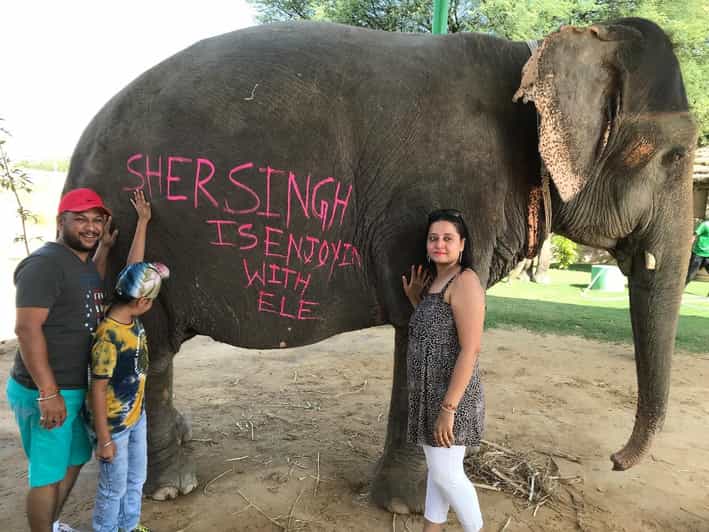
- Feeding for trust, plus learning feeding patterns and favorite foods
- Mud bath time for elephants and your own cool-down moment
- Walking instead of rides, designed to support elephant welfare awareness
- Natural elephant painting, with paint described as non-toxic by the people running it
- Washing and showering in the safe, late-afternoon window with strict limits
- Private pickup and attention, with English-speaking help and a water bottle during activities
Jaipur Elephant Sanctuary: What This Tour Gets Right
If you’ve ever wondered whether elephant encounters are ethical or just photo ops, this is the kind of tour that tries to answer that question in how it’s run. The focus here is on rescued Asian elephants, calm interaction, and welfare-aware activities. No circus tricks. No forced performance vibe.
What I appreciate is that the program is built around learning behavior, not dominating it. You start with a proper introduction, then move to feeding, walking, painting, mud play, and finally washing—each step explained and guided so you understand why it matters. That makes the experience feel more like a conversation with the animal than a checklist.
You can also read our reviews of more tours and experiences in Jaipur.



Price and Value: Why $58 Can Feel Like a Deal (If You Care About the Details)
At about $58 per person for a 4-hour private experience, this is priced to be accessible. The real value comes from what’s included, not just the headline number.
You get:
- hotel pick-up and drop-off by private car
- private tour with parking fees handled
- entrance tickets for the Elephant Village included, and you skip the ticket line
- all activity fees bundled in (meeting/introduction, feeding, painting, walking, washing & shower)
- water bottle during activities
- taxes and fuel surcharge covered
When tours charge less but pack the cost into “extra” add-ons, you end up surprised later. Here, the structure is the opposite: you pay once, and the time with the elephants is the centerpiece. If you want a close encounter without turning it into a shopping expedition, that matters.
One note on expectations: this is not a full-day safari-style outing. It’s a focused elephant session. If you’re looking for hours of downtime, this won’t be that.
Pickup to Elephant Village: How the 4 Hours Actually Feel
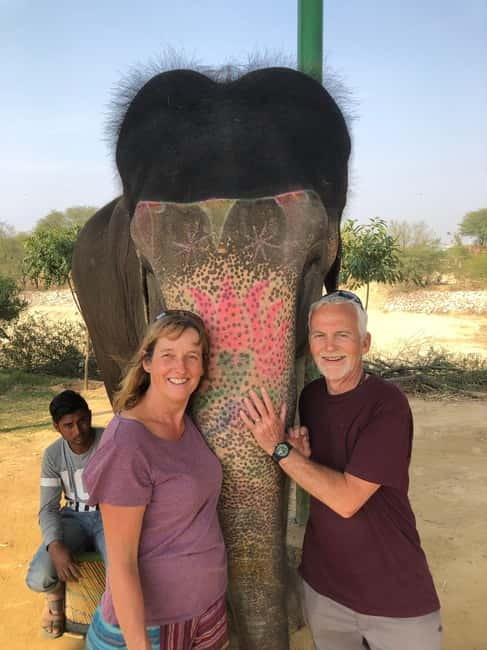
Your day starts with pick-up from your hotel in Jaipur, or from the airport, railway station, or bus station if that’s easier. A driver comes to your preferred location and takes you to the sanctuary area.
Once you arrive, you’re not just dropped at a gate and left to wander. There’s an English host or greeter, and in multiple experiences described, an owner may come out to welcome you and share a little history of the sanctuary before you meet the elephants. That small touch helps you get the right mindset before the first interaction.
Then the main block begins: Elephant Village time with walking and wildlife viewing built in. The walking is part of the “slow down and notice” feel of this place—more village atmosphere than ride-and-run.
In short: you’ll feel like you did a real activity, not a rushed stop.
Meeting and Intro: The Gentle Start That Sets the Tone
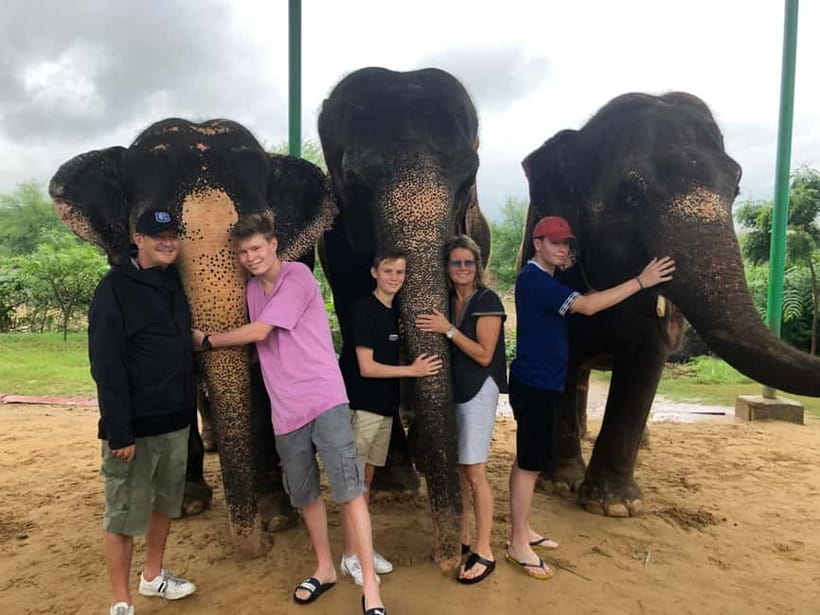
The first encounter is about trust. Before any feeding or play, you’re guided through meeting and introduction.
You’ll learn the basics of letting an elephant approach in a calm way:
- letting them catch your smell
- building rapport through gentle petting
- talking softly
- establishing eye contact
It might sound simple, but it changes how you act. Instead of reaching first for photos, you learn to wait. You also learn how to read the elephant as it decides whether it’s comfortable.
If you care about animal welfare, this early step is a big deal. It’s where the experience tells you what kind of program you’re in.
Feeding the Elephant: Favorite Foods, Feeding Patterns, and Real Bonding
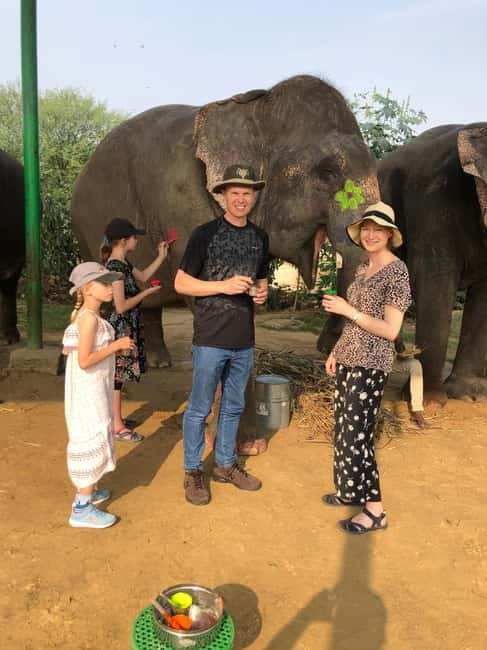
Feeding is usually the moment people remember most. Here, you get the chance to feed the elephants while you learn about their feeding habits.
Instead of treating food as a gimmick, the staff explain their feeding patterns and what the elephants seem to prefer. That makes your time feel instructional, not chaotic. You’re more likely to notice subtle differences in behavior when an elephant is interested, patient, or simply doing its own thing.
Also, feeding is one of those activities that creates a calm “connection moment.” The trust you build during the introduction comes through during feeding, and you’ll feel it in how the elephant engages.
Practical thought: during feeding, your hands and posture matter. Follow the guidance closely so you don’t crowd the animal. Calm wins.






Mud Bath With Elephants: Fun for You, Health for Them
Then comes the mud bath. This is one of the more playful parts of the tour, and it’s also one of the most meaningful.
You’ll join the mud bath with elephants, with staff guiding you through what to do safely. The idea is that elephants enjoy mud play, and it supports skin health. Natural minerals in the mud can leave your skin feeling soft and cool—less “hot day regret,” more “cool-down moment.”
Elephants don’t just tolerate it. They splash mud with their trunks, and you often get that combo of laughter, gentle trumpets, and a real sense of shared rhythm. It’s muddy, yes. But it’s not random. There’s a purpose behind the play.
If you’re someone who hates getting dirty, wear that expression once—then accept the reality. Mud bath time is part of the deal here.
Elephant Painting (Natural Colors): Trying It Without Making It Weird
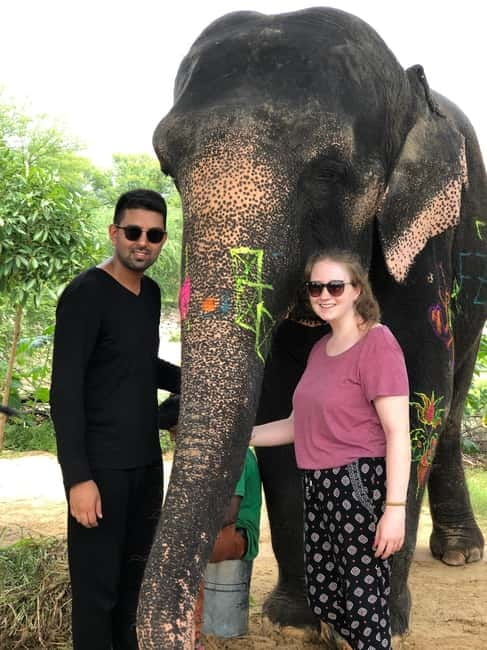
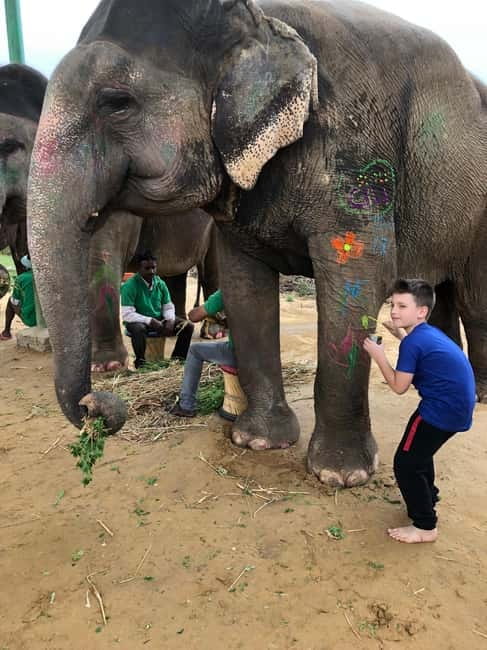
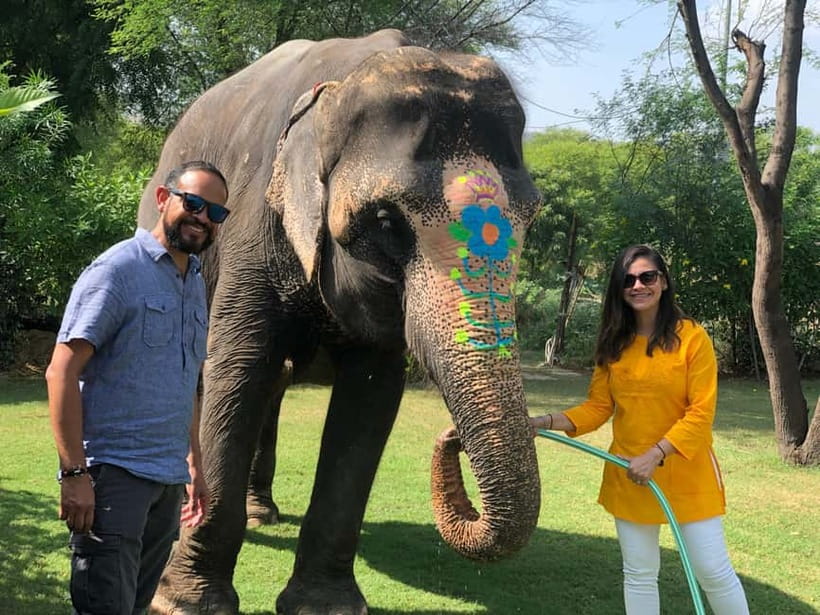
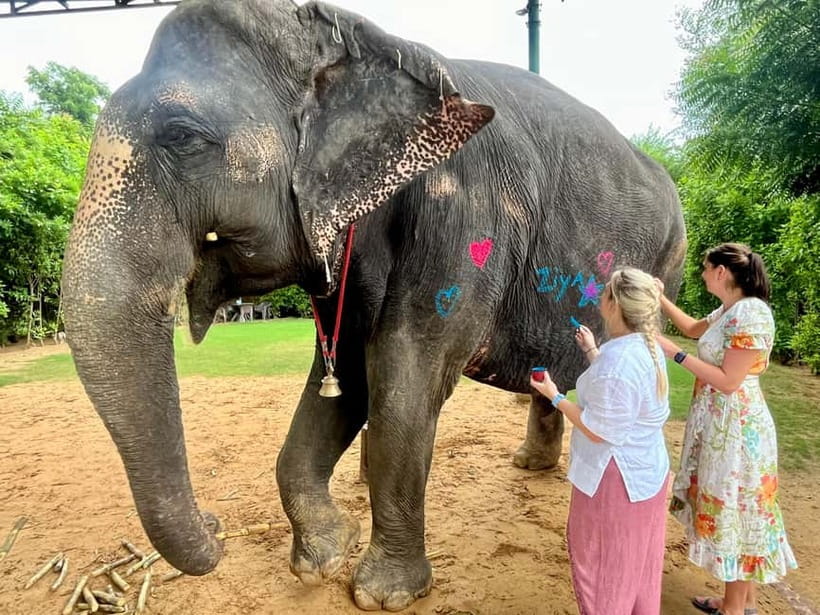
One activity you don’t see in every elephant encounter is painting. You’ll discover natural paint used on their skin and try your hand at traditional elephant painting.
Multiple experiences also mention that the paint is non-toxic for both animals and humans, which is reassuring if you’re thinking about safety and hygiene while you participate. (Still, keep to the staff instructions, and don’t treat it like a craft table.)
The best part of painting, for me, is that it gives you a quieter role in the interaction. You’re focusing on technique and placement rather than constantly stepping in for photos.
If you’re traveling with kids, it’s also a great way to keep them engaged without turning the whole encounter into chaos.
Walking With the Elephants in the Village: Welfare Focus, No Ride
A major selling point here is walking with the elephants instead of riding.
This isn’t just an alternative for comfort. The walk is framed as a welfare-awareness activity—more about letting the elephants move as they choose and building respect for how they live.
You’ll walk with the elephants in the village area. It’s a slower, more grounded way to experience them, and it avoids the jarring “sit on top” dynamic that many ethical-minded travelers try to avoid.
The main drawback to consider: walking means you’re the one moving. Wear comfortable shoes and be ready for a bit of time on foot.
But if you want your memories to feel more respectful and less like an amusement park, this is the right choice.
Elephant Washing and Shower: Late Afternoon, Strict Safety Limits
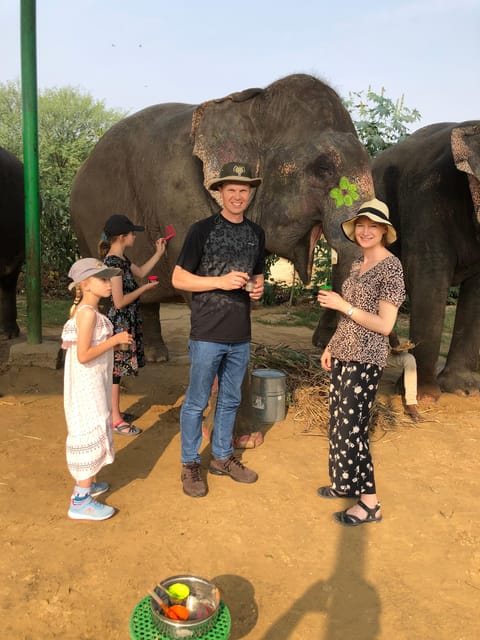
Late afternoon is when washing and scrubbing happens. This part is fun, and it also comes with clear boundaries—important for both you and the elephants.
Because of safety considerations and according to India Forest Department guidelines, guests can’t enter the lake with the elephants. That matters. It keeps the experience safer and more controlled.
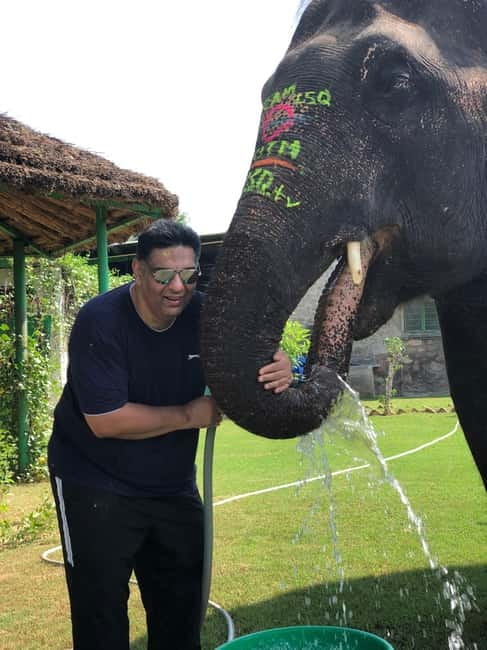
At the sanctuary, guests participate in washing and scrubbing while staying within the safe viewing and interaction areas. Depending on the elephant’s mood, you might get sprayed by water from an elephant’s trunk. It’s playful, but it’s still real animal power—so don’t fight the moment. Go with the flow and follow staff directions.
On hot days, you might notice how refreshing the water can be. One small comment people made is that on very hot afternoons, the washing water might feel less cool than you’d hope—but overall, the activity is part of the day’s energy shift. After mud time, a shower feels like the right “reset.”
What to Bring and Wear for a Comfortable Elephant Session
Your packing list is short, which is nice. Bring:
- comfortable shoes (the mud and wet areas are the reason)
- comfortable clothes you don’t mind getting stained or damp
- passport (a copy is accepted)
Also, a practical tip: arrive with dry socks if you can. You won’t regret it. You may not be able to fully escape getting wet, but you can control how uncomfortable you feel afterward.
One clear rule: smoking isn’t allowed in the vehicle. Easy to follow.
Water is provided during activities, but you’ll still want to pace yourself, especially in warmer weather.
The Team and the Pace: Private, Calm, and Not Rushed
This is a private group experience, so it’s not a cattle-call setup. There’s an English host/greeter, and the team is described as informative and attentive.
Several experiences point out that:
- staff explain how the elephants are cared for
- handlers guide touch, feeding, painting, and walking with a safety-first approach
- there’s time to interact without being hurried out the door
One person noted that communication was consistent from the early message stage to pick-up time, and another mentioned a moment where they were the only ones there—meaning more time and less crowd noise. That’s the kind of difference you feel immediately in an animal encounter. When it’s quieter, you can actually pay attention.
There may also be beverages on arrival, including chai. It’s a small comfort that makes the start of the day feel welcoming.
Who Should Book This Jaipur Elephant Interaction Tour
This tour is a good fit if you want:
- a close elephant encounter without rides
- hands-on activities that are explained as welfare-friendly
- a guided session with private pick-up and English support
- a 4-hour chunk of time that still feels complete
It’s also family-friendly in the sense that painting and walking keep interest levels up. If your group includes kids, this structure tends to work better than a long, repetitive schedule.
Where it may not be ideal:
- if you want zero chance of getting muddy or wet
- if you hate walking or standing for stretches of time
- if you want a very slow, no-schedule nature day (this is time-efficient)
Should You Book It? My Honest Take
If your goal is a respectful Jaipur elephant sanctuary experience with feeding, painting, mud bath, walking, and washing—all packaged into a single 4-hour visit—this is a strong option. The price feels reasonable because the essentials are included: private transport, entrance, and all listed elephant activities.
You’ll get the best outcome if you go in with the right attitude: be calm, follow instructions, and accept that the elephants set the rhythm. That’s when this tour turns from a fun outing into a real memory.
If you want, tell me your travel month and whether anyone in your group has mobility limits. I can help you decide if the mud/wash and walking components will be comfortable for you.
FAQ
How long is the Jaipur Elephant Interaction Tour?
It runs for 4 hours.
Where does hotel pick-up happen?
Pick-up is included from your hotel in Jaipur, or from the airport, railway station, or bus station, based on where you want to meet.
What elephant activities are included?
The included activities are meeting and introduction, feeding, painting on elephants, walking with the elephants, and elephant washing and showering.
Are entrance tickets included?
Yes. Entrance tickets for the Elephant Village are included, and you skip the ticket line.
What should I bring?
Bring comfortable shoes and comfortable clothes. You’ll also need your passport, though a copy is accepted.
Is this a private tour, and is there English support?
Yes, it’s a private group tour. The host or greeter speaks English, and the tour is wheelchair accessible.