
REVIEW · JAIPUR
Cooking class & meal (Indian Food) with local family in Jaipur.
Book on Viator →Operated by Sunshine India Tours · Bookable on Viator
A Jaipur kitchen lesson feels like a family visit. In this Jaipur class, you cook in a local home with a household chef, then sit down for the meal you made. It’s a small-group format, with pickup from select hotels when you request it.
I love the warm welcome built into the start of the lesson. You may get a proper masala chai moment, plus a chat that can include the grandfather of the family, before the cutting boards come out. And I especially like how hands-on it is with spice lessons and everyday North Indian favorites.
One possible drawback: since it happens in a real home kitchen, comfort levels are more practical than fancy. Also, the focus is vegetarian North Indian dishes, so it may not match if you want a non-veg menu.
In This Review
- Key Highlights You Should Actually Care About
- Why This Jaipur Home Cooking Class Feels Worth It
- Getting There in Vaishali Nagar Without Stress
- The Start: Chai Welcome and Family Life Moments
- Cooking North Indian Vegetarian Dishes in a Household Kitchen
- Spice Secrets: What You’re Really Learning
- Chapattis and Chai: The Skills That Make the Meal Feel Complete
- Dine on What You Cook: The Real Payoff
- Cultural Learning That Goes Beyond Food
- What You’re Getting for $23 (and Why That’s a Good Deal)
- Who Should Book This and Who Might Skip It
- Should You Book This Jaipur Home Cooking Experience?
- FAQ
- Where is the meeting point for the Jaipur cooking class?
- Is pickup offered?
- How long does the cooking class last?
- How many people are in each group?
- What dishes will I cook?
- Do I get to eat the food I make?
- Is the experience vegetarian-focused?
- Will I receive recipes?
- Is there free cancellation?
Key Highlights You Should Actually Care About
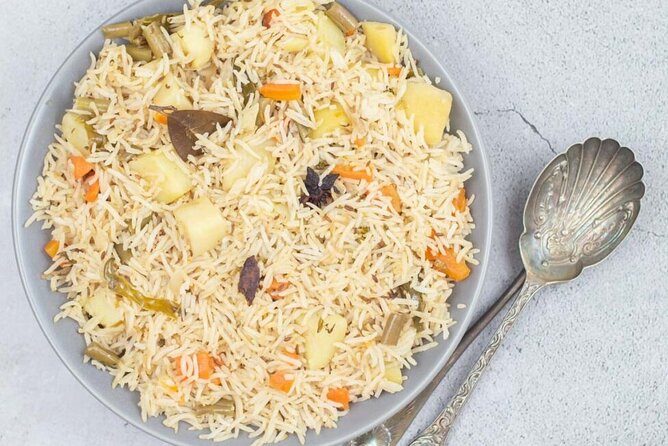
- Local-family cooking in a real home: less performance, more everyday life.
- Masala chai + conversation up front: you start with warmth, not a lecture.
- North Indian vegetarian classics: dal, aloo gobi, curries, and chapattis.
- Small group size (max 10): you can ask questions while you cook.
- You eat what you make: the meal is part of the experience, not an afterthought.
- Recipes provided: useful if you want to recreate the dishes later.
Why This Jaipur Home Cooking Class Feels Worth It
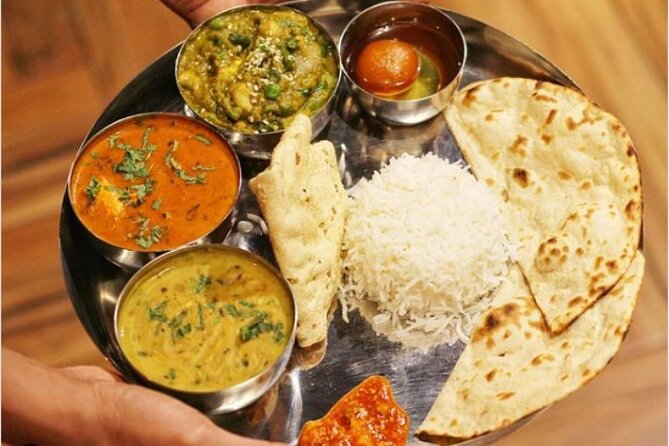
This is the kind of experience that makes Jaipur feel human. You’re not just watching a demo or eating a buffet. You’re in the place where the food actually gets made, and you’ll learn the basic rhythm: how spices behave, how curries thicken, and how chapattis go from dough to dinner.
The best part is that you get both sides of the meal: process and payoff. Cooking is active and practical, then you transition to eating right away with your host family. For $23, that combo is a strong value—especially because you’re also getting recipes to take home.
You can also read our reviews of more food & drink experiences in Jaipur



Getting There in Vaishali Nagar Without Stress
The class meets at Smart N Shiny, Best Salon in Vaishali Nagar, 6-A, Star Apartment area near SBBJ Bank (Chitrakoot/Akruti Apartments). It’s a straightforward address, and it’s noted as near public transportation, which helps if you’re already moving around the city.
If you’d rather not navigate on your own, pickup from select hotels is available on request. That’s a big convenience win in Jaipur, where rides can be quick but finding a specific neighborhood entrance can take a few extra minutes. If you want pickup, plan ahead so you’re not waiting around on arrival.
For timing, expect about 2 hours (approx.). It’s short enough to fit into a day without wrecking your schedule, but long enough to actually cook and eat.
The Start: Chai Welcome and Family Life Moments
Most cooking classes start when you’re already hungry. This one often starts with hospitality—like masala chai and relaxed conversation—before you cook. In at least some experiences, the host family includes named hosts such as Ravi and Suman, and you may also meet the grandfather who joins the chat.
That matters more than you might think. When you understand the family rhythm, you cook better. You also ask better questions. It’s easier to learn why a spice blend is built the way it is when someone explains it as something they grew up with, not just something from a recipe book.
Cooking North Indian Vegetarian Dishes in a Household Kitchen

You’ll focus on classic North Indian vegetarian cuisine, and the lesson centers on dishes like dal and aloo gobi. Beyond those staples, you’ll typically cook multiple curries and other parts of the meal. The point isn’t to memorize dozens of recipes. The point is to understand the method so you can make variations later.
Here’s what this format usually feels like:
You’ll work with spices and curries while your instructor guides you step by step. You may handle spice prep, learn how aromatics change the flavor of a curry base, and practice timing so things don’t burn. Then you’ll move to the next dish without losing momentum—since the end goal is dinner at the table.
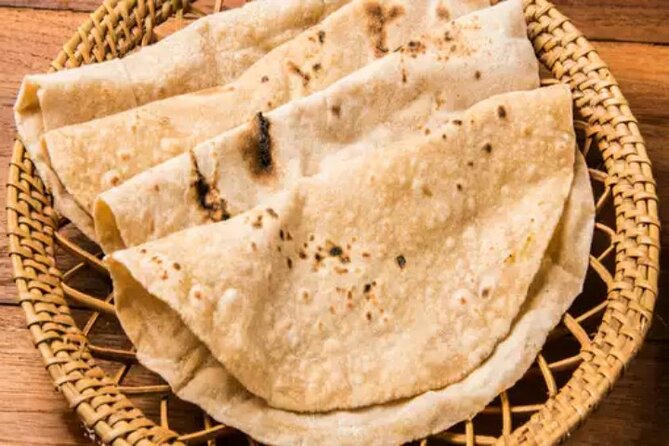
You’ll also make chai and roll chapattis, which is a useful skill set. Chapatti work is simple but not always obvious until you try it—dough texture, rolling thickness, and getting the cooking timing right on the pan.
And yes, you’ll interact with your hosts while you cook. That’s not a forced script. It’s part of how household meals work, and it’s where the experience becomes more than food.
Spice Secrets: What You’re Really Learning
The class highlights learning the secrets of Indian spices directly from household chefs. Translation: you’re not only told what to add, you learn why it’s added and what it does during cooking.
That’s practical. Spices can be intimidating because they sound like special ingredients. In reality, most of the magic is in how you build flavor:
- When spices hit hot oil or fat, their aromas bloom.
- When spices simmer, they mellow and blend into the curry base.
- When you add fresh herbs at the right moment, the dish tastes less flat.
You also get to see how a family approaches cooking in daily life. That can be the difference between a dish that tastes good once and one that tastes consistent when you repeat it.
If you like food details—like how a dal texture changes with simmer time—this is the sort of class that rewards your attention. If you prefer a faster, purely tasting-focused activity, you might find the spice focus a bit more technical than you expected, but it’s still beginner-friendly in feel because it’s taught in a home kitchen.
You can also read our reviews of more tours and experiences in Jaipur






Chapattis and Chai: The Skills That Make the Meal Feel Complete
A lot of cooking classes stop at the curry. This one adds the parts that make North Indian meals feel like a full plate.
Chapattis aren’t just bread here; they’re the delivery system for flavor. Rolling them means you’ll practice the texture and thickness that works on a pan. It also gives you a satisfying, tactile skill you can remember long after the class ends.
Chai brings the other side: comfort. You’ll make chai as part of the lesson, and that’s a smart choice because chai is familiar enough to connect quickly, but it still has technique in balancing tea and spices.
After cooking, you’ll be able to sit down and taste your own work as the whole meal, not separate dishes that someone else assembled.
Dine on What You Cook: The Real Payoff
At the end of the lesson, you dine on your creations. The experience is described as an unlimited delicious meal with a local family. That’s exactly what you want for value and for closure—you don’t finish with a few samples and a sad cookie.
This part is where the host family interaction really clicks. You can ask questions while you eat, and you can see how your dishes hold up as actual food, not just items you prepared.
And since it’s a family setting, it tends to feel relaxed. You’re not racing through your meal to be out by a set time like you might in a busy restaurant experience.
One practical tip: you’ll likely cook with warm spices and eat relatively soon after cooking. Come ready to enjoy the flavors. If you know you’re sensitive to heat, tell your instructor so you can adjust during cooking.
Cultural Learning That Goes Beyond Food
The class doesn’t treat cuisine as a museum piece. You’ll also learn about family life in India, including the joint family system and day-to-day routine. You may talk about traditions, culture, weddings, and Gods—things that shape how food fits into daily celebrations and religious life.
That kind of conversation helps the dishes land better. When you understand that spices and meal timing can be tied to household rhythms or special occasions, you stop seeing the food as random combinations and start seeing it as a living system.
Also, the small-group setup (max 10 travelers) makes conversation more realistic. You’re less likely to feel like you’re stuck listening at a distance.
What You’re Getting for $23 (and Why That’s a Good Deal)
At $23 for about two hours, this class is strong value for three reasons:
First, you get instruction, not just participation. You’re actively cooking dishes like dal and aloo gobi, plus chapattis and chai.
Second, the meal is included and described as unlimited. That changes the math. You’re paying for a full experience that ends with you eating well.
Third, you’re in a real household setting, with named hosts like Ravi and Suman in some experiences. That’s the kind of access you usually pay extra for in more formal tours.
If you’re the type of traveler who loves practical skills—something you can recreate at home—this is one of the most satisfying uses of a couple hours in Jaipur.
Who Should Book This and Who Might Skip It
This experience is a good fit if:
- You want a hands-on Jaipur cooking class with a local family.
- You enjoy North Indian vegetarian cooking and want skills with spices and chapattis.
- You like short, social activities in a small group.
You might consider skipping if:
- You want a strictly professional, restaurant-style setting with polished staging.
- You’re expecting a non-veg menu or a focus outside vegetarian North Indian dishes.
- You’re not comfortable cooking in a home kitchen environment.
For most people, the vibe is friendly and approachable because it’s taught directly by the household chef and you’re limited to a group size of up to 10.
Should You Book This Jaipur Home Cooking Experience?
Book it if you want something genuinely useful: you’ll learn how Indian spices work in real dishes, roll chapattis, make chai, and then eat an included meal that matches what you cooked. The combination of small-group attention, family interaction, and recipes makes it feel more like a skill-sharing evening than a scripted tour.
I’d pass if you’re short on time and only want a quick bite, or if you’re specifically chasing non-veg dishes. But if your idea of a great Jaipur afternoon involves food you can actually make again later, this is a very solid choice for the money.
FAQ
Where is the meeting point for the Jaipur cooking class?
The start point is Smart N Shiny | Best Salon in Vaishali Nagar, 6-A, 401 Star Apartment near SBBJ Bank, Chitrakoot, Akruti Apartments, Vaishali Nagar, Jaipur, Rajasthan 302021, India.
Is pickup offered?
Yes. Pickup is available from select hotels on request.
How long does the cooking class last?
The duration is approximately 2 hours.
How many people are in each group?
The class has a maximum of 10 travelers.
What dishes will I cook?
You’ll learn to make classic vegetarian North Indian dishes such as dal and aloo gobi, along with other curries. You’ll also make chai and roll chapattis.
Do I get to eat the food I make?
Yes. You dine on your creations at the end of the lesson.
Is the experience vegetarian-focused?
It focuses on North Indian vegetarian cuisine, including dishes like dal and aloo gobi.
Will I receive recipes?
Yes, you get recipes in the class.
Is there free cancellation?
Yes. You can cancel for free up to 24 hours in advance for a full refund.
If you want, tell me your travel dates and whether you’ll need hotel pickup, and I’ll help you place this into a sensible Jaipur half-day plan around the rest of your sightseeing.