REVIEW · JAIPUR
Private Jaipur Shopping Tour – Handicrafts, Textiles & Jewelry
Book on Viator →Operated by Namaste Jaipur Tours · Bookable on Viator
Your shopping plan can run on rails.
This private Jaipur shopping tour is built around smart shop stops (not a random walk past a “maybe” store), with a guide who helps you find quality and fair pricing for Jaipur signatures like textiles, jewelry, blue pottery, and sandalwood crafts. Even the route is designed to keep things moving, with tuk tuk rides that let you catch views between markets.
I like two things right away. First, you get pickup and drop-off, so you’re not wasting time haggling with taxis while your bargaining mood is already fading. Second, the guide’s job isn’t just pointing at items—it’s steering you toward better shops and helping you compare so you’re not buying the first price you hear.
One thing to consider: the schedule starts at 11:00 AM after breakfast and runs about 8 hours, so it’s not ideal if you want a full morning of sightseeing or you prefer short, low-commitment shopping errands.
In This Review
- Key highlights worth your attention
- Why this Jaipur shopping tour feels practical (not like chaos)
- Price and value: how $10.87 can make sense
- The 11:00 AM start and 8-hour rhythm
- Stop 1: Akee International for cashmere, silk, yak wool, and shawls
- Stop 2: Johri Bazaar for Jaipur jewelry craft
- Stop 3: Heritage Textiles and Handicrafts for pashmina, home goods, and bed linen
- Stop 4: Bapu Bazar for accessories, handlooms, brass works, and stones
- Stop 5: Channi Carpets & Textiles for handmade carpets and natural dyes
- Tuk tuk rides plus an A/C car: how the transport affects your comfort
- What the guide actually does for you (and how to work with them)
- Tips to keep your day efficient (and your souvenirs fair-priced)
- Who this tour is best for
- Should you book this private Jaipur shopping tour?
- FAQ
- What time does the shopping tour start?
- How long is the private Jaipur shopping tour?
- Is the tour private or shared with others?
- What are the shopping stops included in the day?
- Are admission tickets included for the stops?
- What is included in the price?
- What is not included?
- Can I cancel and get a full refund?
Key highlights worth your attention
- Private group by default: only your group participates
- Guide-led shopping focus: help finding good products and prices
- Tuk tuk city rides: see more of Jaipur between stops
- Five targeted shopping anchors: cashmere and shawls, jewelry, textiles, bazaar goods, and carpets
- You avoid ticket hassle: listed stop admissions are free
Why this Jaipur shopping tour feels practical (not like chaos)
Jaipur shopping can be fun, but it can also burn time fast—especially when you’re trying to compare materials, sizes, and prices without a plan. This tour is built for that exact moment. You start in the morning, hop between major shopping areas, and spend the day in places that specialize in what Jaipur is known for.
What I find especially useful is the “guided shopping” angle. A good guide does two jobs at once: (1) helps you avoid wasting money and (2) helps you avoid wasting your limited energy. The stops on the route are specialized—cashmere and shawls at one place, jewelry at another, textiles and home goods in between—so you’re not constantly walking in circles hoping something good turns up.
Also, you’re not just shopping in a vacuum. The route includes transport between stops and tuk tuk rides through the city, so you’re not stuck staring at walls for hours. That’s a small thing, but it matters when you’re doing a full-day market run.
You can also read our reviews of more private tours in Jaipur



Price and value: how $10.87 can make sense
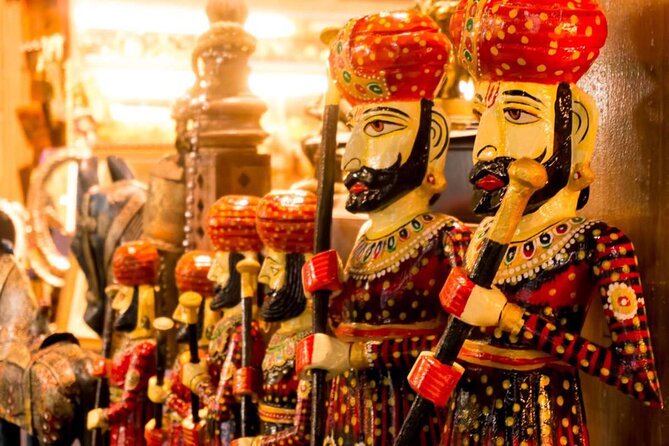
At about $10.87 per person, this is strikingly affordable for an ~8-hour private shopping circuit. The key is what’s included. You’re paying for a lot of logistics, not just a “go shop” suggestion.
Included items that drive value:
- Hotel/airport/railway station pickup and drop
- Private chauffeur-driven A/C car for the Jaipur shopping transfers
- Bottled water
- All government taxes (GST)
- Fuel, parking, toll taxes, and interstate taxes
What that means for you: if you’ve already got your own driver, already planned your own market route, and already priced out car + taxes + time, you’ll likely find this tour is easier on your planning brain. Your main costs during the day will be purchases (not transport).
A smart note: this kind of shopping day is still a shopping day. Even with a guide, you’ll want to set expectations. Decide what you want—shawls, textiles, jewelry, carpets—and set a rough budget before you get swept into the “just browsing” trap.
The 11:00 AM start and 8-hour rhythm
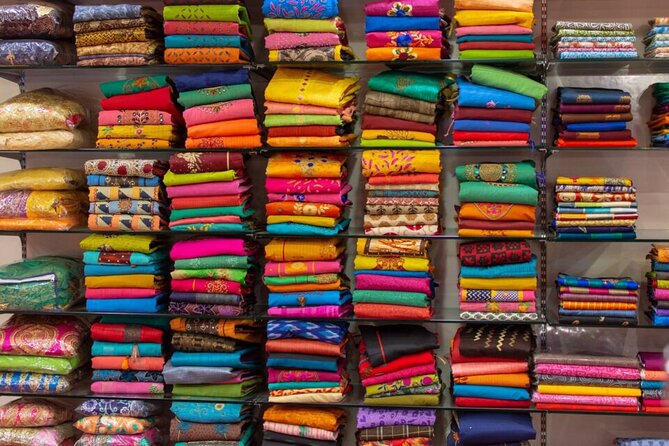
The day is structured simply. After breakfast, the driver picks you up at 11:00 AM and you begin the shopping tour right away. The tour runs for about 8 hours overall, with time allocated to five stops.
Why the timing is useful:
- Starting at 11:00 AM gives you enough daylight for shopping and checking items in natural light.
- You’re not rushing immediately after waking up, which helps when you’re comparing fabric quality or stone details.
- The stops are spaced out, so you’re not forced to commit to one area for the whole day.
One pacing reality: jewelry and textiles take longer than people expect. If you’re the type who wants to check composition, stitching, weave, and finish, plan to slow down inside the shops. The schedule gives you block time at each stop, which is exactly what you want.
Stop 1: Akee International for cashmere, silk, yak wool, and shawls
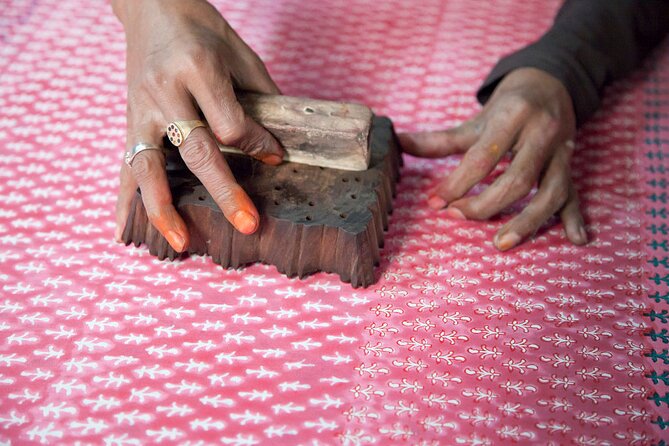
Your first major stop is Akee International. This is positioned as a manufacturer for cashmere, silk, yak, and wool, with shawls, stoles, and a variety of fabrics as the core focus.
What you can do here (and why it helps):
- This is the place to concentrate on wearable items—shawls and stoles—so you can compare softness, thickness, and how the fabric drapes.
- If you care about fibers, this stop is built around fiber categories (cashmere, silk, yak, wool), which makes shopping easier. You can ask targeted questions and compare like with like.
Potential drawback:
- If you already know you only want jewelry or only want carpets, you might feel tempted to move quickly here. Still, it’s worth spending real time early because it’s often where people get the best “baseline” for prices and quality.
Stop 2: Johri Bazaar for Jaipur jewelry craft
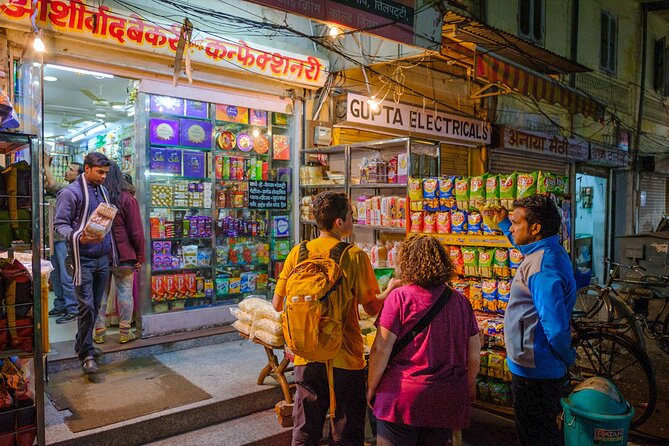
Next up is Johri Bazaar, one of the famous Jaipur markets for jewelry. The emphasis here is on exquisite jewelry and intricate craftsmanship, and the stop runs about 2 hours.
How to shop smarter at a jewelry bazaar:
- Go in with one or two categories in mind: earrings, rings, necklaces, or stone-studded pieces.
- Compare not just the look, but the construction and finishing. Even without technical knowledge, you can often spot differences in polish, symmetry, and how settings hold stones.
- Ask how the piece is made and what you’re paying for. A guide can help you interpret answers and compare between shops.
Consideration:
- Jewelry shopping can turn emotional fast because pieces are so pretty. A plan helps. Decide what you want to spend and what you’ll actually wear or gift, then shop within that boundary.
You can also read our reviews of more shopping tours in Jaipur






Stop 3: Heritage Textiles and Handicrafts for pashmina, home goods, and bed linen
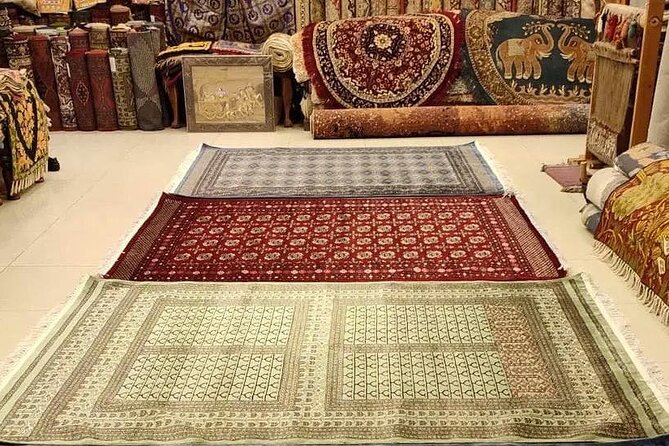
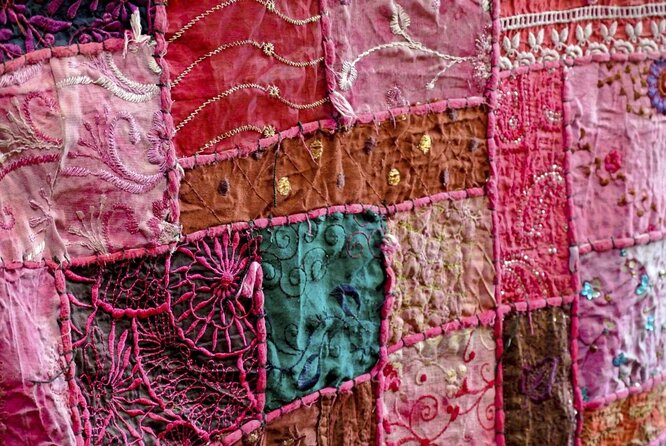
At Heritage Textiles and Handicrafts, the focus shifts from jewelry to textiles and home items. The listed specialties include handcrafted textiles, pashmina shawls, home furnishings, and bed linen.
This stop is useful if you want to bring home more than one kind of souvenir. You can look at:
- Wearables (pashmina and fabric goods)
- Home textiles (bed linen and furnishings)
Why I like this stop format:
- It gives you options beyond personal accessories. If you’re buying for family, home goods can feel more practical than one-off items.
- “Handcrafted textiles” and “home furnishings” means you’re more likely to find items that fit typical luggage and gift needs.
Possible drawback:
- Textiles can be confusing if you try to evaluate everything at once. Narrow your search first (for example: shawls only, or bed linen only) so you can compare properly within a category.
Stop 4: Bapu Bazar for accessories, handlooms, brass works, and stones
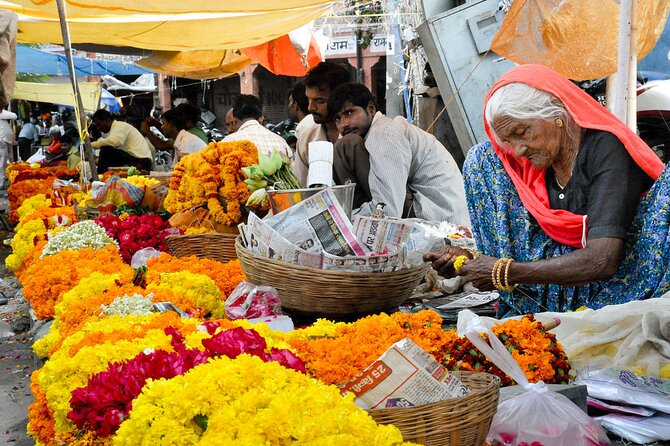
Bapu Bazar is described as a one-stop destination for shopping accessories, including shoes, handlooms, artificial jewellery, brass works, and precious stones. Time here is about 2 hours.
This is the stop that feels most like traditional market shopping: more variety, more lanes, more chances to stumble onto something you didn’t plan for. With that variety, a guide matters because it’s easy to get lost in price comparisons.
How to approach it:
- Think of Bapu Bazar as your “anything I might want” zone. That might include brass souvenirs, accessory sets, or stone-related items.
- If something catches your eye, ask what it is made of and how it’s finished. Even for “artificial jewellery,” you can still shop by quality cues like weight, coating, and overall craftsmanship.
Consideration:
- With more variety comes more sales energy. If you feel yourself losing focus, return to your shortlist and let the guide help you narrow down.
Stop 5: Channi Carpets & Textiles for handmade carpets and natural dyes
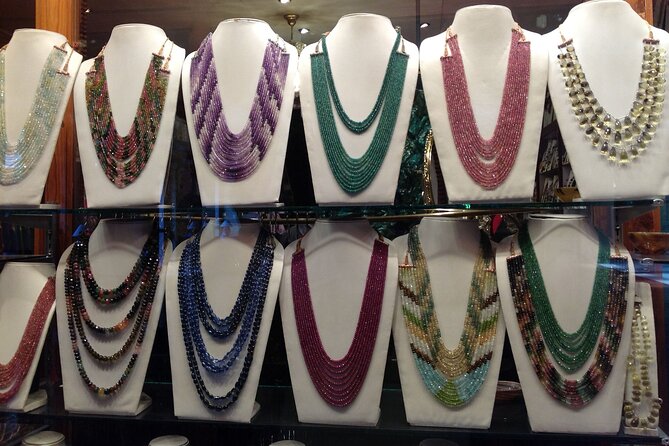
You end at Channi Carpets & Textiles, known for textiles, beddings, shawls, organic fabric, and a handmade carpet unit. The shop specifically mentions carpets in silk and wool and also references Afghani and natural dye approaches, plus modern styles and anti- styles (the final phrase is cut off, so you’ll want to ask in person).
If you’re considering a carpet, this is the logical final stop because you can compare your earlier textile impressions before committing. It’s also where you can ask the practical questions that matter most:
- What materials are used (silk vs wool)
- What “natural dye” means for color and longevity
- What style fits your home and your plans for transport
Possible drawback:
- Carpet buying is a bigger decision than a shawl. Even if you fall in love, treat it like a purchase with logistics. Decide early if you’re actually ready for a larger souvenir.
Tuk tuk rides plus an A/C car: how the transport affects your comfort
The tour mix includes tuk tuk rides through the city and also a private chauffeur-driven A/C car for the Jaipur shopping transfers. That combination is a practical one.
Here’s why it helps you:
- The car can handle longer moves comfortably.
- The tuk tuk rides keep you connected to the street feel without you doing all the navigating yourself.
- You can take a breather between stops, which is key during an 8-hour day.
Bring this mindset: use the transport breaks to reset. Markets feel endless if you don’t pace them.
What the guide actually does for you (and how to work with them)
A shopping guide can be anything from a silent driver to an honest partner. The best versions of this tour are the “help you buy well” type.
The names you may see in this experience include guides like Khalid, who was praised for steering people to outstanding shops far from the usual tourist traps. Another guide mentioned is Rohit, praised for very good French and for adding a patisserie and a local restaurant as an extra during the day.
That’s a helpful clue about what to expect from strong guides:
- They can help you spot shops that focus on their specialty.
- They can explain what you’re looking at in a way that makes comparisons easier.
- They may add small extras if you want them, sometimes at an additional cost.
How you can make that work:
- Tell the guide your top 2 priorities before you start shopping.
- Ask for price comparisons across similar items, not just for the single best-looking thing.
- Don’t be shy about walking away. With a guide, you can often redirect fast to your next target.
Tips to keep your day efficient (and your souvenirs fair-priced)
Even with a guide, you’re still responsible for your choices. Here are smart habits that match a full-day shopping circuit:
- Set a souvenir list before the pickup. If you want shawls, jewelry, and carpets, decide what kind of each.
- Keep one price reference in your head. When you hear a price, note if it matches your target and compare later inside the next stop.
- Focus on quality cues you can see quickly: finish on metal, fabric drape, stitching, and overall neatness.
- Ask about fiber or material categories when relevant. This is especially useful at stops like Akee International and Channi Carpets & Textiles.
- Don’t buy everything early. By the second stop, you’ll understand the market tone better.
And yes—carry something to stay hydrated. Bottled water is included, but it’s still smart to drink steadily if you’re walking and negotiating.
Who this tour is best for
This is a great fit if:
- You want a guided shopping plan across Jaipur’s key market areas in one day
- You’re shopping for textiles, shawls, jewelry, handicrafts, and possibly carpets
- You prefer pickup/drop and a structured route over self-navigating
You might not love it if:
- You only want one tiny shopping stop and then sightseeing
- You’re very price-sensitive and want total DIY control without guidance
- You dislike shopping-heavy days and would rather spend that time at landmarks
If your goal is practical souvenir buying—without turning the trip into a stressful maze—this tour style fits.
Should you book this private Jaipur shopping tour?
I’d book it if you want a full day that’s clearly organized around the things Jaipur does well: textiles, jewelry, and craft-focused souvenirs—with transport handled and a guide helping you compare.
I’d skip it if your schedule is tight or you’re hoping for a light-touch experience. This is shopping-first, with the day’s timing built around market stops, not museum detours.
If you do book, go in with a shortlist and a budget. Let the guide help you compare, not just pick.
FAQ
What time does the shopping tour start?
The driver picks you up at 11:00 AM after breakfast.
How long is the private Jaipur shopping tour?
The duration is about 8 hours.
Is the tour private or shared with others?
This is a private tour/activity, meaning only your group will participate.
What are the shopping stops included in the day?
The tour includes Akee International, Johri Bazaar, Heritage Textiles and Handicrafts, Bapu Bazar, and Channi Carpets & Textiles.
Are admission tickets included for the stops?
The listed stops show admission ticket free.
What is included in the price?
Included are hotel/airport/railway station pickup and drop, a private chauffeur-driven A/C car, bottled water, fuel and parking/tolls, and all government taxes (GST).
What is not included?
Not included are hotel accommodation, alcoholic drinks, souvenir photos (available to purchase), and tips/gratuities.
Can I cancel and get a full refund?
Yes. You can cancel up to 24 hours in advance for a full refund. If you cancel within 24 hours of the start time, the amount paid is not refunded.