REVIEW · JAIPUR
Full-Day Jaipur Tour Ending with a Sunset Experience
Book on Viator →Operated by Jaipur Tour Taxi · Bookable on Viator
Jaipur is a camera waiting to happen. This full-day route is built for photos and sanity: City Palace, Jantar Mantar, Hawa Mahal, Amer Fort, and more, all paced with a guide who helps you understand what you’re photographing. I also like the start with samosas and lassi, so you’re fueled before you hit the big sights. One thing to factor in: monument entry fees are not included for several stops unless you choose the monument-ticket option.
You get a private day in your own clean car, with pickup and drop-off anywhere in Jaipur—so you spend less time negotiating rickshaws and more time framing shots. The tour is marketed as ending with a sunset experience, and in practice the timing can help you catch nicer light for the last stretch of viewpoints.
A final plus: the team has shown flexibility when weather throws a wrench, like fog affecting morning plans. That matters in Jaipur, where traffic and visibility can change fast.
Key highlights at a glance
- Photo-first route through Jaipur’s most camera-friendly landmarks in one day
- City Palace + Jantar Mantar + Hawa Mahal back-to-back for contrast in style and scale
- Amer Fort time to slow down for gates, courtyards, and strong viewpoint photos
- Cenotaph stops at Royal Gaitor Tumbas for a quieter, less touristy-feeling mood
- Snacks at the start with samosas and lassi to kick off the day right
- Private car with pickup/drop-off and help from guides who can take your photos
In This Review
- Why This Jaipur Photo Route Works So Well
- Picking Your Ride: Sedan vs SUV, Pickup, and a True Private Day
- Start Smart in Jaipur: Samosas, Lassi, and Getting Oriented
- City Palace: Royal Power, Museum Today, Photo-Friendly Layout
- Jantar Mantar: Measuring the Sky With Stone Instruments
- Hawa Mahal and Royal Gaitor Tumbas: Classic Façade + Quiet Royal Memory
- Jal Mahal: The Floating Water Palace, Minus the Big Time Commitment
- Amer Fort: The Big Ticket Photos (Gates, Courtyards, and That Fort-Wall Scale)
- Panna Meena ka Kund: Geometric Steps for Strong Close-Ups
- Monkey Temple: Hanuman and Sun Worship in a Photo-Ready Setting
- Timing the Day and That Sunset Finish
- Price and Value: What the $13.42 Covers (and What Might Cost Extra)
- Who This Tour Suits Best (and Who Might Want Something Else)
- Should You Book This Jaipur Full-Day Tour?
- FAQ
- How long is the Jaipur full-day tour?
- Is pickup and drop-off included?
- Are monument tickets included?
- Does the tour include meals?
- What’s included in the price?
- Can I choose my vehicle type?
Why This Jaipur Photo Route Works So Well
If your mental checklist is Pink City icons plus great photo angles, this tour is a smart way to do it without rushing through random stops. The day is organized like a visual story: palaces, royal observatories, geometric staircases, and fort walls that look different depending on where the light lands.
What I like most is the pacing. Several stops are short but not chaotic, which gives you just enough time to look around, ask questions, and grab a few photos without feeling like you’re sprinting from one ticket line to the next. A guide also helps you spot details worth photographing—patterns in stone, symmetry in doorways, and the way locals move through courtyards and temple areas.
The other reason it works: you’re in a private car, so you can keep going even when traffic slows down. You’re not stuck waiting on shared departures or trying to herd your group across streets.
One practical consideration: not everything is a free-for-all. Some entry fees are separate, so your total cost may be a bit more than the headline price.
Picking Your Ride: Sedan vs SUV, Pickup, and a True Private Day
This is a private tour for your group only, which changes the feel immediately. You’re not dealing with strangers who want to move at different speeds. The guide can also adjust on the fly—answering questions while you’re looking at a façade, or giving you a quick photo tip when everyone’s cameras come out.
Transport is set up for comfort and time-saving. You can choose a sedan or SUV with a driver, and you get pickup and drop-off within Jaipur (so you’re not limited to a single hotel zone). The tour includes transport costs like fuel, parking charges, tolls, and interstate taxes.
Why this matters: Jaipur distances aren’t huge on a map, but in real life, driving time can balloon with traffic. A private car gives your day a “keep moving” advantage, especially if you want to fit in multiple iconic locations.
You can also read our reviews of more evening experiences in Jaipur


Start Smart in Jaipur: Samosas, Lassi, and Getting Oriented
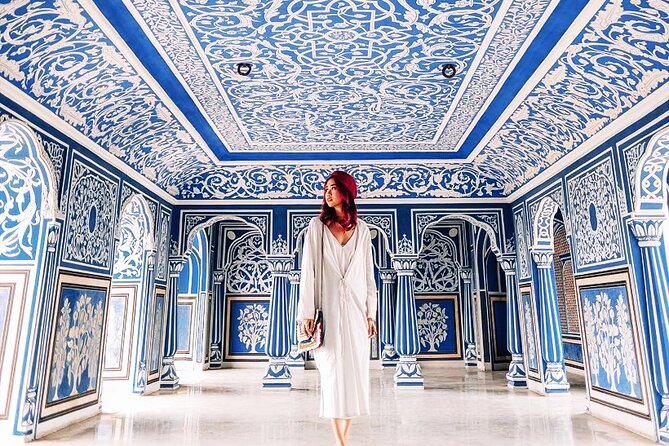
The day begins with a complimentary drink, including samosas and lassi. It’s a small detail, but it’s also a practical one: you’re ready to walk and climb without immediately hunting for food.
That start also helps you get oriented. Your guide can set expectations for the route—what you’re about to see, what to watch for in photos, and where you’ll likely want to pause longer. Even if you’re not a hardcore photographer, understanding the “why” behind each location makes the images more meaningful.
A tip for making the most of the first hour: charge your phone/camera before pickup if you can, and bring a small water bottle. The tour doesn’t include meals, so you’ll want to handle snacks and drinks on your own while you’re sightseeing.
City Palace: Royal Power, Museum Today, Photo-Friendly Layout
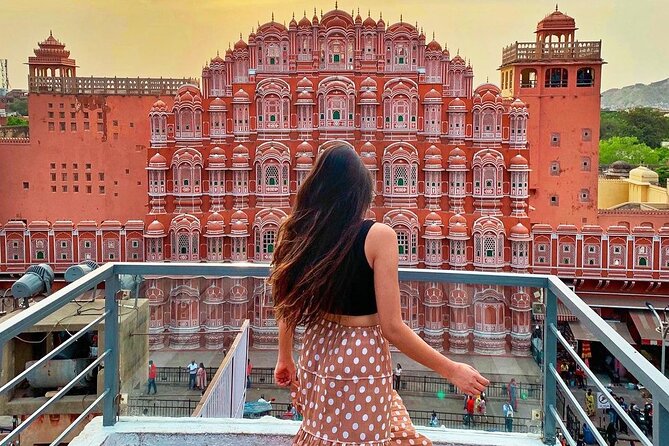
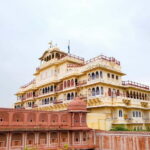
City Palace is the opening anchor, and it’s a good one. It’s where royal family life continues, and it also houses the Maharaja Sawai Man Singh II Museum. The palace isn’t just a pretty façade; it’s tied to cultural and religious events in its living present.
For photos, City Palace rewards structure. Look for doorways, arches, and symmetrical courtyard lines. Even at a walking pace, you can work the frame in layers—foreground detail, mid-ground architecture, and then the open space behind it.
You’ll have about 2 hours here. That’s enough time to get a mix: wide shots from outside or in courtyards, plus close-ups of the palace’s decorative work. Just remember entry tickets for this stop aren’t included in the default setup, unless you choose the monument-ticket option.
Jantar Mantar: Measuring the Sky With Stone Instruments
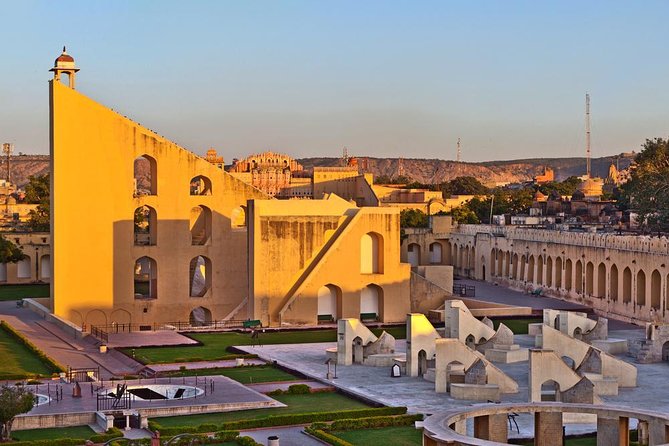
Next up is Jantar Mantar, Jaipur’s observatory. It’s built around 19 instruments used to measure the position and distance of celestial bodies. One famous feature is the world’s largest stone sundial, which is exactly the kind of thing that looks good in photos because it has clear shapes and strong shadows.
You’ll have about 45 minutes. That’s the right amount of time for two reasons. First, you don’t need hours to get the main visuals. Second, the instruments are easier to understand when you’re not exhausted, so you can take in what the guide explains.
For your camera: keep an eye on contrast. The stone surfaces and the geometric instruments read well when light hits at angles. If clouds roll in or the sun is harsh, you can still get good results by focusing on close details and edges rather than only wide shots.
Hawa Mahal and Royal Gaitor Tumbas: Classic Façade + Quiet Royal Memory
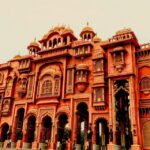
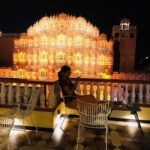
Hawa Mahal is the stop that most people recognize instantly. It’s the Palace of Breeze—famous for its architecture and colorful façade, and it’s one of the most photographed spots in Jaipur.
You’ll have around 45 minutes. That’s usually enough time to capture the façade and then wander for angle changes. The trick here is not just photographing the building, but photographing how it sits in its streetscape. Get one or two “signature” shots, then shift to detail shots of the façade patterns and window-like openings.
From there you head to Royal Gaitor Tumbas, which offers a different mood. This is a resting place for past rulers, marked by chhatris (cenotaphs) dedicated to the Maharaja. If Hawa Mahal feels like noise and spectacle, Royal Gaitor can feel calmer—still visually rich, but with a more reflective tone.
You’ll spend about 45 minutes here, which works well for wandering without rushing. Photographers often do well here because the structures and the spacing of cenotaphs make clean compositions.
You can also read our reviews of more tours and experiences in Jaipur


Jal Mahal: The Floating Water Palace, Minus the Big Time Commitment
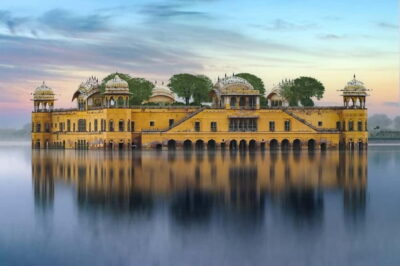
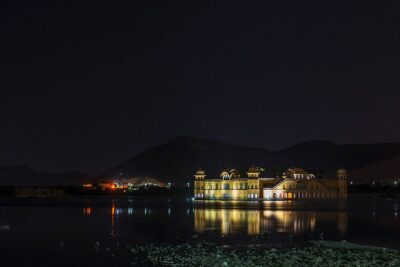
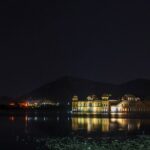
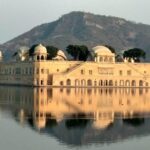
Jal Mahal is quick: about 15 minutes. But it’s worth it if you love that postcard moment. The water palace sits in Man Sagar Lake and can look like it’s floating on the water.
This is the kind of stop where expectations help. Don’t treat it like a long-exploration location. Treat it like a short photo intermission—arrive, grab your angles, then move on.
If light is cooperating, reflections can help your images. If not, you can still shoot textures and the layered feel of the palace against the lake. The stop is listed as free, so it’s a no-stress add-on in your day.
Amer Fort: The Big Ticket Photos (Gates, Courtyards, and That Fort-Wall Scale)
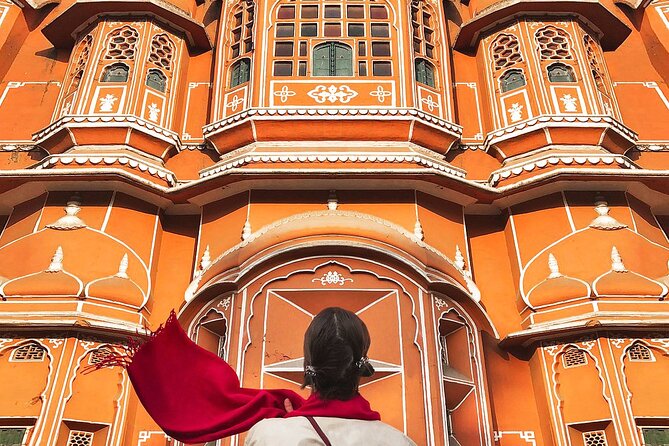
Amer is where Jaipur turns dramatic. You’ll head to Amer and spend about 2 hours exploring the massive fort, with time to focus on elaborately designed gates and courtyards.
Even with limited time, Amer rewards patience. You can get wide “wow” photos from across the complex and then switch to close-ups of decorative entrances and repeating patterns. A good guide also helps you understand the layout so you’re not just walking through emptiness—you’re walking with purpose.
Amer’s admission is listed as free in the tour outline, which helps the value side of the day. That said, how you pay for everything overall still depends on whether you choose monument tickets for the stops where entry is separate.
One practical note: timing matters. If your day starts early, you may catch gentler light and calmer movement around the fort grounds. The tour has flexibility shown by the operators when morning conditions get messy, like fog. Translation: if the weather affects visibility, they may adjust to protect your sightseeing time.
Panna Meena ka Kund: Geometric Steps for Strong Close-Ups
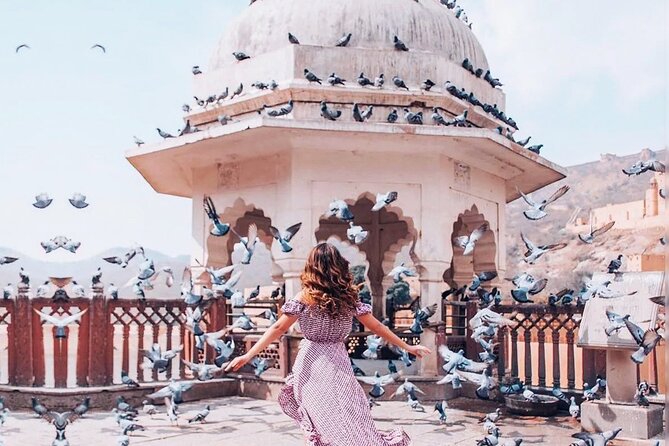
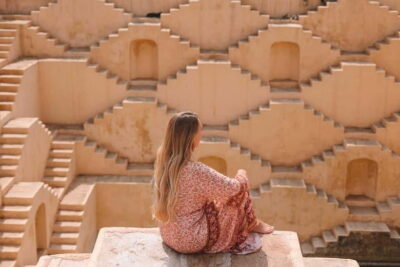
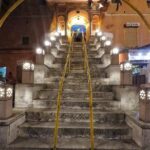
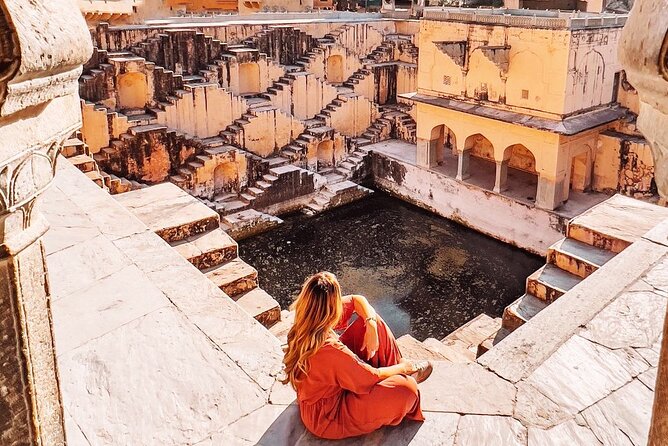
After Amer, you’ll move to Panna Meena ka Kund. This centuries-old architectural marvel is known for unique geometric staircases. For photos, geometry is your friend here: it’s built for lines, repetition, and symmetry.
You’ll have around 30 minutes. That’s enough for a strong set of shots without getting stuck waiting out crowds for an angle. With staircases, try working your framing in layers: a “whole staircase” shot for context and then tight shots that show the pattern details.
Even if you’re not sure what you’re photographing, a guide can help point out what makes it special visually and historically—turning a quick stop into a photo you’ll remember.
Monkey Temple: Hanuman and Sun Worship in a Photo-Ready Setting
The final temple stop is Monkey Temple, also known as one of Rajasthan’s jewels. It’s dedicated to Lord Hanuman and the Sun God, and it holds significance in Hindu worship.
You’ll have about an hour here. That’s the right amount of time because you can do two things: capture the temple architecture and observe the temple atmosphere. If monkeys are around (and in this type of place, they often are), keep your focus on safe distance and careful movement. Don’t chase photos—let the moment come to you.
This stop can be a great closer because it adds human-scale energy to a day that otherwise leans palaces and stone monuments. It also helps the sunset finish feel more like Jaipur, less like a checklist.
Timing the Day and That Sunset Finish
This tour is marketed as ending with a sunset experience. The exact feel depends on when you start and how traffic and weather cooperate. Jaipur can be unpredictable in the short term, and conditions change quickly as the day goes on.
The good news: your route ends near a temple area, which often means the light can turn warmer by the time you’re in the final stretch. You’ll be able to take one more round of photos without feeling like you need to race back to the hotel immediately.
If you’re planning your shots, think in sets:
- early light for architecture textures
- mid-day for contrast and wide shots
- late light for warmer tones and softer shadows
Also, keep your camera settings simple. A guide can help with timing at stops, but your best tool is a consistent workflow—shoot, review, and then move.
Price and Value: What the $13.42 Covers (and What Might Cost Extra)
At about $13.42 per person, this is a very affordable way to see a big chunk of Jaipur in one day—especially because the transport side is handled. The price pairs well with what you get: a private clean car, pickup/drop-off, and a guide, plus a start with samosas and lassi.
Where value can change is entrance fees. Several stops list admission as not included (City Palace, Jantar Mantar, Hawa Mahal, Royal Gaitor Tumbas). The tour notes monument tickets can be included if you select the monument-ticket option. Some other stops are listed as free (Jal Mahal, Amer, Panna Meena ka Kund, Monkey Temple).
So before you go, decide what you prefer:
- pay for more with tickets included upfront (less thinking while you’re on-site)
- or plan to pay individual entries as you go
Either way, bring your patience budget. Even with a driver who picks routes to reduce traffic, Jaipur isn’t always quiet.
Who This Tour Suits Best (and Who Might Want Something Else)
This tour fits best if you want:
- a photo-focused route with real time at key landmarks
- private transport so your day stays flexible
- a guide who can explain what you’re seeing and help with photos
It’s also a good starting point in Jaipur because the sights are varied. You see palaces, royal observatories, geometric design, and temple atmosphere in one day.
If you already have a strong plan to explore a few sites only and you’re comfortable with solo navigation, you might not need such a packed route. But if you want to reduce decision fatigue and get a solid Jaipur “greatest hits” day, this one makes sense.
Should You Book This Jaipur Full-Day Tour?
Yes, if your goal is a smooth, private day that hits the must-see photo stops without you doing the logistics math every hour. The combination of private car + guide help + the snack start makes it feel organized from the first pickup.
Book with a small caution: confirm what you’re paying for in terms of monument entry fees, since several major sites may cost extra unless you choose the ticket option. If you’re okay with that, you’ll get a strong mix of architecture and real Jaipur atmosphere.
If you love early-light photography, ask your guide about timing. The tour team has shown flexibility when conditions like fog affect the morning, and that kind of flexibility often helps you see more, not less.
FAQ
How long is the Jaipur full-day tour?
It runs for about 8 hours (approx.).
Is pickup and drop-off included?
Yes. Pickup and drop-off are included within any Jaipur location or place.
Are monument tickets included?
Monument tickets are not included by default for several stops. Monument tickets are included only if you select the option to include them.
Does the tour include meals?
Meals are not included.
What’s included in the price?
The tour includes private clean car transport for a full day, fuel, parking charges, toll taxes, guide services, and transport-related costs. It also includes a complimentary drink at the start (with samosas and lassi).
Can I choose my vehicle type?
Yes. You can choose between a sedan or an SUV with driver for your Jaipur trip.