REVIEW · JAIPUR
Jhalana Leopard Safari Jaipur – Sunrise & Sunset Jeep Safari
Book on GetYourGuide →Operated by Safarirajasthan · Bookable on GetYourGuide
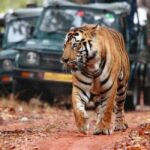
Leopards close to Jaipur is the real flex. What I like most is the open 4×4 jeep and naturalist-style tracking, which turns this into real wildlife time instead of a drive-by. The second big win is choosing sunrise or sunset, because timing directly affects what’s active and what you’ll see clearly in your photos.
One drawback to know up front: leopard sightings can be brief and unpredictable. Even with good tracking, you may get a moment between jeeps rather than a long show, so show up early, stay patient, and don’t plan on getting one perfect, guaranteed photo.
In This Review
- Key things that make this safari different
- Why Jhalana’s leopard safari works so well near Jaipur
- Sunrise vs sunset: when timing boosts your odds
- The open 4×4 jeep safari: what the ride is really like
- How the 3-hour loop plays out inside Jhalana
- Wildlife you can realistically hope for (and why birds matter)
- Practical stuff that makes the difference on the day
- Price and value: is $49 a good deal?
- When this safari is a great fit (and when to skip it)
- Should you book the Jhalana sunrise or sunset jeep safari?
- FAQ
- How long is the Jhalana Leopard Safari jeep safari?
- Can I choose a sunrise or a sunset safari?
- What animals might I see on this safari?
- What’s included in the ticket price?
- Is hotel pickup and drop-off included?
- What should I bring with me?
- Is there anything I’m not allowed to do?
Key things that make this safari different
- Limited jeeps per slot means less crowd pressure and more focus on tracking
- Sunrise vs sunset changes animal behavior and your light for photos
- Naturalist guide in an open 4×4 helps you understand what you’re seeing (and why)
- Real off-roading through dry forests and rocky areas, not just a smooth park drive
- High wildlife variety including leopards, striped hyenas, desert foxes, blue bulls, and 150+ bird species
Why Jhalana’s leopard safari works so well near Jaipur
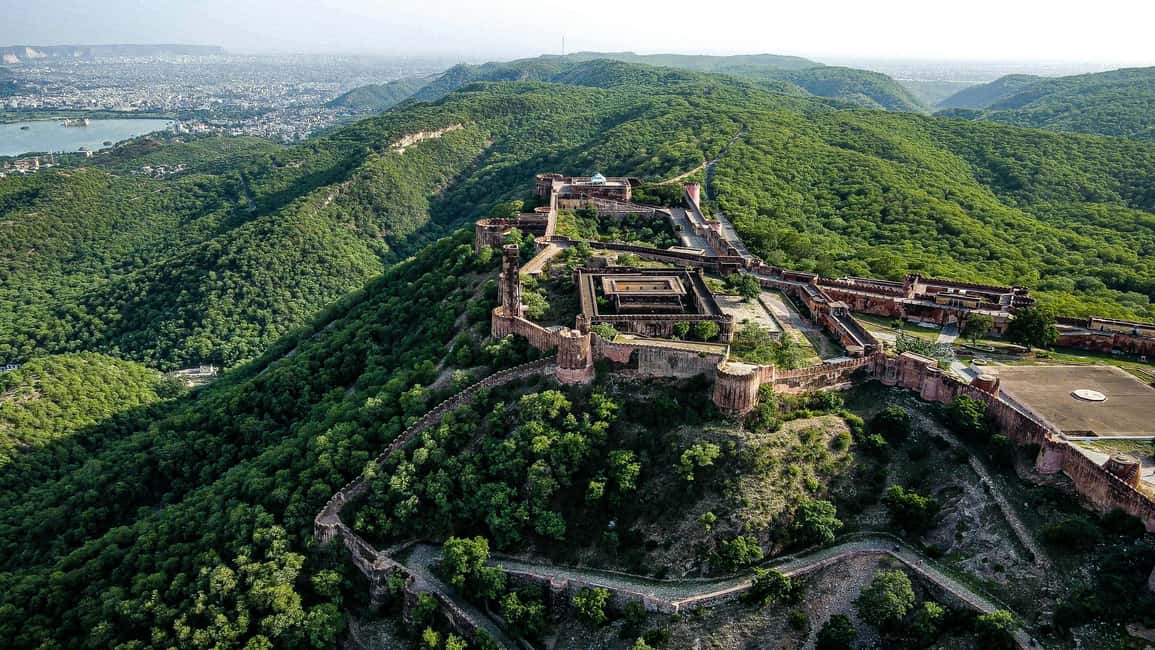
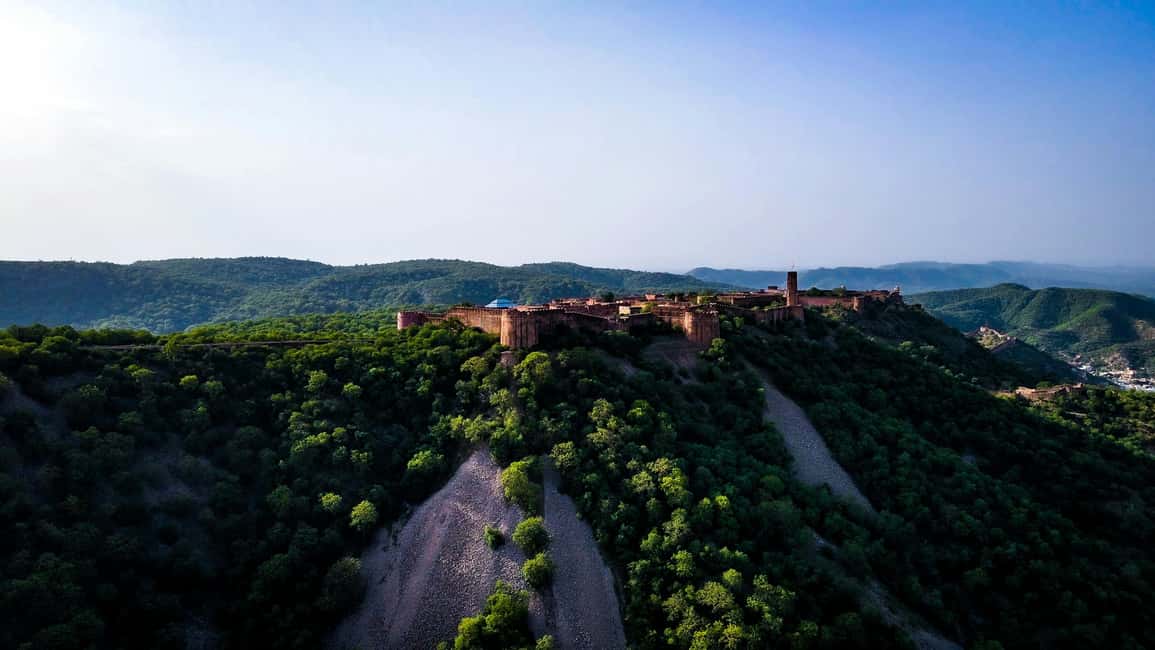
Jhalana is one of those places where the wild feels close enough to reality. You’re in Rajasthan, but you’re also near Jaipur city, which matters for two reasons: you can do this without a full day of travel, and you can still sleep in a normal routine if you pick the right start time.
What I like about Jhalana is that it isn’t positioned like a theme park. The reserve is about tracking and observation. On the jeep, you’re moving through rocky hills and dry forest areas while your guide watches for signs and coordinates where the animals might be. That “search with purpose” is a big part of the value, because leopard safaris are really an exercise in reading the land.
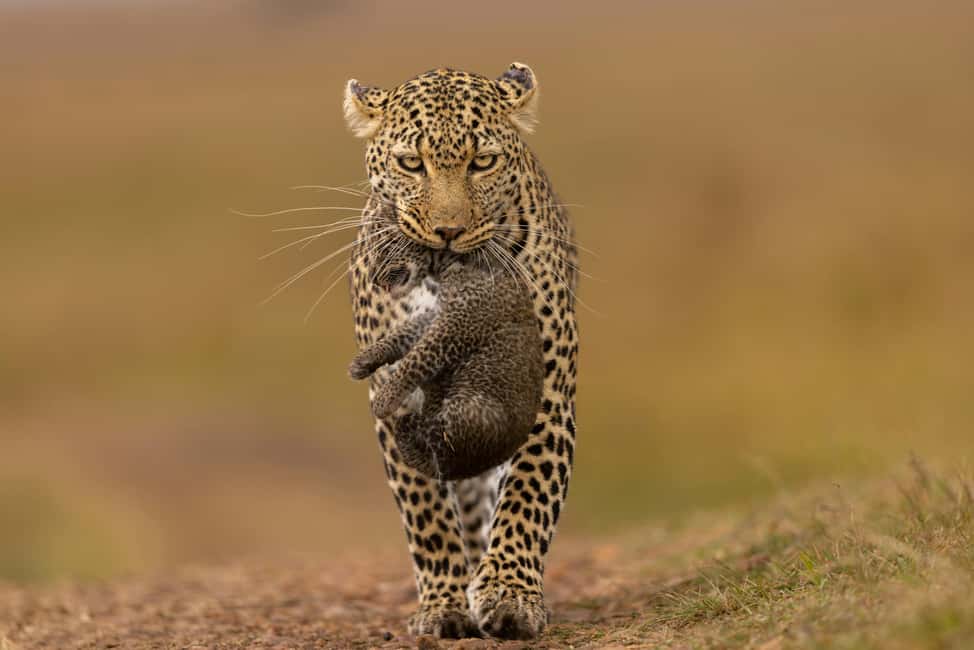
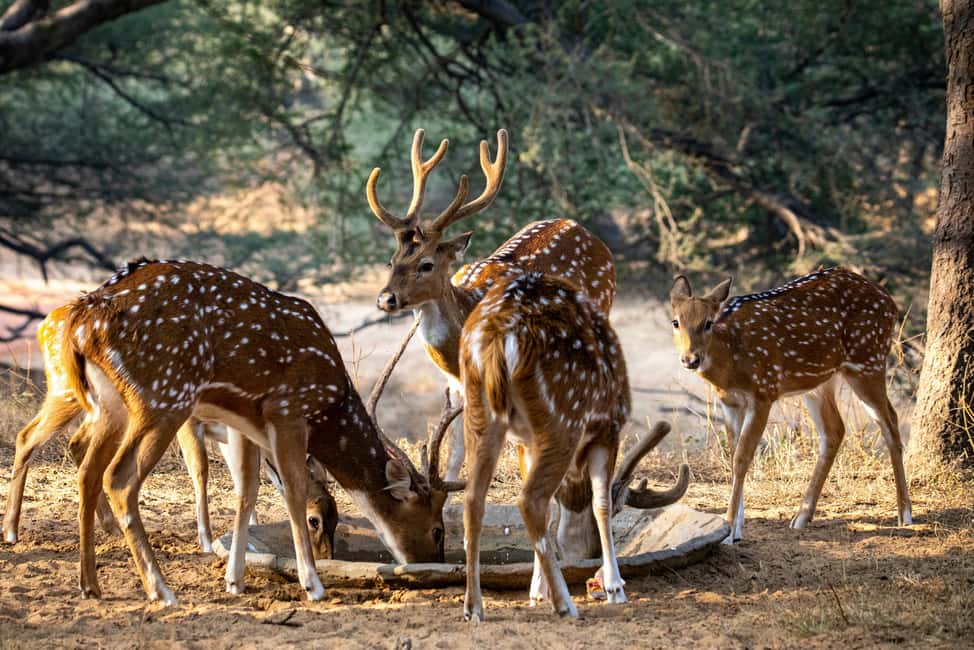
And yes, this area is known for leopards. You’re going for a chance at one of Rajasthan’s most famous big cats, but you’re not only hunting for one animal. The reserve supports other predators and prey too—striped hyenas, desert foxes, and blue bulls—plus plenty of birds, which is great when the leopard is quiet or out of sight.
You can also read our reviews of more evening experiences in Jaipur



Sunrise vs sunset: when timing boosts your odds
Choosing sunrise or sunset isn’t just about aesthetics, even though the light can be gorgeous. It changes the whole rhythm of the morning or evening in a way that wildlife notice.
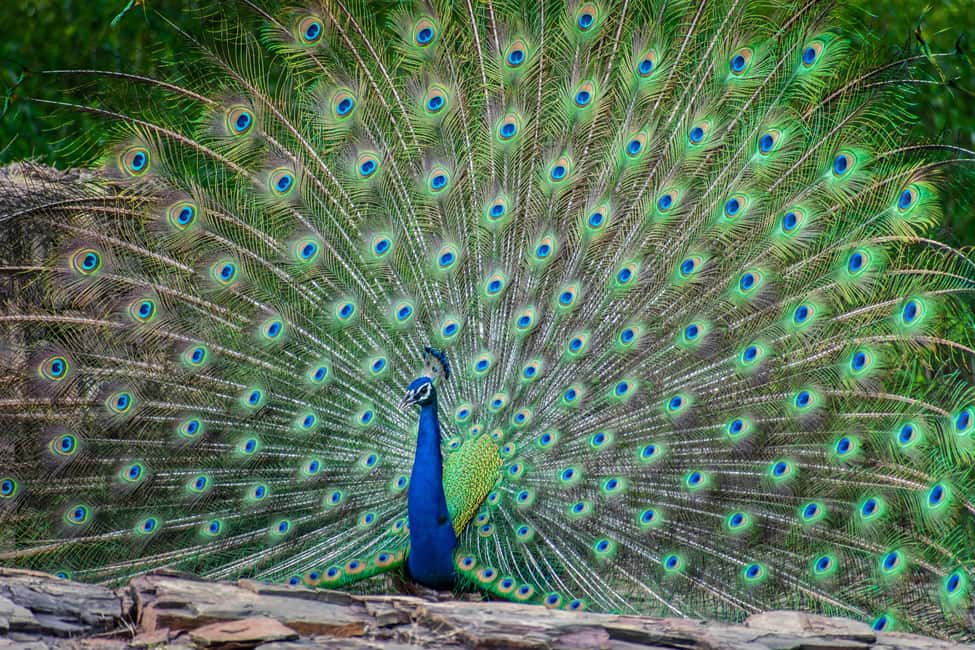
For sunrise safaris, you’re starting when the forest comes alive—more movement, more calls, and a better chance to catch animals when activity is ramping up. It’s the kind of start where peacocks and other sounds tend to be part of the soundtrack, not background noise.
For sunset safaris, the reserve gets that dramatic golden look, and your photos can improve fast once the light hits. Also, animals often shift behavior as temperatures drop, so you’re not just chasing light—you’re chasing different action.
If you’re sensitive to early mornings or low-light conditions, take this seriously. One guide-driving-and-arrival story from recent bookings described a situation where it was still dark when people reached the meeting area, even though the scheduled start time was early. The practical takeaway: arrive early enough to get your bearings, even if your day begins before the sun feels fully awake.
The open 4×4 jeep safari: what the ride is really like
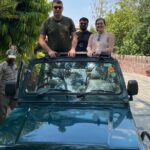
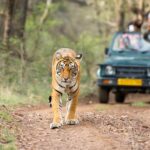
This isn’t a comfy city SUV experience. You’re on an open 4×4 jeep, which means you’ll feel the sun, the wind, and the dust. That’s part of the deal. It also means you can react quickly—camera up, eyes scanning, body leaning forward when the guide signals.
The guide is a key part of the experience. You’ll be with a local naturalist guide who knows how leopard tracking works, meaning you should expect them to guide your attention: tracks, movement patterns, and where to position your jeep for the best chance of sightings.
The “limited jeeps per slot” detail is more important than it sounds. Crowds can turn a wildlife safari into chaos—too many vehicles, too much noise, and animals moving away from disturbance. With fewer jeeps cycling through the same window, you have a better chance of seeing what’s happening rather than fighting for a view.
Off-roading is another practical point. You’ll roll through rough ground and rocky hills, which adds excitement but also means comfort comes second to visibility and momentum. If you have back issues, this is not the kind of ride I’d recommend.
How the 3-hour loop plays out inside Jhalana
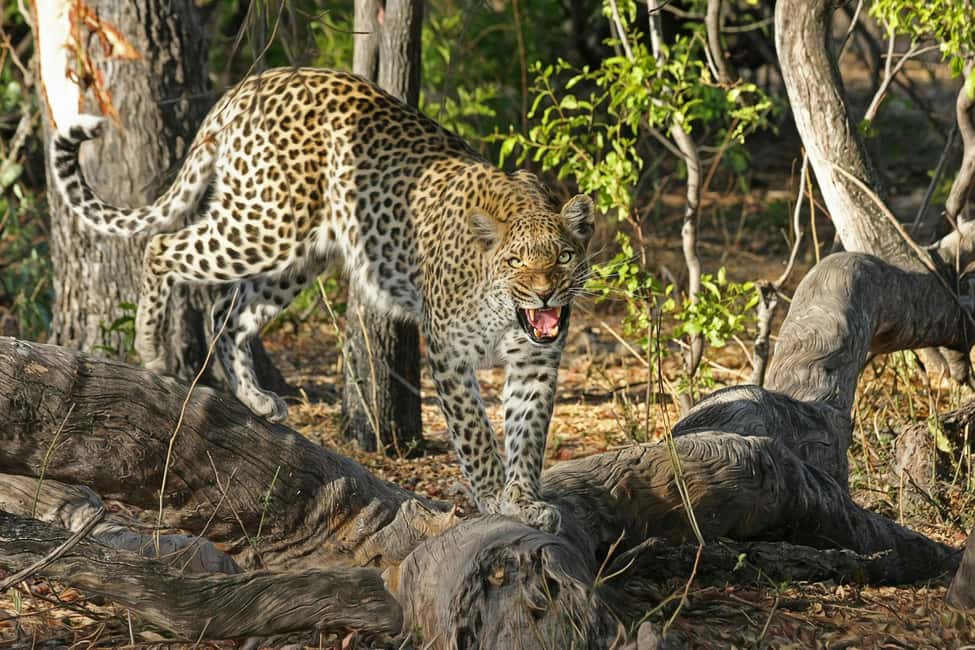
The safari runs about three hours, and it feels like a loop built around tracking time, not a checklist. Here’s what you can expect from the flow once you’re at the Jhalana Leopard Safari Park.
First, you start from the safari park and settle into the briefing and setup period. This is where you get your basics: what you’re allowed to do, how to behave around wildlife, and what the guide is watching for. It’s also where you’ll want to get your camera ready before the action starts.
Next comes wildlife viewing time. This is the moment most people came for. Your guide will work to locate signs of leopards and other species, and your jeep may pause while everyone watches carefully. This is where patient looking pays off, especially because leopards don’t broadcast their position.
Then there’s the off-road adventure segment. This is when you feel the real texture of the reserve. Dry forest corridors, uneven ground, and quick repositioning are part of the process. The idea is simple: you can’t track effectively if you only move at slow, predictable speeds.
Finally, there’s a bit of sightseeing time as the tour wraps. You’ll end back at the starting point within the same safari window. Since the experience is short, your best strategy is to stay flexible. The guide’s job is to follow animal movement, and your job is to be ready for sudden stops and sudden changes in direction.
Wildlife you can realistically hope for (and why birds matter)
The headline is leopard sightings, and the reserve is described as holding a strong population—over 35 leopards in the area. That’s the reason people book.
But the smarter way to think about this safari is: leopard is the star, but birds and other animals keep the day from feeling empty if the leopard is elusive.
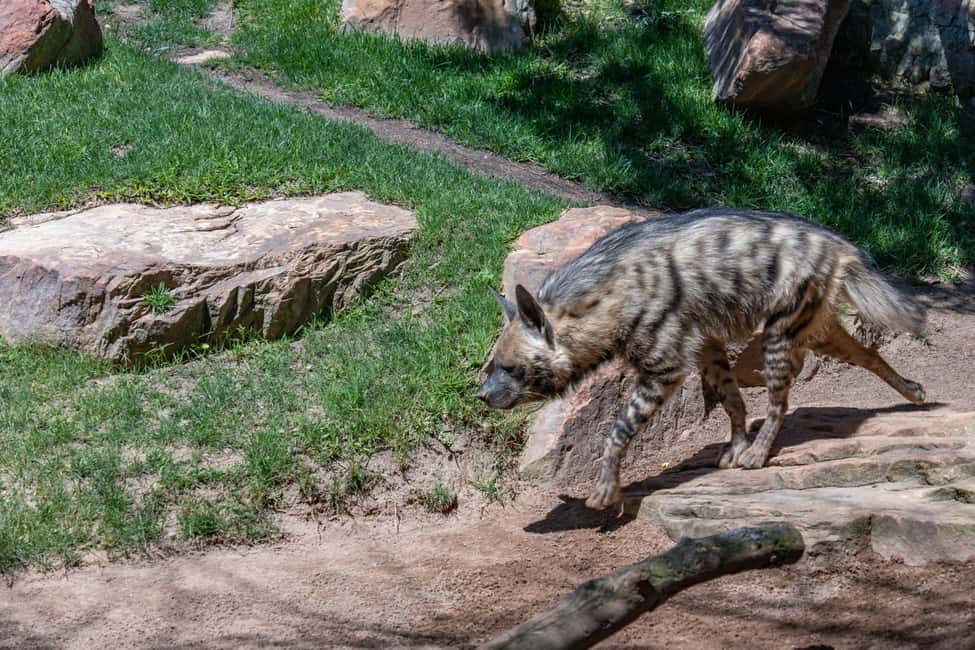
Along with leopards, you may spot striped hyenas and desert foxes. You can also see blue bulls, and you’ll have a chance at multiple bird species—150+ species are associated with the reserve. For me, that’s a practical win. Bird activity can be steady, and birds can help you read the environment too. If the guide points out bird behavior or calls, it often means you’re getting a clue about what’s happening nearby.
You should also expect the quality of sightings to vary. Sometimes you’ll get a clear look; sometimes the leopard might appear briefly. That doesn’t mean the safari wasn’t worth it. It means you did what wildlife safaris require: you showed up, stayed alert, and let the reserve decide how close it wanted to get.
You can also read our reviews of more tours and experiences in Jaipur
Practical stuff that makes the difference on the day
Here’s the plain, useful checklist for a smooth safari:
Bring:
- Camera (and clean lens cloth if you have one)
- Sunscreen
- Water (you’ll want it)
- Insect repellent
- Binoculars (this is genuinely helpful for scanning)
Not allowed:
- Littering
- Feeding animals
- Touching plants
Also plan around the reality of an open jeep. Even when it’s not freezing, you’ll feel wind and sun. If you’re sensitive to dust, consider what you’ll wear on your head and skin. And if you care about photos, keep your camera accessible—don’t stash it for later.
One more practical detail: this safari includes a separate entrance to help you avoid waiting in crowded areas. That’s a small comfort, but on an animal timeline, every minute matters.
Guide languages are broad—English, German, Russian, French, Spanish, Italian, Hebrew, Hindi—so it’s more likely you’ll be able to follow what’s happening rather than just watching silently.
Price and value: is $49 a good deal?
At about $49 per person for a three-hour open 4×4 safari, the value depends on what you want most.
If your goal is leopard chance close to Jaipur, this price is attractive because it combines:
- a professional naturalist guide for tracking,
- an open 4×4 experience that puts you in the action,
- and limited jeeps per slot, which can improve your viewing conditions.
It’s not only paying for movement through a reserve. You’re paying for decision-making: when to pause, when to reposition, and how to track animals based on real signs rather than random searching.
What’s not included matters too. Hotel pickup and drop-off aren’t part of the price, and you’ll pay for food and drinks yourself. So your true cost is the safari plus getting there and handling your own refreshments. If you’re already in central Jaipur and can reach the meeting point easily, that’s when this feels like especially good value.
When this safari is a great fit (and when to skip it)
This is a strong choice if you’re:
- a wildlife lover who enjoys tracking and patience,
- a photographer who wants sunrise or sunset light,
- and someone who prefers a more controlled safari feel with fewer jeeps rather than a busy pack.
It’s also a good fit if you want a big-cat safari experience without losing an entire day to travel. Being around 20 minutes from Jaipur city center makes it easier to plug into your schedule.
Skip it if:
- you’re pregnant,
- you have back problems,
- or you have mobility impairments.
The open jeep and off-road movement are non-negotiable parts of the experience, and the tour data explicitly lists these limits.
Also, come with the right mindset. This is not a guaranteed leopard guarantee. It’s a chance, powered by tracking and the right time of day.
Should you book the Jhalana sunrise or sunset jeep safari?
I’d book this safari if you want the best possible odds in a short time near Jaipur, and if you’re okay with wildlife time being unpredictable. The biggest reasons to say yes are the naturalist tracking, the open 4×4 format, and the quieter rhythm created by limited jeeps per slot.
I wouldn’t book it if you hate surprises in meeting logistics or if you need a rigid timetable. One recent booking experience described confusion around a meeting location and start timing, and in wildlife country, small timing problems can lead to lost sightings. If you book, take meeting point instructions seriously and plan to arrive early enough that you’re not rushing in low light.
If you show up prepared, stay patient, and let the guide do the tracking work, you stand a real chance of seeing one of Rajasthan’s most impressive cats—plus plenty of other wildlife along the way.
FAQ
How long is the Jhalana Leopard Safari jeep safari?
The safari duration is listed as about 3 hours.
Can I choose a sunrise or a sunset safari?
Yes. You can select either a sunrise or a sunset safari.
What animals might I see on this safari?
The safari is described as possible for spotting leopards, striped hyenas, desert foxes, and blue bulls, along with 150+ bird species.
What’s included in the ticket price?
Included are an open 4×4 jeep safari, a local naturalist guide, leopard tracking, wildlife spotting, and an off-roading adventure.
Is hotel pickup and drop-off included?
No. Hotel pickup and drop-off are not included.
What should I bring with me?
Bring a camera, sunscreen, water, insect repellent, and binoculars.
Is there anything I’m not allowed to do?
Yes. You should not litter, feed animals, or touch plants.