REVIEW · JAIPUR
From Jaipur: Private Amber Fort, Jal Mahal and More Car Tour
Book on GetYourGuide →Operated by India Tour Solution - ITS · Bookable on GetYourGuide
Jaipur feels like a puzzle worth solving. This private car tour strings together the big visual hits with a guide who helps it make sense. I love the air-conditioned private car with a driver, and I also love the skip-the-line setup for major stops.
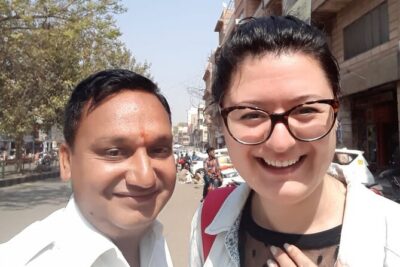
You’ll get a smooth, one-day route across standout places like Amber Fort and Jal Mahal, plus time for lunch and shopping in between. The guides are the difference-maker, with clear explanations reported from guides such as JK and Hitish, and solid driving from drivers like Prakash and Amit.
One consideration: this plan has lots of walking and time outdoors, so it’s listed as not suitable for pregnant women. If you’re sensitive to heat or long museum/courtyard walks, you’ll want to pace yourself and bring water even if it’s provided.
In This Review
- Key Things That Make This Tour Worth Your Time
- Private AC Car and Guide: How the Day Stays Comfortable
- Amber Fort: Red Sandstone, Marble Details, and Efficient Entry
- Jal Mahal: The Floating Palace Photo Stop That Works as a Break
- City Palace and Chandra Mahal: When Royal Rooms Become a Museum
- Lunch in Jaipur: A One-Hour Pause Built into the Route
- Jantar Mantar: Ancient Instruments That Still Feel Modern
- Hawa Mahal: The Latticework Facade with a Quick, Memorable Finish
- Price and Value: What $32 Buys for an 8-Hour Private Loop
- The Human Touch: Guides and Drivers That Make It Feel Smooth
- Who This Tour Fits Best (And Who Might Prefer Something Else)
- Should You Book This Jaipur Private Car Tour?
- FAQ
- What are the pickup options?
- How long is the tour?
- Is this a private tour?
- Do I get a tour guide?
- What languages are offered?
- Is lunch included?
- Are entrance fees included?
- Is there a skip-the-line option?
- What vehicle do I ride in?
- Is it wheelchair accessible, and who should avoid it?
Key Things That Make This Tour Worth Your Time
- Private driver + AC car keeps you comfortable while you hop between Jaipur highlights.
- Skip-the-line access helps you spend less time waiting at busy monuments.
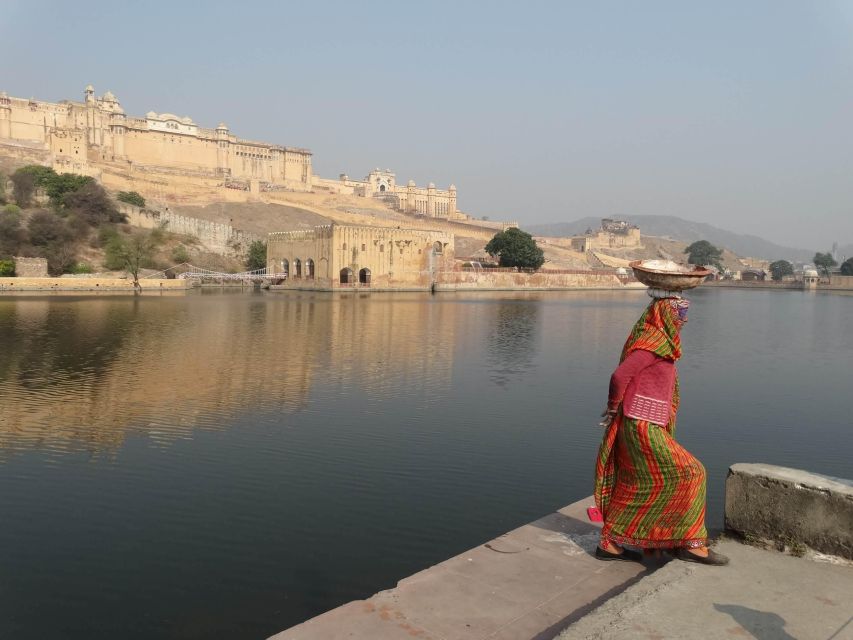
- Amber Fort + Jal Mahal pairs a fortress with a palace-in-the-water view.
- City Palace + Chandra Mahal gives you royal architecture plus museum context.
- Jantar Mantar turns old science into something you can look at directly.
- Hawa Mahal finishes the loop with its iconic lattice façade.
Private AC Car and Guide: How the Day Stays Comfortable
This is built for people who want a Jaipur day that doesn’t feel like a scavenger hunt. You’re picked up from Jaipur (city) or Jaipur International Airport, then transported in a private, air-conditioned vehicle with a driver. The vehicle size is chosen based on how many adults you have: a 4-seater sedan for 1–2 people, a 6-seater SUV for 3–4, and a 10-seater van for 5–10.
That matters more than it sounds. Jaipur is a city where traffic and distance can chew up time. Having one car, one driver, and a guide planning your stops helps you keep momentum. It’s also private group time, so you’re not stuck waiting on strangers to decide where to stand for photos.
The tour guide is part of the package, and multiple languages are available: English, Spanish, German, Russian, Japanese, French, Hindi. In real-world terms, that language coverage is what makes the architecture stops actually click—because you’re not just looking, you’re understanding what you’re seeing and why it matters.
There’s also a practical detail I appreciate: bottled water is provided throughout the tour. You’ll still want to pace yourself in the heat, but it takes some pressure off your planning.
You can also read our reviews of more private tours in Jaipur



Amber Fort: Red Sandstone, Marble Details, and Efficient Entry
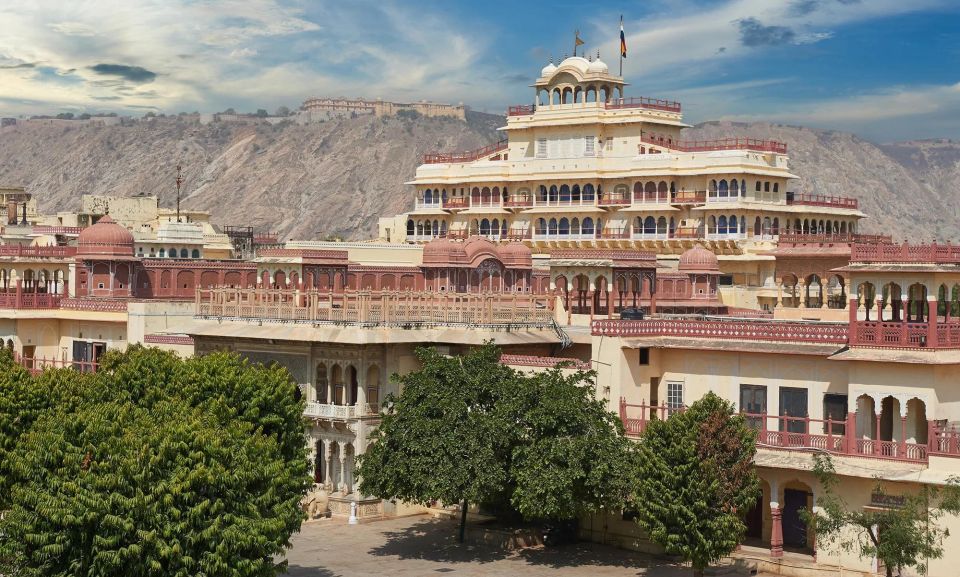
Amber Fort is the first big anchor of the day, and you’re there for about 1.5 hours with a guided visit and sightseeing time. Expect the fortress look you came for—red sandstone and marble elements that give the whole site a serious, regal presence. This is also one of those places where a guide can change the experience from seeing walls to actually noticing the design.
Plan for a lot of moving around once you’re inside. Forts aren’t “sit and stare” attractions. You’ll walk through courtyards and viewpoints where the guide’s explanations help you connect the architecture to the people who built and used it.
One smart advantage here is the separate entrance for skip-the-line access. In Jaipur, where crowds can pile up at popular monuments, that can be the difference between a smooth start and a slow grind. You’ll feel it most if you’re traveling during peak hours.
Tip for your visit: wear comfortable shoes with grip. Even if you keep it relaxed, you’ll still cover more ground than you expect from a “short” fort visit.
Jal Mahal: The Floating Palace Photo Stop That Works as a Break
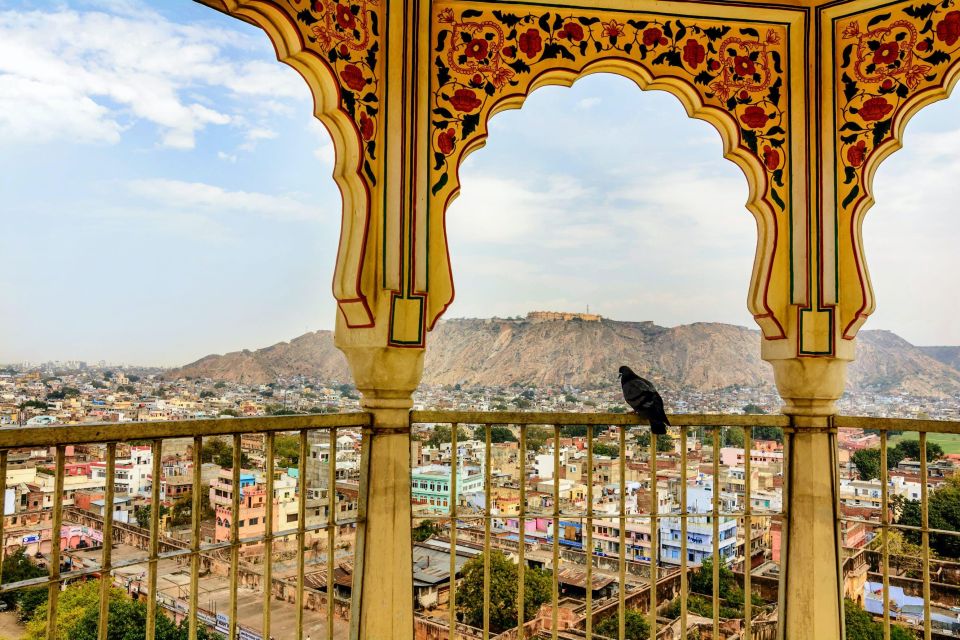
After Amber Fort, the schedule shifts to Jal Mahal—Jal Mahal is the submerged-palace-within-a-lake kind of sight. You get about 30 minutes here, including sightseeing and a walk.
The best way to think about Jal Mahal is as a breathing space. Amber Fort is all momentum and structure; Jal Mahal is quieter and more about the visual contrast. You’ll see a palace-like form that seems to float on the water. It’s one of those views that’s easier to enjoy when you have a little time instead of rushing through it.
This stop is shorter on purpose. That’s good for most people, because it keeps your energy for later attractions. Also, the walking here is lighter than a full-fortress circuit, so it’s a nice reset between bigger sites.
If you’re a photo person, you’ll likely want to position yourself without blocking others and take a few angles. Just don’t lose track of your timing—Jal Mahal is one of those “pause and enjoy” stops, not a full-day experience.
City Palace and Chandra Mahal: When Royal Rooms Become a Museum
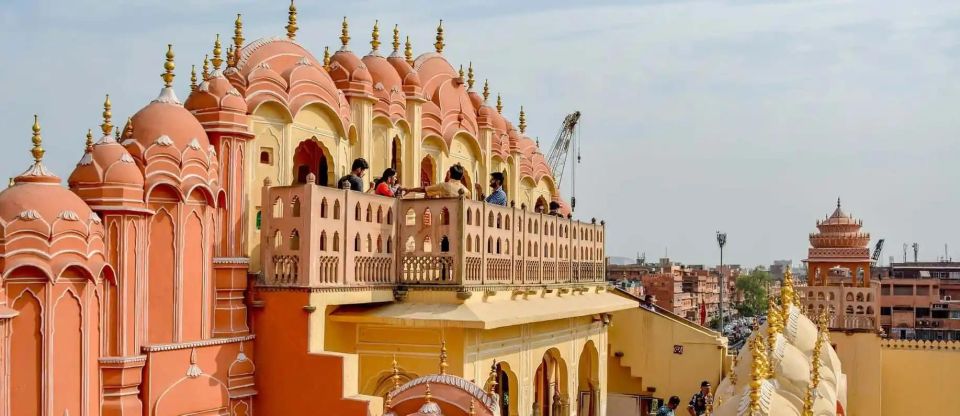
Next up is the City Palace area, with about 1.5 hours for a guided visit and sightseeing. The focus includes Chandra Mahal, described as a grand palace space that now functions as a museum while still being connected to royal residence.
This is where Jaipur turns from visual wow to “how it worked.” Forts and façades look impressive, but royal complexes show you how power, daily life, and ceremony might have been arranged. With a guide, you’re better able to read the palace spaces instead of treating them like background scenery.
I like this stop because it adds context. By the time you reach the City Palace after Amber Fort and Jal Mahal, you already know the style language of Jaipur’s architecture. Now you’re seeing the story from a different angle: court life, status, and the transformation of royal spaces into public heritage.
One practical consideration: museums and palace interiors can involve indoor/outdoor transitions and slower walking. If you’re traveling with anyone who needs regular breaks, this is a good place to slow down and hydrate—especially since your lunch is also built into the day.
Lunch in Jaipur: A One-Hour Pause Built into the Route
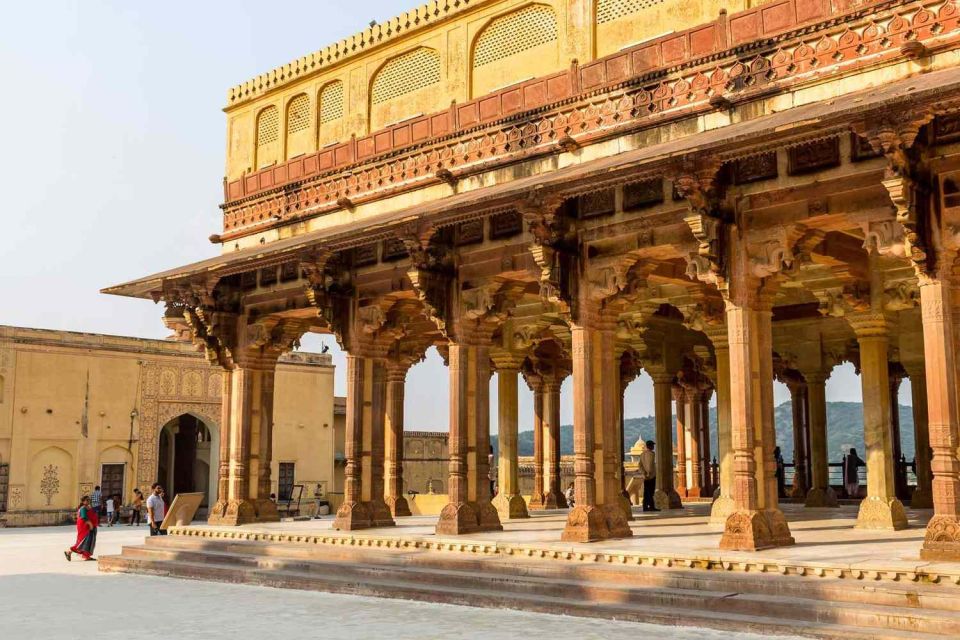
Lunch is scheduled for about 1 hour. The tour includes lunch at a handpicked restaurant, and you’ll eat during that dedicated block of time.
This is one of the best “value” moments in the day. Jaipur can be tricky for food choices if you’re on your own—distance, restaurant quality, and timing can all get messy. Having your guide choose a restaurant and manage the timing helps you avoid getting stuck somewhere inconvenient when you’re supposed to be heading to the next monument.
What to expect: you’ll have a solid break before the final stretch of attractions. The day already covers major sites, so treat lunch as energy time, not just fuel. If you’re sensitive to spice or unfamiliar flavors, it’s still a good idea to tell the restaurant staff your preferences when ordering.
Also, note that lunch is included only if you choose the option with lunch. If you booked without lunch, you’ll want to make sure you still have a meal plan for that hour.
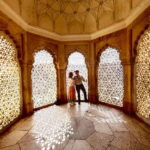




Jantar Mantar: Ancient Instruments That Still Feel Modern

After lunch, you head to Jantar Mantar, with about 30 minutes for a guided visit and sightseeing. This is an architectural-and-astronomical stop—an area of instruments designed for measuring and understanding the sky.
Why it’s worth your time: these aren’t just decorative structures. They’re functional tools from an era before modern telescopes. With a guide, you’ll get the meaning behind the shapes and surfaces so you know what you’re looking at instead of guessing.
It’s also a great final “brain” stop. After forts and palace visuals, Jantar Mantar gives you a different kind of satisfaction: the idea that smart people built measurement into stone.
The short duration works well here. You’re not stuck in a long educational lecture. You get enough guided time to connect the dots, then you can walk around and look more freely.
Hawa Mahal: The Latticework Facade with a Quick, Memorable Finish
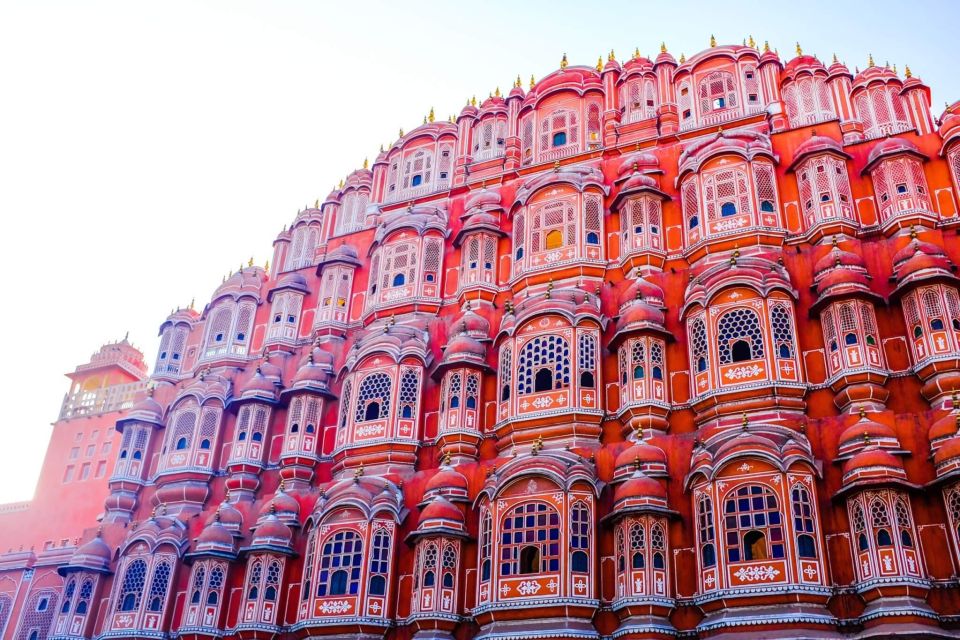
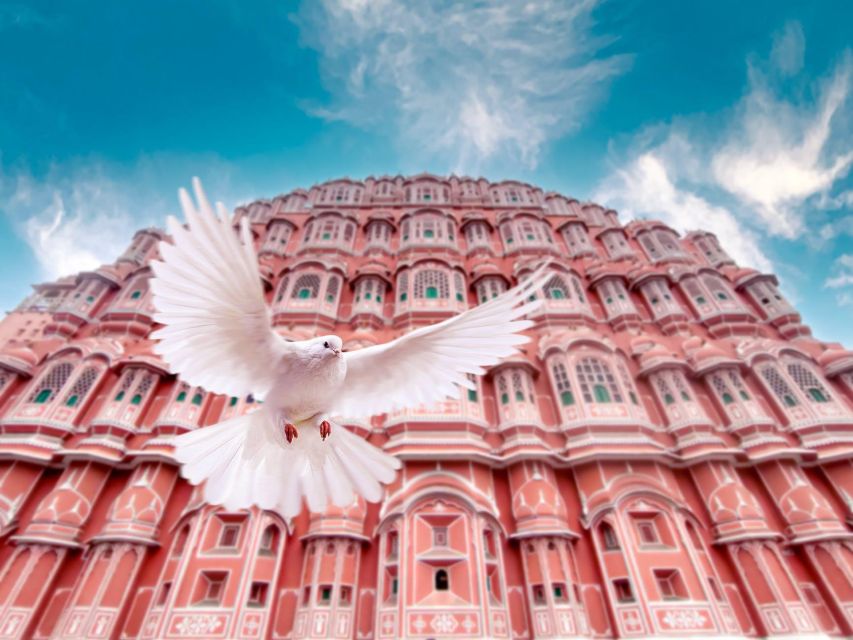
The day ends with Hawa Mahal, where you’ll spend about 30 minutes for a guided visit and sightseeing. Hawa Mahal is famous for its intricate lattice design—rows of windows and a façade that looks almost engineered for light and shadow.
This stop is short on purpose, but it’s still satisfying because it’s so visually specific. You’ll see the structure up close enough to appreciate how detailed it is, and a guide can explain what the design is meant to do. Even if you’ve seen photos before, seeing the scale in person tends to hit differently.
If you’re hoping to photograph, go early in the 30 minutes you have. People like this spot, so you might notice shifting crowds as the day progresses. Taking your key shots sooner helps you enjoy the explanation without rushing at the end.
Price and Value: What $32 Buys for an 8-Hour Private Loop
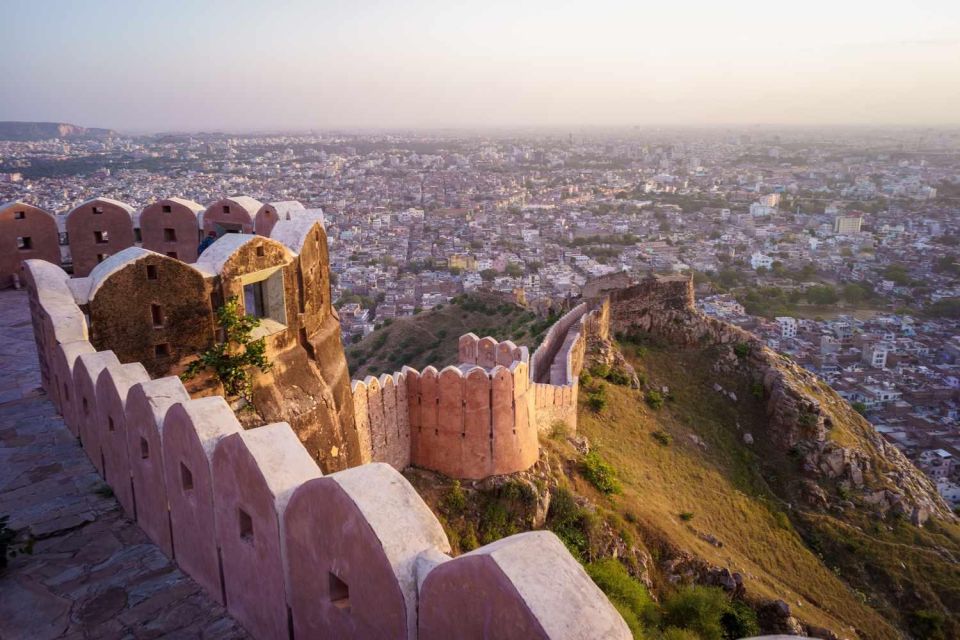
The price listed is about $32 per person for an 8-hour private car tour. On paper, that number can look surprising because you’re not just paying for entry tickets and a guide—you’re also paying for a dedicated AC vehicle and driver for the day.
The value comes from three places:
- Time-saving logistics: private transport means fewer delays and less “getting there” stress.
- Guided context: the big monuments become easier to understand when someone explains them in your language.
- Included basics: bottled water is included, and entrance fees and lunch depend on the option you choose.
One more thing to keep in mind: private tours often scale in cost depending on how many people are sharing the vehicle. If you’re traveling as a pair, you’ll still get the same private feel, just in a smaller car. If you’re traveling with a group, it can feel like you’re getting a lot of attention per person for the time you spend.
Overall, if you want a focused “greatest hits” day without spending your day coordinating taxis and ticket lines, the value here is strong.
The Human Touch: Guides and Drivers That Make It Feel Smooth
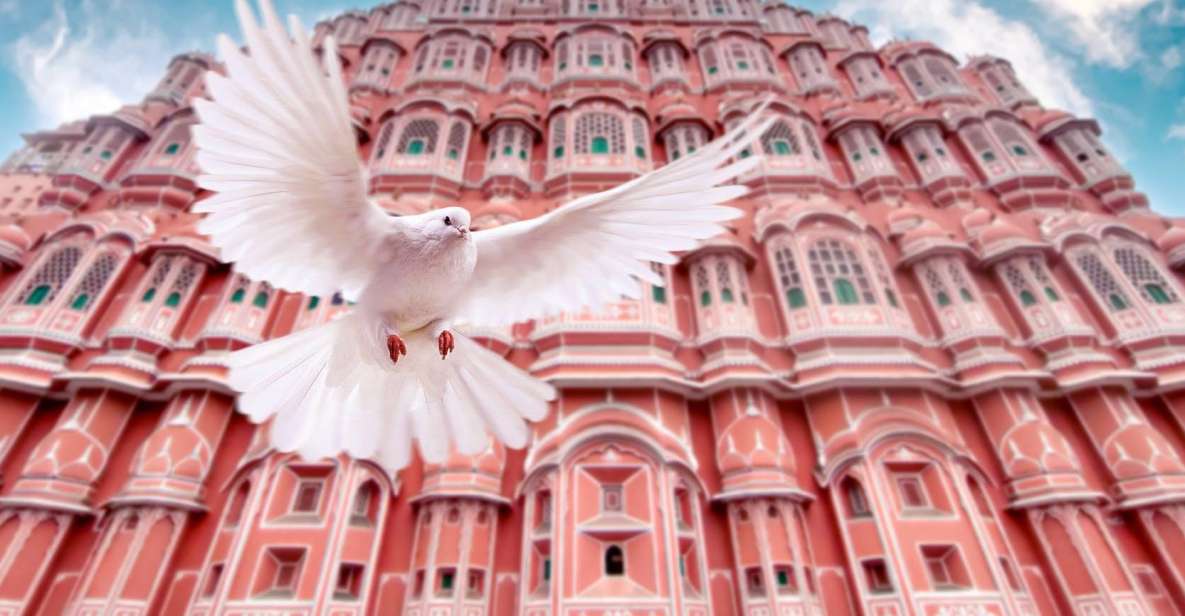
This tour isn’t only about landmarks. It’s also about how the day runs.
In the feedback, guides like JK and Hitish are praised for making explanations clear and enjoyable. Drivers like Prakash and Amit are praised for good driving and helping the day feel easy to move through. That matters because Jaipur requires patience. Having someone who handles traffic and timing smoothly lets you stay present for the sights.
Also, the languages offered matter in a very practical way. If you’re choosing the tour in a language you’re comfortable with, you’ll get more out of every stop—especially at places like Jantar Mantar where the concepts need explanation.
Who This Tour Fits Best (And Who Might Prefer Something Else)
This is a smart match if you:
- Want a private day with an organized route across Jaipur’s top architecture stops.
- Prefer comfort and predictability, like an AC car and a driver handling the movement.
- Like learning while you travel, not just taking photos.
It may be less ideal if you:
- Don’t handle heat and walking well, since the day includes multiple outdoor sites and several stops with walking.
- Are traveling during times you expect intense crowds and you’re very schedule-sensitive; the skip-the-line help reduces friction, but you still won’t control everything in a public destination.
- Fall into the group the operator says it’s not suitable for: pregnant women.
Should You Book This Jaipur Private Car Tour?
If your goal is a straightforward, well-paced Jaipur highlights day, I think this tour is a good bet. The biggest reasons are the private AC transport, the guide-led stops that help you understand what you’re looking at, and the skip-the-line advantage that keeps the day from getting bogged down.
Book it if you want less hassle and more clarity, especially if you’d rather not figure out routing, ticket logistics, and “what should I be looking for here?” on your own.
Skip it or consider alternatives if you want a slower, unstructured day, or if you need frequent long breaks. This route packs a lot into 8 hours, and it works best when you’re comfortable keeping the pace.
If you’re ready for a clean, guided Jaipur loop—Amber Fort to Jal Mahal to City Palace, then Jantar Mantar and Hawa Mahal—this one is built for exactly that.
FAQ
What are the pickup options?
Pickup is available from Jaipur and from Jaipur International Airport.
How long is the tour?
The duration is 8 hours.
Is this a private tour?
Yes, it’s a private group tour.
Do I get a tour guide?
Yes. A live tour guide is included, and multiple languages are available.
What languages are offered?
English, Spanish, German, Russian, Japanese, French, and Hindi.
Is lunch included?
Lunch is included if you choose the tour option with lunch. The lunch stop is scheduled for about 1 hour.
Are entrance fees included?
Entrance fees are included if you choose the option that includes monument entrance fees.
Is there a skip-the-line option?
Yes. You get skip-the-line access through a separate entrance.
What vehicle do I ride in?
It depends on group size: 4-seater AC sedan for 1–2 adults, 6-seater AC SUV for 3–4 adults, and a 10-seater AC van for 5–10 people.
Is it wheelchair accessible, and who should avoid it?
The tour is listed as wheelchair accessible, but it’s also listed as not suitable for pregnant women.