REVIEW · JAIPUR
“Jaipur Cultural Walk: Explore life behind the pink walls”
Book on Viator →Operated by Jaipur Cultural Walk · Bookable on Viator
Pink walls are only the start.
This walk is about life behind Jaipur’s Old City walls—the workshops, alleyways, and food stops you usually miss when you stick to big sights. I especially love the small-group feel and the way the route is paced for real conversations, not a rushed checklist. There’s also a thoughtful break for hot chai and snacks, plus you’ll walk through areas where locals actually shop and work. One thing to consider: it’s a walking tour, so comfy shoes and moderate stamina matter.
What I liked most is how the guide (Kumar) steers you into the city’s everyday rhythms—back lanes, craft corners, and architecture like the havelis you spot when you’re not on a tourist bus. I also like the practical food approach: you get included snacks/tea and a chance to taste sweets made from milk, without having to guess what’s safe or where to go first.
The main drawback is simple: you don’t get hotel pickup, so you’ll need to make your own way to the start point and manage your timing around a true street walk. If you’re not comfortable with crowd sidewalks and short stretches at market pace, this may feel a bit tight.
In This Review
- Key highlights that make this walk worth your time
- Pink walls to back alleys: why this walk works
- Price and what you actually get for $30
- Starting point near Tripolia Gate: getting oriented fast
- Tripolia Bazar: artisan work you can actually watch
- Chhoti Chaupar: Masala-Chai, incense lanes, and candle clutter
- Badi Chaupar: sweet-making from milk to bite-sized proof
- Walking style: why the small-group pacing feels more human
- Tips to get the most out of the route
- Who should book this cultural walk
- Should you book the Jaipur Cultural Walk?
- FAQ
- How long is the Jaipur Cultural Walk?
- How much does the tour cost?
- How big is the group?
- What’s included in the price?
- Is hotel pick-up and drop-off included?
- What happens if weather is poor or plans change?
Key highlights that make this walk worth your time
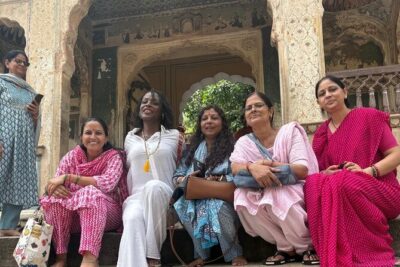
- Max 8 travelers means you’re not lost in a herd, and it’s easier to ask questions
- Kumar’s route leans into quieter lanes, temples/traditions talk, and architecture details
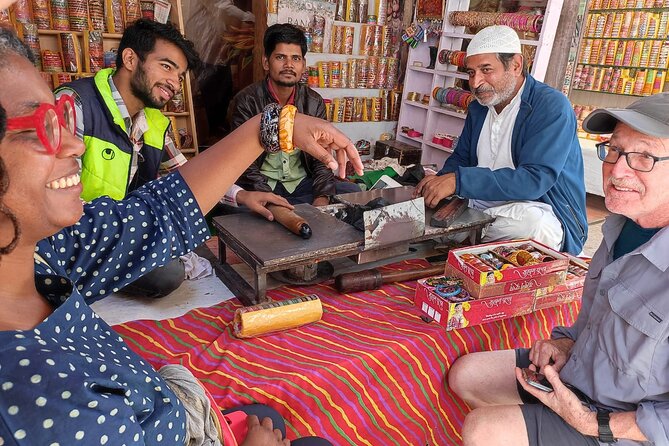
- Tripolia Bazar artisan stop includes lacquer bangles and metal vessel work, with photo time
- Chhoti Chaupar break pairs Masala-Chai with incense, candles, and decorative string wall goods
- Badi Chaupar food stop includes a sweet-making factory taste built around milk products
- Tea/snacks + bottled water included, so you’re fueled for 3 hours on your feet
Pink walls to back alleys: why this walk works

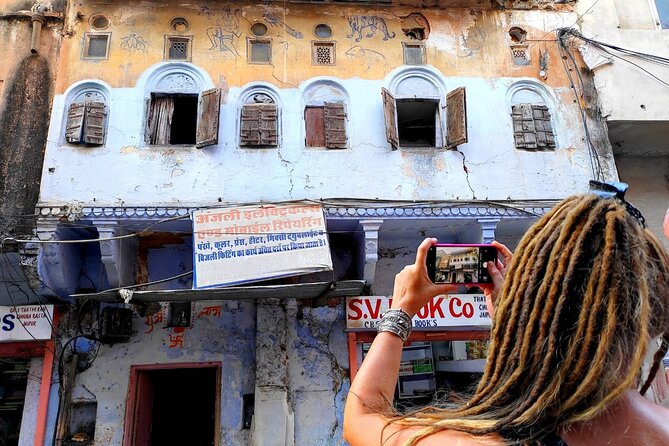
Jaipur gets described as pink for a reason, but the color is only the headline. The real story is what happens in the spaces between landmarks: the workshops, the small lanes that cut through the Old City, and the daily routines of people who have been doing the same trades for generations.
This tour is built around walking with a small group, which changes how you experience the city. On foot, you can actually notice the textures—paint, carved stone, metalwork, and the way shop fronts spill into the street. You also hear your guide clearly without constant shouting over a vehicle.
If you’re the type who likes asking why something looks the way it does, this format is a win. Kumar’s explanations (including Hindu traditions and the meaning behind what you see) are part of the value. You’re not just looking; you’re learning the local logic behind the scenes.
And yes, you get food that fits the route. Instead of planning meals mid-walk, the tour builds in snacks, hot chai, and sweet tastings so you can keep moving.
You can also read our reviews of more walking tours in Jaipur



Price and what you actually get for $30
At $30 per person for about 3 hours, this isn’t a bargain tour that skimps on basics. The included items—coffee and/or tea, snacks, and bottled water—matter more than you might expect. In hot weather, having water handled means you don’t blow your budget buying bottled drinks every other block.
The bigger value is the format: a guided, small-group walking tour that’s specifically designed for the Old City’s foot-friendly maze. If you’ve ever tried to DIY Old City bazaars, you know the problem—one wrong turn turns into a long detour. Having a guide keep you on route saves time and stress.
One practical catch: there’s no hotel pickup or drop-off. That means your cost is more about the guide and included refreshments than about transportation. If you’re already in central Jaipur or staying near the Old City lanes, it’s easy to work with. If you’re staying farther out, plan a simple way to get to the meeting point and back.
Starting point near Tripolia Gate: getting oriented fast
The walk starts at the Government Maharaja Public Library, near Tripolia Gate. That’s a helpful location because it puts you right where the Old City begins to feel dense and local. It’s also close to public transportation, so you’re not forced into a taxi from every direction.
This matters because a walking tour can feel stressful if you’re arriving late. The best strategy is to show up early enough to check the landmark, then settle in before the group starts moving. Once you’re on the lanes, you won’t want to be stopping to figure out where you are.
You’ll finish at the City Palace Parking area, near Gangori Bazaar and J.D.A. Market. That end point is useful because it gives you easy options for continuing your day—food, shopping, or a quick ride back without needing to backtrack through the same maze.
Tripolia Bazar: artisan work you can actually watch
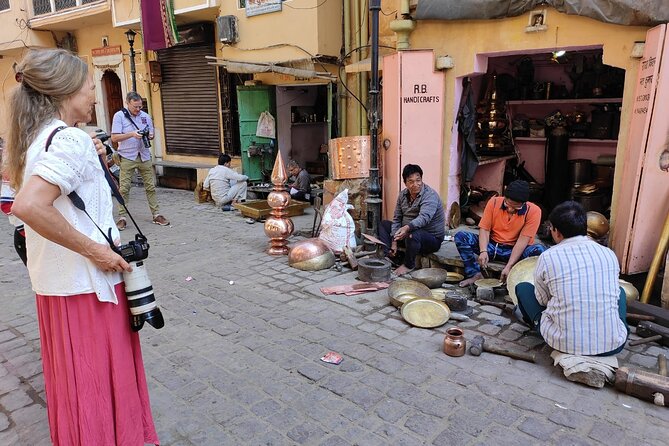
The first stop is Tripolia Bazar, where you spend about an hour around the downtown craft areas. Photography is allowed, which is great because this is one of the best segments for visual learning. You’ll see artisans making items like lacquer bangles and metal vessels, and the work is hands-on and slow enough that you can watch rather than just pass by.
What I like about this stop is that it explains a side of Jaipur that doesn’t fit neatly into photos. Craft work here is not just decoration—it’s a system of materials, tools, and daily repetition. Watching artisans at work gives you a sense of why these objects cost what they cost and why the finished products look the way they do.
A minor consideration: bazaars can be busy. Even with a small group, you may feel a bit compressed at times. If you prefer wide streets and quiet viewpoints, this isn’t that kind of walk. It’s street-level, close to the action.
Still, it’s exactly why the tour earns its Cultural Walk label. You’re not just looking at a shop window; you’re watching the process.
Chhoti Chaupar: Masala-Chai, incense lanes, and candle clutter
Next you head to Chhoti Chaupar for about an hour, and this is where the walk becomes feel-good. There’s a short tea break with Masala-Chai plus freshly cooked hot snacks. That break is practical: it keeps energy up so you enjoy the next part instead of thinking about food the whole time.
After the tea, the route turns into narrow alleyways and small lanes where you’ll spot incense and candles, plus wall decorative strings. This is the kind of shopping environment where things look symbolic, and the guide helps connect the dots. You get to see how everyday devotional items are displayed and how people prepare for ceremonies and home worship.
This stop is a strong match if you like cultural context. It’s also a good time for photos, but keep it respectful. Many of these spaces are active, so watch what’s going on around you before you raise your camera.
The main drawback here is timing. Because you’re walking in tight lanes, the pace can feel slightly quicker than a relaxed city stroll. If you’re prone to getting tired in crowded spaces, plan to pace yourself and take a slower step in front of the guide.






Badi Chaupar: sweet-making from milk to bite-sized proof
The final hour centers on Badi Chaupar. You’ll start with a small factory visit where confectioners make curd, cheese, and sweets from milk. Then you get guided through the spice bazaar and nearby flower areas (you’ll see the colors and smells in motion rather than as a static display).
The best part here is the freshly cooked sweets taste. It turns the whole tour from sightseeing into something you can evaluate with your senses. Instead of wondering what you’re looking at, you get to experience it.
This stop also helps you understand why Jaipur bazaars are not random. Spices, milk products, sweets, and fragrance goods connect to daily life—food rituals, celebrations, and everyday tastes. Your guide’s explanations (including traditions and the meaning behind items you see) give you a clearer picture of what each area is for.
A quick heads-up: since this is a factory and food-based segment, expect smells and busy activity. If you have strong sensitivities to food odors or spice aromas, you might want to pause when needed. The good news is the tour includes snacks and water, so it’s easier to handle your comfort level.
Walking style: why the small-group pacing feels more human
A lot of tours claim they are small group. This one actually uses the walking format to make “small” matter. With a maximum of 8 travelers, you’re less likely to lose the guide in the crowd, and conversations are easier. You can ask a question and get an answer without the group falling behind.
Because the walk is designed for mobile travelers, it doesn’t depend on long car rides or complicated transfers. It’s also a benefit for hearing the city. Jaipur’s Old City has a lot of sound—vendors calling, shop activity, footsteps. On foot, you experience it directly, and your guide can tie what you hear to what you see.
I also like that refreshments are included. Market walks tempt you into buying drinks repeatedly, especially if you’re unsure what’s safe. Here, bottled water and tea/snacks are part of the planned route, which reduces friction.
Tips to get the most out of the route
A tour like this goes best when you treat it as a city walk first, shopping second, photos third.
Here’s what I’d do to get the most out of it:
- Wear comfortable walking shoes. Old City surfaces can be uneven and busy.
- Keep your phone charged. Tripolia Bazar has photo-friendly craft moments.
- Bring a little patience. Narrow lanes and market crowds are part of the experience.
- Be ready for smells in the incense and spice segments. If you’re sensitive, keep water handy.
- Pace yourself during the tea break and after. The tour is short, but it’s steady.
If you’re traveling solo, this format can feel especially welcoming. You’re in a small circle, not alone in a maze.
Who should book this cultural walk
This is a strong fit if you want:
- A short guided walk through Jaipur’s Old City in about 3 hours
- Real artisan and food experiences, not just big-photo monuments
- A guide who connects sights with culture and Hindu traditions (Kumar does this well)
It’s also a great option if you enjoy street food and want to sample in a structured way. You get included snacks and tea, plus a sweet tasting built around milk products and fresh preparation.
You might want to choose something else if:
- You dislike crowds and tight alleys
- You need hotel pickup because getting to the start point is hard for your schedule
- You prefer a slower, mostly open-air walking style
Should you book the Jaipur Cultural Walk?
I think it’s an easy yes for the right traveler. If you want Jaipur beyond the postcard stops and you like learning through crafts, incense lanes, sweets, and bazaars, this walk delivers a lot in a short time. The small-group limit and guide-led explanations add real value, and the included tea/snacks/water make it practical, not just fun.
If you’re on a tight mobility plan or you hate walking in busy streets, then the lack of pickup and the street pace may annoy you. But for most people who enjoy authentic city life, it’s one of the smarter ways to spend a half-day in Jaipur—because you leave with a clearer sense of how people actually live behind the famous walls.
FAQ
How long is the Jaipur Cultural Walk?
It runs for approximately 3 hours.
How much does the tour cost?
The price is $30.00 per person.
How big is the group?
This experience has a maximum of 8 travelers.
What’s included in the price?
Coffee and/or tea, snacks, and bottled water are included.
Is hotel pick-up and drop-off included?
No. Hotel pick-up and drop-off are excluded, so you’ll need to get yourself to the meeting point.
What happens if weather is poor or plans change?
The tour requires good weather. If it’s canceled due to poor weather, you’ll be offered a different date or a full refund. There is also free cancellation up to 24 hours in advance for a full refund; cancellations within 24 hours are not refunded.