REVIEW · JAIPUR
Jaipur Home Cooking Experience with Authentic Lunch/Dinner
Book on GetYourGuide →Operated by Jaipur tour taxi cab · Bookable on GetYourGuide
The best part of Jaipur isn’t just the monuments. It’s dinner you make with locals. I like how this experience happens inside a home kitchen with warm, everyday hospitality, and I also like that you get real practice rolling round chapatis and cooking a vegetable curry yourself. You’ll also be served an Indian drink first, then sit down to a traditional lunch or dinner with the family.
One thing to keep in mind: while the setup is hands-on, the balance can feel more like a local meal experience than a step-by-step cooking class for every dish, depending on how the session flows.
In This Review
- Key Things That Make This Worth Your Time
- Warm drink, kitchen welcome, and an Indian food overview
- Demonstration first, then you take the lead
- Dessert on the table before you leave
- FAQ
- How long is the Jaipur home cooking experience?
- What is the price per person?
- Does the experience include pickup and drop-off?
- Is the group private?
- What language is the host using?
- Do I cook, or do I mostly watch?
- Does the meal include vegetarian and non-vegetarian options?
- Is henna art included?
- What’s included in the price?
- What’s not included?
- Is free cancellation available?
Key Things That Make This Worth Your Time
- Family welcome in a lived-in home: you’re treated like a temporary part of the household, not a spectator.
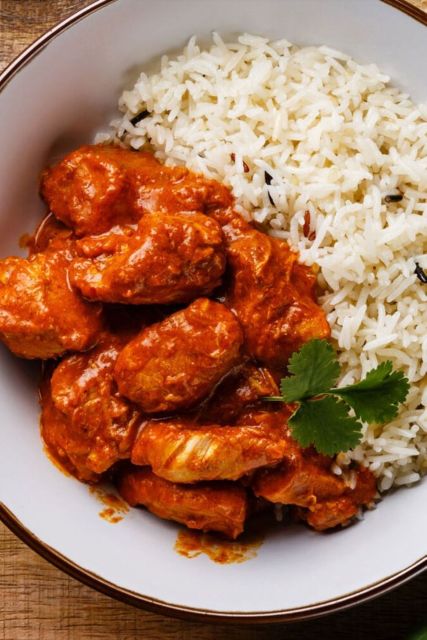
- North India cooking focus: chapati/paratha breads plus curries such as aloo gobhi, dal, pumpkin curry, baingan bharta, and more.
- Hands-on bread + curry: you’ll get to make chapatis and one vegetable curry, not just watch.
- Food stories and ingredient talk: you learn what goes in and why, including how ingredients are used and sourced.
- Optional mehndi with cultural context: henna art plus a simple explanation of its role in Indian celebrations.
If your Jaipur plan is all forts and temples, this is the kind of stop that gives you something you can taste and repeat. This home cooking experience is built around one simple idea: food isn’t only recipes here. It’s routines, stories, and family knowledge passed through daily cooking.
You’re picked up in an air-conditioned private car with a chauffeur, then brought to a home where the host guides the session in English. The group is private, so you’re not squeezed into a crowd. After a warm welcome, you’ll start with a drink like chai or lassi (or another Indian beverage option). Then you’ll move from learning to cooking, and finally to eating a traditional lunch or dinner.
The session is designed to feel relaxed. Even the structure helps: you’ll get an overview of Indian cuisine, but the real focus stays on North India cooking, which is where Jaipur fits naturally. That matters because you won’t leave with random facts. You’ll leave with a clearer sense of how breads and curries work together on a typical plate.
The curriculum centers on North Indian flavors and comfort-food techniques. You’ll be introduced to breads and curries that show up again and again in everyday meals across the region.
Here’s what you can expect to learn and cook around:
- Chapati and paratha (Indian breads)
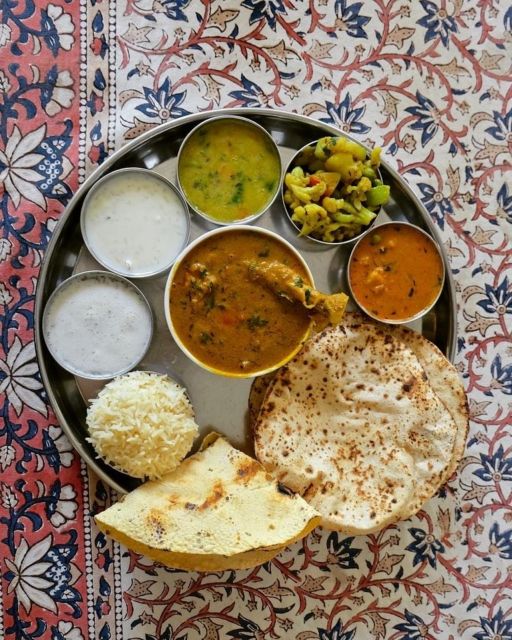
- Vegetable curries such as garlic bhindi, aloo gobhi, dal, pumpkin curry, carrot curry, tinda curry, egg plant masala, baigan bharta, and gutta curry
- Paneer masala (a common North Indian favorite)
- A mix of veg and non-veg options, if that’s how your meal is handled during the session
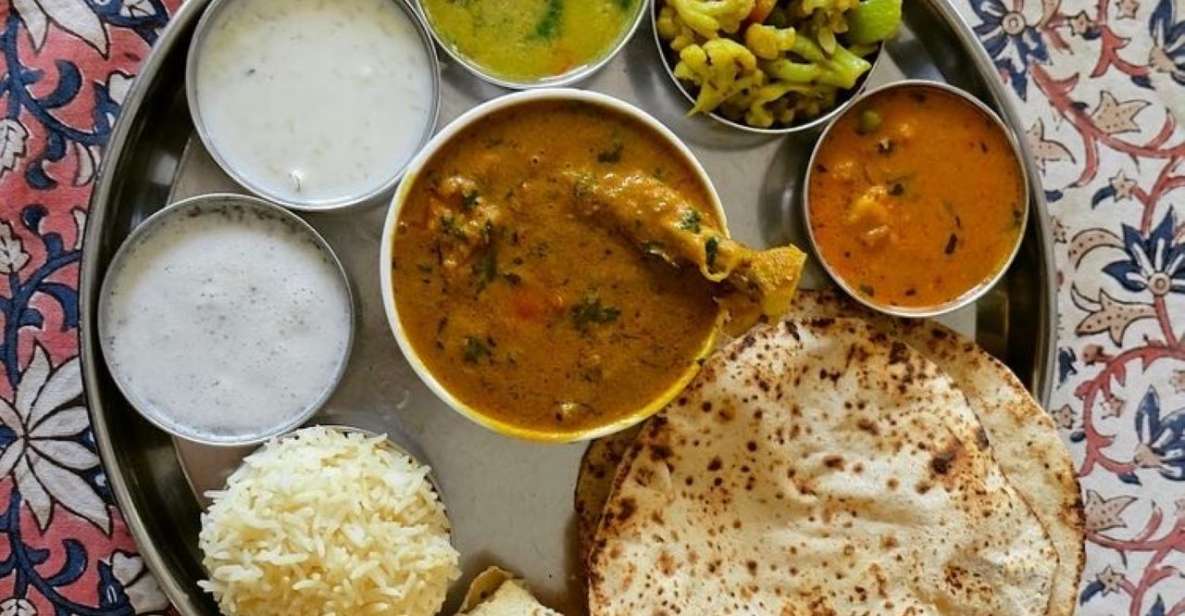
Why this is a smart focus: these are “systems,” not just single dishes. Chapatis (or parathas) aren’t separate from curry—they’re meant to scoop, balance spice, and make the meal feel complete. When you practice making the bread and one curry, you get a full slice of the technique, not just a one-dish souvenir.
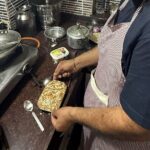
If you like the idea of learning by doing, the structure helps. The session starts with a demonstration, then shifts to you working hands-on—rolling chapatis and cooking a vegetable curry. That’s the sweet spot: enough guided teaching so it makes sense, enough participation so you remember how it feels.
Plenty of cooking tours feed you. Fewer are designed to help you understand how the food behaves—how dough looks before rolling, how a curry thickens, and how spices change the aroma once they hit hot oil.
This experience is built around that kind of learning. You’ll be introduced to the kitchen, and the host covers the main parts of Indian cuisine before zooming into the North India dishes that match the meal. You’ll also hear stories alongside the cooking—about culinary traditions and why certain ingredients show up repeatedly.
From what the experience emphasizes, you’re not just given instructions. You’re given context:
- what ingredients are doing in a dish
- how vegetables are handled and seasoned
- how the family approaches everyday cooking
Even better, the meal isn’t theoretical. You eat what you prepared—so you can compare your work to the final plate.
The timing here is important: 3 to 5 hours is long enough for a true rhythm, not a rushed “30-minute show.” It usually lands somewhere between afternoon and early evening depending on the household schedule, and that’s a good thing in Jaipur, where mornings can be busy and late afternoons get calmer.
Here’s the flow you can expect:
Warm drink, kitchen welcome, and an Indian food overview
You’ll be welcomed at the home. Before you start cooking, you’ll get a traditional drink—commonly chai, lassi, lemon soda, or juice. This isn’t a random add-on. In an Indian home, the drink is part of the hospitality ritual. It also helps you slow down and settle before the cooking begins.
Then you’ll get a short introduction to Indian cuisines, with extra attention on North India cooking patterns.
You can also read our reviews of more cooking classes in Jaipur

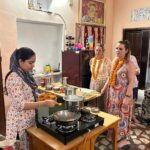
Demonstration first, then you take the lead
The class begins with a demonstration. This is where you’ll see how the bread is made and how a vegetable curry is built and seasoned. Expect techniques tied to everyday cooking, not restaurant shortcuts.
After that, you do the key hands-on parts:
- you’ll make round chapatis
- you’ll cook a vegetable curry
This is where the experience tends to score high for people: you get to be active, not just in the room.
Dessert on the table before you leave
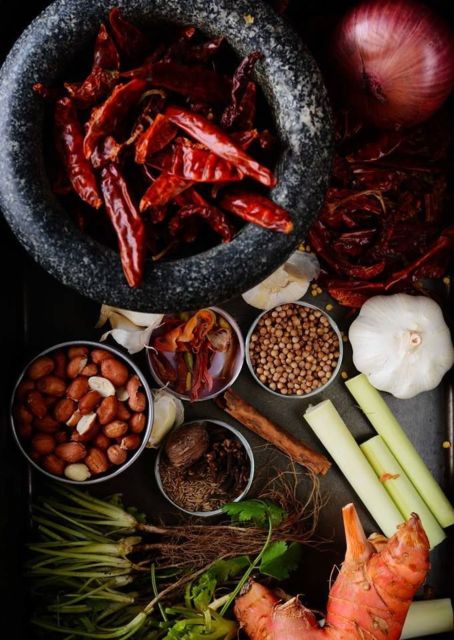
An Indian dessert is prepared beforehand, so you don’t spend your time making sweets unless the host chooses to include more. You’ll still get that finishing touch that makes the meal feel complete and properly celebratory.
After the cooking portion, you have the option to add Rajasthani henna art (mehndi). If you choose it, a local artisan helps create intricate henna designs on your hands using natural henna, and the session includes cultural context.
This part is worth doing if:
- you want one more authentic Jaipur touch beyond food
- you like seeing how traditions show up in daily life, not only in staged performances
The experience also explains the significance of mehndi in Indian celebrations. That extra layer helps the design feel connected to something bigger than a pretty pattern.
This tour isn’t just about cooking. It’s also about making Jaipur easier to navigate. You get hotel/airport/railway station pickup and drop-off, using an AC private vehicle with a chauffeur.
That’s a practical win. Cooking classes in homes can mean waiting for instructions, going at a specific time, and keeping things comfortable—especially if you’ve been walking around in heat. Bottled water is included, and the host helps coordinate everything in a way that keeps you from having to figure out the logistics on your own.
The private format also helps with comfort. You’re not negotiating space with a large group while trying to chop vegetables or roll dough.
At $13 per person, the value is strong if you care about three things: food, people, and included transport.
Here’s what you’re effectively getting in the price:
- a home-cooking meal experience (with hands-on participation)
- a host who assists and supports the session
- English guidance
- pickup and drop-off by AC vehicle and chauffeur
- bottled water
- taxes, including GST
In other words, you’re paying for both the culinary experience and the convenience of getting there smoothly. In Jaipur, that’s not a small part of the cost. The AC transport alone can often eat up a big chunk of a short activity budget.
So yes: the price looks like a deal—especially if you treat this as a major meal stop, not just a “class.”
This experience is a great fit if you want:
- an authentic meal in a real family home
- a practical introduction to North Indian cooking
- a session where you talk, connect, and learn, not only watch
- a friendly, low-pressure way to spend half a day in Jaipur
It’s also ideal for people who like interaction. Several parts of the experience emphasize conversation, ingredient talk, and comfort in someone’s home.
One careful note: the hands-on level may not feel equally intense for everyone. If you’re expecting a highly structured, constant “you do every step” cooking lab, you might find the session leans more toward watching and participating in key moments (like chapati and one curry). The food is still the main event, and the family setting is the point.
If that matters to you, you should ask directly how much time you’ll spend actively cooking beyond chapatis and the curry during your booking conversation. Clear expectations help you enjoy the experience more.
A few smart moves will make this smoother:
- Come ready to get hands-on. Chapati rolling takes a minute to learn.
- Expect spice and taste variation. Indian food isn’t “one heat level for everyone.”
- If you have diet preferences, confirm how veg vs non-veg is handled for your meal plan.
- If you choose henna, plan for temporary staining and give yourself time to enjoy it afterward.
Also, remember: this is a home, not a studio. Keep your movements respectful, follow the host’s guidance, and you’ll feel more like a guest than a customer.
Book it if you want a Jaipur experience you can’t get from a restaurant review. A family meal in a real home gives you more than recipes. You get daily cooking logic—how bread and curry fit together, how ingredients are used, and how hospitality works in practice.
Skip it only if your main goal is a very high-intensity, step-by-step cooking workshop where you cook every dish from start to finish. In that case, ask for clarity about the hands-on portions before you commit.
If you’re excited by the idea of learning chapati technique, building confidence with North Indian curries, and adding optional mehndi, then this is a strong “yes” for your itinerary.
FAQ
How long is the Jaipur home cooking experience?
It lasts 3 to 5 hours, depending on the starting time and session schedule.
You can also read our reviews of more tours and experiences in Jaipur






What is the price per person?
The price is $13 per person.
Does the experience include pickup and drop-off?
Yes. Pick-up and drop-off are included by AC car from your hotel, airport, or railway station.
Is the group private?
Yes. The activity is for a private group.
What language is the host using?
The host/greeeter speaks English.
Do I cook, or do I mostly watch?
You’ll get a mix. There’s a demonstration first, and then you’ll have a chance to make round chapatis and cook one vegetable curry yourself.
Does the meal include vegetarian and non-vegetarian options?
Yes. You can enjoy dishes in both veg and non-veg, depending on what’s prepared for the session.
Is henna art included?
Henna art is optional. If you choose it, you can enjoy traditional mehndi with a local touch and learn about its cultural significance.
What’s included in the price?
Included: pickup/drop-off, a private AC vehicle with chauffeur, fuel/parking/tolls/taxes, a professional host, bottled water, and all government taxes including GST.
What’s not included?
Accommodation/hotels are not included.
Is free cancellation available?
Yes. You can cancel up to 24 hours in advance for a full refund.