REVIEW · JAIPUR
Jaipur Elephant Experience: Bond, Connect, and Learn
Book on GetYourGuide →Operated by Elejungle · Bookable on GetYourGuide
Elephants, close and calm, set the tone in Jaipur. At Elejungle near Amer, you spend about four hours with Asian elephants, learn their routines, and get hands-on with feeding and guided walks; I love how the day feels care-focused rather than showy. I also like that you’re given a clear English briefing about elephant life and culture (including why feeding matters in Indian beliefs). One thing to plan for: pick-up timing can affect your start, so it’s smart to confirm details ahead of time.
A big highlight for me is the personal attention—on past days, guides like Rohit have shared real context about the sanctuary and the elephants’ behavior, and you may even meet standout elephants such as Rupa, mentioned as an especially charming elder in the group. The experience tends to be best when you show up ready to be outdoors and patient during transitions, since this is a full animal-centered program, not a quick photo stop.
In This Review
- Key moments you’ll remember from Elejungle
- Elejungle near Amer: why this feels different from a typical elephant show
- Getting picked up in Amer and starting with a proper briefing
- Feeding Asian elephants: bananas, sugarcane, and sorghum grass
- Pedicure time: caring for feet like the elephants do
- Elephant shower with hose: cool water and a safer kind of fun
- The guided walk: build comfort step by step
- Shelter visit and mahout-family insight: the human side of care
- Lunch around the elephants: a real break, not a rushed add-on
- Elefriend keepsake: what you’ll take home
- Who this Jaipur elephant experience suits best
- Price and value for a four-hour private elephant day
- What to bring (and what to skip) so the day stays smooth
- My honest take: the best way to enjoy Elejungle
- Should you book Elejungle for your Jaipur elephant day?
- FAQ
- How long is the Elejungle Jaipur elephant experience?
- What activities are included with the elephants?
- Is the experience private and in English?
- Where does pick-up happen?
- What should I bring?
- Is there anything I’m not allowed to do during the tour?
Key moments you’ll remember from Elejungle
- Close-up feeding with bananas, sugarcane, and sorghum grass, tied to Indian cultural symbolism
- Elephant life briefing so you’re not just watching—you’re learning how they live
- Pedicure + shower time (with safety guidance) that shows how elephants relax and care
- Guided walk with the elephants that builds comfort step by step
- Shelter visit and mahout-family insight that adds real context to daily care
- Elefriend photo moment designed to turn your day into a keepsake
Elejungle near Amer: why this feels different from a typical elephant show
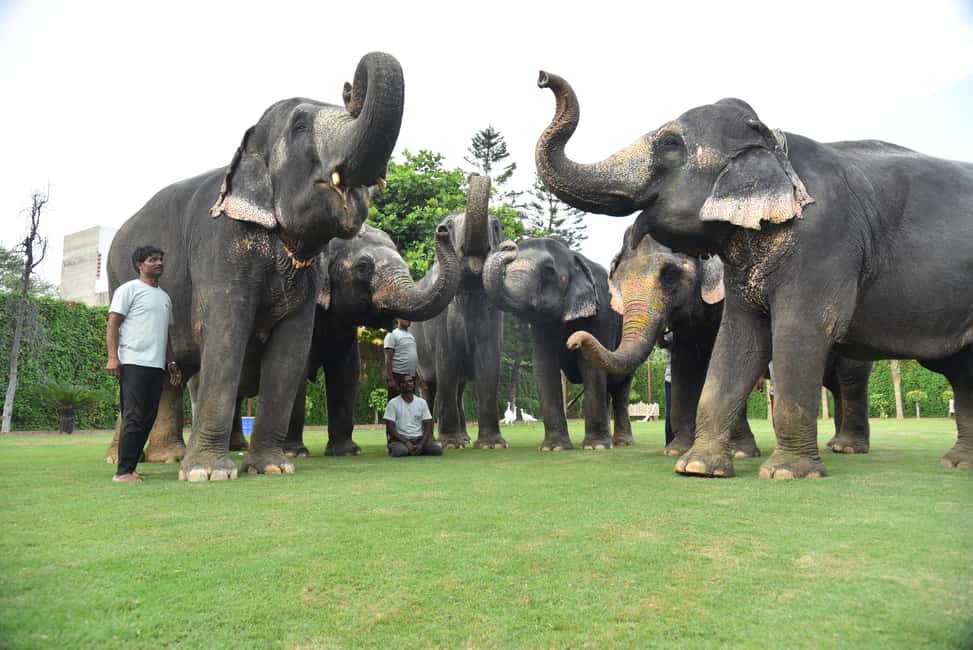
If you’re choosing an elephant experience in Jaipur, you’re really choosing the tone of the day. Elejungle is built around a calm, interaction-heavy format: feeding, supervised care activities, and time with the shelter staff rather than stage performances and crowds funneling you in and out.
What I like most is that you’re meeting elephants as living animals with routines. The program includes structured activities like feeding, a guided walk, and a shower session, plus a shelter visit where you learn how elephants are cared for and how mahouts (elephant trainers) fit into daily life. That context matters because it changes how you see the animals—less like entertainment, more like guardians you’re learning to respect.
Also, the setting is designed for humane closeness. Reviews describe elephants as well cared for and relaxed during interactive activities. That’s exactly what you want if your goal is a day that feels meaningful, not chaotic.
You can also read our reviews of more tours and experiences in Jaipur.



Getting picked up in Amer and starting with a proper briefing
Your day starts with hotel pick-up and drop in the Amer area. That’s a practical plus, because elephant activities often run in remote zones and you don’t want to worry about getting there by yourself in the heat. Expect the experience to last around four hours, with a private group setup—so you can ask questions without feeling like you’re squeezed into a crowd.
When you arrive, you’ll get a warm greeting and a briefing focused on elephant life and behavior. This is where the experience separates itself from a simple feeding session. You’re not just given a bucket and pointed toward the animals. You learn what to expect and why certain interactions are done in specific ways.
The tour is conducted in English, with an instructor guiding you through the program. On previous days, guides such as Rohit, Harpreet, and Amandeep have been praised for being friendly and for answering questions clearly. If you’re the type who likes to understand what you’re seeing (and not just take photos), this part will feel like a gift.
Feeding Asian elephants: bananas, sugarcane, and sorghum grass
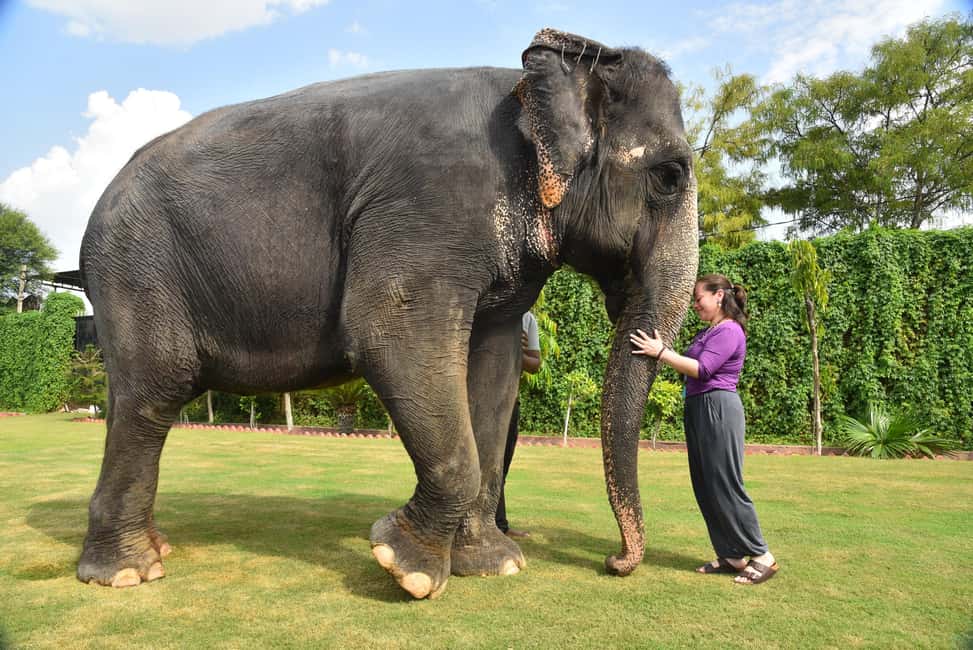
The core interaction is feeding, and it’s handled like a guided activity rather than a free-for-all. You’ll feed the elephants with items such as bananas, sugarcane, and sorghum grass. Feeding isn’t just a fun moment—it’s also a cultural and spiritual element in Indian tradition, where elephants are associated with Ganesha and are respected as symbols of wisdom.
Here’s how to make this moment land well in real life. Go in with a calm pace. Listen to the instructions about safe distance and how to offer food properly. Elephants are powerful animals, and the safety guidelines are there to protect everyone—so treat this like an interaction with rules, not a selfie line.
I also think this is one of the most valuable parts for your understanding. When you feed an elephant under supervision, you see how attentive they are, how they respond to routine, and how body language matters. It gives you a more grounded sense of connection than photos alone.
Pedicure time: caring for feet like the elephants do
One of the more memorable moments is the pedicure session. The idea is simple but meaningful: elephant feet need care, and this pampering activity helps keep them strong and comfortable. You get to watch how the elephants respond to the routine and the gentle handling involved.
If you’re wondering why a foot-care activity is included, here’s the value: it shows daily care in action. Instead of seeing elephants only as big, friendly faces, you see the part of their care that keeps them functioning well over years—especially their feet and movement.
Keep your expectations realistic. This isn’t a spa moment with perfect stillness. It’s an animal-care activity, so expect some movement and a focus on the process, not performance.
Elephant shower with hose: cool water and a safer kind of fun
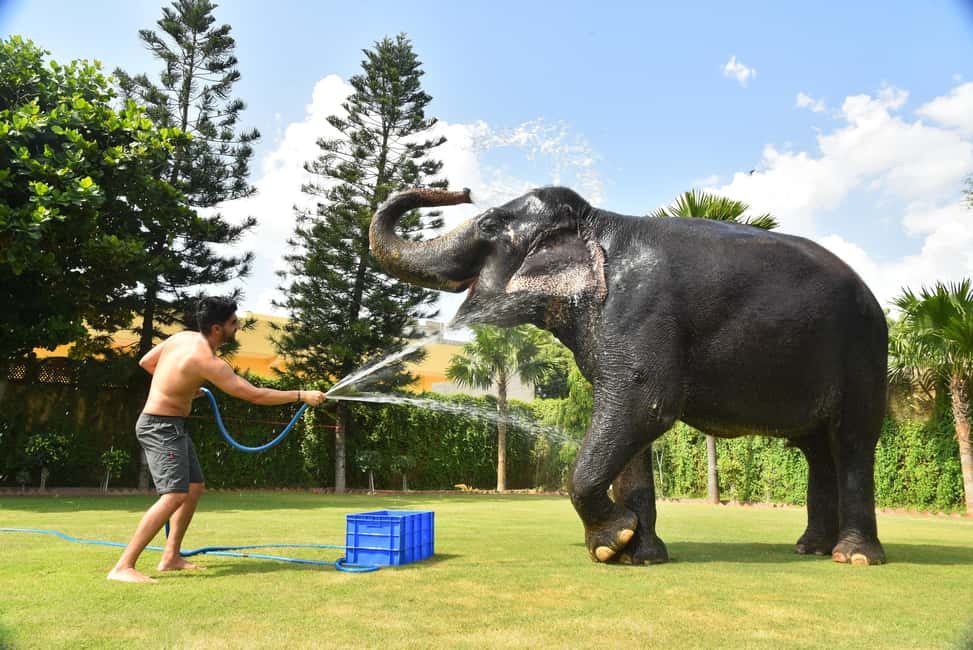
Next comes the elephant shower with a hose pipe. It’s designed as a cooling, interactive moment where you help them stay clean and comfortable. On warm days, elephants often enjoy water, and the shower session tends to be a highlight for families and couples alike.
To enjoy it fully, wear outdoor clothing you don’t mind getting wet. Sunscreen and sunglasses help you manage the sun, and goggles are listed as a helpful item—so if your eyes are sensitive, plan for splashes.
This is also where the experience stays grounded. A shower can look like a playful activity, but it still fits into elephant welfare routines. You’re seeing animal needs met in a natural, practical way.






The guided walk: build comfort step by step
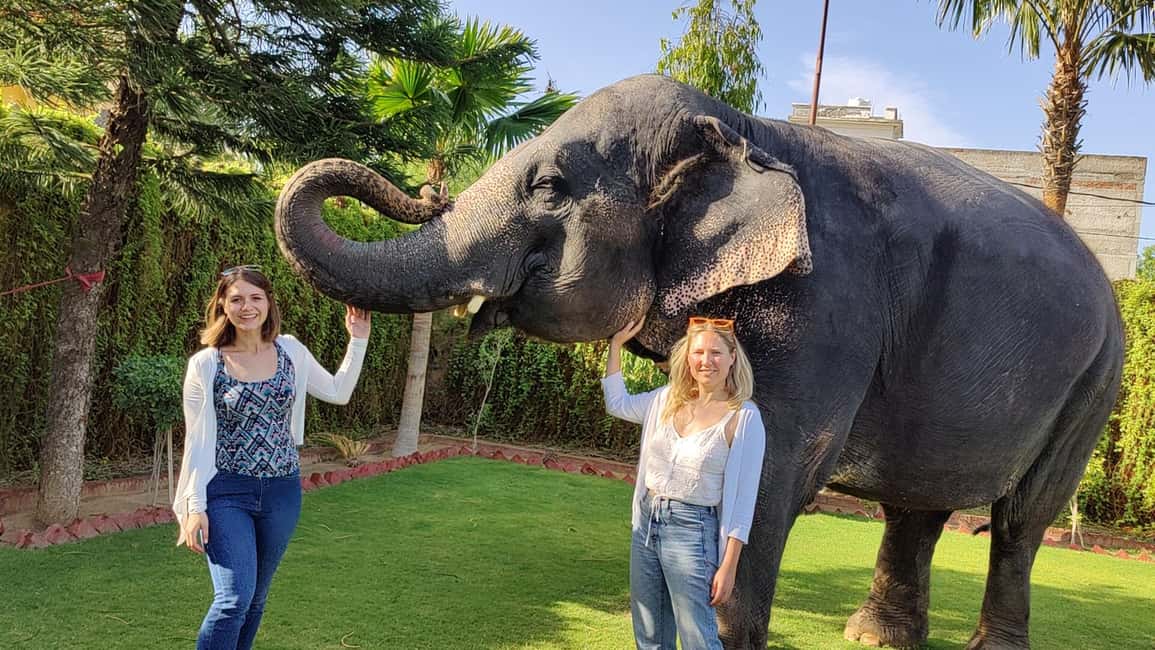
The day includes a walk with the elephant, guided with essential safety guidelines. A walk is different from feeding because it asks you to practice attention—watching how the animal moves, responding to staff directions, and staying mindful of space.
I find guided walking is one of the best ways to understand how calm training and routine work. Instead of a one-time interaction, you get a sequence. That helps you read body language and feel less like you’re forcing contact.
Your guide may also share cultural and behavioral information during the walk. On past visits, staff have been praised for offering detailed context about the sanctuary and elephant life, so don’t be shy about asking what you notice.
Shelter visit and mahout-family insight: the human side of care
A meaningful part of the experience is the shelter visit, where you see firsthand how elephants live in a nurturing environment. You’ll also get the chance to meet the families of the mahouts and learn about their dedication and daily work.
This section adds the piece many visitors miss: elephants don’t care for themselves. The mahout families represent years of involvement, feeding routines, and day-to-day handling. When you learn that, your interaction feels more respectful, because you understand this isn’t a casual hobby for the day—it’s ongoing care.
In practice, this also makes the whole visit more honest. You’re not just learning elephant facts. You’re learning how people and elephants share the same daily rhythm, and how that shapes long-term welfare.
Lunch around the elephants: a real break, not a rushed add-on
Between activities, you’ll have lunch around elephants. This is a nice pacing choice. You’re not pushed through every task back-to-back in one heat-stressed block. You get a meal and some time to reset.
Past participants have described the lunch as delicious local cuisine that’s well prepared. That matters because when an experience revolves around animals, a good meal keeps the day enjoyable, not tiring.
If you’re sensitive to heat, use lunch as your moment to hydrate and slow down. The program is only four hours, but Rajasthan sun can still catch you if you’re moving between outdoor activities.
Elefriend keepsake: what you’ll take home
Near the end, you’ll get your chance to catch a special memory with your ELEFRIEND. It’s a designed photo moment meant to help you take something home that’s more personal than a random snap.
Even if you’re not a big souvenir person, this kind of keepsake can help you remember the day accurately—because the details (which elephant, what interaction, the calm moments) matter after the adrenaline fades.
Who this Jaipur elephant experience suits best
This is a strong fit if you want an elephant day that’s structured, safe, and designed for connection. I’d especially recommend it for:
- Couples and families who want hands-on activities like feeding and shower time
- People who care about learning what they’re seeing, not just taking photos
- Anyone staying in or near Amer who wants hotel pick-up and a clear schedule
It may feel less suitable if you’re looking for a fast, passive attraction. This is a hands-on animal care program with outdoor components, so you’ll be active and outside for part of the day.
Also, if your idea of an elephant attraction is a big, high-speed ride or spectacle, this experience may not match what you expect. The program emphasizes interaction and care routines like feeding, pedicure, walking, and shelter visits.
Price and value for a four-hour private elephant day
At $40 per person for about four hours, the value comes from what’s included, not just the sticker price. You’re getting private transportation, entrance tickets to Elejungle, and a full set of elephant activities: briefing and greeting, feeding, walking, shower, pedicure, plus the shelter visit. Lunch is included too.
So you’re not paying separately for each fragment of the day. That matters in Jaipur, where individual elephant attractions can stack costs quickly once you add transportation, tickets, and “extras.”
Also, the private group format can be worth it. You get more room for questions and attention from the guide, which improves the learning side of the experience.
What to bring (and what to skip) so the day stays smooth
The experience is outdoor and sun-heavy, so pack like you’re going to be outside for several hours. Bring:
- Sunglasses and sunscreen
- Outdoor clothing
- A camera
- Goggles (helpful for the shower session)
- An ID card (a copy is accepted)
You also need to follow simple rules. Smoking in the vehicle is not allowed, so plan accordingly.
If you’re wearing sandals, expect wet ground during shower time. Closed-toe shoes can also be practical if you’re cautious about slipping.
My honest take: the best way to enjoy Elejungle
If you want this day to feel special, treat it like animal care first and photos second. Listen to the safety guidance, move calmly, and let the elephants set the pace.
I also recommend you go in curious. The briefing about elephant life and culture adds a layer of meaning that you’ll feel during the interactions. Names of guides like Rohit, Harpreet, and Amandeep have come up in past experiences, and they’ve been praised for answering questions—so ask what you notice.
Finally, be realistic about timing. One past booking reported a delayed start after confirmation issues. I’d still confirm your pickup details the day before so you can keep your day on track.
Should you book Elejungle for your Jaipur elephant day?
Book it if your goal is a structured, hands-on elephant experience in the Amer area that includes feeding, showering, pedicure care, a guided walk, and a shelter visit with mahout-family insight—plus lunch.
Consider skipping (or choosing a backup plan) if you’re very time-sensitive or if you prefer attractions that are strictly indoor or purely passive. This program is outdoors, animal-focused, and guided.
If you want a day that mixes calm connection with real care context, Elejungle is a solid choice.
FAQ
How long is the Elejungle Jaipur elephant experience?
The experience lasts about 4 hours.
What activities are included with the elephants?
You’ll have a briefing and greeting, feeding the elephants, walking with the elephants, elephant showering with a hose, a pedicure activity, and a shelter visit. Lunch around the elephants is included.
Is the experience private and in English?
Yes. It’s a private group experience, and the instructor is listed as English.
Where does pick-up happen?
Pick-up is available from Amer, with hotel or your chosen location pickup included.
What should I bring?
Bring sunglasses, a camera, sunscreen, outdoor clothing, goggles, and an ID card (a copy is accepted).
Is there anything I’m not allowed to do during the tour?
Smoking is not allowed in the vehicle.