REVIEW · AMER INDIA
Jaipur: Private PinkCity & Stepwell Heritage Tour with Guide
Book on GetYourGuide →Operated by Golden Triangle Tours in India · Bookable on GetYourGuide
One day in Jaipur can feel like a week. This private tour is a smooth way to hit the big sights of the UNESCO Pink City, with hotel pickup and an air-conditioned car doing the hard work. I love that the day mixes dramatic forts with quieter architecture like the stepwell, but one drawback to plan for: there’s a lot packed into a full-day schedule, so you’ll want to keep an easy pace during each stop.
What makes it especially worthwhile is the guide layer. If your guide is Raj or Shakeer, you’ll get real storytelling on Rajput life and even the city’s astronomical legacy—stuff you’d miss if you just wander from sign to sign. You also get a professional, authorized guide and bottled water, which helps when Jaipur heat decides to be bossy.
In This Review
- Key highlights that make this tour a smart choice
- A private Pink City day: what you’re really buying
- Getting from hotel to Amber Fort without losing your day
- Amber Fort and Palace: red sandstone power with a view
- Panna Meena Ka Kund: the stepwell that’s both smart and beautiful
- Jal Mahal (Water Palace): a palace that floats on Man Sagar Lake
- Hawa Mahal: the Palace of Winds in one focused hour
- City Palace: royal Jaipur, planned rooms, and how power lived
- Jantar Mantar: stone astronomy and the city’s scientific side
- Royal Gaitor Tumbas: carved memorials and temple devotion
- Transportation and comfort: the practical win of an air-conditioned car
- Price and value: why this one can feel like a bargain
- Who should book this tour (and who should rethink it)
- Should you book this Jaipur Pink City heritage tour?
- FAQ
- What monuments and sights are included in the tour?
- How long is the tour and how much time is spent at each stop?
- Do you get a guide, and what languages are available?
- What’s included in the price?
- What should I bring, and what’s not allowed?
- Is the tour suitable for everyone?
- Is pay later available, and can I cancel?
Key highlights that make this tour a smart choice
- Private, air-conditioned car with hotel pickup and drop-off to save time and hassle
- Amber Fort and the Jal Mahal Water Palace for royal grandeur plus lake-side calm
- Panna Meena Ka Kund stepwell with perfectly planned symmetry and rainwater smarts
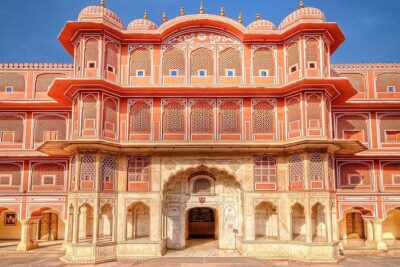
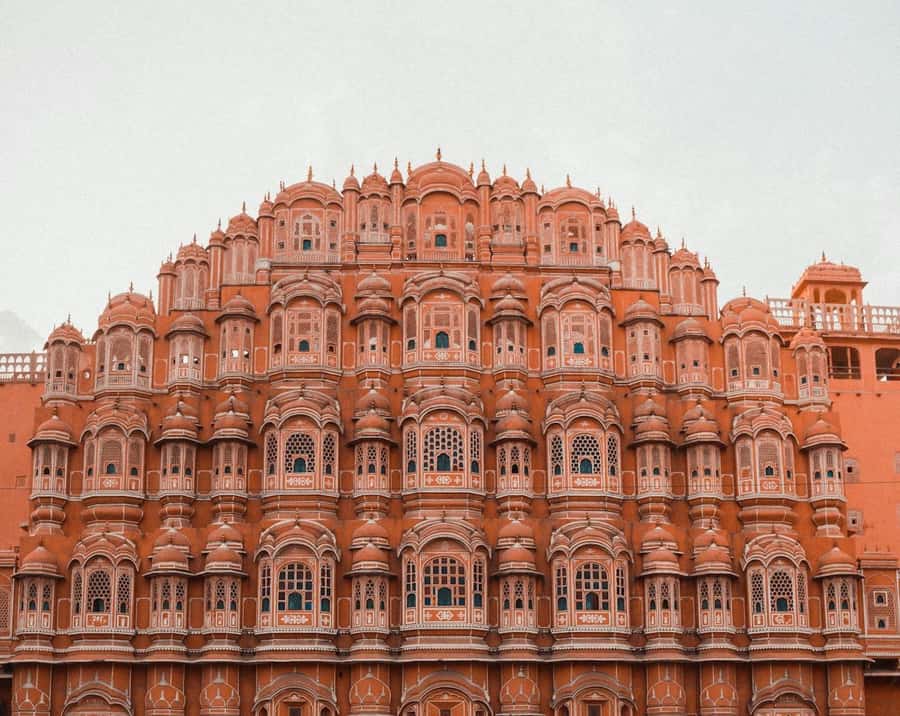
- Hawa Mahal and City Palace showing Jaipur’s signature “look up” architecture and royal power
- Jantar Mantar’s stone astronomy instruments including the world’s largest stone sundial
- Royal Gaitor Tumbas for carved memorial architecture tied to Hindu pilgrimage
A private Pink City day: what you’re really buying
This is not a “bus tour, good luck” kind of day. You’re paying for a day where you can see major Jaipur landmarks without spending your time figuring out transport, parking, and sequence. That value matters most on a first visit, when you’re still learning where everything actually sits on the map.
I also like the pace that a private format creates. You can slow down for photos, ask questions on the spot, and get context that turns a monument from scenery into something you understand. The day is still busy—you’re moving through several sites—but you’re moving with a plan.
One more practical note: the experience is listed as not suitable for pregnant women, so if that applies to you or your group, you’ll want to look for a gentler itinerary.
You can also read our reviews of more guided tours in Amer India


Getting from hotel to Amber Fort without losing your day
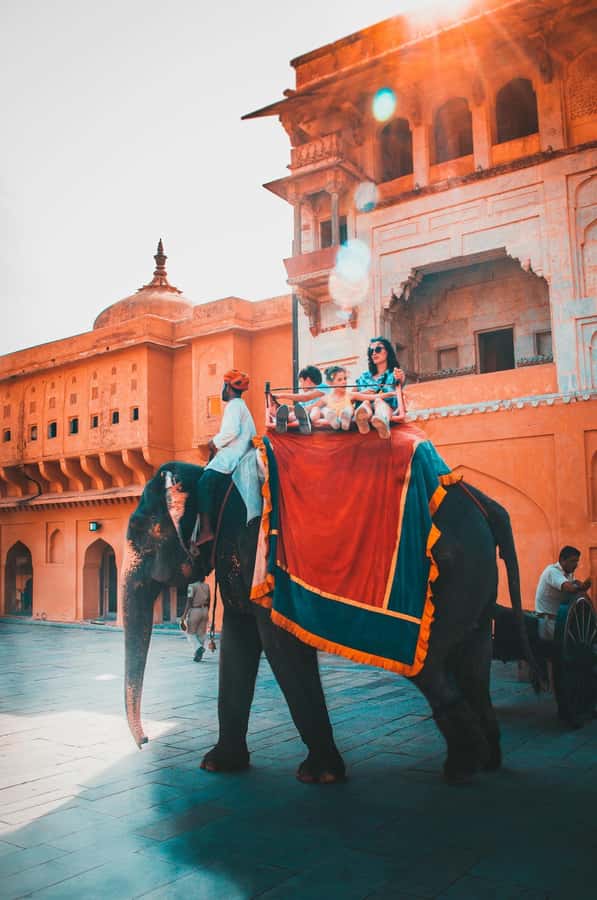
You start with pickup and you end with drop-off, using an air-conditioned sedan/SUV. That’s a big deal in Jaipur, where heat and traffic can eat hours. I’d rather spend my energy at the fort walls than negotiating routes or chasing down rides.
Once you’re on the move, your guide can act like a decoder. Instead of only pointing out what a building looks like, you’ll usually get why it looks that way—materials, design choices, and how Jaipur functioned as a royal and scientific city.
If you’re the kind of traveler who likes to know what’s ahead, you’ll appreciate that the stops are arranged in a logical order, so the day feels connected rather than random.
Amber Fort and Palace: red sandstone power with a view
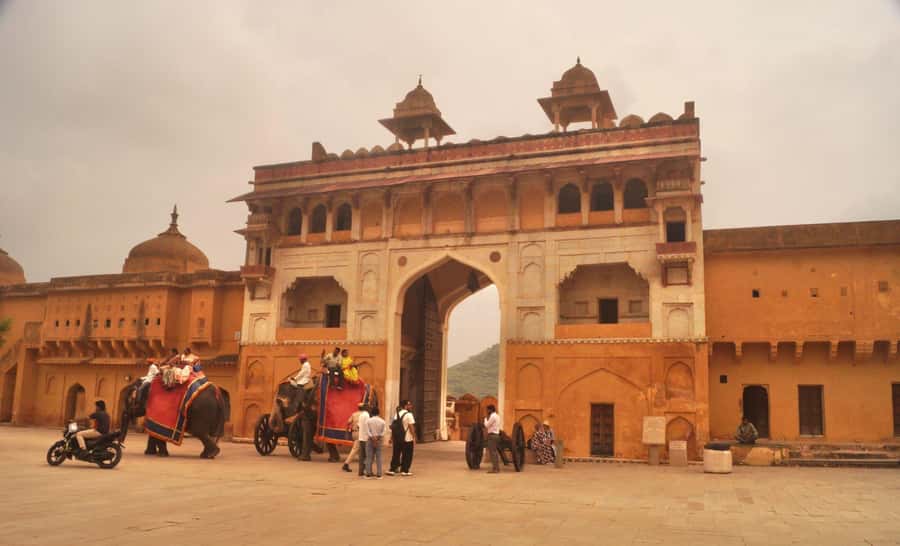
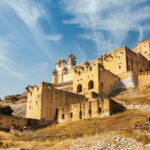
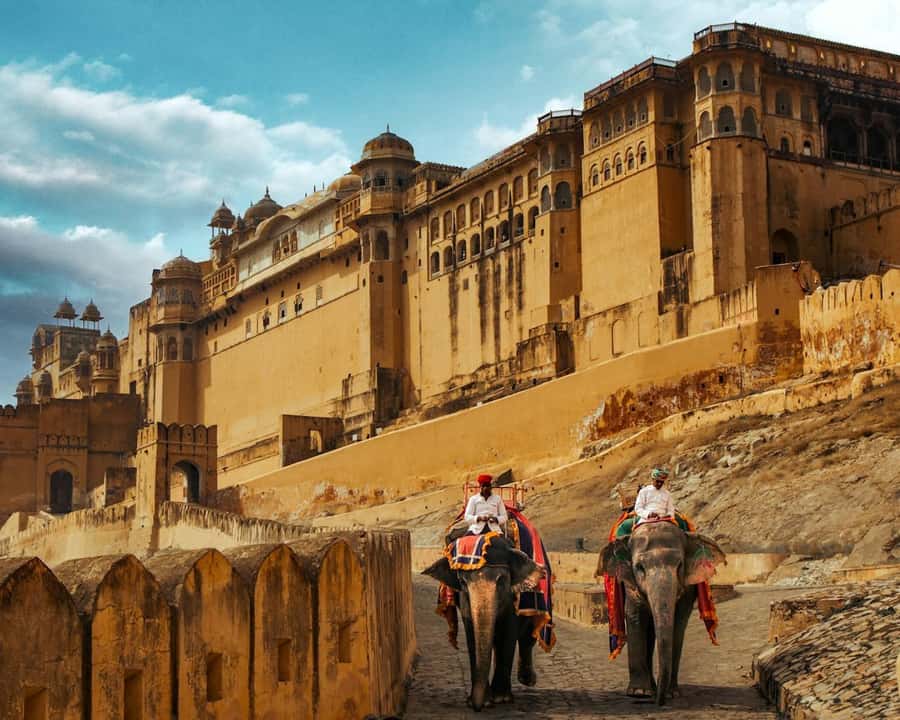
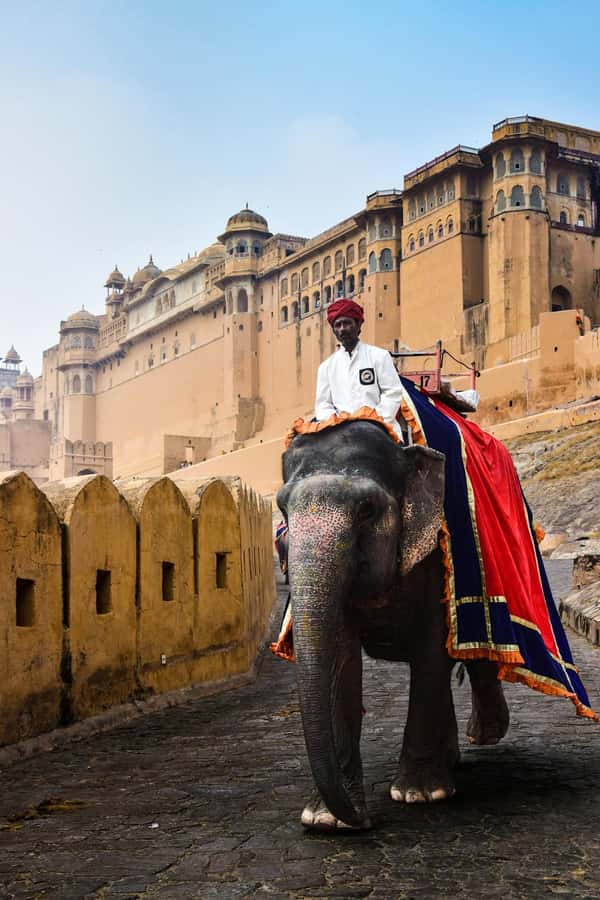
Amber Fort is the headline. Plan for around 2 hours here, which is enough time to see the main areas without turning it into a sprint. The fort is a strong mix of Hindu and Muslim architectural influences, built with red sandstone and white marble, perched above the rugged hills outside Jaipur.
Here’s what I think makes Amber Fort worth your time: it isn’t only about being old. It’s about being designed. You can feel the intent in how spaces flow and how the fort controls views over the surrounding area.
What to watch for
- Look for contrasts in materials and detailing, especially where the fort shifts from massive walls to more ornate sections.
- If you like photography, aim to position yourself well early—crowds and angles can change quickly as the day rolls on.
A small consideration
Amber Fort can be physically demanding. Even with a guide, you’ll be doing a fair amount of walking and standing, so wear comfortable shoes and keep your hydration going (you’ll have bottled water).
Panna Meena Ka Kund: the stepwell that’s both smart and beautiful
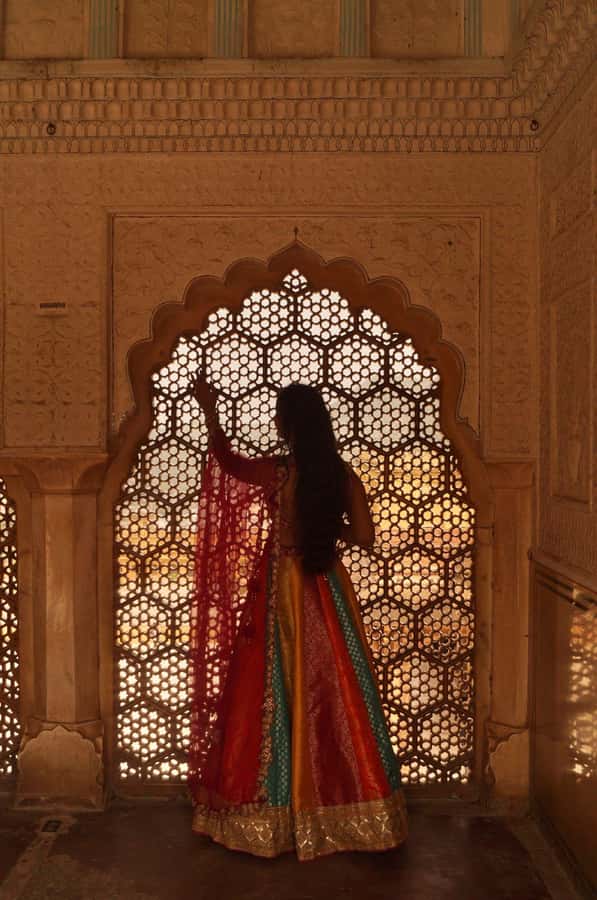
Next comes Panna Meena Ka Kund, a 16th-century stepwell near Amber Fort. You’ll have about 30 minutes, which works because the key thing to understand is quick: the stepwell’s stair system was built to efficiently catch and store rainwater.
This is one of those Jaipur stops where the architecture feels practical. It’s symmetrical, planned, and purposeful, and the location against the fortress backdrop adds drama even when you’re not inside a palace hall.
I love stepwells for one big reason: they show how people solved everyday needs with serious engineering. It’s not just a pretty place to photograph; it’s a window into how a city managed water.
Jal Mahal (Water Palace): a palace that floats on Man Sagar Lake
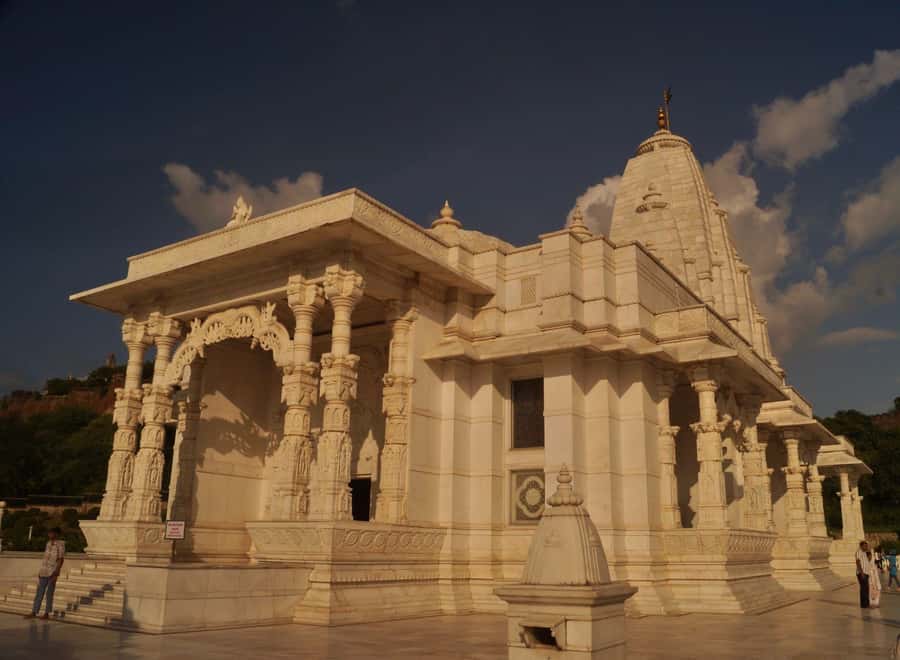
Then you’ll get about 30 minutes at Jal Mahal, the Water Palace in the Man Sagar Lake setting. The building dates to the 18th century and is known for its striking red sandstone structure sitting in the water.
Even if you can’t spend time like you would inside a palace, the value here is the scene. This is Jaipur architecture behaving like theater—calm lake reflections, the palace silhouette, and a completely different mood than Amber Fort’s hillside intensity.
Tip for your visit: treat this stop like a “pause.” Use the time to reset, breathe, and take in the views before your next indoor-ish heritage sites.
You can also read our reviews of more private tours in Amer India
Hawa Mahal: the Palace of Winds in one focused hour
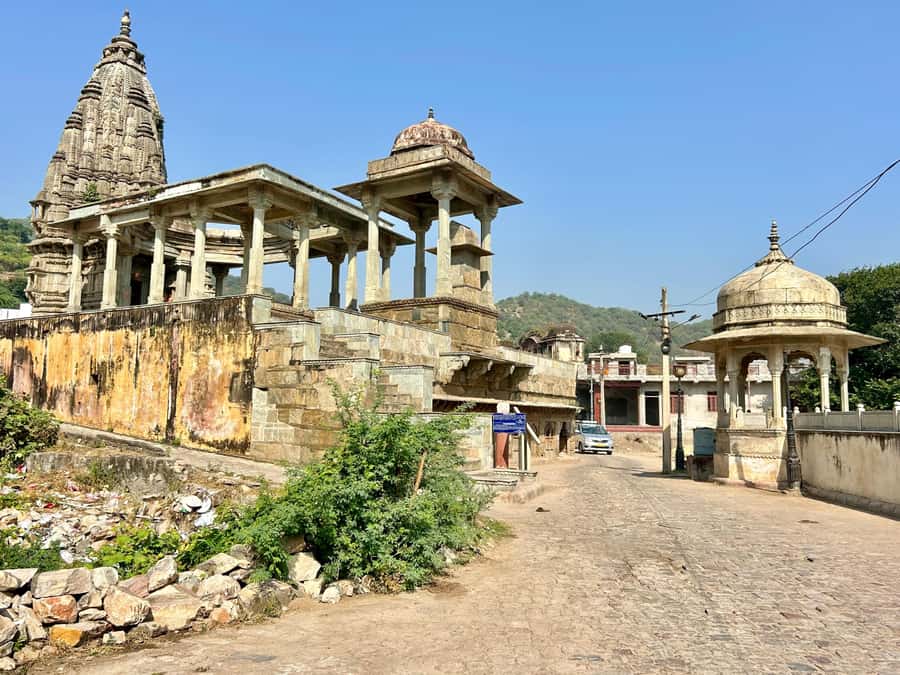
Hawa Mahal gets about 1 hour. This is the famous Palace of Winds, imagined by Sawai Pratap Singh, built with tiered arches and intricate lattice screens designed to let onlookers view street life.
I like Hawa Mahal because it’s a building built for seeing. It’s not only a landmark; it’s a purpose-driven design that hints at how people lived around it. When you look closely, the windows and geometry start to make sense.
Consideration: depending on light and crowd movement, the best photo angles can change. If your guide is helpful, ask them for an angle that shows the façade without you fighting for position all day.
City Palace: royal Jaipur, planned rooms, and how power lived
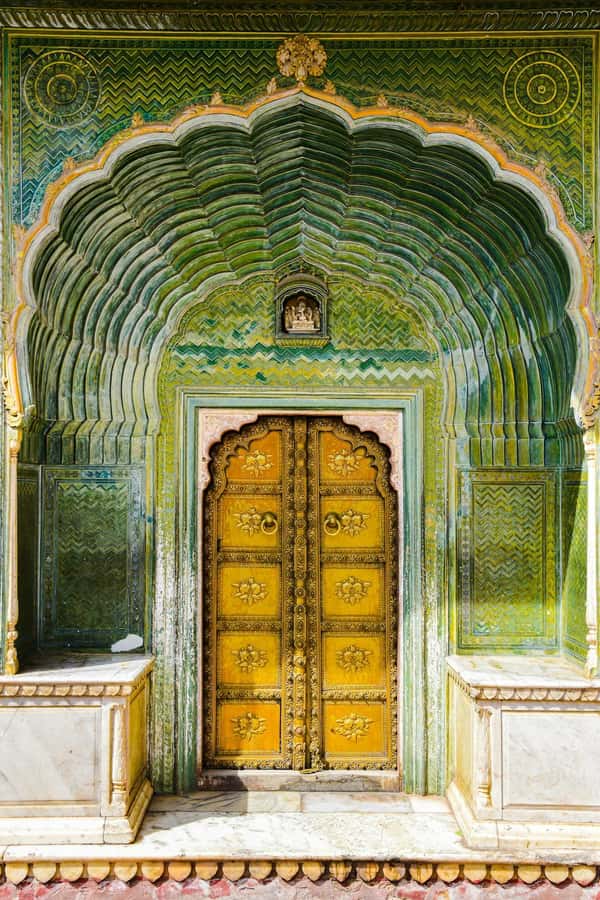
From Hawa Mahal you’ll shift to the Maharaja’s City Palace for about 1 hour. This complex, built by Maharaja Jai Singh, connects Jaipur’s royal identity to the buildings that housed it.
What I find useful here is the way your guide can translate the palace spaces into “how it worked.” A palace isn’t just decoration; it’s governance, status, ceremony, and daily routine—all packed into architecture.
If you’re short on time in Jaipur, City Palace is a strong investment because it adds meaning to the rest of the day. After seeing fort defenses and stepwell engineering, you get the center of royal life.
Jantar Mantar: stone astronomy and the city’s scientific side
Then comes Jantar Mantar, another UNESCO World Heritage site, with about 1 hour. This collection has nineteen astronomical instruments built by Rajput king Sawai Jai Singh and includes the world’s largest stone sundial.
Here’s why this stop feels special: Jaipur isn’t only about palaces and forts. This is the city showing off scientific ambition through giant instruments you can stand next to. You get to see how rulers turned observation into infrastructure.
If your guide speaks about astronomy history, don’t treat it like a lecture. Ask practical questions like what each instrument was used for, and why stone was worth the effort. That’s where the tour becomes memorable instead of just visual.
Royal Gaitor Tumbas: carved memorials and temple devotion
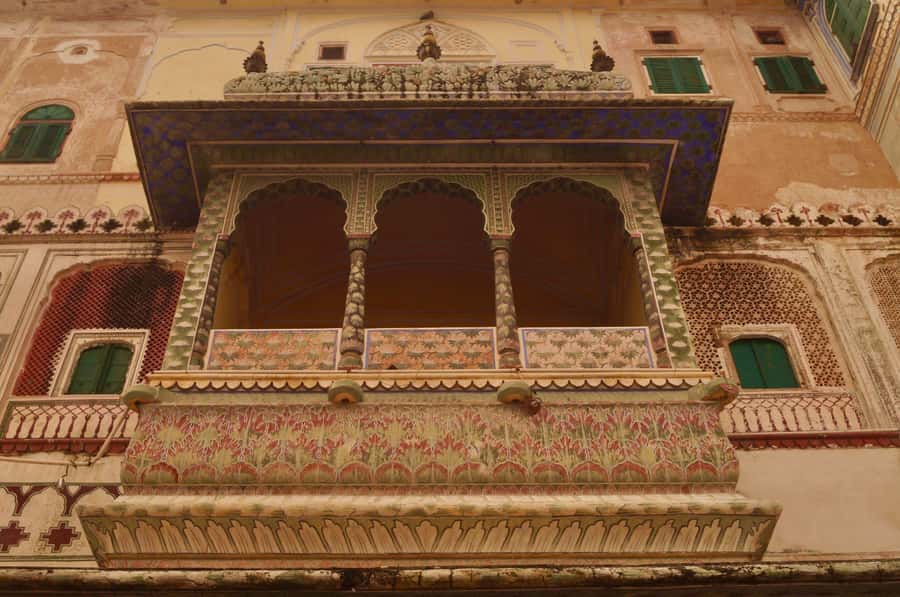
Finally, you’ll spend about 1 hour at the Royal Gaitor Tumbas. This 18th-century complex is decorated with intricate carvings and includes temples, and it’s a pilgrimage spot tied to Hindu worship.
This is a great close to the day because it slows things down. After the motion of forts and landmark-hopping, Gaitor gives you a more spiritual, detailed side of Jaipur’s heritage.
What to focus on
- Take time with the carvings. Even if you don’t know every symbol, you can feel the craftsmanship.
- Notice how religious spaces shape the mood of the complex.
Transportation and comfort: the practical win of an air-conditioned car
You’ll travel in an air-conditioned sedan/SUV with parking fees, fuel, and bottled water included. That sounds basic until you’re actually in Jaipur on a hot day. Comfort matters when your schedule includes multiple outdoor heritage sites.
The reviews I’ve seen around this kind of service repeatedly point to punctual pickups and a car that feels clean and spacious. That’s not just nice—it reduces stress, which lets you enjoy the monuments instead of worrying about logistics.
Also, your guide language options are listed as English, French, German, Italian, Spanish, Japanese, and Russian, so you’re more likely to find a comfortable match for your group.
Price and value: why this one can feel like a bargain
The listed price is $2.72 per person, which is unusually low for a private full-day heritage experience with an authorized guide, hotel pickup/drop-off, and vehicle. I can’t confirm any hidden conditions from the details provided, so I’d treat that number as a “double-check” moment before you lock it in.
That said, at that level, the value is coming from the bundle: transportation, guide expertise, and water, plus multiple major UNESCO-listed stops in one day. You’re not paying just for access—you’re paying to avoid friction. In practice, that’s what you’d spend more on if you hired multiple separate components (guide, transport, and coordination).
If the price is accurate for your date and group size, it’s a strong deal for a high-impact day.
Who should book this tour (and who should rethink it)
This is a great fit if you:
- Want a first-time Jaipur overview with major stops handled for you
- Like asking questions and learning the story behind what you see
- Prefer private comfort over crowd navigation
- Travel with a group that benefits from separate planning time
It may be a tougher fit if you:
- Need a very relaxed schedule with fewer walking sections (Amber Fort and other sites can be active)
- Are traveling with someone who needs special accommodations, since it’s listed as not suitable for pregnant women
If you’re solo and you want to feel safer with a planned route, the private guide format helps. Guides like Raj and Shakeer are specifically described as patient, respectful, and attentive to needs—qualities that matter when you’re navigating a new city.
Should you book this Jaipur Pink City heritage tour?
I’d book this tour if you want the core Jaipur landmarks with context, in one day, without turning your trip into a logistics puzzle. The strongest reasons are the mix of stops—Amber Fort, Jal Mahal, Hawa Mahal, City Palace, Jantar Mantar, and Royal Gaitor Tumbas—and the fact that you get a guide who connects buildings to the city’s culture and even its astronomical legacy.
Just go in knowing it’s busy. Wear comfy shoes, plan for a full-day rhythm, and use the guide’s explanations to slow your brain down and make the stops feel meaningful.
FAQ
What monuments and sights are included in the tour?
You’ll visit Amber Fort and Palace, Panna Meena Ka Kund (stepwell), Jal Mahal (Water Palace), Hawa Mahal, City Palace, Jantar Mantar, and Royal Gaitor Tumbas.
How long is the tour and how much time is spent at each stop?
It’s described as a full-day private tour. The listed time at stops totals about 6.5 hours, with Amber Fort around 2 hours, and each of the other main sights typically around 30 to 60 minutes.
Do you get a guide, and what languages are available?
The tour includes a professional authorized guide. Languages listed are English, French, German, Italian, Spanish, Japanese, and Russian.
What’s included in the price?
Included items are hotel pickup and drop-off, transportation in an air-conditioned sedan/SUV, a professional authorized guide, parking fees, fuel, and bottled water.
What should I bring, and what’s not allowed?
Bring a passport or an ID card (a copy is accepted). Weapons or sharp objects are not allowed.
Is the tour suitable for everyone?
It’s listed as not suitable for pregnant women.
Is pay later available, and can I cancel?
Reserve & Pay Later is available, and you can cancel up to 24 hours in advance for a full refund.