REVIEW · JAIPUR
From Jaipur: Sariska National Park Day trip with Safari
Book on GetYourGuide →Operated by Parikshit Tour and travels · Bookable on GetYourGuide
Tigers in the dust, not in cages. This Jaipur-to-Sariska day trip is built around a tiger reserve experience: you drive out through the Aravalli Hills, ride into the forest in a jeep or canter, and spend guided time looking for Bengal tigers and other rare wildlife. It’s a simple plan that feels genuinely wild, even when the animals choose to stay hidden.
I especially like the door-to-door pickup and drop-off from Jaipur, plus the fact that the safari is run by the Government Forest Department. One watch-out: tiger sightings are never promised, and your comfort can depend on whether you’re in a small 6-seater jeep or a larger 20-seater canter.
In This Review
- Key Points That Make This Safari Worth Your Day
- Why Sariska Works as a Jaipur Tiger Day Trip
- Getting to the Reserve: The 2–3 Hour Aravalli Drive
- Safari Vehicle Choice: Jeep vs 20-Seater Canter
- Inside the Tiger Reserve: Guided Wildlife Time
- Tigers Are a Maybe: What You’ll Actually See
- Photos, Phones, and Park Rules You Can’t Ignore
- The Guide Experience: English Is Listed, Delivery Can Vary
- What Conservation Talk Means on the Ground
- Food, Comfort, and Timing on an 8-Hour Day
- Price and Value at About $82 per Person
- Who This Trip Suits Best (and Who Should Skip It)
- Should You Book This Jaipur to Sariska Safari?
- FAQ
- How long is the Sariska National Park safari day trip from Jaipur?
- Is a tiger sighting guaranteed?
- Will I ride in a jeep or a canter?
- Do I need to send passport information for park entry?
- What should I bring for the safari?
- What happens if the safari can’t run due to bad weather?
Key Points That Make This Safari Worth Your Day
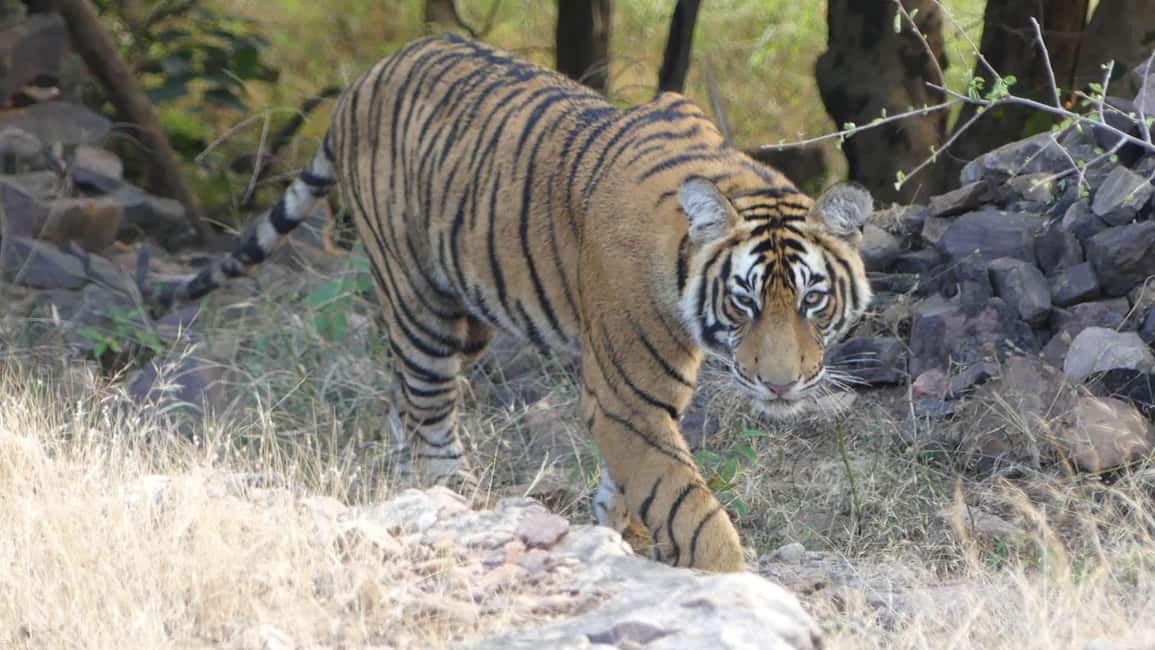
- Hotel pickup and drop-off in Jaipur means less stress before you even reach the park gates.
- Jeep vs canter changes the vibe: smaller vehicle usually feels calmer; larger vehicles can be noisier.
- A real tiger reserve: sightings are unpredictable because it’s not a zoo.
- Guided wildlife route includes mammals like chital and sambar, plus hints about leopards, hyenas, and palm civets.
- You’ll get a practical rules reminder (photos and phone use can be restricted at entry).
- Good value for a full day: about 8 hours total with park entry, safari cost, and guide included.
Why Sariska Works as a Jaipur Tiger Day Trip
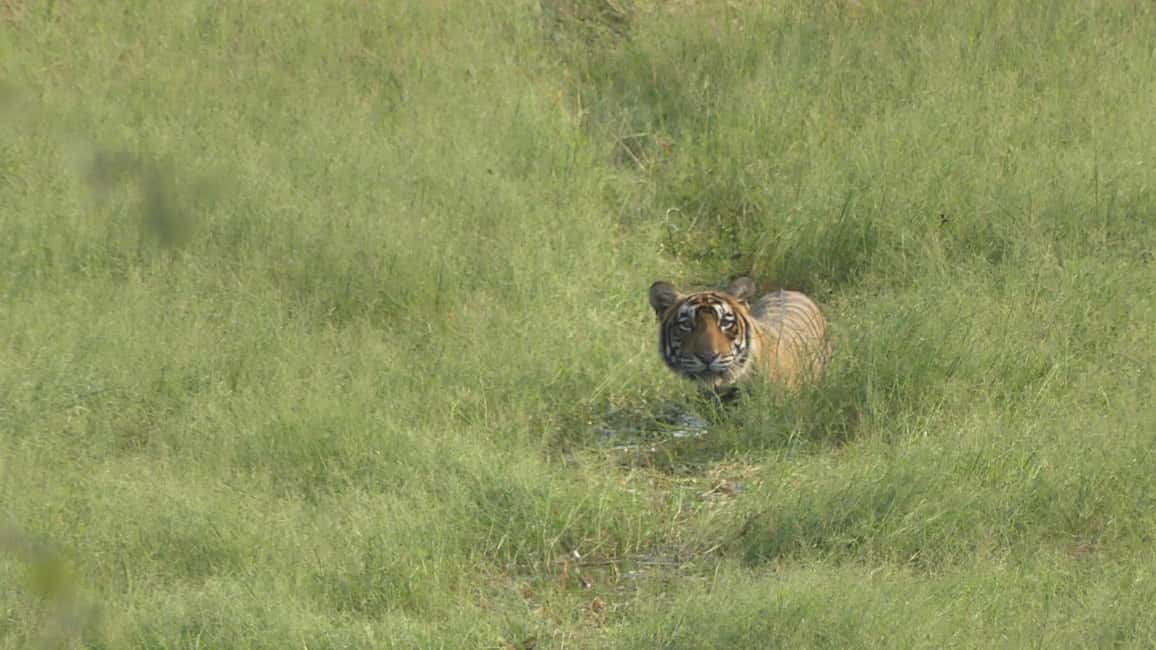
Sariska is one of those rare day trips where the payoff is not just the scenery. It’s the chance—sometimes amazing, sometimes frustrating—to see wildlife living their own schedule. You’ll be driving out from Jaipur for a few hours, then spending the heart of the day on safari time inside the tiger reserve.
I like that this tour keeps things focused. You’re not juggling ten stops or sprinting from one “photo spot” to another. Instead, you’re set up for one goal: get into the park, follow the guide’s route and sightings tips, and watch carefully.
Also, this isn’t a casual wildlife walk. It’s a managed tiger reserve experience. That matters, because it shapes what’s allowed, how your safari works, and why you need patience when animals don’t show up quickly.
You can also read our reviews of more tours and experiences in Jaipur
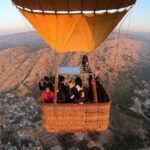
Getting to the Reserve: The 2–3 Hour Aravalli Drive
The day starts with pickup from your Jaipur hotel or the airport, depending on where you’re starting. Then you’re in the car for about 2 to 3 hours en route to Sariska.
This drive is more than dead time. You get that gradual shift from Jaipur’s city energy into the Aravalli Hills region. You’ll pass quaint villages and greenery, and it helps you mentally switch from sightseeing mode to wildlife-watching mode. By the time you reach the reserve, you’re ready to slow down and pay attention.
One practical note: the full day is about 8 hours, so wear real shoes. You’ll likely spend more time than you expect waiting around check-in points before the safari starts, and you don’t want sore feet when you finally roll into the forest.
Safari Vehicle Choice: Jeep vs 20-Seater Canter
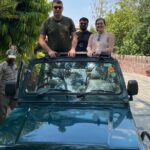
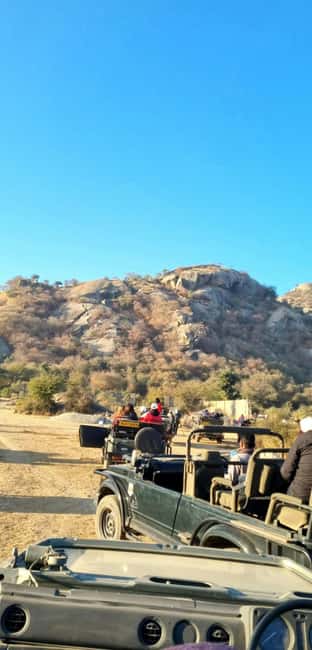
Your safari ride depends on the vehicle type: a 6-seater jeep or a 20-seater canter. This isn’t a tiny detail. It changes comfort, sound level, and how easy it is to spot animals.
A jeep is smaller. That often means:
- easier group communication
- fewer people crowding your view
- a calmer feel when wildlife appears
A canter is bigger. It typically means:
- more shared space and more waiting in a larger group
- a higher chance of side conversations and distractions during the drive
- you may be seated in a way that makes spotting harder, especially if you’re near the middle rows
There’s also a logistics reality: jeep/canter capacity can mean you might share the vehicle with other visitors. That’s normal for this kind of safari. You just want to know that the trip quality can be affected by who you’re riding with.
If you care a lot about comfort and quiet, you’ll want to aim for the jeep option when available.
Inside the Tiger Reserve: Guided Wildlife Time
Once you’re in Sariska, the experience shifts into slow, focused watching. Your guided tour time is about 3.5 hours inside the reserve, guided throughout your safari.
Expect the guide to connect the dots between:
- the animals you might see
- the habitat they use
- and the conservation work around tiger recovery
The tour is designed around wildlife possibilities such as:
- chital and sambar (common deer species)
- leopards (possible sightings)
- striped hyenas (possible)
- palm civets (possible)
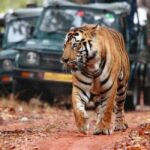
- and, of course, Bengal tigers (the big reason you came)
You’ll also get a vegetation education while you drive—different tree and plant types are part of how animals survive and move through the forest. The park includes species like dhok, salar, dhak, gol, kadaya, khair, bargad, ber, gugal, arjun, and bamboo.
Even if your main goal is tiger spotting, I find the “habitat talk” useful. It helps you understand why the guide stops where it does, and why some areas feel more promising at different times.
Tigers Are a Maybe: What You’ll Actually See
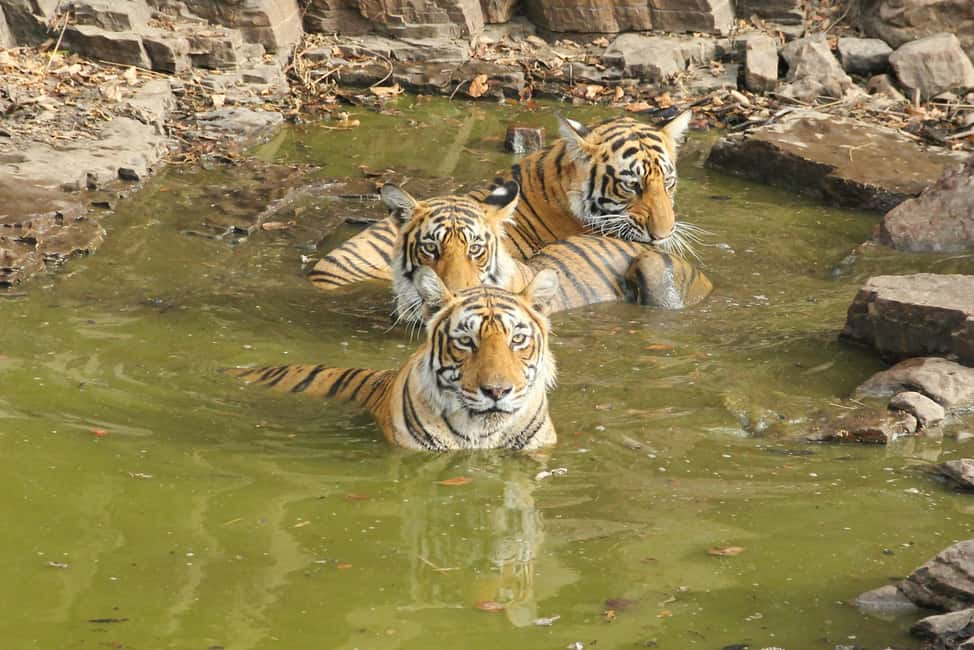
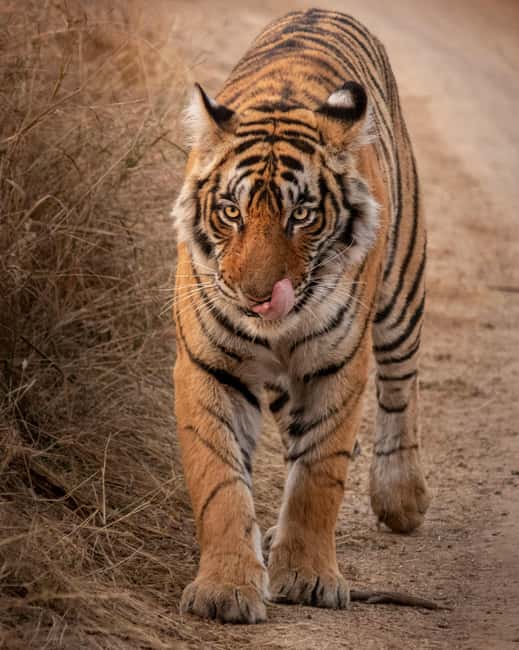
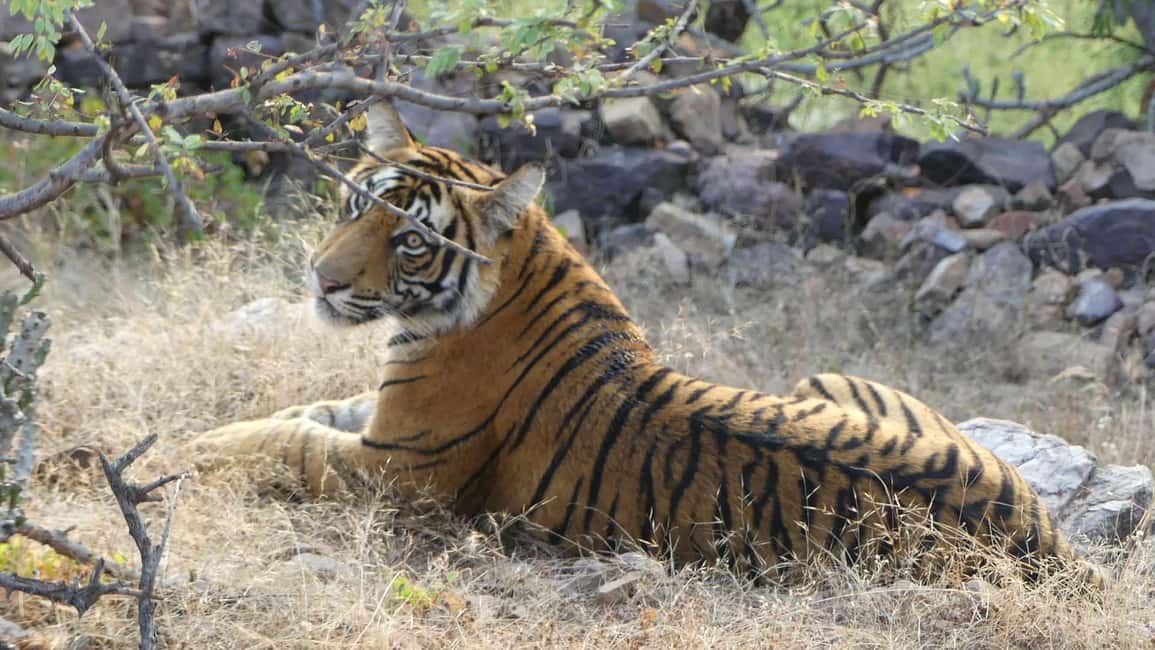
Here’s the honest truth: Sariska is a tiger reserve, not a zoo. That means tigers are unpredictable. You can do everything right—follow the guide, stay alert, arrive on time—and still leave without seeing a tiger.
But that doesn’t mean the safari is pointless.
Even when tigers stay out of sight, you may still see:
- deer and other everyday wildlife like birds
- signs of larger animals (tracks or movement patterns, depending on conditions)
- a general feeling of being in a living ecosystem
The best days are the ones where the tiger (or leopard) appears during your route. And when it happens, it can feel unreal—because you’re not watching a show. You’re watching a wild animal at work.
So I suggest you adjust your mindset before you go. If you treat tiger sightings like a bonus, you’ll enjoy the trip even on tougher days. If you treat a tiger like a guaranteed product, you might walk away annoyed—no matter how good the logistics are.
You can also read our reviews of more tours and experiences in Jaipur



Photos, Phones, and Park Rules You Can’t Ignore
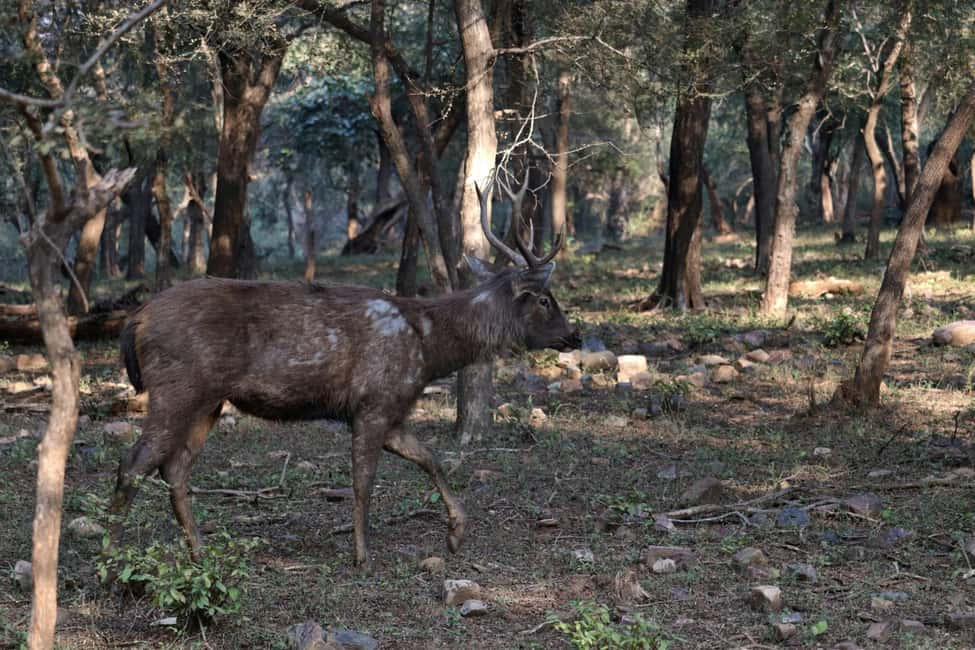
Wildlife rules can change how you experience the safari. One important detail: at the park area, you may receive instructions about cameras and phone use.
For example, there can be restrictions like:
- photos allowed only with a proper camera
- hands-on phone restrictions during the visit
This is exactly the kind of rule that can trip people up right when the action starts. My advice: bring a camera you’re comfortable using fast. If you only rely on your phone, you could be disappointed.
Also, remember this is a reserve. Smoking isn’t allowed, so keep that in mind if you’re traveling with smokers.
If you’re the type who loves taking lots of photos, plan for fewer chances—and make them count. Focus on steady viewing first, then shoot when the guide directs you to a likely spot.
The Guide Experience: English Is Listed, Delivery Can Vary
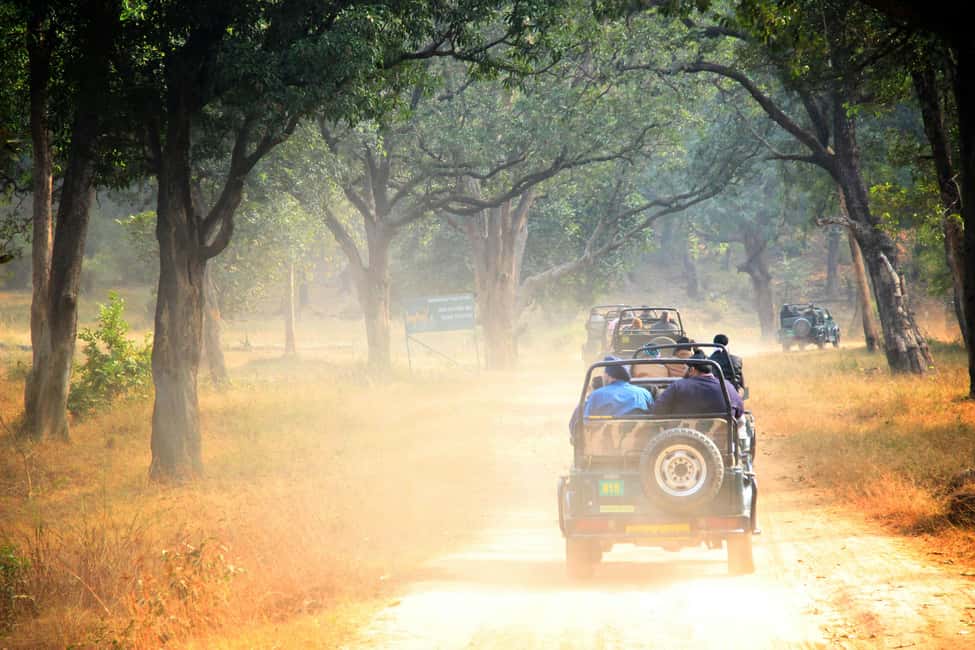
The tour includes a live tour guide and the languages listed include English. The driver is also listed as English.
In the real world, that can mean you’ll get solid explanations. But you might also notice that the guide’s English clarity varies. Some guides may rely more on Hindi, with English explanations limited or slower to come through.
So here’s how you should adjust:
- Use the guide as your navigation and wildlife-sighting coordinator.
- Don’t wait for a perfect explanation to pay attention to what you see.
- Bring curiosity more than expectations of a flawless lecture.
If you’re someone who likes learning on the go, you’ll still get plenty from the route guidance. If you’re strictly language-dependent, you may want to focus more on the animals themselves than the spoken commentary.
What Conservation Talk Means on the Ground
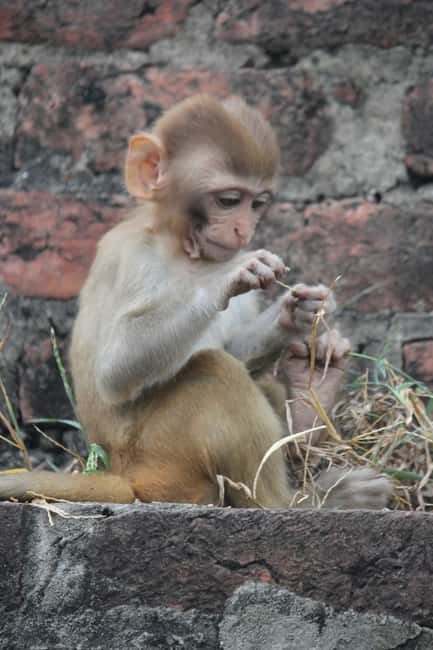
This tour includes information about the park’s history and conservation efforts for the tiger population. That stuff can sound abstract until you connect it to what you’re doing during the safari.
You’re driving through habitat under rules designed to protect animals and reduce disturbance. You’re also following a guided route instead of wandering. That’s why the experience can feel structured—because the park is actively managed.
I like that this helps you see the safari as more than a hunt for photos. You’re participating in a conservation-focused system, even if you never see a tiger. And if you do see one, it adds weight to the moment.
Food, Comfort, and Timing on an 8-Hour Day
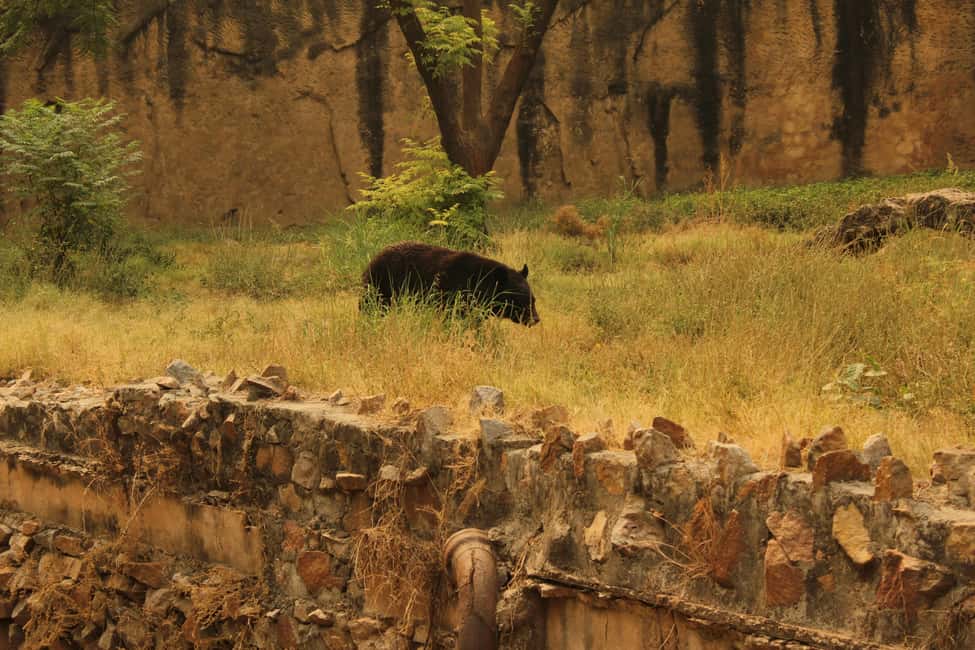
Meals and beverages aren’t included. You’ll want to plan for that by eating before pickup or bringing something light if that’s allowed and convenient for your schedule. Otherwise, you may end up hungry during the long return drive.
You’ll also get a water bottle included, but I still recommend treating hydration seriously in Rajasthan heat. Bring sunscreen and a hat too—those are on the bring list for a reason.
Comfort tips that actually matter:
- wear comfortable shoes
- pack sunscreen and a hat
- keep your camera accessible so you don’t fumble later
- accept that you might spend time waiting before the safari goes out
One downside you should expect is waiting. Safari days sometimes include delays around check-in or vehicle staging. It’s part of how these reserves operate, especially when park operations and entry rules are involved.
Price and Value at About $82 per Person
The price is listed at about $82 per person for an 8-hour outing. For that money, you get:
- hotel pickup and drop-off
- live guide
- entry fees to Sariska
- safari cost
- toll/parking/fuel charges
- a water bottle
That’s the big value: you’re not paying separate taxi fees, park entry fees, and safari costs. The bundled logistics are what usually makes or breaks a day trip like this.
Is it expensive? It’s a fair price for a tiger reserve safari where the vehicle and entry fees are major components. But it’s also fair to say the value depends on one factor you can’t control: wildlife sightings. If you end up seeing a tiger, you’ll feel like you got your money’s worth fast. If you don’t, you’ll still have a strong nature day, but it may sting a bit because you paid specifically for tiger chances.
So I recommend buying the experience for the safari atmosphere and ecosystem, not for a guaranteed sighting.
Who This Trip Suits Best (and Who Should Skip It)
This day trip can be a great fit if you:
- want a tiger reserve safari from Jaipur without planning the driving
- enjoy wildlife and birds, even when the headline animal stays out of view
- are okay with sharing a vehicle in a group setting
- can handle a full day with some waiting time
It may not be a good fit if you:
- need wheelchair access (wheelchair users are listed as not suitable)
- travel with very young children (not suitable for children under 5)
- are pregnant (not suitable)
And if you’re highly sensitive to noise or crowding, consider the vehicle type. A canter is more crowded by nature, and that can affect your patience when animals don’t show immediately.
Should You Book This Jaipur to Sariska Safari?
If you want a straightforward day trip with pickup handled, park entry included, and a guided safari in the real tiger reserve setting, I think this is worth booking—especially if you choose the smaller jeep when possible.
Book with the right expectations. Tigers are not guaranteed. The best version of this trip is the one where you treat every deer, bird, and rare track of movement as part of the story. The “tiger moment” becomes the bonus, not the product promise.
If you’re mainly hunting for a guaranteed tiger photo, you’ll likely leave disappointed. But if you love the idea of riding into protected forest and sharing a wildlife route with a guide, this is a solid way to spend your time outside Jaipur.
FAQ
How long is the Sariska National Park safari day trip from Jaipur?
The total duration is about 8 hours, including pickup from Jaipur, travel time to the reserve, and a guided safari period inside the park.
Is a tiger sighting guaranteed?
No. Sariska is a tiger reserve, not a zoo, so sightings are unpredictable and tigers cannot be guaranteed.
Will I ride in a jeep or a canter?
You’ll ride in either a 6-seater jeep or a 20-seater canter. With canters especially, you may need to share the vehicle with other visitors.
Do I need to send passport information for park entry?
Yes. After booking, you’re asked to send your passport for park entry via WhatsApp or email, and foreigners are required to keep their passport ID.
What should I bring for the safari?
Bring comfortable shoes, a hat, a camera, sunscreen, and water. A water bottle is included, but it’s still smart to be prepared.
What happens if the safari can’t run due to bad weather?
Money is not refunded if the safari cannot take place due to bad weather during the safari.