REVIEW · JAIPUR
From Jaipur: One Day Trip to Ranthambore Tiger Safari
Book on GetYourGuide →Operated by Rajasthan Tour Driver · Bookable on GetYourGuide
Tigers are a long shot, but the day moves fast. I like the AC comfort on the Jaipur drive and the open-air safari format that puts you in the action with an expert naturalist. The big caution: tiger sightings are never guaranteed, so you’re really signing up for wildlife country, not a ticket to a specific animal.
What makes this trip work is the timing and the structure. You’ll typically get picked up from your hotel or Jaipur airport, reach the park area around early afternoon, then go out on a safari window before heading back to Jaipur the same day—built around the forest’s daily rhythms. Just plan ahead for admin details: a valid passport and safari booking info are required before you can enter the reserve.
In This Review
- Key Things I’d Focus On Before You Go
- Jaipur to Ranthambore in One Day: What You Gain (and What You Don’t)
- The AC Ride: Departure, Arrival, and Real-World Breaks
- Ranthambore National Park: Fort Views, Temples, and Wild Neighbors
- The Safari Game Drive: Jeep vs Canter, Timing, and Tiger Reality
- Who You’re Riding With: Naturalists, Guide Language, and How to Prepare
- The $100 Question: Is This Price Fair, or Just Expensive?
- What to Bring (and What Gets Turned Away)
- When This Trip Fits Best (and When It Might Not)
- Should You Book This Jaipur-to-Ranthambore Tiger Safari Day Trip?
- FAQ
- How long is the Jaipur to Ranthambore day trip?
- What time do I go on safari, and how long is the game drive?
- Is a tiger sighting guaranteed?
- What vehicle do I ride in during the safari?
- Will I have to share the vehicle?
- Where do pickups and drop-offs happen?
- Do I need a passport?
- What should I bring, and what’s not allowed?
- What is included in the $100 per person price?
- Can I cancel, and do I get a refund?
Key Things I’d Focus On Before You Go
- Private AC transfer from Jaipur that reduces the fatigue of a long day
- A 3–4 hour safari window where you’re searching actively, not just driving past
- Open Jeep or Canter ride that changes crowding and your sightlines
- Forest department naturalists/guides plus the reality that English may not always be the main language
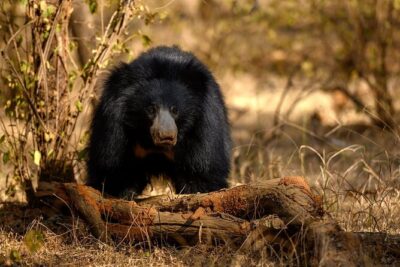
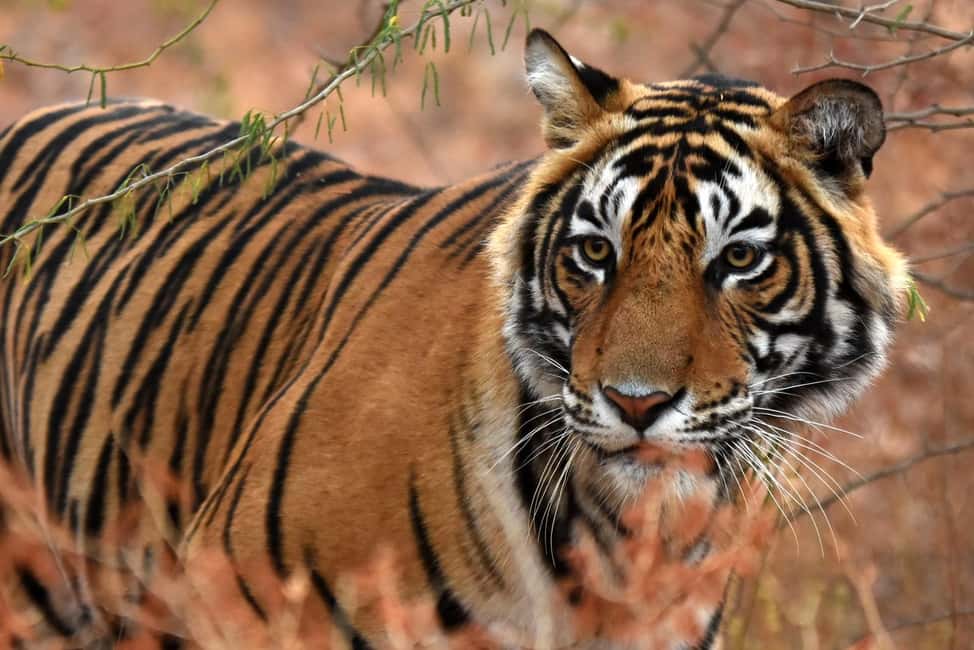
- Tiger sightings depend on luck—but you can still see leopard, sloth bear, mugger crocodile, and many birds
Jaipur to Ranthambore in One Day: What You Gain (and What You Don’t)
A one-day trip to Ranthambore is all about trade-offs. You get a full wildlife experience without turning it into a multi-night logistics puzzle, and you still go back to Jaipur the same day. What you don’t get is a slow, leisurely pace or extra time for deep sightseeing at other stops.
From Jaipur, the drive is the first big part of your day. Most days, you’ll be transferred privately in an air-conditioned vehicle, with the goal of arriving for your afternoon safari slot. This matters because Ranthambore’s best chances and most practical entry times are tied to fixed forest timings.
The other thing I like here is that the experience is clearly built around the reserve, not around a theme-park style “show.” Ranthambore is a tiger reserve, and it feels like it—quiet, watchful, and governed by rules that exist for wildlife first.
You can also read our reviews of more tours and experiences in Jaipur

The AC Ride: Departure, Arrival, and Real-World Breaks
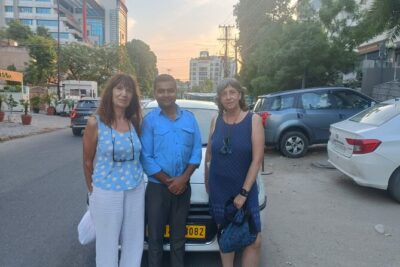
This day trip is set up for convenience. You can be picked up from your hotel (including options like Kukas) or from Jaipur airport, and you return to your hotel after the safari. The transfer is private, so you aren’t doing the uncomfortable hop-on-hop-off with strangers, and you’re not stuck fighting for position on a crowded bus.
In terms of schedule, many departures aim to get you to the Sawai Madhopur area around 1:00 PM. From there, your safari typically starts in the early afternoon (often around 2:30 PM), and you head back to Jaipur afterward. The exact timing can shift based on season, because the reserve runs different safari hours through the year.
One practical detail I’d plan for: long rides can make toilet breaks feel like a big deal. On at least some runs, people reported a restroom break about an hour before arriving, plus another break when you’re at the park area. Even if you’ve got a comfortable car, build a little buffer into your mindset.
Ranthambore National Park: Fort Views, Temples, and Wild Neighbors
Ranthambore isn’t just a flat grid of safari roads. It’s the former royal hunting ground, and it carries that “humans were watching this place for centuries” energy. The park’s famous fort and ancient temples sit in the broader landscape, and they give you context for why this area has always drawn attention.
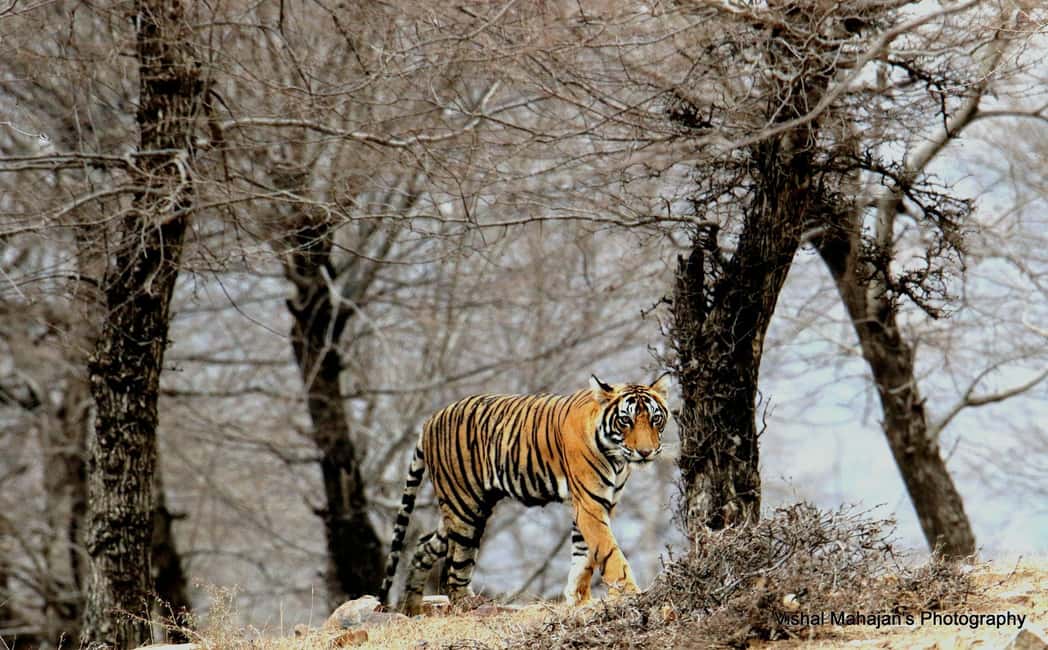
But the real point of arriving is wildlife. Your time at the park includes both sightseeing time in the park area and the main safari. During your safari, you’re looking for Bengal tigers as well as other animals that share the reserve.
Based on what you can encounter there, I’d go with an expectations model like this:
- If you see a tiger, it’s a jackpot.
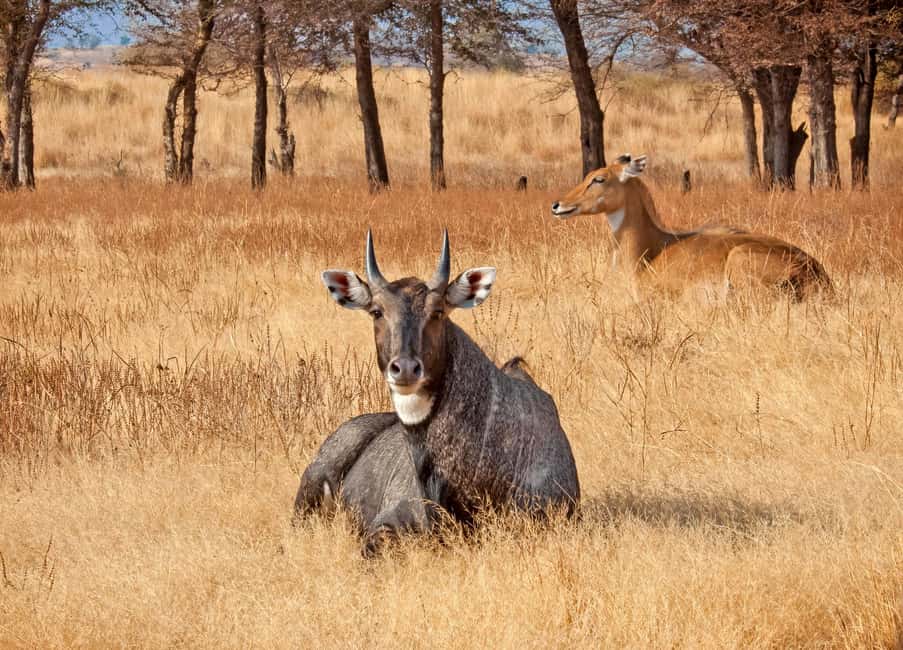
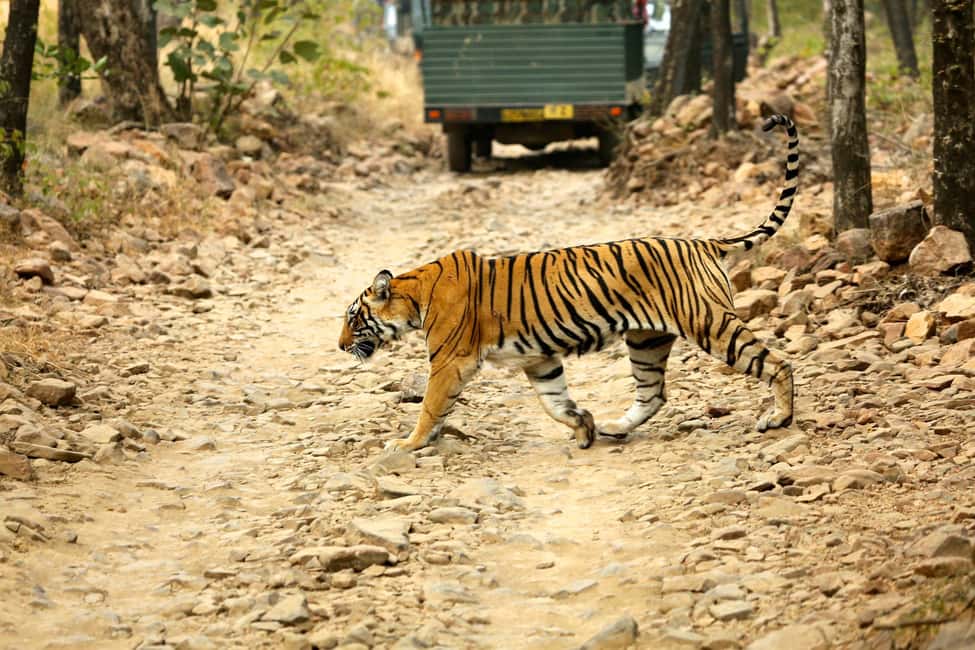
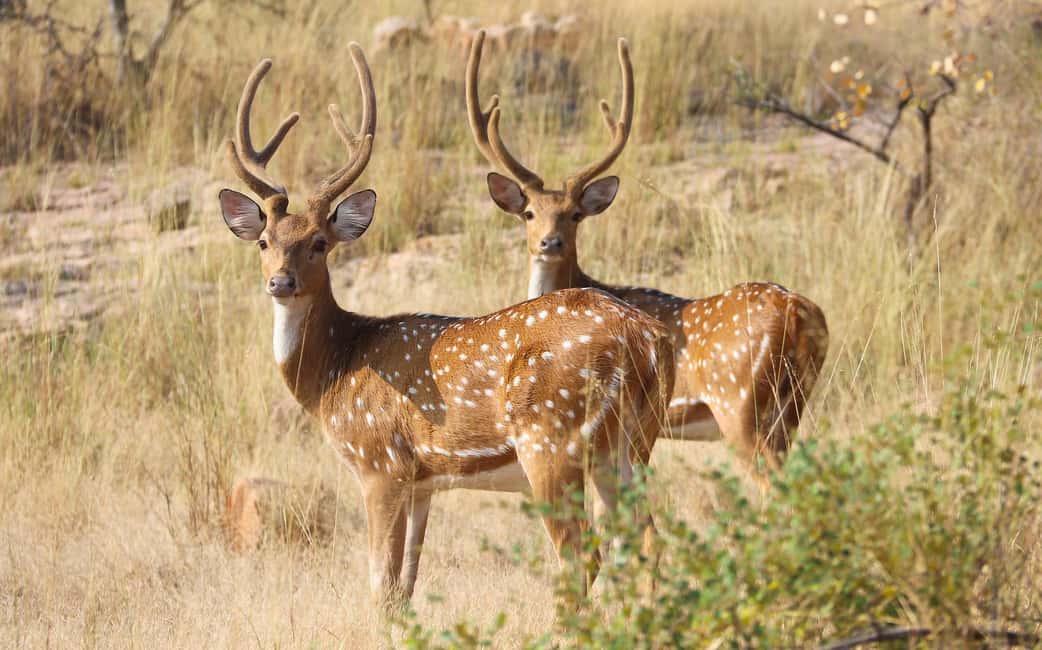
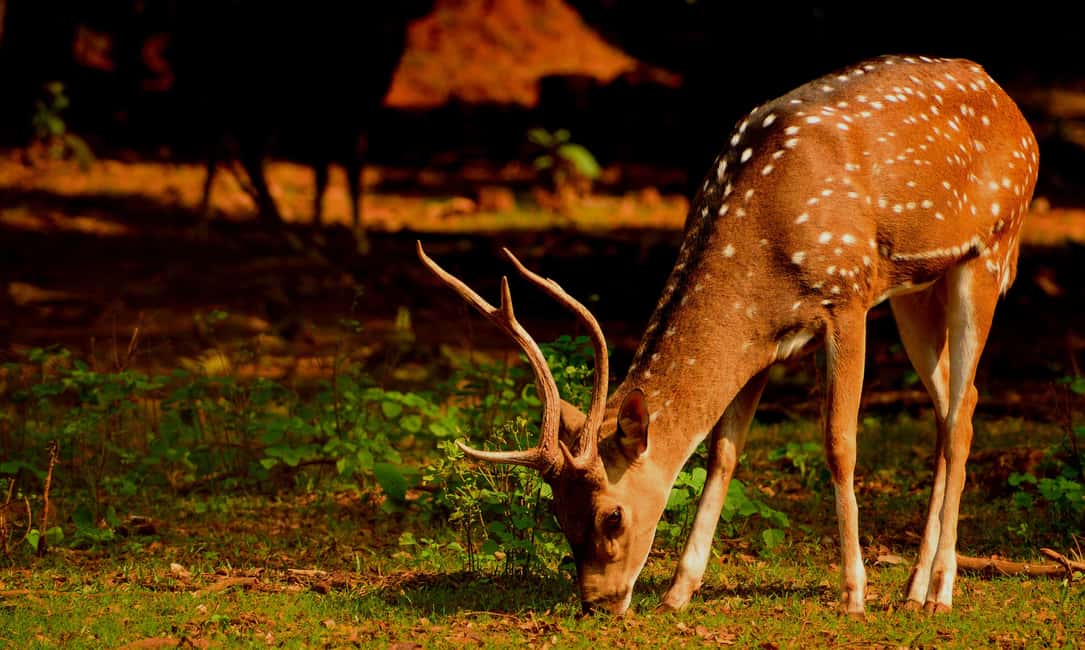
- If you don’t, you can still get real wildlife moments—leopard, sloth bear, deer, and birds are all possible in the reserve.
- You’re also in crocodile territory with the chance of spotting mugger crocodiles (still dependent on where the forest puts them that day).
This is important: the safari is not a zoo loop. You’re going where the animals might be at that time, and then you watch and wait while the forest does its thing.
The Safari Game Drive: Jeep vs Canter, Timing, and Tiger Reality
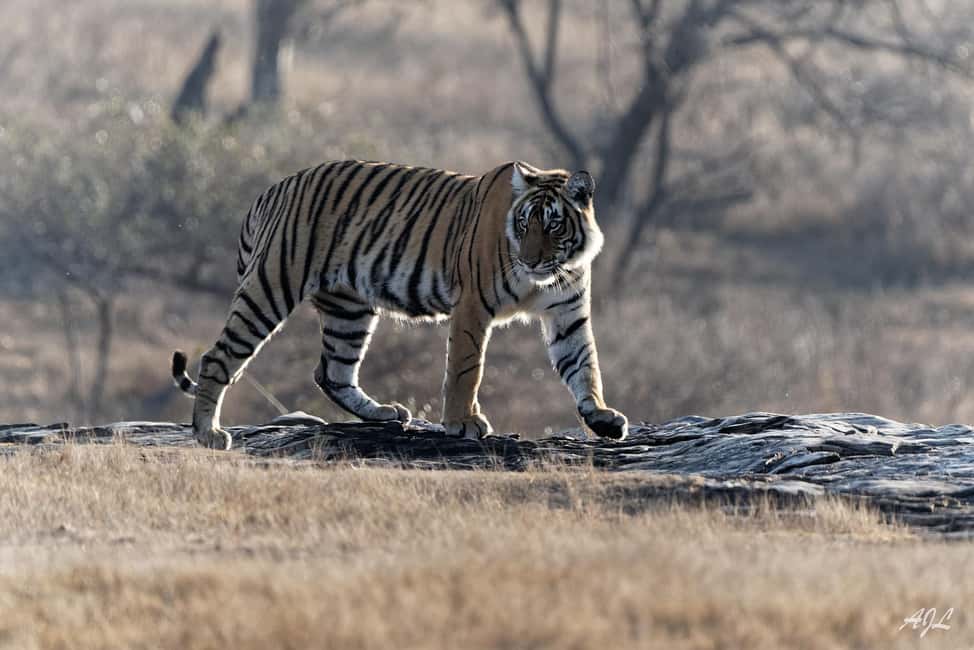
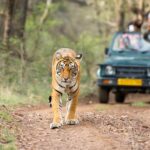
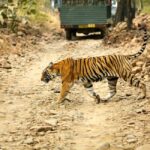
Your safari is the heart of the day. Expect a drive of about 3 hours on the ground during the wildlife window, with some variation up to 4 hours depending on the forest schedule.
Vehicle choice matters. A Jeep is smaller (up to 6 people), which often feels easier for sightlines and group movement. A Canter holds 16–20 passengers, which can mean more faces and less elbow room, but it’s sometimes what’s available when other options are booked out. If you’re sensitive to crowds, treat the canter option as a trade-off you’re choosing.
Now for the part you must accept up front: tiger sightings are not guaranteed. No driver, no guide, no agent can assure a tiger, because the reserve is managing wildlife behavior, not scheduling a performance. This isn’t a downside as much as a rule of the game. When you accept it, you spend less of the safari waiting for permission to enjoy the rest.
The positive version of that reality is this: when people do see tigers, it can happen late in the session. Some days, a tiger sighting comes at the last minute, and the guides on the ground will work to get everyone a good view before the safari ends. Even without a tiger, you’re still out in prime habitat for predators and for the smaller signs of life—tracks, movement, and bird activity that often tells you where the action might be.
One detail that can affect your odds is the gate and entry approach. On at least some runs, guests chose a specific gate (Gate 3 was mentioned as a pick for tiger spotting), when the system allows gate selection. You can’t force a gate, but it’s worth asking what entry option your safari booking gives you.
Who You’re Riding With: Naturalists, Guide Language, and How to Prepare

In Ranthambore, the safari is run by the Government Forest Department, and you’ll be guided by a local naturalist or forest-assigned guide. That’s a good thing, even if it can create a minor communication wrinkle.
One caution I’d plan for: the forest department assigns local guides from nearby villages, and they may not speak English. This isn’t a service failure—it’s just part of how the forest staffing works. If you only understand English, you might still enjoy the safari, but you may miss some of the finer details.
Still, the trip can be excellent when the guide’s focus and the group dynamics click. In the better moments I saw reflected in the experience, drivers and guides helped make the wait feel productive—sharing what they could, keeping things organized, and helping the group see what was there to see. A couple of names came up often with standout driver service: Nadeem Khan, Nadim/Nadim, Sam, and Manoj. If you’re paired with someone like that, you’ll likely appreciate the calm professionalism and how easily they handle the day’s moving parts.
If you want to tilt the experience toward learning, don’t rely on fluent English alone. Bring curiosity, pay attention to what the guide points out, and treat the safari as a visual education. The animals don’t care about your vocabulary, but your patience and attention help you catch the moment.
You can also read our reviews of more tours and experiences in Jaipur




The $100 Question: Is This Price Fair, or Just Expensive?
At $100 per person, you’re paying for a private day structure: pickup and drop-off, round-trip transportation in an AC vehicle, park entry, and the safari vehicle cost (Jeep or canter), plus fuel, parking, tolls, and taxes. Bottled water is included.
Meals and drinks are the main extra cost you should expect, since they’re not included. The other “hidden” variable is the vehicle type: canter capacity can affect comfort, and availability can change what’s offered when you arrive.
So is it good value? For many visitors, yes—because this isn’t just a transfer. You’re also getting the safari access packaged with the transport and park fees. If you tried to do this on your own, you’d still spend money on entry, transport, and arranging a safari in the first place, and you’d carry more stress.
The best value angle is when the day goes smoothly: clear coordination for pick-up, an efficient transfer, and a safari that actually runs on time. When that happens, the total experience feels like a well-run corridor between Jaipur and real tiger habitat.
What to Bring (and What Gets Turned Away)
Pack like you’re going into a hot, dusty outdoor setting with no room for bulky items. Bring comfortable shoes and clothes, sunscreen, and a hat. The tour also asks for passport or a valid ID.
Two practical rules to take seriously:
- No pets.
- No large luggage or big bags, and no food.
Passport handling is the other big must-do. You’ll need passport details in advance for safari booking, and every guest must present a valid passport on the day. If you can’t provide the required passport, the tour can be cancelled without a refund. That’s not a scare tactic—it’s simply how reserve entry works.
Also note the reservation/admin expectations: jeep vs canter availability can change, and tiger sightings can’t be forced. Your best strategy is to prepare for the day to be about wildlife opportunity, not wildlife guarantees.
When This Trip Fits Best (and When It Might Not)
This is ideal for wildlife-focused travelers who want a one-day hit of Ranthambore from Jaipur without spending the night. It also fits well if you value private AC transport and a structured schedule.
It may be less ideal if you’re sensitive to crowding, since canters can carry 16–20 people. It’s also not wheelchair accessible, and it isn’t suitable for pregnant women, so plan accordingly if that applies to you.
And if your top priority is seeing a tiger no matter what, adjust your mindset. This reserve is built for animals first. The right expectation is: you’re going to search, you’re going to learn from what you see, and you’re giving yourself a solid chance—then you let nature decide the outcome.
Should You Book This Jaipur-to-Ranthambore Tiger Safari Day Trip?
I’d book it if you want a smooth, privately transported wildlife day and you can handle the tiger reality up front. The biggest selling points are the AC comfort, the structured safari window, and the fact you’re inside an actual tiger reserve with real chances at multiple species. When the experience clicks, it can be unforgettable—some people reported even multiple tiger sightings, and sometimes a tiger shows up right at the end of the safari.
I’d think twice if you need guaranteed tiger viewing, or if you strongly prefer fluent English from the guide at all times. Language can vary with the forest-assigned guides, and the canter option can mean more crowding.
If you’re flexible, pay attention to how you prepare (passport details, what you pack, and what you expect). Then go with patience. Ranthambore often rewards that.
FAQ
How long is the Jaipur to Ranthambore day trip?
The trip runs for about 14 hours total. Exact start times depend on availability.
What time do I go on safari, and how long is the game drive?
Safaris typically run in the afternoon. They generally last about 3 hours, with timing that can vary. Seasonal safari windows run from 3:00 PM–6:30 PM (1st April to 16th May) and 3:30 PM–7:00 PM (17th May to 30th June), and your pickup/drop-off times are adjusted accordingly.
Is a tiger sighting guaranteed?
No. Tiger sightings depend completely on nature and luck, and they are not guaranteed.
What vehicle do I ride in during the safari?
You’ll ride in either a 6-seater open Jeep (up to 6 people) or a Canter (16–20 passenger capacity). Availability can affect which one you get.
Will I have to share the vehicle?
Yes, if the safari vehicle is a canter or if the Jeep/canter capacity requires it, you may share with other passengers.
Where do pickups and drop-offs happen?
Pickup and drop-off are available from your hotel or Jaipur airport/railway station, and you can request another desired pickup location in Jaipur. There are also options listed around Kukas for pickup and drop-off.
Do I need a passport?
Yes. You must provide passport details in advance for safari booking, and all guests must present a valid passport to participate.
What should I bring, and what’s not allowed?
Bring comfortable shoes and clothes, a hat, sunscreen, and your passport/ID. Pets are not allowed, and luggage/large bags and food are not allowed.
What is included in the $100 per person price?
Included are pickup and drop-off, round-trip AC transportation, park entry and safari costs (Jeep/Canter), fuel, parking, tolls, taxes, and bottled water. Meals and drinks are not included.
Can I cancel, and do I get a refund?
Free cancellation is available up to 24 hours in advance for a full refund.