REVIEW · JAIPUR
Feast on the Streets: Best Jaipur Food Tour
Book on Viator →Operated by Tour For Taste · Bookable on Viator
Jaipur’s best bites make more sense when you walk them with a guide. This tour strings together classic stops like Hawa Mahal, a temple visit, and Tripolia Bazar while your guide connects what you’re eating to the story of Indian culinary culture and modern food. I love the way it’s built for real street flavors, not just tourist snacks, and I also like the small-group feel. One consideration: it’s an on-foot evening, and if you’re very strict about hygiene standards, you’ll want to trust your guide and ask questions.
The group maxes out at 20, so you’re not lost in a crowd. You also get a bottled water plus coffee and/or tea, which helps you keep pace on a night when Jaipur traffic and pedestrians don’t slow down.
In This Review
- Quick hits before you go
- Jaipur Night Bites on Foot: Why This Format Works
- From Tripolia Gate to Tripolia Bazar: Getting Oriented Fast
- Stop 1: Hawa Mahal and the Wind-Palace Backdrop
- Stop 2: Govind Devji Temple and the Slower Moments
- Stop 3: Tripolia Bazar for Chaat, Chole Bhature, Chai, and Sweets
- What You’ll Actually Be Eating (and Why the Variety Counts)
- Hygiene and Safety: The One Trade-Off to Think Through
- The Guide Matters: Abdul’s Stories, Humor, and Q&A Energy
- Price and Value: Is $22 a Smart Use of Evening Time?
- Who This Tour Fits Best (and Who Might Prefer Something Else)
- Should You Book Feast on the Streets in Jaipur?
- FAQ
- Where does the tour start?
- How long is the Jaipur food tour?
- How much does it cost?
- Is the tour on foot?
- What foods are included?
- What drinks are included?
- What is the group size limit?
- Is there a mobile ticket?
- What are the daily operating hours?
- What’s included versus not included?
- Where does the tour end?
Quick hits before you go
- 2.5 hours on foot that fit neatly between sightseeing plans
- Chaat, chole bhature, masala chai, and lots of sweets along the route
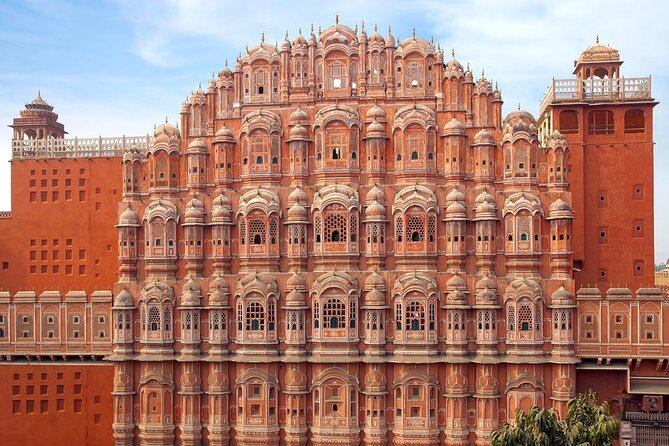
- Hawa Mahal + temple + Tripolia Bazar for a mix of landmarks and food streets
- Small group (max 20) so you can ask questions without yelling
- Guide Abdul’s style is repeatedly mentioned for humor, clarity, and safety focus
Jaipur Night Bites on Foot: Why This Format Works
Food tours can turn into a checklist. This one feels more like a guided stroll with stops that explain how Jaipur actually eats after sunset. You spend about 2 hours 30 minutes walking through the city, which is long enough to hit multiple tastings but short enough that you’re not exhausted before you’re full.
Walking matters here. Jaipur’s best flavors aren’t usually served at big, quiet tables where you can linger. Street food is fast, casual, and strongly local. If you try to wing it, you can end up stuck at the first place with a sign, not the places that match what you’re craving. With a guide, you’re moving through the right neighborhoods and pausing long enough to taste and learn.
Another reason the pacing works: your guide’s commentary. You’re not just being handed food. You’re hearing the background of Indian culinary culture and how modern food trends connect back to older tastes and traditions. That kind of context turns a sweet into something you can actually remember for the right reasons, not just because it was sugary.
You can also read our reviews of more food & drink experiences in Jaipur



From Tripolia Gate to Tripolia Bazar: Getting Oriented Fast

The tour starts at Tripolia Gate in the Tripolia Bazar area (Badi Choupad, J.D.A. Market, Pink City, Jaipur). You’ll also end back at the meeting point, which is a real quality-of-life detail if you’re trying to keep your night simple.
Two practical advantages stand out from the setup. First, you’re meeting in a central, walkable food zone rather than at some far-out pickup point that eats time. Second, the tour is designed for coordination in a place where directions can get confusing. A guide helps you not only find the food, but also understand what you’re seeing as you pass temples, markets, and landmark facades.
You’ll use a mobile ticket, and you should receive confirmation at booking. The activity runs in the broader window of 7:00 AM to 10:00 PM, so in theory you can choose an evening slot that fits your energy level. Just plan for warm evenings and crowded streets, since this is a city that runs on foot traffic.
Stop 1: Hawa Mahal and the Wind-Palace Backdrop
The first landmark stop is Hawa Mahal (Palace of Wind). Even if you’ve seen pictures before, this is one of those places that changes your perception once you’re there in person. Here’s the practical angle: it’s a visual anchor early in the walk. Before you get deep into snack streets, you get bearings and a sense of why Jaipur looks the way it does.
This is also a smart “tone-setting” stop. You begin with something iconic, then shift toward neighborhood eating. That makes the rest of the night feel connected instead of random. Your guide also uses the early moments to talk about Indian culinary culture and how it’s shaped by place, history, and everyday life. Starting with a landmark helps you listen better, because you’re not just thinking about where you’ll eat next.
One consideration: Hawa Mahal area traffic and pedestrian flow can be busy. Go with the mindset that your guide is doing route management for you, not that you’ll have the space and quiet you’d expect at a museum.
Stop 2: Govind Devji Temple and the Slower Moments
Next comes Govind Devji Temple. Your time here is part of the tour’s bigger goal: understanding Jaipur through food, not only tasting food. A temple stop makes the cultural learning feel real. It reminds you that eating traditions often sit inside larger community routines, not in isolation.
I like that this stop isn’t placed randomly. It interrupts the “only food” rhythm, so when you later hit chaat, chole bhature, and sweets, your brain registers them as part of a cultural story, not just a sugar-and-spice mission.
That said, remember this is still an evening walking tour. Expect to move fairly steadily. You’ll want to follow your guide’s timing cues, especially around crowds and crossings.
Stop 3: Tripolia Bazar for Chaat, Chole Bhature, Chai, and Sweets
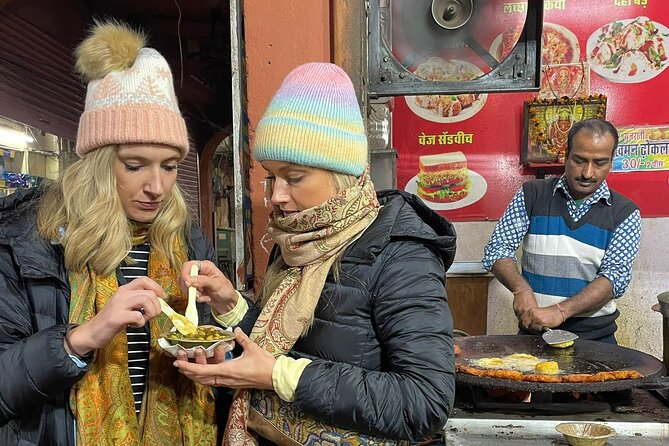
Your main eating energy builds at Tripolia Bazar. This is where the tour earns its name: street food variety. You’re set up to sample traditional favorites such as:
- Chaat (savory, tangy street snacks)
- Chole Bhature (a hearty chickpea-and-bread combo)
- Masala chai
- Indian sweets (a wide range, including syrupy and milky styles)
In practical terms, this stop is the heart of your calories. It also sets you up to understand the flavor logic of Jaipur food. One highlight that comes up repeatedly in feedback is the balance of sweet, salty, and sour across the tastings. If you usually find street food intimidating because it’s “too much,” this structure helps. You’re guided through contrasting flavors so your palate adjusts instead of getting overwhelmed.
You’ll also get coffee and/or tea as part of what’s included, plus bottled water. Those details matter because street food nights can get dehydrating and slow you down.
If you’re someone who only eats full meals, you might worry you won’t get enough. The tour is built around multiple tastings rather than one big plate, so the win is variety. You’ll likely finish feeling satisfied and ready to stop, not needing an extra dinner immediately after.
You can also read our reviews of more tours and experiences in Jaipur






What You’ll Actually Be Eating (and Why the Variety Counts)
Let’s talk about the value of the food lineup. Jaipur street food has a strong identity, but it can be hard to pick the right items if you don’t know what you’re looking at. Chaat and chole bhature aren’t random choices. They represent different textures and flavor directions: crunchy and tangy versus warm and filling.
Sweets are the other key ingredient in the tour design. Indian sweets vary widely—some are milk-based, some are syrup-heavy, some are nutty, some are cardamom-forward. Even without getting overly technical, tasting several types gives you a shortcut to understanding how “dessert” works in this food culture. It also turns your last stops into a finish line, which feels better than stopping sweets midway.
A small-but-helpful note: a few people mention trying lassi during the tour. It isn’t listed in the core includes the way chai is, but it’s worth keeping in mind as a possibility. If you like yogurt-based drinks, it’s a good bet you’ll enjoy any dairy break you get.
Hygiene and Safety: The One Trade-Off to Think Through
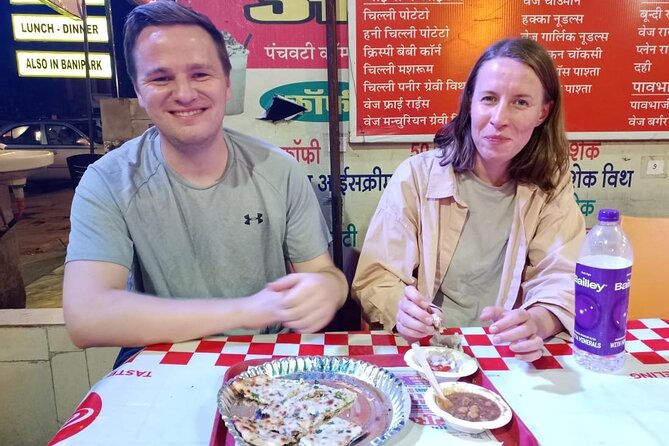
This tour gets strong praise for cleanliness and safety. People mention that the guide chose places that felt clean and helped with pacing, including road crossings and staying safe in busy areas. That’s not a small detail in Jaipur, where street life is constant and drivers aren’t always stopping for pedestrians.
But there’s also one caution from a negative viewpoint: someone felt the tour started with a hygiene comment they didn’t like. The response emphasized that Jaipur is generally cleaner than other cities, and that hand sanitizer or wet wipes might not be necessary.
Here’s my practical advice: don’t let one comment scare you off, but do let it inform your choices. If hygiene is a top priority for you, bring your own small hygiene items (like sanitizer) and be proactive. Ask your guide what to do if something seems off, and follow their lead on where to stand, when to move, and what to touch.
Also, pay attention to your own comfort level. If you don’t like crowded alley walking, you may find parts of the evening stressful even when the food is great.
The Guide Matters: Abdul’s Stories, Humor, and Q&A Energy
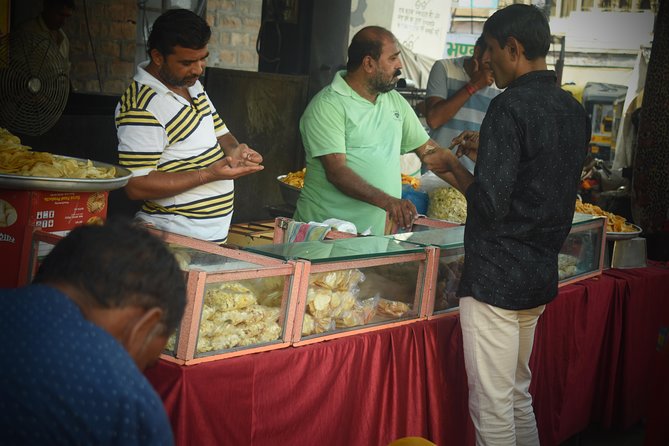
The guide name that shows up often is Abdul. What stands out is not just that he explains the food, but that he connects it to daily life and gives you room to ask questions. In particular, people highlight his passion and the way he can answer questions while guiding you through a rushed city environment.
There’s also mention of humor and a playful approach at the first meetup (a prank of sorts, lighthearted). If you’re the type who prefers strictly serious experiences, that might feel odd at first. If you’re traveling to have fun and you can read a friendly vibe, it usually lands well.
Most importantly, the guide is positioned as a safety partner. You’re walking through active areas, crossing streets, and stopping often enough that you can actually taste and listen. A good guide keeps you moving but not rushing, and helps you avoid the “we lost each other” problem that happens when you try to do these areas solo.
Price and Value: Is $22 a Smart Use of Evening Time?
At $22, this isn’t a high-cost luxury food experience. It’s a guided tasting walk. The real value comes from what you get plus what you avoid.
You avoid the hardest part of street food travel: figuring out where to go and what to order. Without guidance, you might spend time wandering and end up with the wrong shop, the wrong spice level, or a place that doesn’t feel safe. Here, you’re paying for a guided path that includes multiple tastings and built-in structure.
What’s included:
- Bottled water
- Coffee and/or tea
What’s not included:
- Your expenses (meaning any items beyond the included tastings or drinks)
So the financial logic is simple: if you like variety, you’ll usually get your money’s worth because you’re not paying for one item. You’re paying to sample different parts of Jaipur’s street-food identity in a manageable time window.
Group size (up to 20) also supports value. Smaller groups generally mean smoother pacing and more direct attention when you ask questions.
Who This Tour Fits Best (and Who Might Prefer Something Else)
This is a great fit if:
- you want Jaipur flavor variety without planning every stop
- you like eating while also learning why the food matters
- you enjoy walking and don’t mind crowds for a couple hours
- you want a guide’s help with safety and route navigation
It might be less ideal if:
- you dislike street environments or narrow lanes
- you’re extremely sensitive about hygiene and want zero ambiguity
- you prefer to sit down and eat without walking between stops
If you’re traveling with a parent, a friend, or anyone who’s curious but not sure where to start, this style of tour can be a confidence boost. It gives you a guided framework so you can focus on tasting instead of troubleshooting.
Should You Book Feast on the Streets in Jaipur?
I’d book this if your goal is to leave Jaipur with a real food memory, not just a few snacks. The strongest reasons are the structure: landmark-to-culture-to-bazar, multiple tastings (including chaat, chole bhature, masala chai, and sweets), and a guide who’s praised for explaining and keeping people safe.
If hygiene is your biggest anxiety, don’t ignore it. Bring a small safety kit, ask questions, and trust your instincts on where you’re eating and how the guide handles the flow. The tour can be a fantastic value, and it’s designed to be fun even when streets get busy.
FAQ
Where does the tour start?
It starts at Tripolia Gate in the Tripolia Bazar area (Badi Choupad, J.D.A. Market, Pink City, Jaipur).
How long is the Jaipur food tour?
It runs about 2 hours 30 minutes.
How much does it cost?
The price is listed as $22.
Is the tour on foot?
Yes. You travel on foot and stop to sample food along the way.
What foods are included?
You can expect traditional street-food tastings such as chaat, chole bhature, and Indian sweets.
What drinks are included?
Bottled water is included, and coffee and/or tea are included. Masala chai is also part of what you’ll sample.
What is the group size limit?
The tour has a maximum of 20 travelers.
Is there a mobile ticket?
Yes, the tour uses a mobile ticket.
What are the daily operating hours?
The opening hours are listed as Monday–Sunday, 7:00 AM to 10:00 PM.
What’s included versus not included?
Included items are bottled water and coffee and/or tea. Your personal expenses are not included.
Where does the tour end?
It ends back at the meeting point (Tripolia Gate / Tripolia Bazar area).