REVIEW · JAIPUR
Culture and Heritage Walk | Pink City Jaipur
Book on Viator →Operated by Nomadic Tours India · Bookable on Viator
Jaipur feels quieter on foot. This Pink City culture walk strings together outside-photo views of Hawa Mahal, old bazaars, and the kind of daily-life stops that don’t show up on most quick sightseeing lists. It’s built for wandering at a human pace, with stories about the city you can actually use as you explore later.
I especially like the way you hit famous markets where you can see what people make and buy, including antique and metal-work related bazaars. The tour also leans hard into snacks, sweets, and long-running food stalls, so you get tastes as you go, not just pictures and history talk.
One thing to consider: it’s a mostly outdoor walking experience, so you’ll want comfortable shoes and patience for 3 hours of street-level wandering, especially if the weather isn’t cooperating.
In This Review
- Key things to know before you walk the Pink City
- Starting at Golcha Cinema: get your bearings fast
- Hawa Mahal from the curb: a photo stop with real context
- Bapu Bazar: where Jaipur trade shows up in your shopping eyesight
- Tripolia Bazar by the Wind Palace lanes: antiques, tools, and metal for worship
- Johri Bazaar: the jewelry engine of the Pink City
- Tea, temples, and the sweet-tooth side of Jaipur
- How the guide turns lanes into stories (and which names you might hear)
- Timing and pace: what 3 hours really feels like
- Price and value: is $20 worth it?
- Who should book this walk in Jaipur?
- Quick decision: should you book?
- FAQ
- How long is the Pink City Jaipur culture and heritage walk?
- Where does the tour start and end?
- Is the ticket mobile?
- How many people are in the group?
- Will we go inside Hawa Mahal?
- What do we do during the walk besides sightseeing?
- What is the cancellation policy?
Key things to know before you walk the Pink City
- Small group size (up to 10) keeps it conversational and easier to ask questions without getting swept along.
- Hawa Mahal is outside-only: quick stop for photos and context, not an entry-ticket detour.
- Focused bazaar route takes you through craft, market, and specialty lanes like Bapu Bazar, Tripolia Bazar, and Johri Bazaar.
- Food and sweets are part of the plan, including legendary long-running shops and street snacks.
- Guides are local and show you what to notice, from tiny architectural clues to everyday trade details.
- Meeting point is easy to find at Golcha Cinema in the Pink City near Bapu Bazar, and the walk returns to the same spot.
Starting at Golcha Cinema: get your bearings fast
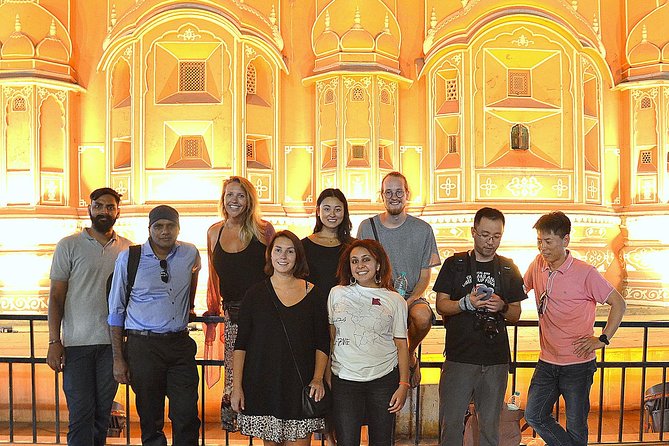
You’ll meet at Golcha Cinema on Chaura Rasta Rd, near New Gate and Bapu Bazar. That’s a good choice because you’re dropped right into the middle of the old-city feel, not sent across town to start your walk.
The tour runs with a mobile ticket, and you should receive confirmation at booking time. It’s also near public transport, which matters in Jaipur where traffic can be a wild card.
Because the route is an old-city loop, you don’t have to worry about figuring out how to get back at the end. The walk ends back at the same meeting point, which keeps the day simpler.
You can also read our reviews of more walking tours in Jaipur



Hawa Mahal from the curb: a photo stop with real context
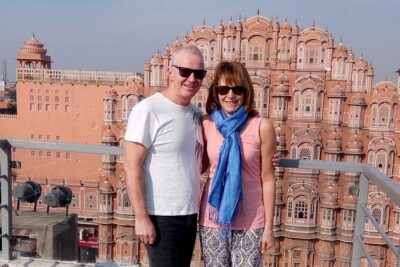
The first big landmark stop is Hawa Mahal (Palace of Wind). You’ll see it from the outside, then pause briefly for pictures while the guide shares history and how to read the building’s role in Jaipur.
This is short and practical by design. You get the iconic look without adding a long museum-style wait, and you’ll be walking deeper into the old lanes right after.
If you were hoping to go inside the monument, plan differently. This tour is built around city streets, markets, and everyday heritage, so Hawa Mahal is a backdrop and a starting signal for the rest of the walk.
Bapu Bazar: where Jaipur trade shows up in your shopping eyesight
Next up is Bapu Bazar, a market stop focused on products that are famous from Jaipur and items that come in from nearby village areas. The value here isn’t shopping for the sake of it. It’s learning how Jaipur’s economy connects to craft work, materials, and the regional supply chain.
You’ll also get the kind of guidance that helps you avoid the usual tourist trap of walking past stalls without noticing what makes them special. Think: what different goods are made from, what kind of work people do there, and how that connects to the city’s identity.
Time is short for this stop, so come with an open mind. If you like browsing, you’ll have just enough time to feel the market rhythm. If you’re dead-set on buying something specific, you might want a separate follow-up visit later.
Tripolia Bazar by the Wind Palace lanes: antiques, tools, and metal for worship
From there you head to Tripolia Bazar, located next to the Wind Palace area. This market is known for antiques, utensils, locks, and metal products used for worship.
That last part matters. You’re not just looking at objects for decoration—you’re seeing things that have practical and religious roles. The guide’s storytelling helps you connect the street objects to daily life and ritual, which makes the bazaar feel more understandable.
This is also one of those places where you’ll likely feel how the market sits inside older Jaipur rhythms. The narrow lanes and workshop-type stalls are hard to “discover by accident” if you’re wandering alone, so the guided pacing helps you notice details quickly.
Johri Bazaar: the jewelry engine of the Pink City
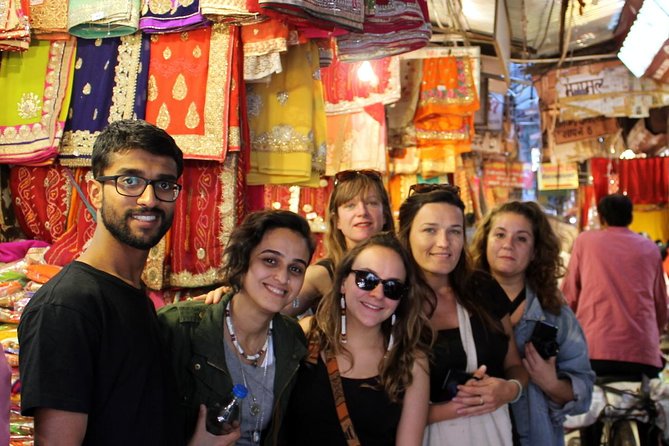
Then comes Johri Bazaar, an old market closely tied to Jaipur’s jewelry economy. You’ll hear that jewelry is one of the city’s oldest sources of trade and that it started here around 150 years ago.
If you’ve ever wondered why Jaipur feels so closely linked to gems and metalwork, this is where the story becomes clear. Jewelry isn’t just a souvenir category here; it’s part of how Jaipur makes money and how families pass skills down through time.
At this stop, I’d focus less on comparing prices and more on learning what you’re looking at. The guide can help point out what kinds of pieces are typical, and what materials and styles mean in local terms.
Also, keep your expectations realistic: 15 minutes is enough to understand the trade and spot the look of the market, not enough for a full shopping spree.
You can also read our reviews of more city tours in Jaipur





Tea, temples, and the sweet-tooth side of Jaipur
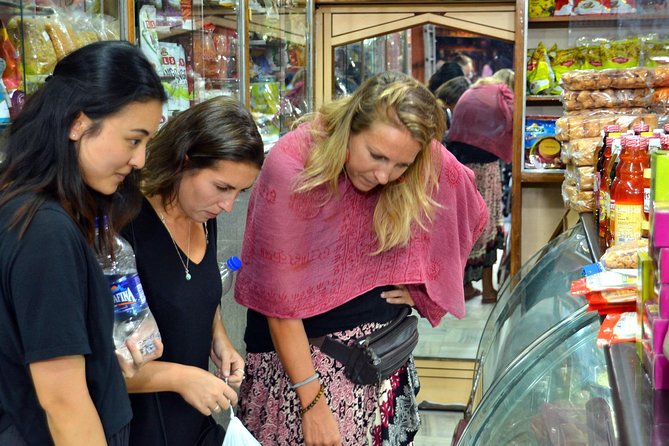
Between the landmark and bazaar stops, the walk builds in food. The experience is designed around snacks, sweets, and legendary shops that have been running for 50+ years, plus little pauses that turn the route into an actual “walk and taste” plan.
In practice, that means you’ll likely stop in places where locals snack, not just tourist counters. One review-style detail you’ll probably feel on the ground is how guides guide you to spots you wouldn’t dare enter or would miss if you didn’t know what to look for.
You may also get small moments like tea drinking as part of the cultural pace. These are short stops, but they break up the walking and give you a calmer way to watch what’s happening around you.
If you have a strong sweet tooth, this part is a win. Jaipur is a city where food shops are almost like landmarks, and this tour treats them that way.
How the guide turns lanes into stories (and which names you might hear)
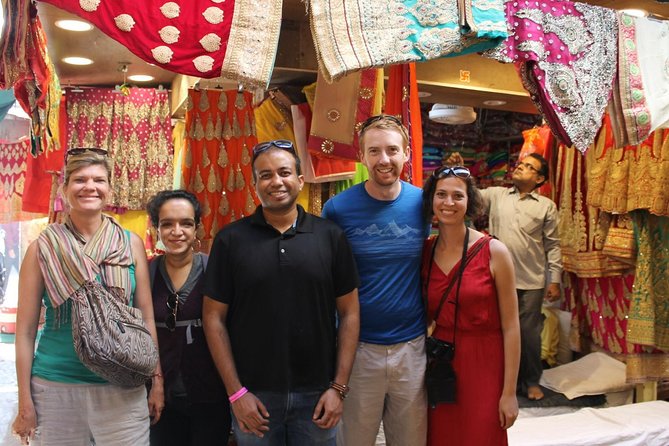
A big reason this works is the guidance. The tour is led by a guide team that can include a female guide, and multiple tour guides have been mentioned in real bookings—people like Harshit, Deepak, and Ayush/Aayush.
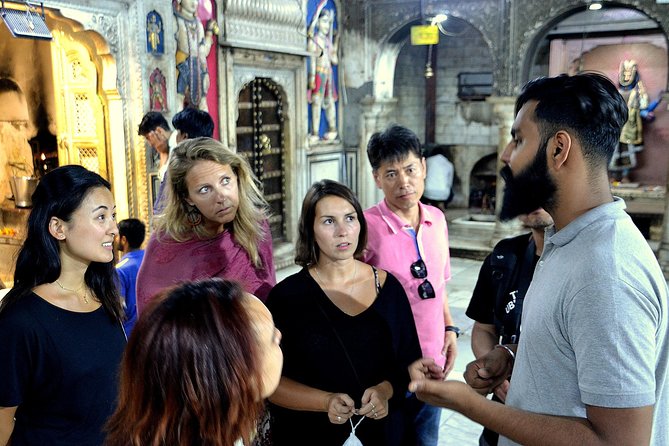
What you’re paying for here isn’t just directions. It’s the small bits of context that make the city feel legible: why certain streets exist, what a building detail means, and how daily trade connects to heritage. Guides also tend to be upbeat and talkative, which helps if you’re traveling solo or you don’t want to feel awkward in a group.
One standout theme is how guides take you to streets and corners that are hard to spot by yourself. That’s not about secret doors; it’s about learning which alleys are worth your time and which ones are noise without payoff.
Timing and pace: what 3 hours really feels like
The schedule lists brief monument and bazaar stops, but the experience overall feels longer because the walking and story time add up. You’re looking at about 3 hours total, with enough movement that you’ll want comfortable shoes.
This tour also has a weather requirement. If the skies don’t play nice, you may be offered another date or a refund. Jaipur in summer or monsoon season can be tricky, so check conditions and plan your day around the walk.
If you can, pick a time that fits your energy level. The Pink City can look especially good in the evening when lights soften the streets and the whole area feels calmer and prettier than in harsh midday sun.
Price and value: is $20 worth it?
At $20 per person, this is priced like a straightforward walking tour, but it includes the ingredients that usually cost extra elsewhere: guided market navigation, short landmark context, and built-in time for snacks and sweets from longstanding shops.
If you’re the kind of traveler who likes to understand how the city works—craft economy, street-level worship objects, why certain markets matter—this can feel like a bargain. You’re not just collecting photos; you’re learning what to notice while you’re still standing in the place.
If you’re only after one or two famous sights with minimal walking, the value might feel less sharp. This is a “see Jaipur through its markets and daily rhythm” experience, not a museum-bag checklist.
Who should book this walk in Jaipur?
This tour is a great match if you want:
- A guided way to explore old-city bazaars without feeling lost
- A street-food and sweet-shop focused introduction to Jaipur
- A small group experience where you can ask questions and actually talk to the guide
It’s especially good as a first day activity. You’ll come away with a sense of how markets, crafts, and religious life are woven into the city’s layout, which makes your later independent wandering easier.
Quick decision: should you book?
Book it if you want a gentle-but-engaged way to learn Jaipur beyond the big names. The combination of markets + food/sweets + city storytelling is exactly the kind of “I’ll remember this” experience that pays off when you keep exploring after the walk.
Skip it or swap to a different plan if you dislike walking, need lots of indoor time, or expect the major monuments to be fully ticketed stops. This one is built for the lanes—so bring comfortable shoes and a snack-friendly mindset.
FAQ
How long is the Pink City Jaipur culture and heritage walk?
It runs for about 3 hours.
Where does the tour start and end?
It starts at Golcha Cinema on Chaura Rasta Rd, New Gate, Bapu Bazar, Jaipur, and ends back at the same meeting point.
Is the ticket mobile?
Yes, you’ll use a mobile ticket.
How many people are in the group?
The tour has a maximum group size of 10 travelers.
Will we go inside Hawa Mahal?
No. You’ll see Hawa Mahal from the outside and stop for pictures, with admission listed as free.
What do we do during the walk besides sightseeing?
Most of the time is spent on markets and local products, plus snacks and sweets from well-known shops and food stalls.
What is the cancellation policy?
You can cancel for a full refund if you cancel at least 24 hours before the experience starts. Free cancellation is available, but less than 24 hours before start isn’t refunded.