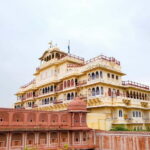
Jaipur reveals itself on foot. This is a smart, no-frills way to see more than the postcard bits—Amber Palace is your big first stop, and I especially loved the way Panna Meena ka Kund makes history feel tangible with its stepwell geometry. Guides like Hasseb and Mudassir keep the story moving in English or Spanish, with explanations that connect the buildings to daily life.
The main thing to think about is that it’s truly a walking route. Good weather matters, and the ground includes stairs and uneven edges around forts and stepwells, so comfy shoes are non-negotiable.
In This Review
- Key things I’d circle before you go
- Walking From Amer Fort: The 3-Hour Shape of Your Day
- Quick reality check on time
- Stop 1: Amber Palace (Amer Fort) and What to Watch For
- Admission note you should confirm
- How to get more out of the visit
- Stop 2: Panna Meena ka Kund Stepwell Geometry and Rainwater Logic
- What to pay attention to here
- Stop 3: Jagat Shiromani Ji Temple and the Meera Bai Thread
- Why this stop is more than a quick photo
- Stop 4: Anokhi Museum of Hand Printing and Wood-Block Craft
- What I like about ending here
- Price and Logistics: Is $25 a Smart Deal?
- What makes the pricing feel fair
- Pickup, Mobile Tickets, and What to Bring for a Comfortable Walk
- Language options matter
- Who This Tour Is Best For (and Who Might Prefer Something Else)
- Should you book Vintage Walk Amber?
- FAQ
- How long is the Vintage Walk Amer tour?
- How much does the tour cost?
- Does the tour offer pickup?
- Where does the tour start and end?
- What sites are included in the itinerary?
- Are admission tickets included?
- Do I need a printed ticket?
- Is this tour private?
- Is the tour near public transportation?
- What if the weather is bad?
Key things I’d circle before you go
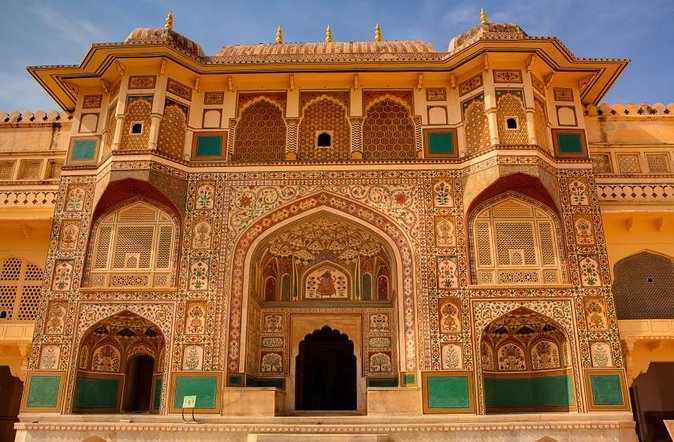
- Amber Fort focus, not a random grab-bag: you’re taken through the main ideas of the place in a short time.
- Panna Meena ka Kund’s stepwell symmetry: the design is the star here, not just another photo spot.
- Temple context tied to Meera Bai: you learn why Jagat Shiromani Ji matters and who built it.
- Wood-block printing culture at Anokhi Museum: it turns sightseeing into craft knowledge.
- Private, small-group vibe: it’s only your group, so questions are easier to ask.
- English and Spanish support: you can match the guide’s language to your comfort level.
Walking From Amer Fort: The 3-Hour Shape of Your Day
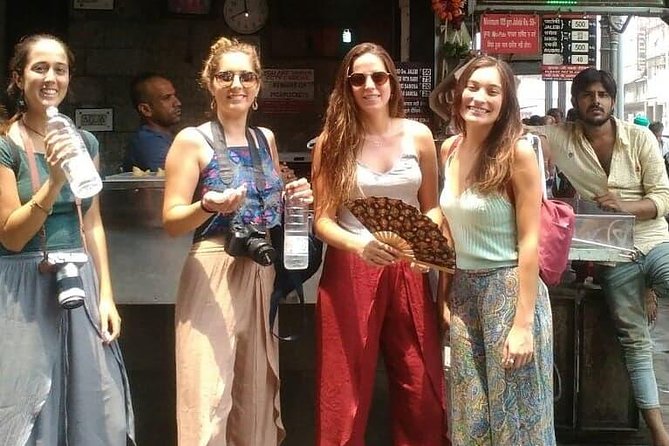
Vintage Walk Amber is built for people who want depth without spending an entire day trapped inside a schedule. At about 3 hours, you get a compact circuit starting and ending back around Amer Fort—plus the route is on foot, which naturally slows you down enough to notice details you’d miss from a vehicle.
I like that this tour doesn’t pretend you’ll see everything in Jaipur. Instead, it picks a few sites in Amer that help you understand how power, faith, and craft show up in real space—fortifications first, then water design, then temple meaning, then printing heritage.
You’ll also get a mobile ticket, and pickup is offered. The tour uses the Amer Fort start point (Devisinghpura, Amer), so if you’re building a day plan, keep the area as your base.
You can also read our reviews of more walking tours in Jaipur



Quick reality check on time
The posted time is approximate, and walking pace plus questions affect the flow. Plan to arrive a few minutes early so you start calm, not sprinting—especially in the morning heat.
Stop 1: Amber Palace (Amer Fort) and What to Watch For
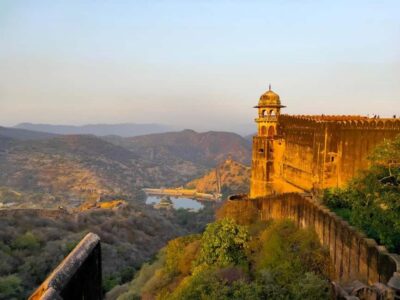
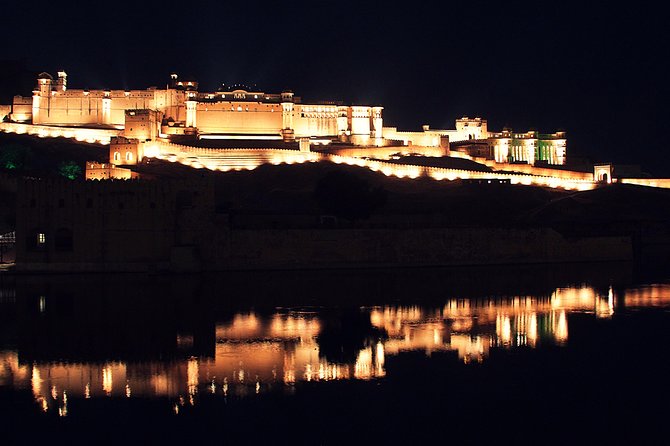
Amber Palace—often called Amer Fort—is the anchor of the route, and for good reason. It sits high above the town, so even before you get inside the main areas, you get the sense of control: visibility, defense, and status all wrapped into one hillside position.
This stop runs about 45 minutes, which is short compared to a full self-guided day at the fort. The trade-off is that your guide’s job is to point out the key corners and explain how the fort’s design and history connect to Jaipur’s wider story.
Admission note you should confirm
The info you’ll see includes a mixed signal about entry. The itinerary lists admission ticket included for Amber Palace, but the exclusions also say entrance for Amber Palace isn’t included. Before you show up, confirm what your booking specifically covers. Either way, you’ll want to budget a little extra just in case.
How to get more out of the visit
When your guide is talking, don’t just listen—look up and look around. Focus on the way the fort’s layout emphasizes structure and movement. A guided route works best when you treat it like a guided walk-through of ideas, not just a checklist of sights.





Stop 2: Panna Meena ka Kund Stepwell Geometry and Rainwater Logic

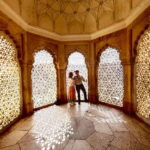
Panna Meena ka Kund is where the tour becomes visually fun in a very practical way. You’re stepping into a historic stepwell and rainwater catchment system known for its symmetrical stairways. The design isn’t random: it’s built for water management, and the symmetry makes it feel almost like a planned stage set.
This stop is around 20 minutes, and you’ll usually get enough time to see the layout from different angles without feeling rushed. If you like architecture that has a job—cool water, storage, access—this is the kind of stop you’ll remember.
What to pay attention to here
- The symmetry of the stairs and how it frames the space below
- The idea that this wasn’t built for sightseeing first; water logistics drove the design
- The fact that the stonework creates a cool, shaded break from the sun
Because it’s a stepwell, wear shoes with solid grip. Stairs and steps can be uneven, even if the site looks neat and orderly.
Stop 3: Jagat Shiromani Ji Temple and the Meera Bai Thread
Next up is Jagat Shiromani Ji Temple, a Hindu temple connected to Meera Bai in its dedication. The temple is dedicated to Hindu gods Meera Bai, Krishna, and Vishnu, and it was constructed between 1599–1608 AD by Queen Kanakwati, wife of King Man Singh I. It was built in memory of their son Jagat Singh.
This stop is about 15 minutes, so you’re not looking at a long worship experience. Instead, you’re getting context—why the temple exists, who financed it, and how devotion and royal family memory were tied together in the building itself.
Why this stop is more than a quick photo
A lot of temples can feel like stop-and-go sightseeing. Here, the meaning matters because your guide connects it to people: queen Kanakwati, King Man Singh I, and the son who is remembered through the temple.
You’ll likely notice how the space is used as a living religious site, not just an artifact. That’s where the cultural learning part becomes real.
Stop 4: Anokhi Museum of Hand Printing and Wood-Block Craft
The final stop is Anokhi Museum of Hand Printing. Instead of another monument, you shift to craft—specifically wood-block printing—inside a traditional townhouse setting. This is where the tour turns from monuments to making.
The museum stop runs about 20 minutes, which is enough time to understand the basics of wood-block printing and why it’s considered important cultural heritage in India. It also helps if you want your trip to include something hands-on in spirit, even if you’re not actually printing during the visit.
What I like about ending here
Amber and the stepwell teach you about structure and resources. The museum teaches you about the culture of repetition: patterns, techniques, and skilled work passed through time. It’s a nice mental reset at the end of a walking day.
If you care about design, textiles, or how everyday items carry history, this stop is a strong closer.
Price and Logistics: Is $25 a Smart Deal?
At $25 per person for roughly 3 hours, this tour is priced for value rather than luxury. What you’re paying for is a guide-led walk that compresses four meaningful stops into a clear route, with all fees and taxes listed as included.
The one caution is the entry question around Amber Palace. Because the details conflict, you should confirm your included admission at booking. If Amber Fort entry ends up being extra, the value still may work for you, but it’s best to know before you’re standing at the gate.
What makes the pricing feel fair
- You get multiple stops in a short time without needing to plan transport between them
- It’s a private tour for your group, so you’re not squeezed into a crowd rhythm
- You have structured time at each location, including a cultural craft museum
For travelers who like learning while moving, this price point tends to make sense.
Pickup, Mobile Tickets, and What to Bring for a Comfortable Walk
This tour offers pickup, and it’s also near public transportation. You’ll receive a mobile ticket, which helps if you prefer paperless check-in.
Since the day is mostly walking, bring what keeps you moving:
- Comfortable, grippy shoes
- Water (especially if you’re out during hotter hours)
- Sun protection (hat or light sunscreen)
Also, set your expectations: it’s a guided walking route. You won’t be sitting down for long stretches, and you’ll want to stay alert on stairs and uneven stone.
Language options matter
From the experiences shared by people who booked the tour, guides such as Hasseb and Mudassir have delivered explanations in English and Spanish. If you’re choosing between guides, language comfort can seriously affect how much you absorb.
Who This Tour Is Best For (and Who Might Prefer Something Else)
This is a great fit if you want:
- A focused Amer area route rather than a whole-city sprint
- Cultural and historical explanations tied to real places
- A gentle pace for asking questions, especially with private-group format
It’s also ideal for people who feel overwhelmed by Jaipur’s sheer number of sights. You get a curated slice, and it teaches you how to read the place.
If you’re the type who wants to wander for hours through every corridor and angle with zero structure, you might find the time tight. Amber Fort alone can take longer than 45 minutes if you like slow exploring.
Should you book Vintage Walk Amber?
I think you should book this tour if you like walking, short guided stops, and learning the why behind the where. The strongest part of the experience is the way guides (including Hasseb and Mudassir) can explain history and culture clearly in English or Spanish while keeping the route practical.
You should also consider booking if you’re value-minded. Four stops in about 3 hours for $25 with fees and taxes included is hard to beat—just don’t ignore the admission details around Amber Palace. Confirm what’s included so there are no surprises at the fort.
If you’re ready for a compact, thoughtful Amer-focused morning, this one is a good bet.
FAQ
How long is the Vintage Walk Amer tour?
It’s listed as about 3 hours (approx.).
How much does the tour cost?
The price is $25.00 per person.
Does the tour offer pickup?
Yes, pickup is offered.
Where does the tour start and end?
It starts at Amer Fort (Devisinghpura, Amer, Rajasthan 302028, India) and ends back at the meeting point.
What sites are included in the itinerary?
The itinerary includes Amber Palace, Panna Meena ka Kund, Jagat Shiromani Ji Temple, and Anokhi Museum of Hand Printing.
Are admission tickets included?
All fees and taxes are listed as included, and the itinerary shows admission tickets included for the stops. However, the exclusions also mention that Amber Palace entrance is not included, so it’s worth confirming what your booking covers.
Do I need a printed ticket?
No. You’ll receive a mobile ticket.
Is this tour private?
Yes. It’s a private tour/activity, and only your group participates.
Is the tour near public transportation?
Yes, it’s listed as near public transportation.
What if the weather is bad?
The experience requires good weather. If it’s canceled due to poor weather, you’ll be offered a different date or a full refund.