REVIEW · CITY PALACE JAIPUR
Jaipur: Private Full-Day Sightseeing Tour by Tuk-Tuk
Book on GetYourGuide →Operated by Rajasthan Tour Driver · Bookable on GetYourGuide
Jaipur in a tuk-tuk beats the usual checklist. This private full-day plan strings together the city’s biggest hits—Hawa Mahal, City Palace, Jantar Mantar, Amber Fort, and more—without you wrestling traffic or figuring out parking. I also like that you can choose the vibe: an open-air tuk-tuk for street views or an AC car when the heat is doing its best work.
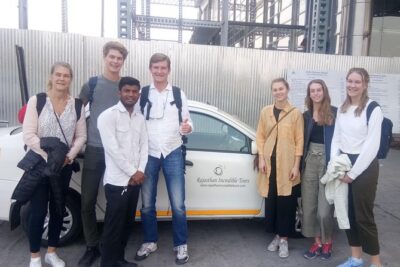
The best part is how flexible the day feels. The landmarks are set, but your driver can pace breaks, photo stops, and time to wander so you’re not rushing from one photo spot to the next. In the reviews, English-speaking drivers and guides are repeatedly singled out by name—Shabeer, Shabbir, Soni, Khalid, Imran, Ali, and others—and the common thread is patience and clear explanations.
One caution: monument entrance fees and camera fees are not included, and there’s a moderate amount of walking (plus some uphill areas around Amber). If you have mobility limits or you’re not up for heat and stairs, this is worth thinking through before you book.
In This Review
- Key Things To Love About This Jaipur Tour
- How the tuk-tuk or AC car changes your Jaipur day
- Hotel pickup and the route that keeps you from wasting hours
- Hawa Mahal: the wind palace and why the windows matter
- City Palace and Jantar Mantar: royalty meets ancient astronomy
- Jal Mahal stop: a calm pause with photo ops
- Amber Fort and Panna Meena Ka Kund stepwell: the hard-to-forget part
- Pink City strolling, markets, and keeping shopping respectful
- What to bring (and how to dress) for temples and forts
- Price and value: what $2.70 buys and what you still pay for
- Who this tour fits best (and who should skip)
- Should you book this Jaipur private full-day sightseeing tour?
- FAQ
- What’s included in the tour price?
- Are entrance fees to monuments included?
- Is lunch or food included?
- Can I choose between a tuk-tuk and an AC car?
- What languages are available for the guide/driver?
- Do I need a passport?
- Is the tour wheelchair-friendly?
- Are there health or mobility restrictions?
Key Things To Love About This Jaipur Tour
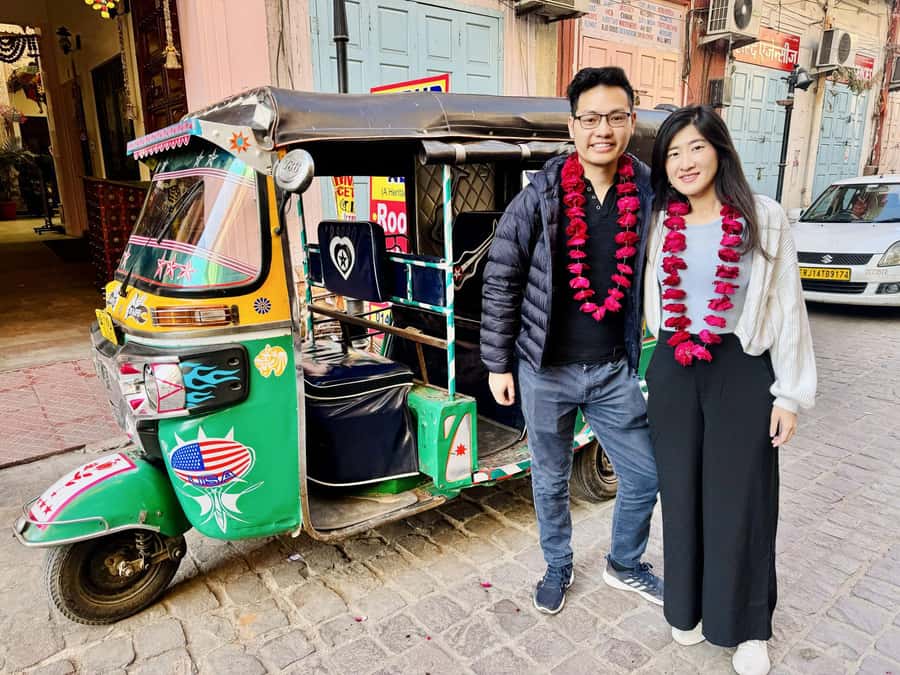
- Tuk-tuk option, without the stress: You get the street-level experience while someone else handles routing and driving.
- Icon sights built into one full day: Hawa Mahal, City Palace, Jantar Mantar, Jal Mahal, Amber Fort, and Panna Meena Stepwell are all in.
- English-speaking guidance that keeps you moving: Guides such as Shabeer, Soni, and Khalid are praised for explaining what you’re seeing.
- Time for photo stops and side errands: You may get chances for quick stops for pictures and glimpses of local workshops.
- Pace that can bend with you: Multiple reviews mention adapting when it rains or when priorities change.
How the tuk-tuk or AC car changes your Jaipur day
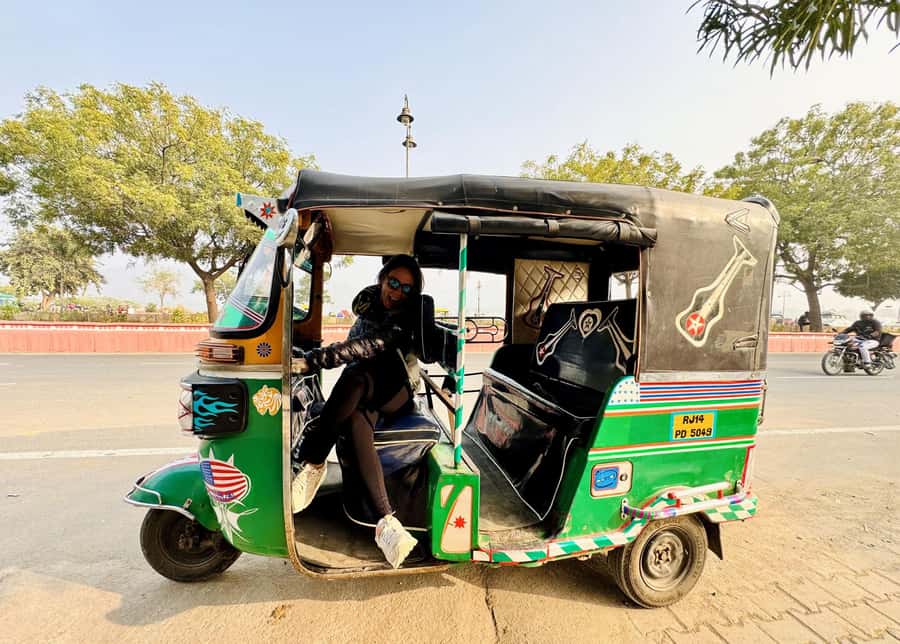
Choosing tuk-tuk vs. AC car isn’t a small detail in Jaipur. In a tuk-tuk, you feel the city move around you—door-to-door through lanes, turning corners fast, and catching quick views you’d miss from a car window. It’s also a great way to make Jaipur feel less like a checklist and more like a real day on the ground.
If you pick the AC car, you trade some airiness for comfort. That matters when midday sun ramps up or if you’re traveling in hotter months. Either way, the tour is private, so you’re not stuck waiting for other people’s bathroom breaks or debates about which photo angle is best.
One practical note: tuk-tuks can be fun, but they also mean you’ll be more exposed to dust and the sun. Bring sunscreen, drink water, and wear real shoes. You’ll be walking, especially at forts and observatories where you’ll want your footing.
Hotel pickup and the route that keeps you from wasting hours
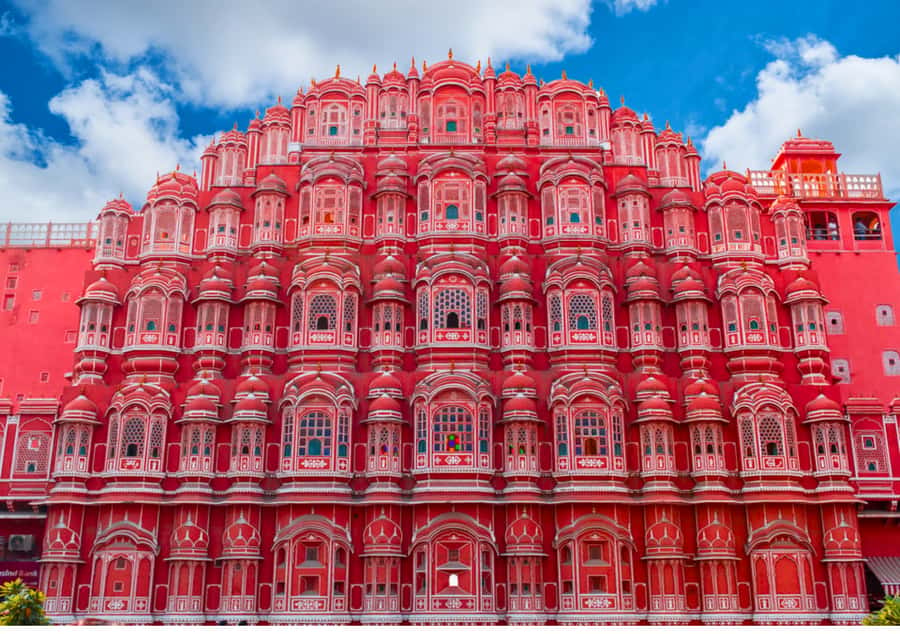
This is set up for an easy start: you get hotel/airport/railway station pickup and drop-off at your chosen time. That matters because Jaipur can eat time fast when you’re trying to coordinate transport on your own—wrong turn, parking hunt, or the wrong bus stop.
A full-day route works here because the key sights are arranged to minimize backtracking: you start with the most famous “wow” buildings in town, then move into the fort area near Amber, and you get a scenic water stop along the way. You also end up with some open time to stroll the Pink City lanes rather than only standing behind ropes.
The trade-off is that it’s a long day. The tour is built around many major stops, so you’ll want to balance your ambition with rest breaks. If you’re the type who likes to spend 30 minutes in a monument hall, this is where you’ll decide what to rush and what to slow down.
Hawa Mahal: the wind palace and why the windows matter
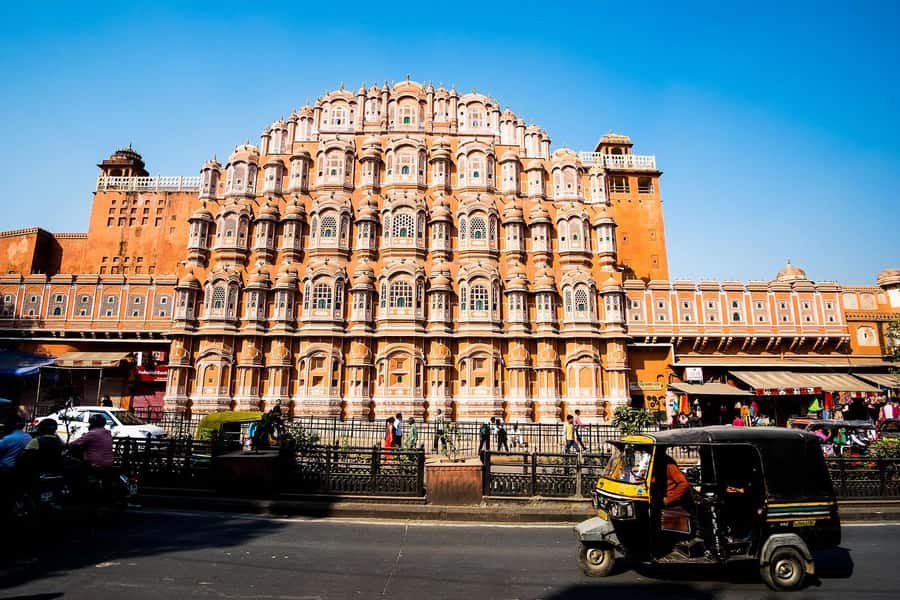
Hawa Mahal is the Jaipur showpiece you’ll recognize even if you’ve never been. It’s the honeycomb-like facade known as the Palace of Winds, built more than 220 years ago, with 953 intricately designed windows. When you stand in front of it, the structure isn’t just pretty—it’s a design solution. Those window openings are part of how the building interacts with light and air.
On this tour, you head there early enough to make it feel special, not like a quick photo stop. You’ll be able to take photos, but the real value is understanding what you’re looking at: the facade is more than decoration. It’s a functional architectural statement from Jaipur’s royal era.
Consider this drawback: the experience is mostly exterior viewing. If you love getting deep inside buildings, you may want to pair this tour with a different add-on later for interiors. But if you want the instant “I’m in Jaipur” moment, Hawa Mahal delivers.
City Palace and Jantar Mantar: royalty meets ancient astronomy
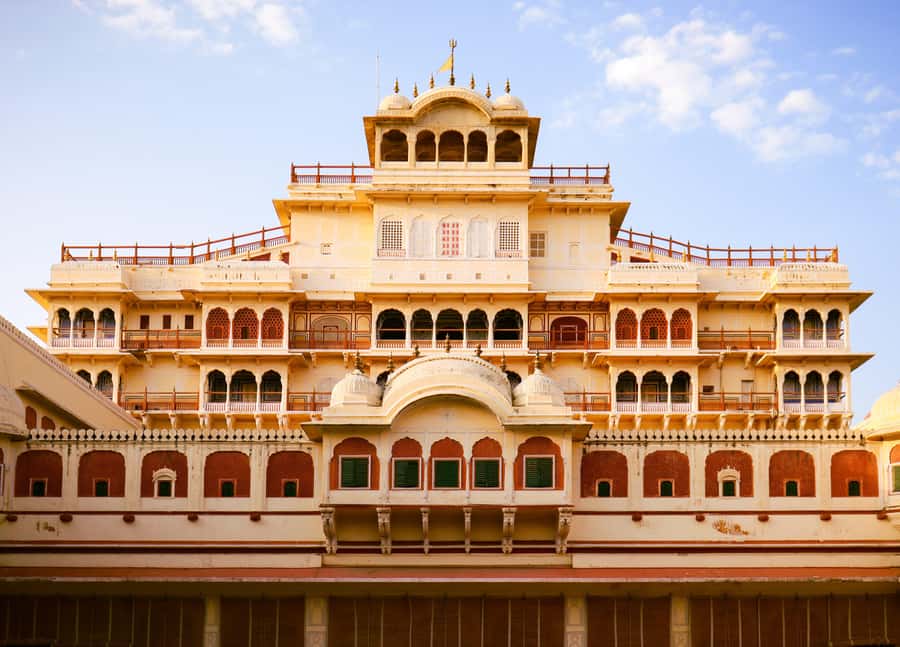
Next up is the City Palace complex, a large royal site made up of multiple residences and halls. The complex includes spaces like Mubarak Mahal, Chowk, Chandra Mahal, Diwan-i-Khas, and Maharani Palace. It’s not one single palace room—it’s a whole royal neighborhood. That’s why it feels big, and why having a guide who can explain what you’re seeing helps you avoid getting lost in the scale.
Then you visit Jantar Mantar, a UNESCO World Heritage-listed astronomical observatory. Built in the 18th century, it’s famous for its large instruments designed to measure time and track celestial bodies. You’ll see architecture that looks like science equipment. It’s also a rare stop where you’re not just looking at royal power—you’re seeing how people studied the sky.
Two things to keep in mind:
- You’ll likely do more walking around open-air instruments, so comfortable shoes matter.
- This is one of those places where a good explanation turns it from “cool shapes” into “oh, that’s what they were trying to measure.”
If you want a day that mixes sightseeing with ideas, this pairing is a strong one.
Jal Mahal stop: a calm pause with photo ops
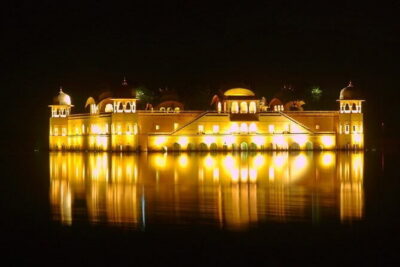
Between town sights and the fort area, the tour includes a stop at Jal Mahal, the palace sitting in the water. You’ll have time to view it and take photos, with a more peaceful mood than the city monuments behind you.
This stop can be short, but it works for a reason: it gives your brain a break. You’ve been absorbing architecture, crowds, and lots of visual details. Jal Mahal lets you reset, and the reflections and water setting usually make for great pictures.
One consideration: because it’s a scenic viewing stop, it’s not like you’re touring a palace inside. If you’re expecting a full interior experience here, you might be disappointed. But if you want a scenic moment in the middle of a very busy day, it’s a smart add.
Amber Fort and Panna Meena Ka Kund stepwell: the hard-to-forget part

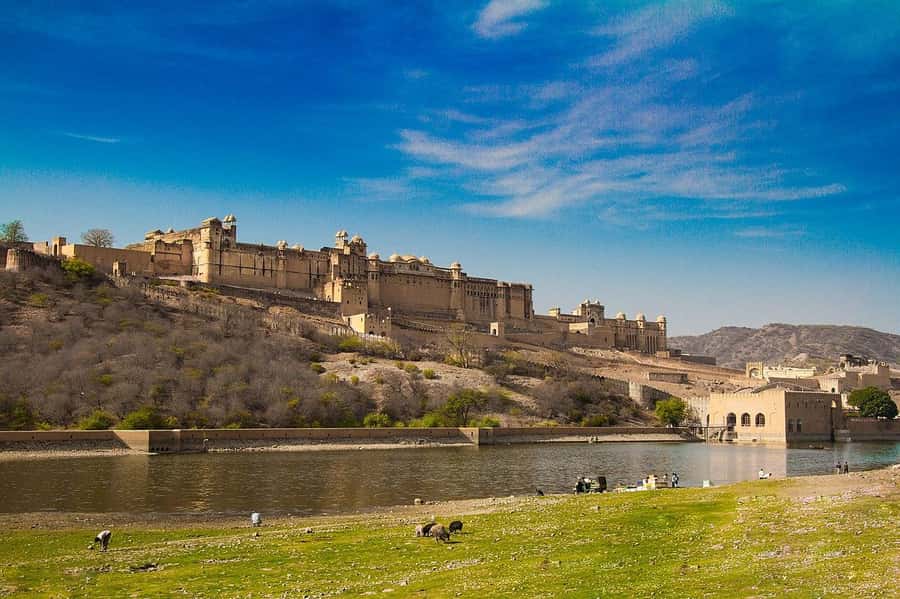
Amber Fort is a principal attraction for a reason. It’s perched on a hill, so the approach alone builds the anticipation. Once you’re there, you’ll explore with your guide, and you’ll hear stories and background that make the fort feel less like a postcard and more like a lived-in power center.
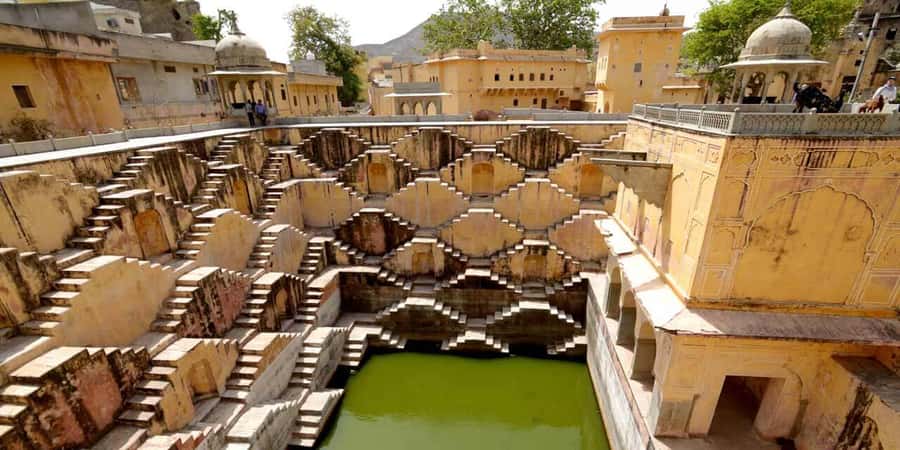
The tour also includes time at Panna Meena Ka Kund, a stepwell near Amber Fort. Stepwells are practical infrastructure, but in Jaipur the artistry is obvious—this one is known for its symmetry and architectural design. For many people, this is the stop that surprises them most, because it’s quieter than the big-ticket sights and feels more intimate.
A practical tip from experience: at Amber Fort, some people get pulled toward quick transport options. If you’re offered rides up the hill (like jeeps), it can be faster to walk up rather than get stuck in traffic waiting for vehicles. One guide’s advice you’ll hear from locals is that walking can save time and keep your energy budget under control.
Keep expectations real: this is where you’ll likely do more walking, and it’s also where the ground can be uneven. If you’re visiting in hotter weather, plan to slow down, drink water often, and use your photo time wisely.
Pink City strolling, markets, and keeping shopping respectful
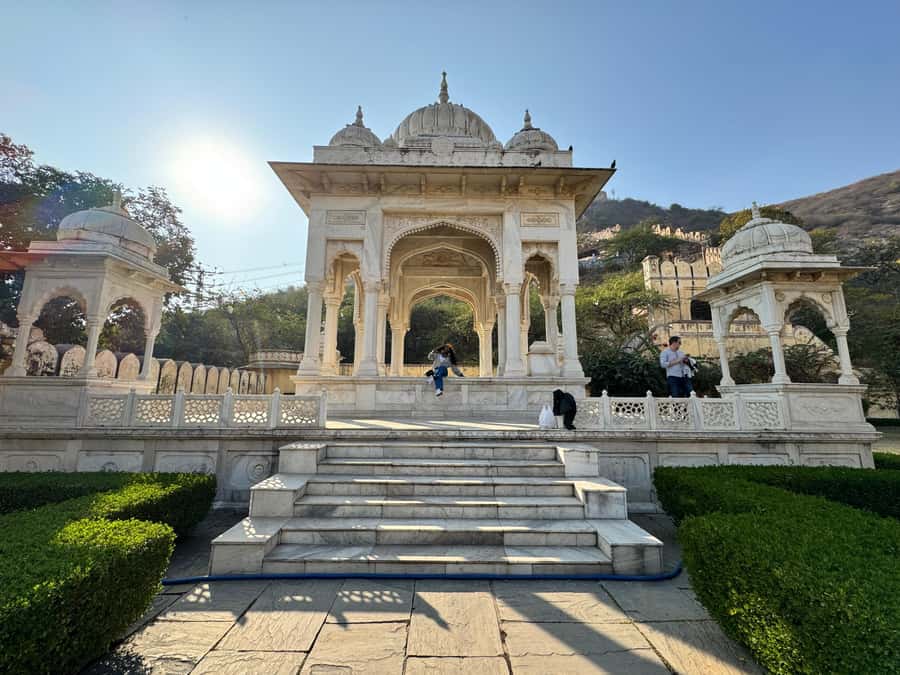
One of the nice things about this tour is that it isn’t only “stand and pose.” You get time to stroll through the Pink City streets and interact with local life. That can mean quick conversations with shopkeepers, looking at crafts, and sampling food you choose (meals are not included, so you’ll be making those decisions yourself).
You might also be steered past or toward small artisan-related stops. In the reviews, people mention photo stops and glimpses around places like block painting workshops and jewelry-related shops. The good sign here is that some drivers actively advise where to avoid trouble—like guides/tourist traps or overly pushy sales behavior—and that can save you stress.
My take: shopping in Jaipur can be fun if it’s on your terms. You’ll get the best day when you treat shopping as a sidebar, not the main event. If you’re there for architecture first, you’ll still want to keep a little time for local crafts because that’s what makes the city feel human.
What to bring (and how to dress) for temples and forts
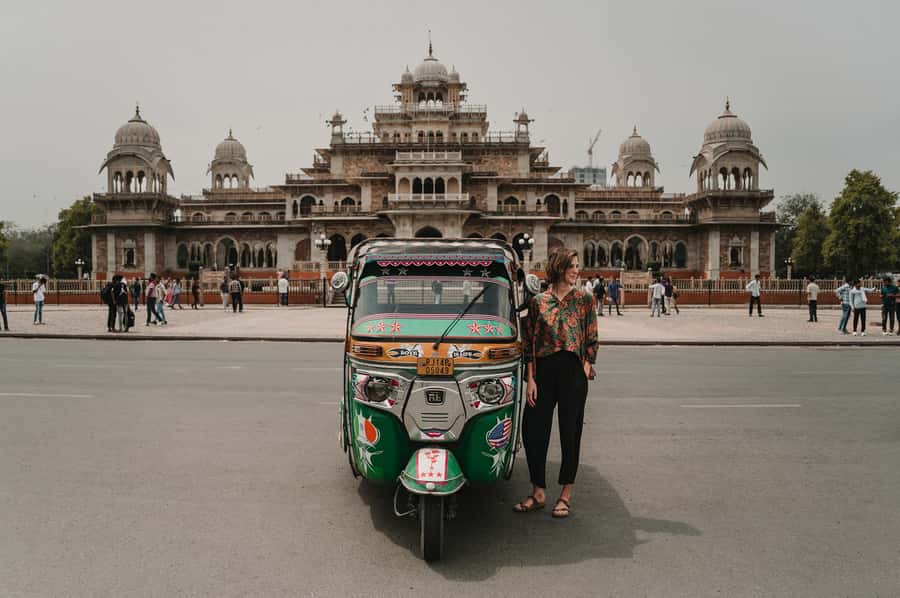
This tour involves moderate walking and lots of outdoor viewing. So start with comfortable shoes. You’ll also want comfortable clothes that don’t punish you if the day turns hot.
Smart casual attire is recommended, and sleeveless tops and short shorts aren’t suitable for temple visits. Even if you’re not specifically planning to do a temple-focused day, it’s safer to dress like you might be entering spaces with stricter norms.
For your daypack, bring:
- A passport or ID card (a valid passport is noted as required on the day of travel)
- A camera (camera fees may apply at certain monuments)
- Basic water and sun protection (bottled water is included, but you might want extras)
Also note the restrictions: no pets, and no luggage or large bags. If you’re traveling with a bigger bag, you’ll want to plan storage so it doesn’t become a hassle during pickups and tight lanes.
Price and value: what $2.70 buys and what you still pay for
The listed price starts around $2.70 per person, which is unusually low for a full-day private city tour. Here’s how to think about value without getting fooled by the number.
You’re getting:
- A private tuk-tuk or AC car (depending on your preference)
- An English-speaking driver
- Hotel/airport/railway station pickup and drop-off
- Fuel, parking charges, and all government taxes (GST) included
- Bottled water
What you’re not getting:
- Meal expenses
- Entrance fees to monuments (and camera fees)
So your real cost depends on what you choose for food and how many monuments you want to photograph beyond what’s already included. For many people, entrance fees are the main add-on, and it can be worth budgeting for them before you arrive.
At this price point, the tour is best when you want the structure of a full day, but you’re flexible about food and you don’t need every single interior ticket handled for you. If you’re the type who wants everything included with zero extra thinking, you may feel the gaps more.
Who this tour fits best (and who should skip)
This full-day private tour is a good match if you:
- Want a lot of Jaipur highlights in one day
- Like having a driver who can explain what you’re seeing in English
- Prefer a low-stress plan for getting around
- Enjoy a mix of iconic monuments plus quieter stops like stepwells
It may not be the best fit if you have:
- Heart problems (explicitly noted as not suitable)
- Wheelchair needs (not suitable for wheelchair users)
- Mobility limits that make hills and uneven ground tough
It also isn’t designed for big carry-on days. With the no large luggage rule, keep your packing lean.
Should you book this Jaipur private full-day sightseeing tour?
I’d book it if your top priority is seeing Jaipur’s main sights efficiently, with a private driver who can adjust pace and help you avoid avoidable headaches. The route is a strong blend: Hawa Mahal for the wow factor, City Palace plus Jantar Mantar for depth, then Amber Fort and Panna Meena Ka Kund for the part that feels most memorable.
Skip it or think twice if you hate walking, you’re sensitive to heat and sun, or you want meals and entrance fees fully covered. Also be ready for the fact that some of the day is exterior viewing and scenic stops, not nonstop inside-the-building time.
If you choose it, pick the vehicle that matches your energy level—tuk-tuk for maximum street feel, AC car for comfort—and wear shoes you trust.
FAQ
What’s included in the tour price?
The tour includes a private tuk-tuk or an AC car (depending on your preference), a professional English-speaking driver, hotel/airport/railway station pickup and drop-off, fuel and parking charges, government taxes (GST), and bottled water.
Are entrance fees to monuments included?
No. Entrance fees to monuments and any camera fees are not included.
Is lunch or food included?
Meal expenses are not included, so you’ll be responsible for lunch and snacks during the day.
Can I choose between a tuk-tuk and an AC car?
Yes. The tour offers a private tuk-tuk option or an AC car option based on your preference.
What languages are available for the guide/driver?
The tour lists English, Hindi, and French.
Do I need a passport?
A valid passport is required on the day of travel. You’re also told to bring a passport or ID card, so make sure you have your passport available.
Is the tour wheelchair-friendly?
No. It is not suitable for wheelchair users.
Are there health or mobility restrictions?
Yes. The tour is noted as not suitable for people with heart problems, and there is moderate walking involved.