
REVIEW · JAIPUR
Tea Tasting Session at India’s oldest tea boutique : Sancha Tea Boutique
Book on Viator →Operated by Sancha Tea Boutique · Bookable on Viator
Tea tasting beats Jaipur errands in one hour. At Sancha Tea Boutique on MI Road, you compare black teas from Darjeeling, Assam, and Sikkim, then taste Darjeeling across three seasons with a small group.
You also get a guided introduction to masala chai and how Indian tea changed over time, not just a random “try a few cups” stop. The main consideration: you’re tasting for about 1 hour, so it’s not a slow, sit-all-afternoon kind of experience.
If you’re the kind of person who loves comparing flavors, this is a fun, calm break in the middle of your day. Just know it’s a tasting first, shopping second, so come ready to pay attention during the samples.
In This Review
- Sancha Tea Boutique: the key points that matter
- Why Sancha Tea Boutique is a smart Jaipur stop for tea lovers
- The 60-minute tasting flow: what you actually do
- Darjeeling Spring, Summer, Autumn: the comparison you’ll remember
- Assam and Sikkim black tea: tasting region differences without the homework
- Masala chai: the classic that teaches you a lot
- Learning the history of Indian tea (without turning it into a lecture)
- The store after tasting: how to shop smart with 100+ options
- Who this tasting suits best
- Price and value: what $10.67 buys you in real terms
- Practicalities: timing, location, and group size in Jaipur
- Should you book Sancha Tea Boutique’s tea tasting in Jaipur?
- FAQ
- How long is the Sancha Tea Boutique tea tasting?
- Where does the tea tasting start and end?
- How much does the experience cost?
- What teas are included in the tasting?
- Can I browse the tea shop after the tasting?
- How many people are in the group?
- What are the boutique hours?
- Is free cancellation available?
- Do I get a mobile ticket?
Sancha Tea Boutique: the key points that matter
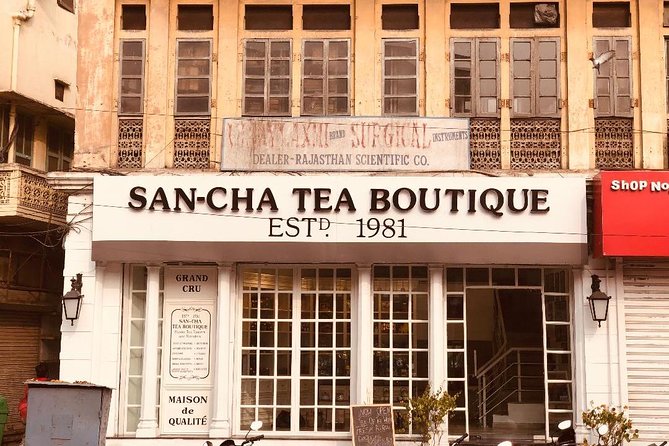
- India’s oldest tea-boutique chain brand, focused on teaching as much as selling
- Small group cap (up to 10) for a more personal pace and easier questions
- Multiple tastings: Darjeeling, Assam, Sikkim black tea, plus Darjeeling spring/summer/autumn and masala chai
- Hands-on store time right after the tasting, with access to 100+ tea types (black, green, white, oolong)
- About 1 hour total, so it fits neatly between Jaipur plans
- Near public transportation and easy to reach on MI Road
Why Sancha Tea Boutique is a smart Jaipur stop for tea lovers
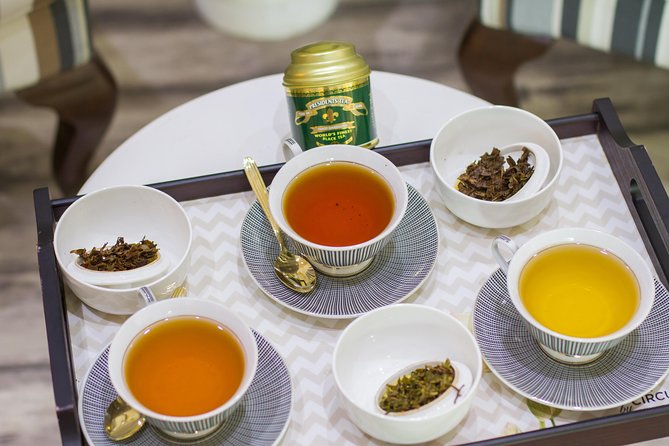
Jaipur has plenty to look at, but sometimes the best souvenir is a skill: learning what to notice in a drink, not just buying something because it’s pretty. Sancha Tea Boutique is built for that. It’s part of India’s oldest tea shop chain, and the experience is designed around tasting and comparison rather than a sales pitch.
The setting also helps. It’s on MI Road near well-known local landmarks, so it’s convenient without feeling like a rushed “grab and go” stop. The shop itself is the second half of the experience, with more than 100 tea options across black, green, white, and oolong. That means you can turn the tasting into actual choices for your pantry.
I like that the tasting centers on differences that matter: region, then season. Most tea activities in tourist areas only scratch the surface. Here, you’re led through enough cups to start building a mental map of Indian tea.
One more practical note: the group size is kept small (up to 10). In a city as lively as Jaipur, that small cap matters. You’re not trying to hear over a crowd, and the guide can adjust the pace if you’re curious or want to go slower.
You can also read our reviews of more food & drink experiences in Jaipur



The 60-minute tasting flow: what you actually do
This isn’t a long workshop. It’s a focused tasting that takes about 1 hour. That short timeline is a plus if you like your experiences structured and efficient, especially when you’re also juggling sightseeing, meals, and traffic.
Here’s the simple flow you can expect:
You start at Sancha Tea Boutique on MI Road. The session then walks you through a set of teas chosen by the shop’s master tea taster. You taste multiple black teas from well-known tea-growing areas, and you also sample masala chai.
After the tasting, you’re given time to browse the shop. This is where you can go from learning to buying, using the flavor comparisons you just made. If you enjoy tea enough to want more than one bag at home, that added shopping time is one of the strongest parts of the experience.
Darjeeling Spring, Summer, Autumn: the comparison you’ll remember
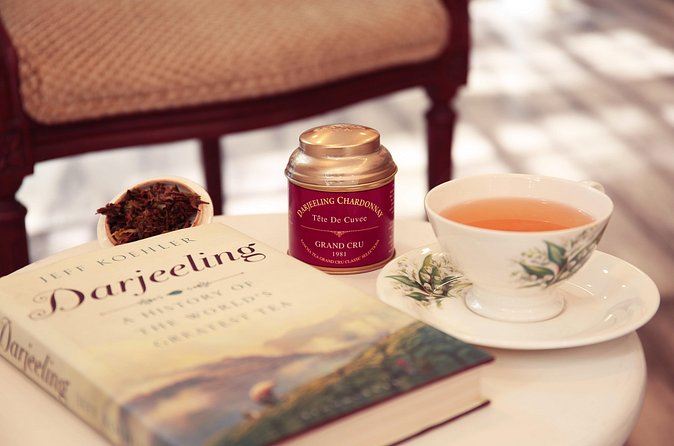
The headline tasting moment is the set of Darjeeling teas across three seasons: spring (often described as first flush), summer, and autumn. The point is easy to miss if you’re only thinking in terms of tea “types,” but it’s the real magic of Darjeeling: the same tea bush can taste different as weather and growing conditions change.
This session explains why. You’ll learn how terroir and season affect aroma, body, and overall character. The guide’s job isn’t just to hand you a cup; it’s to help you connect the flavor in your mug to the agricultural reality behind it.
I think this is the part tea fans get the most out of. It turns “I like this one” into “I can describe why I like it.” Even if you’re new to tea, you can start noticing differences without needing a fancy palate.
If you’re bringing kids, this section tends to work well because the contrast is obvious. You can ask which cup tastes lighter, which feels fuller, and which one seems more aromatic. It becomes a game without getting too complicated.
Assam and Sikkim black tea: tasting region differences without the homework
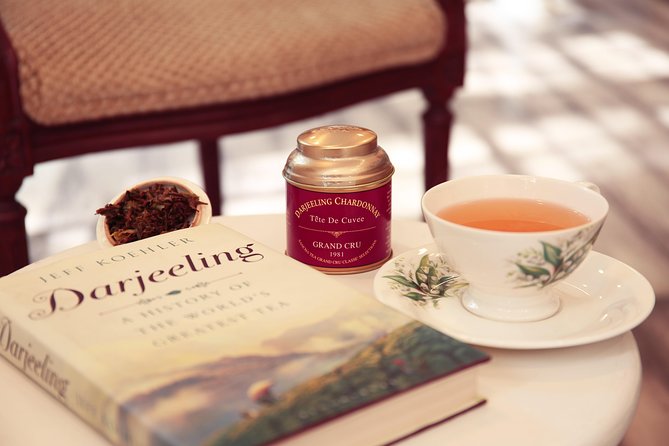
After the Darjeeling seasonal comparison, the tasting includes black teas from Darjeeling, Assam, and Sikkim. This part is about region, not processing experiments.
Assam black tea is often associated with a deeper, stronger style, while Darjeeling tends to feel more delicate and aromatic. Sikkim sits in the mix, and tasting them side by side helps you stop guessing. You get a practical sense of how geography shows up in the cup.
The value here is that you don’t have to study maps or tea terms before you go. The guide curates the lineup so you can build a working understanding quickly. For me, that’s what makes the tasting more than a gimmick: you’re learning something you can use next time you see tea shelves.
Masala chai: the classic that teaches you a lot
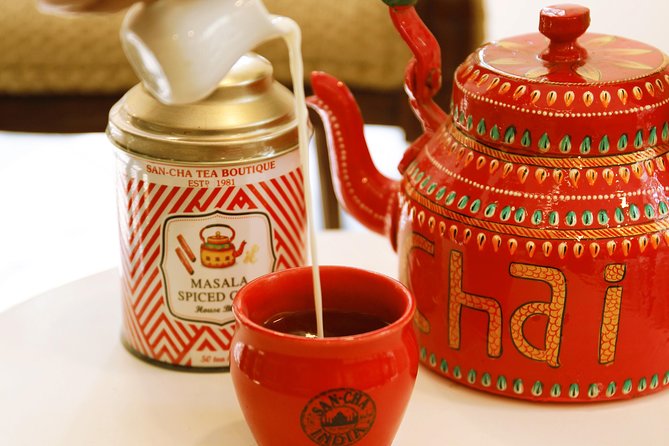
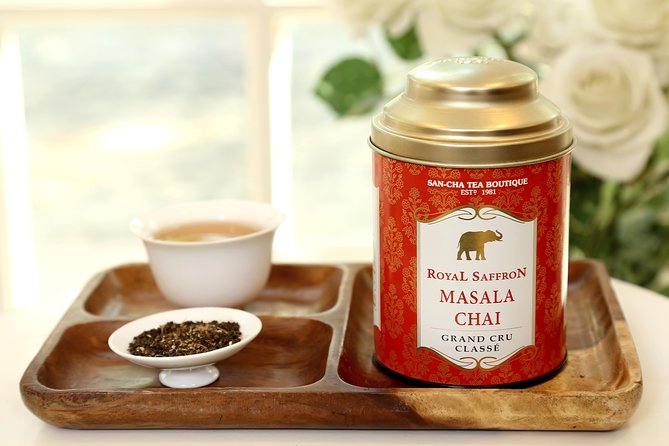
Masala chai can be easy to get wrong in tourist settings, so I like that this experience treats it as part of a bigger tea story. You’ll taste masala chai as one of the planned samples.
This is where you can connect Indian tea culture to everyday life. The tasting doesn’t just focus on “fine tea” Black teas. It makes room for the mug you’re likely to drink again in Jaipur—just with a guided eye on what’s happening in flavor.
Even if you’re not normally a tea drinker, this is often the easiest entry point. It gives you a familiar taste while the guide helps you notice how tea itself contributes beneath the spices.






Learning the history of Indian tea (without turning it into a lecture)
A good tasting gives you flavor first. This one also includes the history of Indian tea, so you understand what you’re sampling in context.
You should expect short, understandable explanations rather than a long academic talk. Think of it as the story behind the cup: where Indian tea fits globally and how different regions became known for their style.
This history component can be useful when you’re shopping after. Without it, buying tea can feel random. With it, you start making choices based on the same ideas you just heard.
The store after tasting: how to shop smart with 100+ options
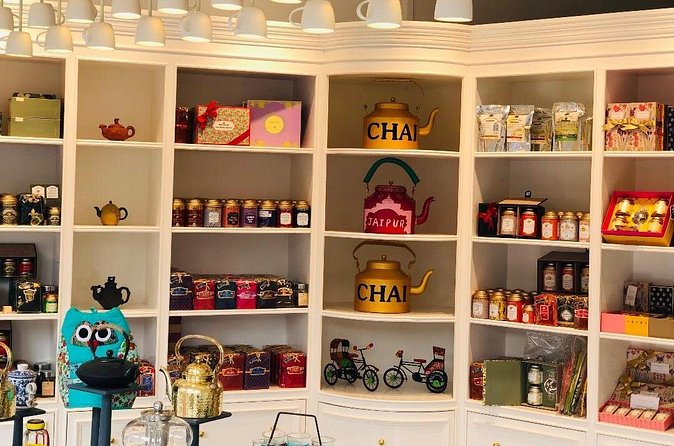
The tasting doesn’t end when the last sample is poured. You’ll be able to browse the shop, which carries more than 100 types of Indian tea, including black, green, white, and oolong.
This shopping time matters because it helps you apply what you just learned. If you liked the way a specific Darjeeling season tasted, you can look for other related offerings. If chai is your anchor flavor, you can shop with that in mind too.
Here’s my practical tip: don’t try to buy everything. Use the tasting as your filter. Pick:
- one “you liked it” tea for daily drinking
- one “you liked the difference” tea for comparison at home
- one backup option if you don’t want to commit to something delicate
If you’re a collector type, great. If you’re a beginner, your goal should be fewer purchases that match your actual taste.
Some accounts also mention a small gift at the end. Even if you don’t get one, the browsing itself is the real payoff because you leave with a clear idea of what to look for.
Who this tasting suits best

This experience works for a wide range of people because it balances education with easy-to-taste comparisons.
You’ll likely love it if:
- you drink tea regularly and want to understand what region and season really change
- you’re curious but not ready for a formal tea course
- you’re traveling with kids who can handle a short, guided tasting
- you want a calmer activity inside a day packed with Jaipur sights
If you prefer a purely hands-off activity (no discussion, no explanation), this may feel slightly structured. But the overall pacing is short and friendly, not heavy.
Price and value: what $10.67 buys you in real terms
At $10.67 per person for about 1 hour, the price is reasonable if you think about what’s included: multiple tastings (regional blacks, Darjeeling across seasons, and masala chai), guided explanations, and the time to browse a large tea selection afterward.
In practical value terms, you’re paying for:
- curated tea comparisons you might not easily replicate on your own
- a guide who helps you connect flavor to origin and season
- a shop visit that turns tasting into buying with confidence
If you were to buy the same number of specialty teas separately, it could easily cost more than this session, especially once you factor in experimenting. This tasting reduces that guesswork.
Practicalities: timing, location, and group size in Jaipur
The session starts and ends at Sancha Tea Boutique on MI Road (near Lassiwala, along Mirza Ismail Road). You’ll find it listed around Panch Batti and the Jayanti Market area, making it easy to anchor to your day.
The boutique is open daily 12:00 PM to 6:00 PM. That helps you plan around lunch or an early afternoon break. If you’re timing this with a day trip, the open window gives you room to adjust.
Group size is limited to a maximum of 10 travelers, which keeps the experience personal. You’ll also get a mobile ticket, and confirmation comes at booking. It’s also described as near public transportation, which is helpful in Jaipur where traffic can change your timing fast.
Average booking timing is about 6 days in advance, so if you’re set on a specific day, don’t wait until the last minute.
Should you book Sancha Tea Boutique’s tea tasting in Jaipur?
Book it if you want a short, satisfying activity that teaches you how to taste. This is one of those rare experiences where the learning is directly tied to what you do in the shop afterward.
Skip it only if your idea of “tea experience” is a quick snack stop with no guidance, or if you want a longer food-and-drink event that lasts several hours. Since this is about 1 hour, it won’t fill an entire evening.
If you’re on the fence, here’s a simple decision rule: if you’d enjoy comparing flavors by origin and season, this is a great use of time.
FAQ
How long is the Sancha Tea Boutique tea tasting?
It’s about 1 hour.
Where does the tea tasting start and end?
It starts at SANCHA Tea Boutique, MI Road (Mirza Ismail Rd, near Lassiwala) and ends back at the same meeting point.
How much does the experience cost?
The price is listed as $10.67 per person.
What teas are included in the tasting?
You’ll taste black tea selections from Darjeeling, Assam, and Sikkim, Darjeeling tea across three seasons (spring/first flush, summer, autumn), plus masala chai.
Can I browse the tea shop after the tasting?
Yes. After the tasting, you can browse the store, which has 100+ types of tea including black, green, white, and oolong.
How many people are in the group?
The tasting has a maximum of 10 travelers.
What are the boutique hours?
The listed opening hours are 12:00 PM to 6:00 PM, Monday through Sunday.
Is free cancellation available?
Yes. You can cancel up to 24 hours in advance for a full refund, and changes within 24 hours aren’t accepted.
Do I get a mobile ticket?
Yes, the experience uses a mobile ticket.