REVIEW · JAIPUR
2 Days Jaipur: Amber Fort, Hawa Mahal Tuk-Tuk Tour
Book on GetYourGuide →Operated by Nahargarh Travels · Bookable on GetYourGuide
Jaipur moves fast, and your tuk-tuk helps. This tuk-tuk tour strings together major sights like Hawa Mahal’s famous façade and the UNESCO-listed Jantar Mantar without wasting hours stuck in traffic. I like the hands-on feel of riding locally, and I like that you hit both royal architecture and astronomy in the same day. One watch-out: the schedule is long, the walking adds up, and there can be vehicle reliability issues if the tuk-tuk has problems.
The day runs from 8:30 AM to 5:30 PM, starting with pickup and ending back in Jaipur. You’ll bounce between viewpoints, palaces, forts, and photo stops, with a driver who also acts as a guide (English and other languages are offered). If you’re heat-sensitive, bring the gear—Jaipur can be sun-heavy.
For the price, this is one of those trips that can feel like a bargain—if your day goes smoothly. Still, you should plan for entry fees (they’re not included), and you’ll want good footwear for uneven Fort-area paths.
In This Review
- Key things to know before you ride
- Tuk-tuk timing: 8:30 to 5:30 and how the day flows
- Amber Fort, Jaigarh, and Nahargarh: fort views that make the ride worth it
- Hawa Mahal: the windows you came for
- City Palace and the royal “rooms-with-purpose” feeling
- Jantar Mantar: ancient astronomy that still feels surprisingly practical
- Jal Mahal plus Gaitor Ki Chhatriyan: photography breaks with different moods
- Panna Meena Ka Kund: a short step-well stop that changes the tone
- Markets, lunch, and the real Jaipur break
- Albert Hall Museum and Birla Mandir: culture stops without too much stress
- Driver quality is the difference between a smooth day and a stressful one
- Price and entry fees: how to calculate the real cost
- Who this tour fits best (and who should skip it)
- Should you book this Jaipur tuk-tuk loop?
- FAQ
- What time does the tour run?
- Which places will we visit?
- Are entry fees included in the price?
- Is lunch included?
- Is flash photography allowed inside the monuments?
- What should I bring with me?
- Is the tour wheelchair accessible?
Key things to know before you ride
- Hawa Mahal’s 953-window façade: You get the classic photo moment plus time to understand what you’re looking at.
- Amber Fort + lookout forts: The route includes Amber Fort and also photo/visit stops at Jaigarh Fort and Nahargarh Fort.
- Panna Meena Ka Kund step-well: A short stop that changes the tone from palaces to an older, water-and-life story.
- UNESCO Jantar Mantar: Time at the ancient observatory with its large astronomical instruments.
- Jal Mahal photo break: A calm-looking palace on the water, best for pictures and a quick mental reset.
- Driver-as-guide setup: Communication is offered in multiple languages, and your driver plays a major role in how smooth the day feels.
Tuk-tuk timing: 8:30 to 5:30 and how the day flows
This is a long, full-day sightseeing loop built around a single idea: cover more Jaipur than you could on foot and avoid the stress of switching cars all day. The tour starts at 8:30 AM with pickup, then you’ll roll through a route that’s heavy on iconic stops and strategic photo points.
Expect a rhythm of short rides, photo stops, and guided time at key places. Some locations are quick to enter and walk through. Others—especially Fort areas—take longer because you’re climbing, descending, and navigating steps. In the middle, you’ll get a lunch + shopping break with about 2 hours to eat and browse.
The best way to enjoy this structure is to treat it like a sightseeing “greatest hits” day. You’re not staying long in one spot; you’re learning enough at each stop to connect the dots between different eras of Jaipur.
You can also read our reviews of more tours and experiences in Jaipur



Amber Fort, Jaigarh, and Nahargarh: fort views that make the ride worth it
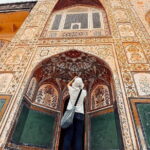
Amber Fort is where the day’s energy usually shifts from city sights to something more dramatic. It sits up on a hill, so you’ll feel the change in air and altitude as you approach. You’ll get about 1.5 hours there with time for photos and a guided tour. This is your chance to see the Fort’s courtyards and the mix of practical design and royal showmanship.
Two other Fort stops follow as photo and guided visit time:
- Jaigarh Fort: included with about 1.5 hours.
- Nahargarh Fort: also about 1.5 hours.
These stops matter because they frame Jaipur’s royal planning. You’re not just looking at buildings—you’re seeing how forts control viewpoints and how the city’s power was managed from higher ground. Even if you’re not a “fort person,” the views help you understand why these places were chosen.
Practical tip: Forts mean uneven ground and stairs. Wear shoes you trust. If you’re nursing a back issue, take note: the tour data says it’s not suitable for people with back problems, even though it also mentions wheelchair accessibility. That contradiction is exactly why you should double-check your physical comfort needs before booking.
Hawa Mahal: the windows you came for
Then comes the Jaipur postcard moment: Hawa Mahal, the Palace of Winds. You’ll have about 30 minutes for a photo stop and guided time.
The big detail here is the façade. Hawa Mahal is known for its honeycomb-like design and the 953 intricately carved windows. That number sounds like trivia until you’re standing in the right spot and realizing how the windows relate to ventilation and observation in everyday palace life.
Don’t rush this stop. Even in a short window, it’s one of those places where looking closely changes your understanding. If you like architecture, this is a high-payoff pause.
Also, photography is allowed, but flash is not permitted inside monuments. So keep your camera settings ready before you step in.
City Palace and the royal “rooms-with-purpose” feeling
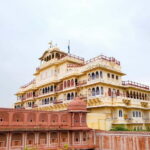
Next is City Palace, with about 1.5 hours of guided visit time plus photos. This isn’t one single building—it’s a royal residence complex with sections that include the Mubarak Mahal, Chandra Mahal, Diwan-I-Khas, and the Maharani Palace.
City Palace is valuable for two reasons:
- It shows how Jaipur’s rulers used space—audience halls, private areas, and public-facing parts.
- It gives context for the other sights you’re seeing the same day.
If you’re the type who likes to connect visuals to meaning, City Palace is a strong mid-day anchor. It also helps you appreciate why Hawa Mahal and the Forts fit together in the larger story.
Jantar Mantar: ancient astronomy that still feels surprisingly practical
After palace time, you’ll head to Jantar Mantar, the UNESCO-listed observatory, with about 45 minutes of visit and guided explanation.
The instruments here aren’t decorative. They were designed for measuring things in the sky, and they can look huge in person—built for visibility, accuracy, and use. In a day packed with forts and palaces, this stop refreshes your perspective. You start thinking like a planner, not just a photographer.
If you usually skim museums, this one is different because the objects are meant to be used. Your guide’s explanation is where the time pays off.





Jal Mahal plus Gaitor Ki Chhatriyan: photography breaks with different moods
You’ll stop at Jal Mahal for photos and guided time (about 25 minutes). It’s known for the way the palace appears to float on the water. This is a softer stop in the schedule—more about quiet visuals and a break from climbing.
Then there’s Gaitor Ki Chhatriyan with about 25 minutes for photo stops and guided visit. This one shifts the mood again. Instead of focusing on city life or royal observatories, you’re looking at memorial-type architecture and the way Jaipur marks important people and moments.
These two stops work well because they act like palate cleansers. They keep the day from feeling like a checklist of only “big ticket” monuments.
Panna Meena Ka Kund: a short step-well stop that changes the tone
One of the most interesting moments on the route is Panna Meena ka Kund, an ancient step-well. You’ll get about 25 minutes, including photos and guided time.
This stop matters because it’s not palace-first or fort-first. It’s about water, engineering, and how people lived around something essential. You’ll also hear the story behind it, which helps you see a step-well as more than a photo backdrop.
If you love learning a side of the city that isn’t always front-and-center, this is the kind of stop that makes the day feel more balanced.
And yes—good photos are possible, but take the time to understand the structure. That’s where it goes from interesting to memorable.
Markets, lunch, and the real Jaipur break
Midway through, you’ll get a 2-hour break for lunch and shopping in Jaipur. This is your chance to slow down and choose your pace.
The tour’s route includes market-style time on tuk-tuk, so you’ll get small glimpses of everyday life along the way. You can use the break to:
- grab a simple lunch and cool off
- buy small crafts, textiles, or jewelry if that’s your thing
- just sit for a few minutes and recover from walking
No meals are included, so plan to handle food on your own. Bottled water is provided, which is helpful when the day is warm.
Albert Hall Museum and Birla Mandir: culture stops without too much stress
Two final cultural anchors round out the day:
- Albert Hall Museum with about 1 hour guided time
- Birla Mandir with about 30 minutes for guided time and photos
These stops give you a mix of museum and temple atmosphere. They’re useful if you want your day to include more than just royal buildings. You also get a chance to see how Jaipur’s identity moves across different types of landmarks.
Because the day is already full, keep your expectations realistic. This isn’t a museum day where you read every label. It’s a focused pass that helps you leave with a better sense of what Jaipur is made of.
Driver quality is the difference between a smooth day and a stressful one
Here’s the honest part: the experience can rise or fall based on the driver and the condition of the tuk-tuk.
On the positive side, one of the drivers credited by name is Raja from Rajasthan, described as experienced and focused on safety while getting to monuments and spots. That kind of calm competence matters a lot when you’re bouncing between Forts and busy areas.
On the negative side, there’s at least one experience where the tuk-tuk had problems on the second day, leading to waiting time and a broken-down ride in the middle of sightseeing. The issue wasn’t just delay—it was the lack of a quick replacement, which turned a tight schedule into lost time.
What you can do: before the day starts, take a minute to check the tuk-tuk condition with your eyes. If you see something off—uneven seating, broken brakes, strange noises—say something right away. Small issues get fixed early, not halfway between landmarks.
Also, confirm what happens if a vehicle breaks down. The tour info doesn’t spell out a plan, so asking your driver/provider directly can save you stress.
Price and entry fees: how to calculate the real cost
The headline price is $7 per person, which is striking. But entry fees are not included for major sites like Amber Fort, City Palace, Hawa Mahal, Jantar Mantar, Albert Hall Museum, and more.
So the real value is about this equation:
- You’re paying low-cost for pickup/drop-off, a tuk-tuk for the day, driver guidance, bottled water, and transport charges.
- You’re paying extra for monument entry once you’re on the ground.
Given the length of the route and the number of stops (Fort circuit, palaces, UNESCO site, museum, temple), the low base price can still be a great deal if you budget for entrances and you get a well-functioning tuk-tuk.
Languages are also a plus. The driver/guiding support can be offered in multiple languages, which makes it easier to actually understand what you’re seeing—not just point and shoot.
Who this tour fits best (and who should skip it)
This tour fits best if you:
- want a packed, single-day Jaipur route
- like learning the meaning behind architecture and landmarks
- enjoy short rides and frequent stops rather than long stays in one location
- are comfortable walking some steps and moving through Fort terrain
You should be cautious if you:
- have a back problem (the tour data says it’s not suitable)
- use a wheelchair. Even though wheelchair accessibility is mentioned in one place, the data also says it’s not suitable for wheelchair users, so you’ll want clarity before booking.
- dislike long day schedules. The time on the clock is fixed and the day is busy.
If you love photos, this is built for that. If you love comfort above all, you might prefer a slower pace.
Should you book this Jaipur tuk-tuk loop?
I’d book it if you want to see Jaipur efficiently and you’re okay paying entry fees on top of the base price. The itinerary works well for first-timers who want big monuments plus one or two lesser-known stops like Panna Meena ka Kund.
I’d hesitate if vehicle reliability is a major fear for you, or if you’re sensitive to heat and walking. The schedule is long, and one delay can affect your whole day.
My best advice: message the provider ahead of time with two questions—how long you should expect at each major site, and what backup plan exists if the tuk-tuk has mechanical issues. Then bring comfortable shoes, sunscreen, and your patience for a day that’s meant to move.
FAQ
What time does the tour run?
It starts with pickup at 8:30 AM and ends back in Jaipur at 5:30 PM.
Which places will we visit?
The route includes Amber Fort, Jaigarh Fort, Nahargarh Fort, Panna Meena ka Kund, Jal Mahal, City Palace, Hawa Mahal, Jantar Mantar, Gaitor Ki Chhatriyan, Albert Hall Museum, and Birla Mandir.
Are entry fees included in the price?
No. Entry fees are not included for Amber Fort, City Palace, Hawa Mahal, Jantar Mantar, Albert Hall Museum, and more.
Is lunch included?
No meals are included. You get break time for lunch during the 2-hour stop in Jaipur.
Is flash photography allowed inside the monuments?
Photography is allowed, but flash photography is not permitted inside monuments.
What should I bring with me?
Bring comfortable shoes, a hat, camera, sunscreen, and water.
Is the tour wheelchair accessible?
The info mentions wheelchair accessibility, but it also says it’s not suitable for wheelchair users and not suitable for people with back problems. It’s worth checking carefully before booking.