REVIEW · JAIPUR
Private Temple Tour in Jaipur w/ Guide, Transportation & Sites
Book on Viator →Operated by Om Ananda Travel · Bookable on Viator
Jaipur temples, with a spiritual side. This private route adds real context to Hindu worship, from puja and aarti to deity stories, plus a chakra and astrology-style reading.
I especially like the mix of hilltop temple views with calm, less-frequented stops, and I like how the guide gives you space to ask spiritual questions as you go.
One thing to keep in mind: you’re on the move for most of the day, and several places are on hills or uneven ground, so wear shoes you trust.
In This Review
- Key things to know before you go
- A temple route that feels personal, not like a checklist
- The pacing, transport, and meeting point details that matter
- Tarkeshwar Mahadev Temple: Shiva in the Aravalli Hills
- Birla Mandir and Moti Dungari: Vishnu/Lakshmi and Ganesh with quick context
- Galtaji Temple: where myths meet a longer, calmer visit
- Royal Gaitor Tumbas: royal memorials and the meaning of final resting places
- Garh Ganesh Mandir in Nahargarh: another Ganesh viewpoint stop
- Pink City temple side streets: more quiet worship than big-ticket tourism
- Tripolia Bazar and Choti Chopad: chai plus a market reality check
- Spiritual readings, aarti/puja, and questions you actually can ask
- Price and value: what $27.21 per group really buys
- Who this tour fits best (and who should skip it)
- Should you book this private Jaipur temple tour?
- FAQ
- How long is the Jaipur private temple tour?
- What sites are included on the tour?
- Is pickup available?
- What’s included in the price?
- Are temple admission tickets included?
- Is breakfast included?
- Do I get a mobile ticket?
- Is this a private tour?
- What should I know about weather and cancellation?
Key things to know before you go
- Private transport included, so you’re not juggling cabs between scattered sacred sites.
- Spiritual practice explanations, including aarti and puja, are part of the walking.
- Chakra and astrology-style reading is built into the experience.
- Temple admission is listed as free at each stop on this route.
- You finish with Pink City browsing, including chai and market time near Tripolia Bazar and Choti Chopad.
- Good weather matters, since the tour depends on outdoors time and hilltop locations.
A temple route that feels personal, not like a checklist
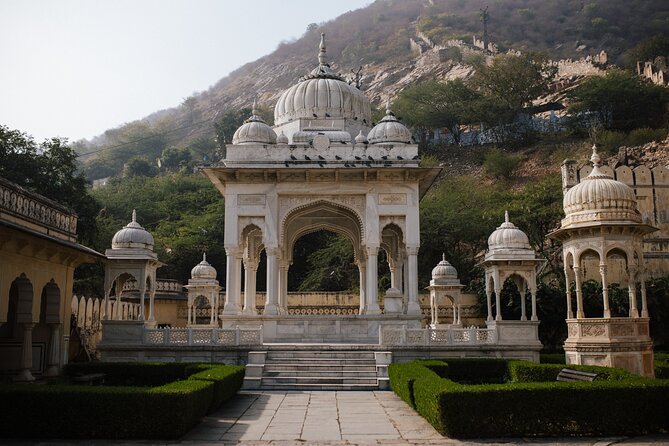
This tour is designed for travelers who want to understand what they’re seeing, not just tick off a few famous names. You’ll move through multiple temples around Jaipur and get explanations of practices and deities along the way—especially the everyday rhythm of Hindu worship like puja and aarti. The spiritual component isn’t just storytelling either. The experience includes a reading tied to chakras and astrological signs, plus time for you to ask questions directly to the guide.
What makes that valuable in Jaipur is simple: temples can look similar to first-time visitors unless someone helps you read the details. Here, the guide’s job is to connect the architecture and symbols to the beliefs behind them. That’s also why this feels like more than sightseeing. You’re learning how worship works, who the deities are, and what people mean when they talk about sacred energy.
There’s also a practical upside: it’s a private day with transportation included, and the route follows a logical loop through different types of sacred places—Shiva, Vishnu/Lakshmi, Ganesh, plus historical sites tied to royal Rajasthan.
You can also read our reviews of more guided tours in Jaipur



The pacing, transport, and meeting point details that matter
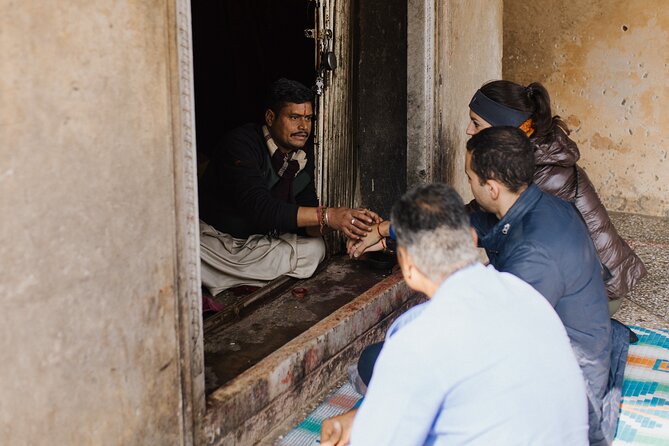
This is a private experience, so only your group rides and walks together. That makes a big difference when you have a longer day: you don’t have to sync your questions with a larger bus group, and you can spend a little longer at the spots you care about.
The tour runs about 7 to 8 hours, and it includes private transportation plus bottled water. Breakfast is not included, so plan to eat before pickup. The start point is set at Tarkeshwar Mahadev Temple area (the meeting point address is given near Chaura Rasta in Jaipur’s Pink City). The tour ends back at the meeting point.
Timing is another real consideration. Most stops are short, but the route includes two longer blocks: Galtaji Temple and the later Pink City/market time. If you’re sensitive to long days, you might feel it by hour six or seven. If you’re comfortable with a full sightseeing day, this pacing works well because it keeps things moving without rushing every single location.
Tarkeshwar Mahadev Temple: Shiva in the Aravalli Hills
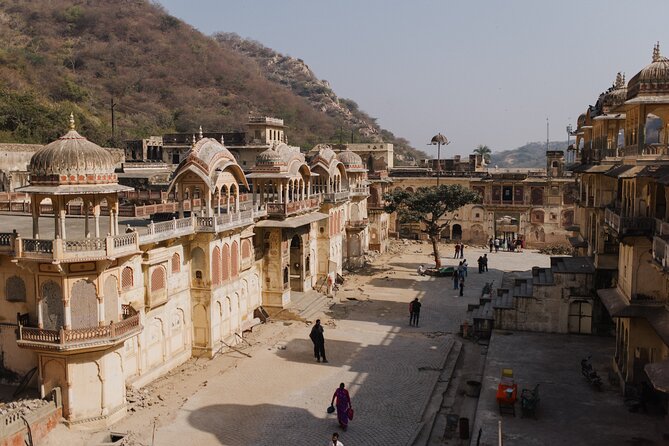
The day starts at Tarkeshwar Mahadev Temple, set amid the Aravalli Hills. It’s dedicated to Lord Shiva, and the visit is short—about 20 minutes—which is actually a smart move for many people. You get the spiritual tone early, without spending the whole morning in one place.
This stop is a good warm-up because you’ll likely start noticing the patterns that repeat across Jaipur temples: areas for prayers, the presence of devotees, and the way worship is tied to specific deities. With Shiva, you also get a different set of themes than you’ll see later with Vishnu or Ganesh. If you’ve ever wondered why the symbols matter so much in Hindu temples, this is a calm entry point.
Potential drawback: the hill setting can mean uneven ground and outdoor brightness. If you’re visiting in hot months, you’ll want sun protection. Still, because the visit is only around 20 minutes, it’s easier to manage.
Birla Mandir and Moti Dungari: Vishnu/Lakshmi and Ganesh with quick context
Next comes Birla Mandir Temple, focused on Lord Vishnu and Goddess Lakshmi. The visit is about 30 minutes, and this is a great contrast stop right after Shiva. Vishnu and Lakshmi worship tends to bring a different energy to the room—more emphasis on devotion and daily religious life—so the switch helps your brain stay engaged.
Then you head to Moti Dungari Temple, dedicated to Lord Ganesha, on Moti Dungari Hill. That “on a hill” detail matters because it changes the experience: you’re not just walking through a temple courtyard. You’re also moving toward it, usually with stairs and a bit of elevation. The visit is around 20 minutes, so it stays doable for most people.
If you’re thinking, Ganesh twice in one day? That’s not an accident. Ganesh is one of the most widely recognized deities in India, so he works like a spiritual thread that keeps the day cohesive. You’ll likely see how worship customs differ (or stay consistent) depending on the main deity and the temple setting.
Galtaji Temple: where myths meet a longer, calmer visit
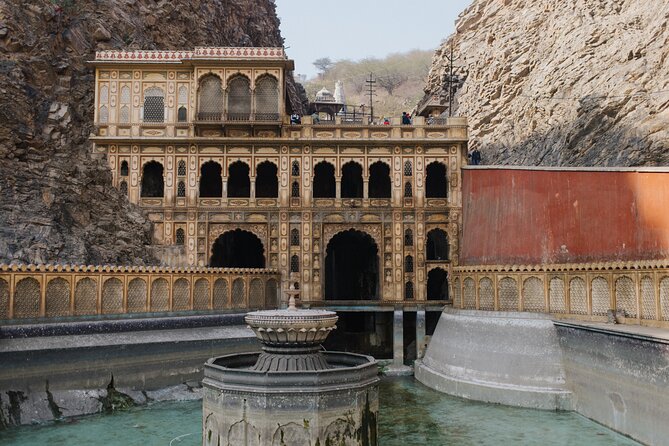
Galtaji Temple is one of the longer stops at about 1 hour 20 minutes, and it’s located in the Aravalli Hills. The temple complex is built into the rugged terrain, which changes the feel. Instead of a single “front gate and done” site, you get an exploratory rhythm—more time to look around and notice how the setting shapes the worship spaces.
This is also a stop where the background stories matter. Galtaji is the kind of place where people connect local belief, sacred myths, and the physical environment. If you’re asking questions about yoga’s origins or the broader spiritual traditions tied to Rajasthan, this is the kind of setting where those ideas start to feel less abstract.
Practical tip: plan for stairs and uneven surfaces. Even if you’re not doing any hardcore trekking, hill temples aren’t flat. Bring comfortable shoes and avoid sandals.
You can also read our reviews of more private tours in Jaipur




Royal Gaitor Tumbas: royal memorials and the meaning of final resting places
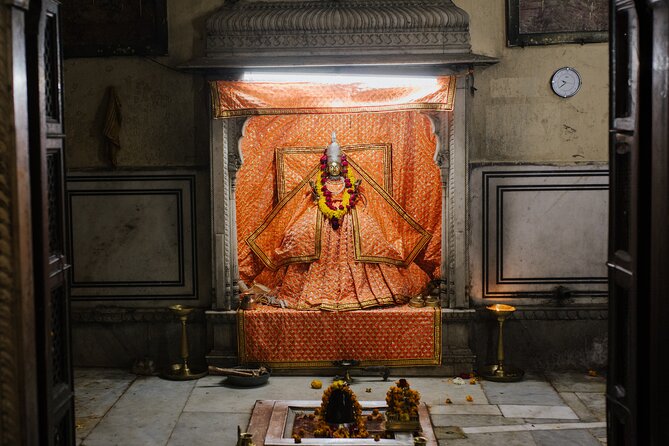
After Galtaji, you’ll visit Royal Gaitor Tumbas for about 40 minutes. This site is tied to royal Rajasthan, and the experience frames it as a final resting place with architectural character.
What I like about including this kind of stop is that it widens your understanding of spirituality. Temples aren’t the only sacred spaces in Jaipur. Memorial structures connected to rulers can be part of how places carry meaning across generations—especially when they’re located in hills and on sacred land.
You’ll also likely hear about related memorial areas in the same broader region. For example, your guide may bring up Maharaja Ki Chhatri while you’re at the Gaitor tombs. That helps you connect what you see to what locals call the place, not just what guidebooks call it.
Garh Ganesh Mandir in Nahargarh: another Ganesh viewpoint stop
Garh Ganesh Mandir is dedicated to Lord Ganesh and is located in Nahargarh. The time is about 1 hour—longer than the quick hill stops earlier—so you get more patience for looking, resting, and letting the setting work on you.
Like other hill temples on this route, it’s not just “walk in, take a photo, walk out.” The viewpoint element is part of the experience. If your spiritual interest includes how sacred places relate to geography, this is a good place to slow down. You’ll get a calmer break before the tour shifts back into the city streets.
If you’re the kind of traveler who likes explanations, this is also a decent time to ask questions. After you’ve seen multiple deities and settings, it becomes easier for a guide to connect the dots between worship practice and symbolism.
Pink City temple side streets: more quiet worship than big-ticket tourism
The next block is where the tour leans into Jaipur’s everyday sacred geography. You’ll spend about 1 hour 30 minutes exploring the Pink City side streets and alleyways, with your guide pointing out heritage temples tucked along the route. The tour description specifically mentions a temple tied to Shri Radha Gopinat… (the name is shown in the route details in that partial form).
This part is valuable for a simple reason: Jaipur’s famous sights can make everything feel staged. Side-street temples feel lived-in. You’re more likely to see devotees going about worship in a way that feels normal and local, not arranged for the camera.
One more practical note: you’ll want to keep an eye on your footing in narrow alleys. The tour time is long enough to walk and then pause, but the streets can be uneven. If you’re traveling with kids or if you’re tired, ask your guide where the gentlest paths are between stops.
Tripolia Bazar and Choti Chopad: chai plus a market reality check
To wrap up, you head to Tripolia Bazar, with about 1 hour 30 minutes set aside. The plan is time for quiet contemplation, then chai, and then shopping around the area—especially the flower market and spice market, plus shopping near Choti Chopad.
This ending works well because you’re not just leaving a temple area and rushing straight to a vehicle. You get a decompression moment. Also, markets are where you can test your senses after all that spiritual content. You’ll smell spices, see flower garlands, and get a feel for how worship items connect to local daily life.
If you’re trying to keep costs down, go into this portion with a simple game plan: decide what you want before you arrive. The market time is long enough to wander, and that’s great—until you realize you’ve also wandered past every shop that sells something you didn’t plan to buy.
Spiritual readings, aarti/puja, and questions you actually can ask
The heart of this experience is not just temple names. It’s the way the guide builds meaning as you go. The tour is built around learning practices like aarti and puja, how worship works, and how different deities fit into mythology and daily devotion.
The experience also includes a reading of your chakras and astrological signs. I treat this part as a reflective experience more than a scientific one. It’s still useful if you enjoy spiritual frameworks and you’re comfortable with personal interpretation. Even if you’re skeptical, it can be a way to think about yourself through the lens of traditional beliefs.
The best part is that you can ask your spiritual questions directly while you’re in the right place. A good guide can connect your questions to what you’re seeing: why certain offerings appear, why specific prayers happen at certain moments, and how people understand energy in sacred spaces. That turns the day from passive viewing into active learning.
Price and value: what $27.21 per group really buys
This tour costs $27.21 per group (up to 4), runs roughly 7 to 8 hours, includes private transportation and bottled water, and lists admission ticket free at each temple stop. Breakfast isn’t included.
For Jaipur, that price structure is the big value win: you’re paying a reasonable amount for a private day with transport, while the listed temple admissions don’t add extra fees at each stop. The included transport matters a lot because Jaipur sites are spread out, and squeezing them into one day without a plan usually turns into time loss and multiple separate rides.
Why it might not be ideal: if you’re traveling solo and you don’t want a private vehicle shared with only you, the per-group pricing still works, but the value depends on your comfort with paying for a private setup. If you can travel with up to three friends, families usually feel this as a very practical deal.
Bottom line: if you want a structured spiritual day with explanations and a fixed route, the pricing feels fair. If you only want a quick photo run, this is probably overkill.
Who this tour fits best (and who should skip it)
You’ll likely love this tour if:
- You want temple context, not just names.
- You enjoy Hindu religious practice explanations like aarti and puja.
- You like reflective add-ons like chakra and astrology-style readings.
- You’re traveling with up to four people and want private transport.
You may want a different option if:
- You strongly prefer totally free-form temple wandering without a guided narrative.
- You dislike long days with multiple outdoor stops.
- You’re not comfortable with hilltop temples and uneven terrain.
Also, since service animals are allowed and the start is in a major area (near public transportation), it can be easier logistically than some far-out excursions. Still, the tour includes hill sites, so mobility considerations matter.
Should you book this private Jaipur temple tour?
Book it if you want your Jaipur temples to mean something. The guide-led explanations, the chakra/astrology-style reading, and the mix of Shiva, Vishnu/Lakshmi, and Ganesh make it feel like a real spiritual circuit rather than random stops.
Skip it if you only want the most famous highlights with minimal walking and minimal interpretation. This day is built around learning, questions, and moving through different sacred settings, including hilltop sites and market time in the Pink City.
If you’re curious, this is the kind of tour that can turn a temple day from good pictures into a memory that sticks.
FAQ
How long is the Jaipur private temple tour?
It runs about 7 to 8 hours.
What sites are included on the tour?
The tour includes Tarkeshwar Mahadev Temple, Birla Mandir Temple, Moti Dungari Temple, Galtaji Temple, Royal Gaitor Tumbas, Garh Ganesh Mandir, Pink City temple side streets, and Tripolia Bazar.
Is pickup available?
Pickup is offered, and the tour starts at the Tarkeshwar Mahadev Temple meeting point area. It ends back at the meeting point.
What’s included in the price?
Private transportation and bottled water are included.
Are temple admission tickets included?
Admission ticket is listed as free for the temple stops on this route.
Is breakfast included?
No, breakfast is not included.
Do I get a mobile ticket?
Yes, the tour includes a mobile ticket.
Is this a private tour?
Yes. Only your group participates.
What should I know about weather and cancellation?
The tour requires good weather. If it’s canceled due to poor weather, you’ll be offered a different date or a full refund. Cancellation is free up to 24 hours before the experience for a full refund; within 24 hours, there’s no refund.