REVIEW · JAIPUR
Jaipur Private Tuk Tuk Tour – Full-Day jaipur City Sightseeing
Book on Viator →Operated by Raj Tours Jaipur · Bookable on Viator
Jaipur makes more sense on a tuk-tuk. I love the private door-to-door pickup and how the tuk-tuk helps you zip between sights without burning half the day in transit. I also like the human touch—guides such as Mohsin Ali and Sonu bring the places to life with clear explanations and good pacing. The only real drawback to plan for: monument entrance fees are not included at several of the top stops.
This is an 8-hour outing that works best when you want the big highlights in one day. You’ll get bottled water, and the tour includes fuel, parking charges, and taxes, so you’re not constantly doing small add-ons while you’re out. Expect some downtime built into the route, like shorter photo pauses where you’re mainly seeing the sight from the outside.
Because it’s private, it’s just your group, not a mix of strangers. That also means your driver-guide can share practical tips (Imran’s were called out as especially helpful), and you can often tweak things if you ask. Sonu’s excellent English is a standout detail from the experience, especially if you’re traveling without much Hindi.
In This Review
- Key Highlights You’ll Actually Feel During the Day
- Private Tuk-Tuk in Jaipur: How the Day Feels
- City Palace of Jaipur: Rajput and Mughal in Your First Two Hours
- Jantar Mantar (UNESCO): The Observatory Stop That’s Actually Worth It
- Hawa Mahal: 953 Windows and a Good Place to Slow Down
- Royal Gaitor Tumbas: A Quiet Stop That Changes the Mood
- Jal Mahal on Man Sagar Lake: Short, Scenic, and Mostly External Views
- Amer Fort (UNESCO): The Big One That Deserves Real Time
- Pink City Markets: Shopping With a Time Limit (And Good Targets)
- Guides Make the Difference: Mohsin Ali, Sonu, and Imran’s Value
- Price and Value: A Low-Fare Private Day With Costs to Watch
- Best For What Kind of Traveler
- Should You Book This Jaipur Tuk-Tuk Tour?
- FAQ
- How long is the Jaipur private tuk-tuk tour?
- Is hotel pickup and drop-off included?
- Are entrance fees to monuments included?
- What stops are included on the day?
- Is the tour private?
- What’s included in the price?
- Can I cancel for a refund?
Key Highlights You’ll Actually Feel During the Day

- Hotel pickup and drop-off so you start sightseeing without hunting for transport first
- Private tuk-tuk time with guides named Mohsin Ali, Sonu, and Imran bringing the stops into focus
- Jantar Mantar + Hawa Mahal in one run so you don’t waste energy finding entrances and viewpoints
- Amer fort gets real time with a 2-hour stop, not just a quick curbside look
- Pink City markets with shopping guidance for items like Lehariya sarees and Meenakari work
- Bottled water + all taxes included, which keeps the day feeling straightforward
Private Tuk-Tuk in Jaipur: How the Day Feels
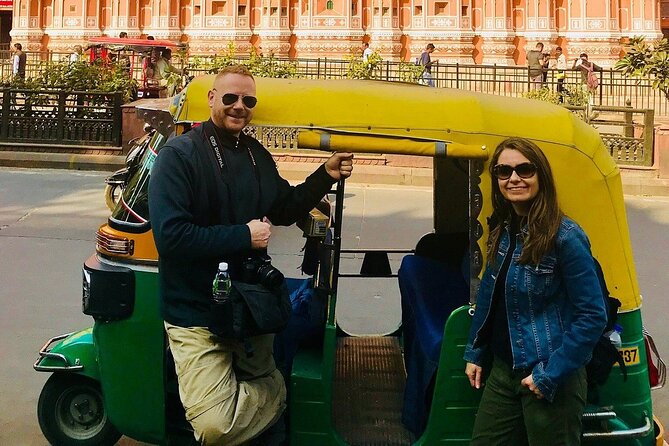
A full-day Jaipur tour can either feel exhausting or efficient. This one leans efficient—because you’re not walking long stretches when you’d rather rest your feet, and you’re not fighting for the shortest route with a meter or apps.
The tuk-tuk is also the right size for Jaipur’s day-to-day movement. You’re navigating traffic in a vehicle designed for short hops, so you can spend your energy on the sights instead of logistics. Plus, with hotel pickup and drop-off included, you avoid the common first-day headache of figuring out where to meet.
Comfort matters, and the experience details point to that: people specifically noted clean, comfortable tuk-tuks and safe driving. That’s not small stuff. In a place where the streets can feel chaotic, a calm driver helps you enjoy the stops instead of bracing for every turn.
You can also read our reviews of more city tours in Jaipur


City Palace of Jaipur: Rajput and Mughal in Your First Two Hours

You’ll start at the City Palace, the royal complex that blends Rajput and Mughal architecture. It’s described as an 18th-century royal residence with courtyards, gardens, and museum spaces for artifacts—so it’s not just one building. You’re stepping into layers.
You’ll have about two hours here, which is a good length for first-timers who want to see the main spaces without trying to do every corner. Just know the admission ticket isn’t included for this stop, so plan for an extra cost at the gate.
Practical tip: go with a light plan for photos and viewpoints. City Palace is full of details—doors, patterns, courtyards—so you’ll get better results if you decide early what you care about most. If you’re more into architecture than artifacts, you can spend less time in the museum sections and keep moving.
Jantar Mantar (UNESCO): The Observatory Stop That’s Actually Worth It
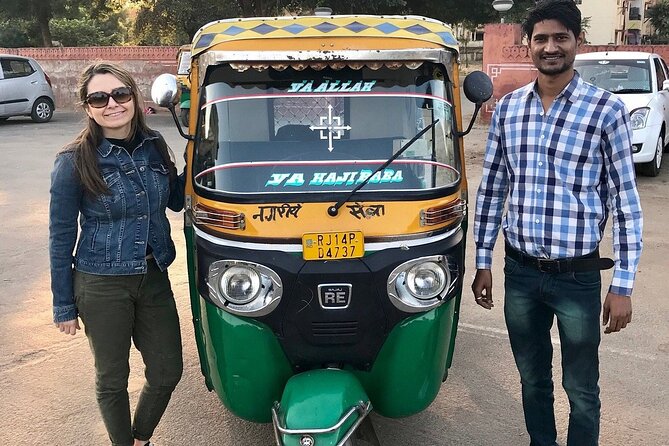
Jantar Mantar is an 18th-century astronomical observatory built by Maharaja Sawai Jai Singh II. It’s also a UNESCO World Heritage site, and the key thing to remember is that it’s not a typical museum. It’s an open-air collection of instruments—19 of them—built for observing the sky.
You’ll get around 45 minutes here, and that’s usually enough. The main challenge at Jantar Mantar isn’t time—it’s attention. You’ll want your guide to explain what you’re looking at so the structures stop feeling like random stone math.
Entrance fees are not included for this stop, so again, expect tickets on-site. If you tend to get tired in the heat, this is one of the places where you’ll feel the sun. Bring water (you’ll have bottled water) and plan to take short breaks between instruments.
Hawa Mahal: 953 Windows and a Good Place to Slow Down
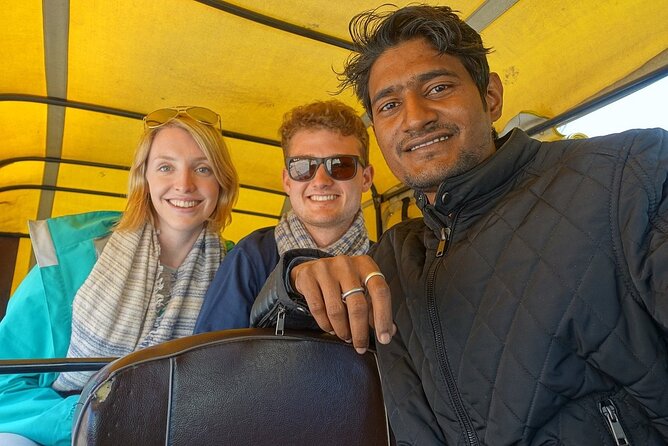
Hawa Mahal—Palace of Wind—is the Jaipur photo classic for a reason. It was built in 1799 and is famous for its honeycomb-style facade with 953 tiny windows. The idea was tied to privacy for royal women, and the design also helps with airflow.
Your time here is about 45 minutes. Entrance fees are not included, so you’ll decide on the spot whether you want to pay for access depending on your interests and how the day is going. Even if you don’t go inside, you can still enjoy the facade from the street and take great photos.
A useful way to think about Hawa Mahal: it rewards angles. From one side it looks like patterns; from another it looks like a wall of windows. If your guide suggests where to stand, it’s worth following—that’s how you avoid ending up with the same boring photo everyone else gets.
Royal Gaitor Tumbas: A Quiet Stop That Changes the Mood
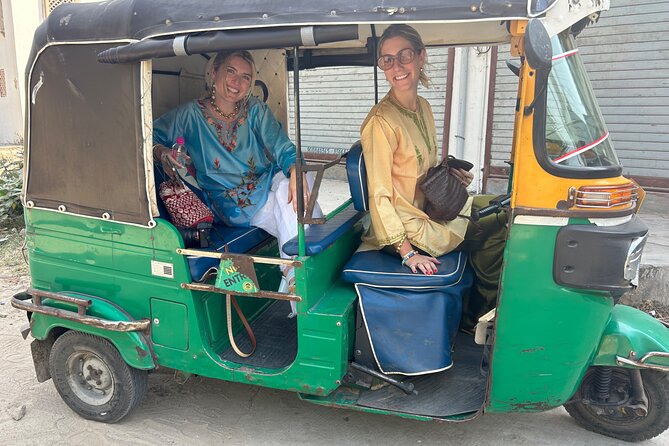
Royal Gaitor Tumbas (Gaitore) is the royal cremation ground of the Kachhwaha Rajputs. It was established after the capital moved to Jaipur, and it dates back to 1733. This stop isn’t about crowds or big ticket lines. It’s about context and atmosphere.
You’ll have about 45 minutes here. Admission tickets aren’t included, but the experience is typically less about paid interiors and more about seeing the site and hearing what it represents.
Consideration: this can feel solemn compared with the more famous palaces and forts. If your group is expecting nonstop spectacle, this is where you’ll need to shift gears a little and treat it like a story-driven cultural moment.
You can also read our reviews of more private tours in Jaipur






Jal Mahal on Man Sagar Lake: Short, Scenic, and Mostly External Views
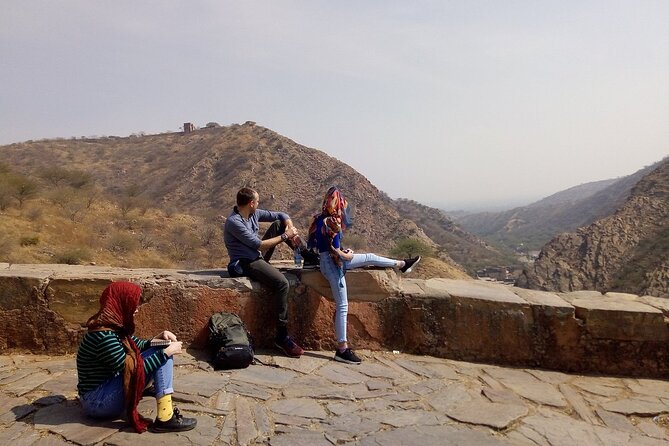
Jal Mahal means Water Palace, and it sits in the center of Man Sagar Lake in Jaipur. Your stop is brief—about 15 minutes—and entry is listed as free.
This is the kind of stop where expectations matter. You’re not settling in for a long visit. You’re getting a quick look and photos, usually from the surrounding viewpoints. The value here is the visual contrast: palace-like architecture framed by water.
If you’re photographing, move quickly but don’t rush. Light changes across the day, and even a few minutes can make your best angle look like a whole different scene. This stop works well as a breather between bigger sites.
Amer Fort (UNESCO): The Big One That Deserves Real Time
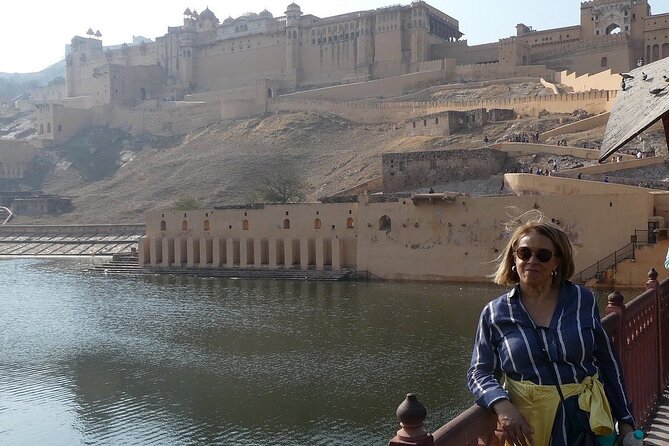
Amer is about 11 kilometers from Jaipur, and it’s famous for its palace and fort complex—also a UNESCO World Heritage site. This is your longer fort stop, around two hours, so you’re not just passing by.
You’ll explore intricate architecture and key highlights such as the Sheesh Mahal. Even without going into every room, two hours gives you enough time to understand the layout and see why it’s considered a top destination in the region.
The experience lists admission as free for this stop, which is a meaningful value point for your budget. Still, the day won’t feel free if you ignore comfort basics. Wear shoes you can walk in. Fort complexes can mean uneven surfaces and lots of steps.
Also: Amer is a place where having a guide matters. If you understand what you’re looking at—court areas, decorative spaces, and the overall fort layout—the time feels like more than just movement.
Pink City Markets: Shopping With a Time Limit (And Good Targets)
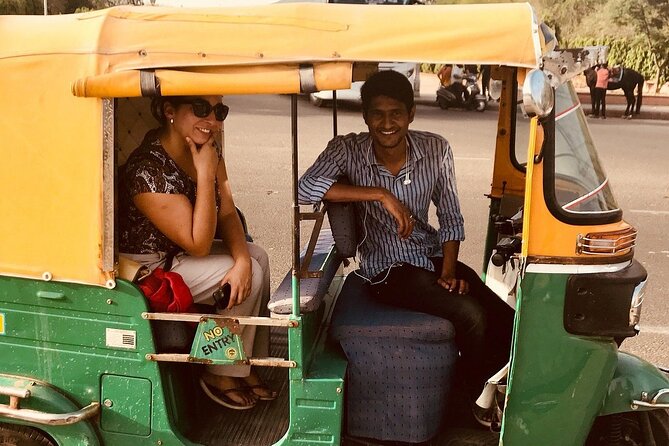
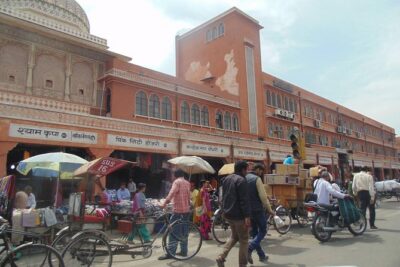
After Amer, you’ll head into the Pink City. This is where Jaipur’s identity turns into everyday life—lively markets, local crafts, and plenty of opportunities to buy gifts that actually feel connected to Rajasthan.
You’ll have about one hour here, and admission is free. The tour information highlights specific shopping items you might look for: Lehariya sarees, Meenakari work pieces, and embroidered bed sheets. That’s a practical list, because one hour disappears fast if you’re not sure what to shop for.
A simple strategy: pick one or two categories before you arrive. If you try to do everything—textiles, jewelry, home decor—you’ll end up overwhelmed and maybe paying more than you meant to. If your driver-guide is good (and reviews specifically mention helpful tips), ask what’s worth focusing on and what to watch out for.
Also, it’s smart to bring a realistic spending plan. Markets can feel fun, but the clock is your friend here. One hour is exactly long enough to buy a couple of meaningful items without turning the day into a shopping marathon.
Guides Make the Difference: Mohsin Ali, Sonu, and Imran’s Value
The best thing about this tour isn’t the route list—it’s the people running it. The reviews clearly highlight named guides and specific strengths.
Mohsin Ali is mentioned for stepping in even with short notice, and for being a safe driver with a comfortable tuk-tuk. Sonu stands out for polite service and excellent English, plus an engaging style that helps you understand what you’re looking at. Imran is praised as a great driver who also gave excellent tips, and there’s an important flexibility point: you can customize the trip if you ask.
Why that matters: in Jaipur, a guide who can translate what you see into something you understand makes even the quick stops feel worthwhile. A 15-minute pause at Jal Mahal can feel like a waste—or it can feel like a moment you remember—depending on how it’s framed.
Price and Value: A Low-Fare Private Day With Costs to Watch
At $6.10 per person, this tour sounds almost too good to be true—especially because it’s private. The value comes from what’s already included: hotel pickup and drop-off, fuel, parking charges, taxes, and bottled water.
That’s a real benefit when you’re trying to control expenses on the ground. You’re not paying separately for transport fuel, you’re not worrying about parking tickets, and water is handled.
The one cost you should plan for is monument entrances. Several major stops list admission tickets as not included. Others are listed as free (Jal Mahal, Amer, Pink City), which helps balance the budget.
Also watch how private tours work financially. When it’s truly private, your per-person price often depends on how many people are in your group. If you’re traveling as a couple or small group, you can still get a strong deal. If you’re solo, you may find the entrance fees become a larger share of your total day.
Best For What Kind of Traveler
This tour fits first-timers and time-crunched travelers who want the top Jaipur sights with minimal hassle. It’s also a smart pick if you’d rather sit in a comfortable tuk-tuk than do long walking routes between distant landmarks.
It can also work for families, as long as children are accompanied by an adult. The structure is practical: multiple short-to-medium stops, a longer fort visit, and a marketplace segment with a clear time window.
If you’re the type who wants to linger for hours inside museums or take your time with deep reading, you may feel slightly rushed. The pacing is built for coverage, not slow contemplation.
Should You Book This Jaipur Tuk-Tuk Tour?
I’d book it if your goal is a smooth, high-coverage Jaipur day with a private tuk-tuk and a guide who can explain what you’re seeing. The included pickup/drop-off, fuel, parking, taxes, and bottled water make it feel easy on arrival. And the named guides mentioned—Mohsin Ali, Sonu, and Imran—signal that you’re likely to get real service, not just a ride.
I’d think twice if your budget is tight and you hate paying on-site for entrance fees at multiple major stops. If you’re okay planning for those tickets, this tour is a strong value way to see Jaipur’s big highlights without turning the day into a transportation problem.
FAQ
How long is the Jaipur private tuk-tuk tour?
It runs about 8 hours.
Is hotel pickup and drop-off included?
Yes. Pickup and drop-off from your hotel is included.
Are entrance fees to monuments included?
No. Monument entrance fees are not included for some stops, while others are listed as free.
What stops are included on the day?
The tour includes City Palace of Jaipur, Jantar Mantar, Hawa Mahal, Royal Gaitor Tumbas, Jal Mahal, Amer, and time in the Pink City markets.
Is the tour private?
Yes. It’s a private tour/activity, so only your group participates.
What’s included in the price?
Fuel, parking charges, taxes, bottled water, and hotel pickup and drop-off are included.
Can I cancel for a refund?
Yes. Free cancellation is available up to 24 hours in advance for a full refund.