REVIEW · JAIPUR
Jaipur: Private Guided Spritual Tour In Jaipur
Book on Viator →Operated by Shadow Trips · Bookable on Viator
Jaipur can feel busy, but this tour turns it into a calmer, faith-focused loop through key sights. What makes it interesting is the private live guide approach, plus the mix of Krishna devotion stops and major architecture stops that you can tailor to your interests. I especially like how the route builds in simple timing at each stop, and I also like the practical perks like water and an umbrella for when the weather has ideas of its own.
One possible drawback: the day runs on a tight schedule, with many stops listed at about 30 minutes, so you’ll want to come ready with what you really want to see. Also, the listed price is very low, but meals and tips are not included, so budget for those add-ons.
In This Review
- Key highlights you should care about
- A Spiritual Jaipur Route Built for Your Pace
- Start Where the City’s Iconic Walls Begin: Hawa Mahal Area
- Jagat Shiromani Ji Temple: A Quiet Krishna Start
- Panna Meena ka Kund: Stepwell-Spotting Without the Overkill
- Jal Mahal Photo Stop: Palace on the Water, Just Enough Time
- Hawa Mahal’s 953 Windows: Seeing the Design Behind the Fame
- Birla Mandir Temple: White Marble Calm for Lakshmi Narayan Devotion
- Galtaji, Govind Devji, and Moti Dungari: Three Devotion Stops in One Flow
- Galta Ji Temple
- Govind Dev Ji Temple (Krishna devotion)
- Moti Dungari Temple (Ganesh devotion)
- Private Transport, Air-Conditioned Comfort, and the Small Perks That Matter
- Price and Value: What $5 Really Buys, and What You Still Need to Plan
- Choosing This Tour: Ask for the Right Guide, Set the Tone Early
- Should You Book This Jaipur Private Spiritual Tour?
- FAQ
- FAQ
- How long is the Jaipur private guided spiritual tour?
- Is this tour private or shared with other groups?
- Do you offer pickup and drop-off in Jaipur?
- Where does the tour start and end?
- Are admission tickets included for the stops?
- Is the vehicle air-conditioned?
- What is included in the tour price?
- Are meals included?
- Is tipping included?
- Can I customize the itinerary based on my interests?
Key highlights you should care about
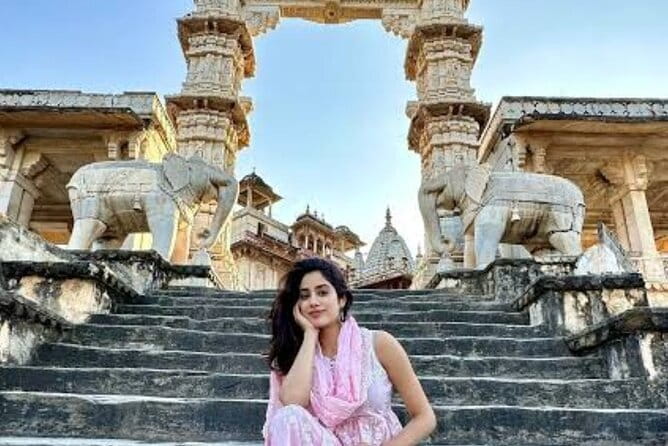
- Private guide with itinerary flexibility: you can customize based on your spiritual interests and available time
- Hawa Mahal’s 953 jharokhas: five stories, small window design meant for royal women to observe
- Temple-to-temple spiritual flow: Krishna shrines plus Ganesh devotion stops in one route
- Photo stops included: you’ll get a dedicated moment for Jal Mahal en route
- Easy comfort package: air-conditioned private sightseeing with water bottle and umbrella
- Stops note free admission: the tour info lists admission ticket free for each stop
A Spiritual Jaipur Route Built for Your Pace
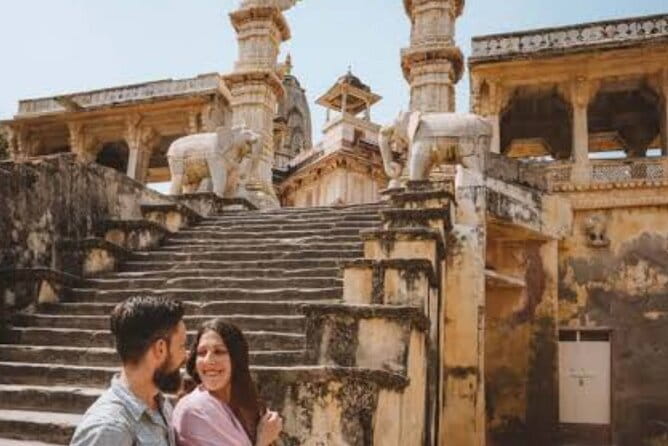
This isn’t a wandering race. It’s a focused loop that aims to connect what you see with what it means to the people using it today. A private guide is the big value here: they can explain the religious significance and the cultural heritage behind each site, so the visit feels more like understanding than just looking.
You’ll move through a set of spiritual landmarks tied to Hindu devotion, with multiple stops connected to Krishna—plus a Ganesh temple stop and a famous marble shrine dedicated to Lakshmi Narayan. If you like the idea of aligning your photos with meaning, this style of itinerary works well.
I also like that the tour is built around timing that won’t burn your legs. Many stops are listed at around 30 minutes, which means you can see the highlights, take a few photos, and then move on—no endless waiting around. The trade-off is that if you want a long, slow sit-down at every shrine, you may feel slightly rushed unless you add time or ask your guide to adjust.
You can also read our reviews of more guided tours in Jaipur


Start Where the City’s Iconic Walls Begin: Hawa Mahal Area
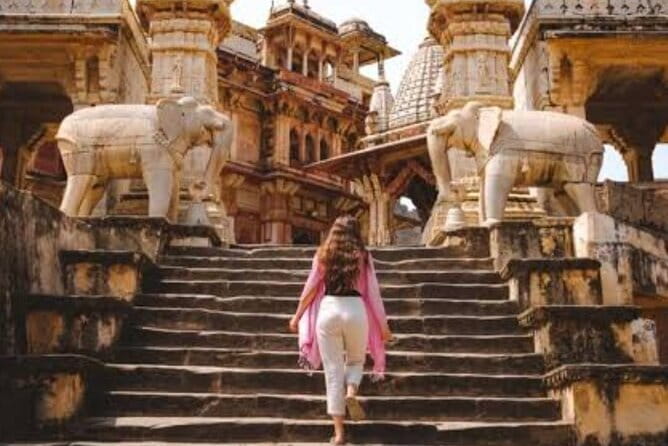
The meeting point is at Hawa Mahal Rd, Badi Choupad, J.D.A. Market, Kanwar Nagar, Jaipur, Rajasthan 302002. The good news is it’s described as being near public transportation, so you can usually get there without stress if you’re staying in the broader central zone.
The tour duration is about 4 to 5 hours, and it ends back at the same meeting point. That matters because Jaipur traffic can turn a short day into a long one. A route that returns you to where you started is simpler for your evening plans—especially if you’re pairing this with dinner, another attraction, or an early rest day.
If you’re sensitive to heat, the schedule helps you because you’ll be moving and stopping rather than spending long stretches in transit. Still, bring sunglasses and hydration instincts. Even with a water bottle included, Jaipur can be dramatic in the sun.
Jagat Shiromani Ji Temple: A Quiet Krishna Start
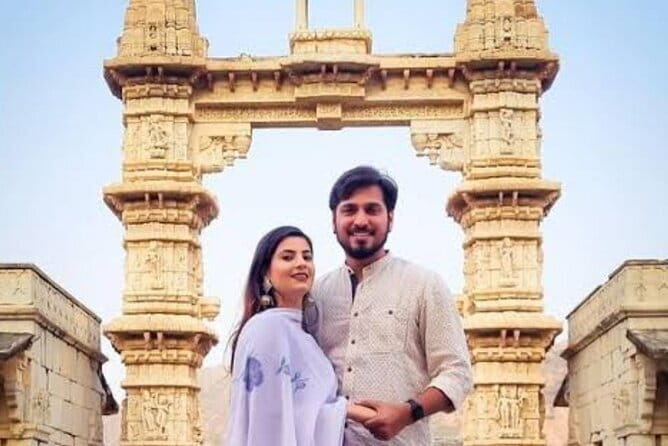
You begin at Jagat Shiromani Ji Temple, dedicated to Lord Krishna. The tour notes that you’ll have time to explore the temple and capture architectural elements along with the calm atmosphere around it.
What I like about starting here is the mood shift. Instead of launching straight into a major photo monument, you ease into the spiritual side first. Early on, you’re more likely to notice small details: how people move through the space, how the shrine area feels, and how the setting supports worship rather than just sightseeing.
The main consideration is simply comfort and respect. Temples are living spaces, so keep your voice low and dress appropriately. The tour lists admission as free for this stop, which helps keep the day’s costs predictable.
Panna Meena ka Kund: Stepwell-Spotting Without the Overkill
Next is Panna Meena ka Kund, described as a storage place from the 16th century. It’s another stop with about 30 minutes, and admission is listed as free.
Stepwells in Rajasthan aren’t just cool architecture. They reflect practical engineering and the way communities planned for water in dry seasons. Even if you’re not deep into history, a guide can help you connect the structure to why it mattered to daily life.
The only drawback here is that if you’re expecting a long, multi-room experience, you may find the time short. But for most people, 30 minutes is enough to understand the basics, take photos, and get your bearings for the rest of the day.
Jal Mahal Photo Stop: Palace on the Water, Just Enough Time
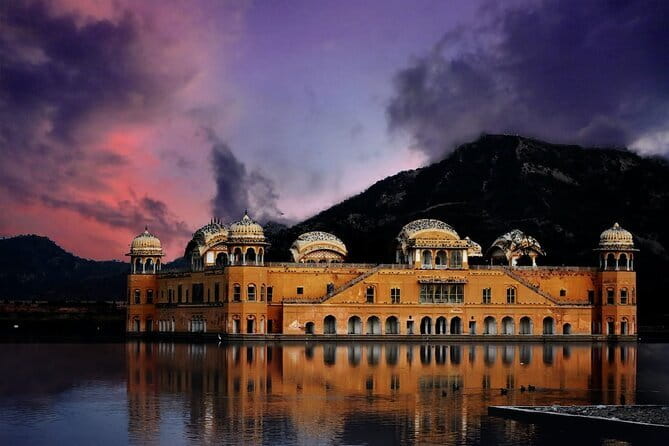
You’ll then stop at Jal Mahal for a photo moment. The description calls it a picturesque palace located in the middle of Man Sagar, and it’s listed as a 30-minute stop with free admission.
This is a classic Jaipur postcard view, but it works better when you aren’t trying to do everything at once. The value here is that you get dedicated time to pause and frame the shot without cramming it between larger temple stops.
Consideration: photo stops can be quick by nature. If the light is wrong or you want multiple angles, tell your guide quickly so you can use your time well. Also, you’ll want to stay aware of your surroundings—around water and public areas, it’s easy to lose time while repositioning for the perfect shot.
You can also read our reviews of more private tours in Jaipur




Hawa Mahal’s 953 Windows: Seeing the Design Behind the Fame
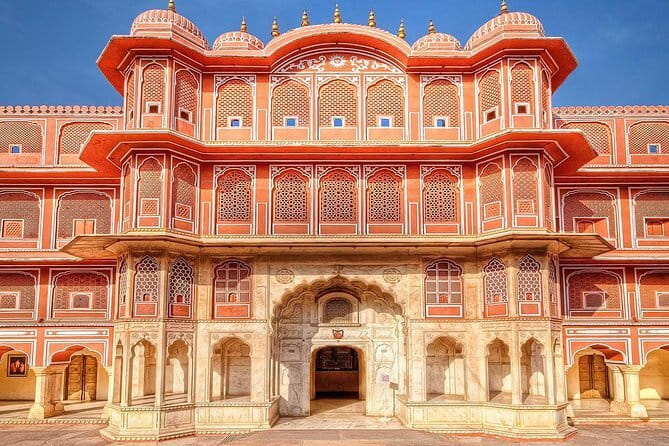
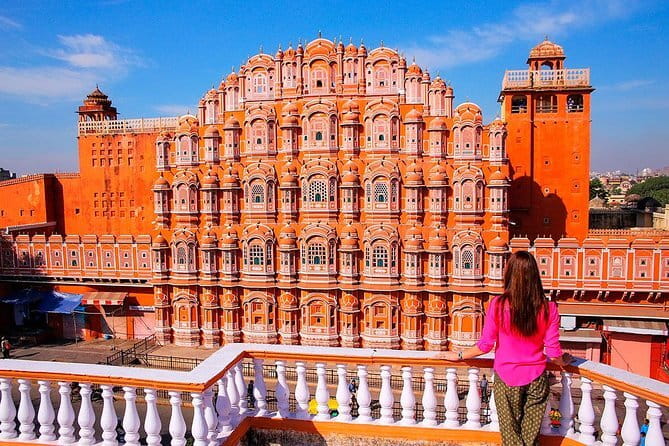
Then comes the big icon: Hawa Mahal, the Palace of Breeze. The tour highlights a five-story facade with 953 small windows called jharokhas, designed for royal women to observe from within.
This stop is what people often come for, but the guide makes it more than a photo wall. You’ll learn how the design functioned, not just what it looks like. The jharokhas are the star detail—each window is part of the building’s purpose, and you start to see the logic of the facade rather than treating it as decoration.
Time is about 30 minutes, so go in with a plan:
- Spend a few minutes walking and getting a clean view of the facade.
- If you’re into geometry and design, look for how the rows of windows stack across floors.
- Then grab your photos and move on before the day heats up too much.
The main consideration here is crowd and pacing. This area is famous, so you may need patience. A private guide helps because they can point you to good angles and keep the flow moving.
Birla Mandir Temple: White Marble Calm for Lakshmi Narayan Devotion
After Hawa Mahal, you visit Birla Temple (Lakshmi Narayan Temple). It’s described as a masterpiece of white marble architecture dedicated to Lord Vishnu and Goddess Lakshmi.
What I appreciate about including Birla Mandir in a spiritual loop is contrast. You’ve just seen a royal architecture icon; now you get a shrine designed for devotion with a strong visual identity. The white marble can look especially striking in daylight, and a guide can explain what you’re looking at so it doesn’t turn into just another landmark stop.
The tour lists admission as free for this location too, and you’ll have around 30 minutes. That’s enough time to appreciate the marble look, understand the dedication, and take a few photos without turning it into a rushed event.
Tip for your side of the day: if you plan to pray or sit quietly, aim for the first few minutes. If you wait until the crowd swells, you might spend your limited time just trying to find space.
Galtaji, Govind Devji, and Moti Dungari: Three Devotion Stops in One Flow
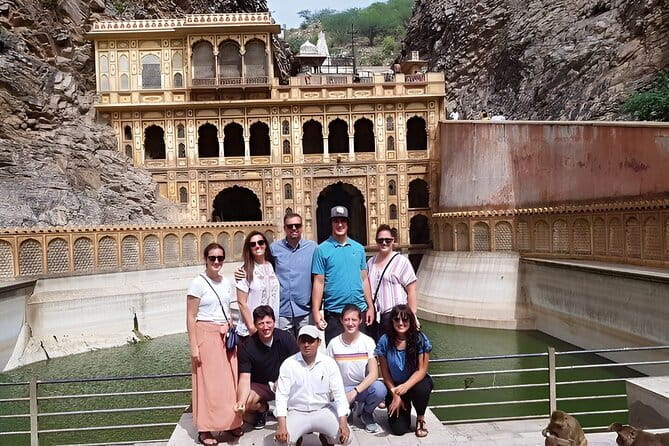
The second half of the tour shifts from landmark architecture back into active spirituality. You’ll visit Galta Ji, then Govind Dev Ji Temple, and finally Moti Dungari Temple, which is dedicated to Lord Ganesha. Each stop is listed as about 30 minutes with admission free.
Galta Ji Temple
Galta Ji is described as a spiritual place, and the tour gives you time to explore. This is the kind of stop where a guide’s explanation really helps. Even with limited time, you can pick up what makes the place meaningful to locals and devotees—more than just the physical layout.
Govind Dev Ji Temple (Krishna devotion)
Then you go to Govind Dev Ji Temple, dedicated to Lord Krishna. The description emphasizes its importance to locals and devotees who come to seek blessings.
This is one of the key Krishna anchors of the route, and it keeps the spiritual theme consistent. If you’re hoping the tour feels like a coherent devotional journey, this stop helps connect the dots rather than treating temples as stand-alone sights.
Moti Dungari Temple (Ganesh devotion)
Finally, Moti Dungri Temple is dedicated to Lord Ganesha. Again, you get about 30 minutes to capture the spiritual essence and architectural beauty.
Ganesha devotion is a smart inclusion because it shifts the focus from Krishna to a different kind of spiritual presence. It’s also a great way to broaden your understanding of how different forms of devotion show up across Jaipur.
One practical consideration for this whole stretch: temple etiquette. Keep your voice down, avoid blocking entrances, and follow the flow of worship. When you act smoothly, your time feels better—and your photos usually come out better too.
Private Transport, Air-Conditioned Comfort, and the Small Perks That Matter
A big part of the appeal is that sightseeing is done with private air-conditioned transportation, from pickup to drop-off. The tour notes transportation is included for pickup and drop-off anywhere within Jaipur, but it depends on the option you selected.
You’ll also have free water bottle and umbrella provided, plus parking charges, tolls, fuel, and taxes are listed as included. These details sound small, but they add up fast in a city where small costs and sun exposure can ruin a good day.
Because this is private, it’s only your group. That matters in religious spaces. It’s easier to ask questions, pause when you want, and not feel like you’re competing with a larger crowd rhythm.
Price and Value: What $5 Really Buys, and What You Still Need to Plan
The tour is listed at $5.00 per person, and it includes a private guided experience, air-conditioned private transport, and the temple-photo itinerary. That’s an extremely low base price, so you should understand what it likely means: you’re paying for the guide + vehicle + included costs, not for your full day expenses.
The notes also clearly list that meals are not included, with a $20.00 per person figure shown in the non-included section. And it lists tips as not included, with $10.00 per person.
So the value question becomes simple: if you’re okay handling lunch on your own and you plan to tip your guide, the base tour cost becomes a bargain. If you want meals included in the price, this isn’t that kind of package.
The best way to protect your budget is to go in with a meal plan and keep some cash or payment method ready for tips.
Choosing This Tour: Ask for the Right Guide, Set the Tone Early
The tour experience is strongly guide-driven. The overview mentions that a private guide can provide insights into the religious significance and cultural heritage of each monument, and that the itinerary is a suggested plan you can customize.
Reviews include praise for a guide named Indra, including the way he matched what the visitor wanted and worked in major highlights like Amber Fort. That’s a useful signal: your guide may adjust the route if you express your interests clearly and if time allows.
To get the most value out of a spiritual day like this, I’d do two things before you start moving:
- Tell your guide what you care about most: Krishna devotion, architecture design, or a mix.
- Ask for a practical pacing plan so you don’t feel rushed at the icon stops.
And yes, bring respectful questions. Temple spaces reward curiosity, as long as you keep your tone calm and your actions considerate.
Should You Book This Jaipur Private Spiritual Tour?
Book it if you want a private guide, a structured spiritual route, and a day that balances devotion with major Jaipur sights like Hawa Mahal. It’s also a good choice if you’re short on time and want an efficient 4 to 5 hour plan that still feels meaningful.
Skip or reconsider if you want long, slow worship time at each site, or if you dislike planning for meals and tipping separately. Also, if you’re extremely sensitive to crowds at Hawa Mahal, know that this stop is famous and may require patience.
FAQ
FAQ
How long is the Jaipur private guided spiritual tour?
It runs about 4 to 5 hours (approximately).
Is this tour private or shared with other groups?
It is private. Only your group will participate.
Do you offer pickup and drop-off in Jaipur?
Yes. The tour provides transportation for pickup and drop-off anywhere within Jaipur, depending on the option you select.
Where does the tour start and end?
It starts at Hawa Mahal Rd, Badi Choupad, J.D.A. Market, Kanwar Nagar, Jaipur, Rajasthan 302002, India, and it ends back at the same meeting point.
Are admission tickets included for the stops?
The tour information lists admission ticket free for the listed stops.
Is the vehicle air-conditioned?
Yes. From pick-up to drop-off, sightseeing is included in a private air-conditioned vehicle.
What is included in the tour price?
Included items are private guide, private air-conditioned sightseeing, free water bottle and umbrella, and parking charges, tolls, fuel, and taxes (depending on the option selected).
Are meals included?
No. Meals are not included, and the non-included section lists $20.00 per person.
Is tipping included?
No. Tips are not included, and the non-included section lists $10.00 per person.
Can I customize the itinerary based on my interests?
Yes. The itinerary is suggested, and you can customize it based on your spiritual interests and available time.