REVIEW · JAIPUR
Jaipur: Private Full-Day City Tour by Tuk-Tuk or Car
Book on GetYourGuide →Operated by Rajasthan India Tour Driver · Bookable on GetYourGuide
Jaipur makes more sense with a local guide. This private full-day plan pairs a tuk-tuk ride (or car) with an English- or Hindi-speaking driver-guide storytelling style, so the big sights connect to how Jaipur works day to day. Guides like Vinod, Hani, and Adil are repeatedly praised for keeping things friendly, flexible, and story-rich.
I love the sheer practicality of the day: hotel or airport pickup and drop-off, private transport, and plenty of planned photo stops so you can actually see things instead of just racing between them. I also like that you don’t just tick monuments; you get context at stops such as Jantar Mantar and UNESCO World Heritage–linked sites, explained in a way you can remember while the city is still in your head.
One consideration: entrance fees and lunch are not included, and there’s a moderate amount of walking. If you’re visiting during the hottest hours, plan for slower pacing and comfy shoes, especially around the fort areas and the stepwell.
In This Review
- Quick hits you’ll care about
- A tuk-tuk day that keeps Jaipur real
- Starting at the Jaipur Wholesale Flower Market (before the day heats up)
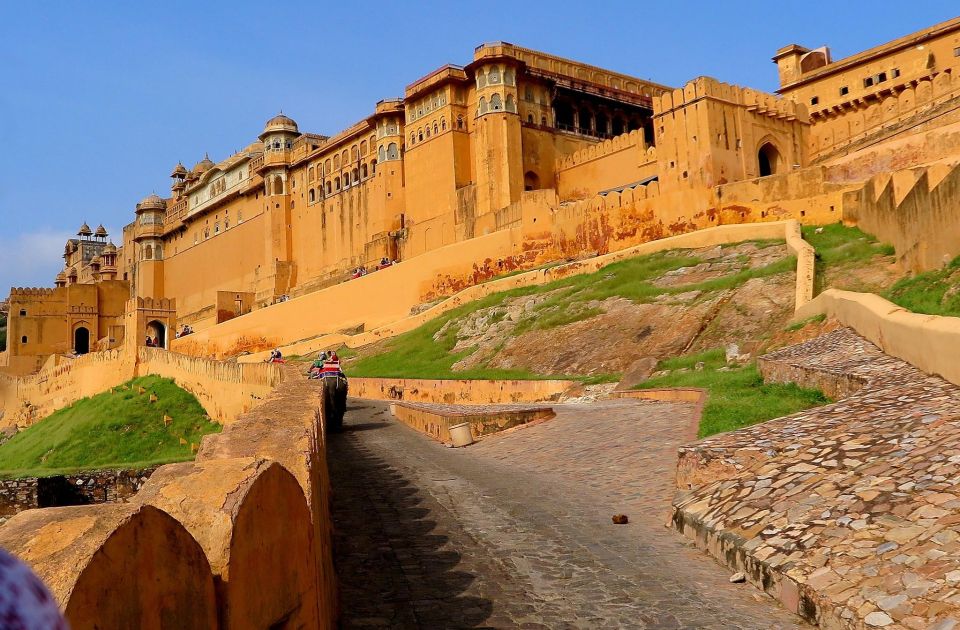
- Amber Fort: the big views and the reason it’s famous
- Panna Meena ka Kund: a stepwell that feels quieter than you expect
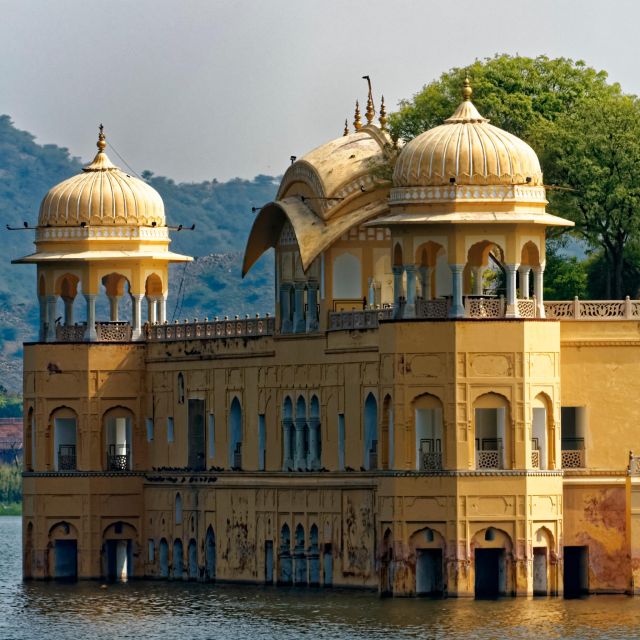
- Jal Mahal by Man Sagar Lake: photo stop with a story behind it
- City Palace: royal residence turned museum space
- Jantar Mantar: astronomy tools you can still see in use
- Hawa Mahal and Albert Hall Museum: two different moods, same day
- Hand-block printing factory stop: watch the craft, not just the product
- Tuk-tuk versus car: which one fits your day
- Skip-the-ticket timing and what you still need to pay
- Price and value: $10 per group up to 3, and what that really covers
- Who this tour suits best
- Should you book this Jaipur Private Full-Day City Tour?
- FAQ
- What’s the duration of the Jaipur private full-day city tour?
- Where are pickup and drop-off provided?
- Is this tour private, and does it include a guide?
- Are entrance fees included?
- Is lunch included?
- Can I skip the ticket line?
- What language is the driver/guide?
- What should I bring, and are there restrictions?
Quick hits you’ll care about
- Private tuk-tuk or car ride: easier sightseeing without the hassle of group logistics.
- Morning flower market start: you get a real look at local routines inside the walled-city area.
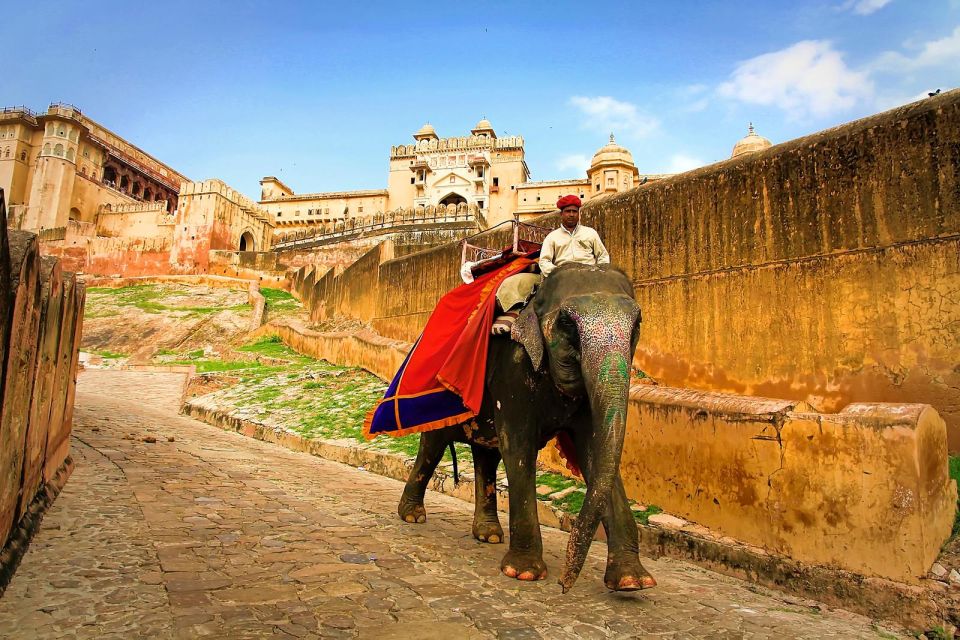
- Amber Fort + Panna Meena ka Kund: big views above the city, then quiet steps down to a well below.
- Jal Mahal photo stop at Man Sagar Lake: a classic Jaipur landmark timed for good pictures.
- City Palace to Jantar Mantar: royal power and science tools in one long arc of understanding.
- Hand-block printing factory stop: a craft break that feels hands-on, not rushed.
A tuk-tuk day that keeps Jaipur real
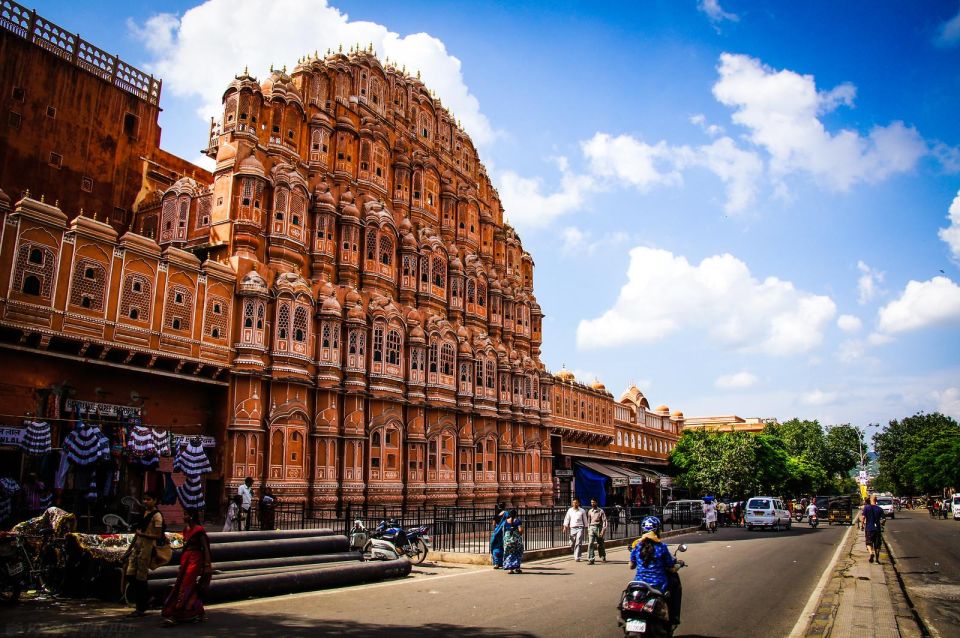
This tour is built for people who want the headline sights without losing the street-level feel of Jaipur. You’ll start with a morning market experience inside the walled-city area, then move into the forts, palaces, and astronomy site that make Jaipur famous.
What makes it work is the private format. You can ask questions, take extra photos without feeling guilty, and adjust at key moments. In the reviews, guides like Vinod and Adil get credit for being flexible with what you want to see and for adding local stops that fit your interests, including street-food moments (when you’re up for that).
Your guide and driver usually travel with you in English or Hindi, so you’re not stuck guessing. And with a tuk-tuk option, the pace feels like Jaipur instead of a bus tour.
You can also read our reviews of more city tours in Jaipur


Starting at the Jaipur Wholesale Flower Market (before the day heats up)
The day begins at the Jaipur Wholesale Flower Market, starting around 7:00 AM. This matters because markets are where you see the city’s rhythms without the performance layer that can show up later in the day.
Inside the walled-city area, you’ll notice how locals move for work: vendors setting up, deliveries, sorting, and the general flow of people doing practical things. It’s one of those experiences where you can pause and watch for five minutes and still feel like you learned something.
Practical tip: wear comfortable shoes you can walk in. This part is typically less about monuments and more about being present—so you’ll get more out of it if you slow down.
Amber Fort: the big views and the reason it’s famous
Next up is Amber Fort, with about two hours allocated for photo stops, a guided visit, and sightseeing. The fort sits on a hill, so the views over Jaipur are part of the point. You’ll get that classic “this is why people build here” perspective, plus architecture context from your guide.
Two things to plan for:
- The fort area involves moderate walking and uneven ground in spots.
- You’ll want to time your photos with your guide, so you’re not scrambling when the light is changing.
The benefit of the guided format here is that you’re not just looking at walls and courtyards. Your guide helps you connect what you’re seeing to the history and design choices behind it. That turns the stop from a quick photo sprint into something you actually carry with you later.
Panna Meena ka Kund: a stepwell that feels quieter than you expect
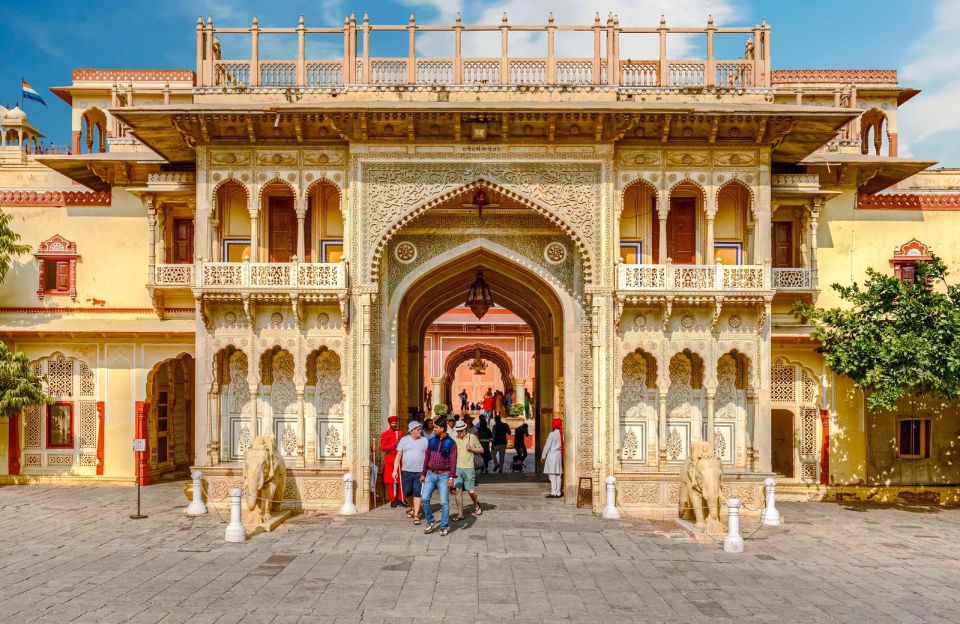
Then you head to Panna Meena ka Kund (Panna Meena ka Kund / Panna Meena Stepwell) for a shorter, focused stop—about 30 minutes. Expect photo time, a visit, and guided explanation.
This one is special because it’s not trying to impress you from far away. You go down the steps toward the well below, and the experience shifts from city-view sightseeing to a calmer, geometric-feeling space. The tour description highlights its ancient character and architectural geometry, and that’s exactly how it should be experienced: slow enough to notice the structure, quick enough that you don’t feel rushed.
Practical tip: bring the same shoe mindset you used for the market. If you’re sensitive on stairs, go steady and give yourself a buffer.
Jal Mahal by Man Sagar Lake: photo stop with a story behind it
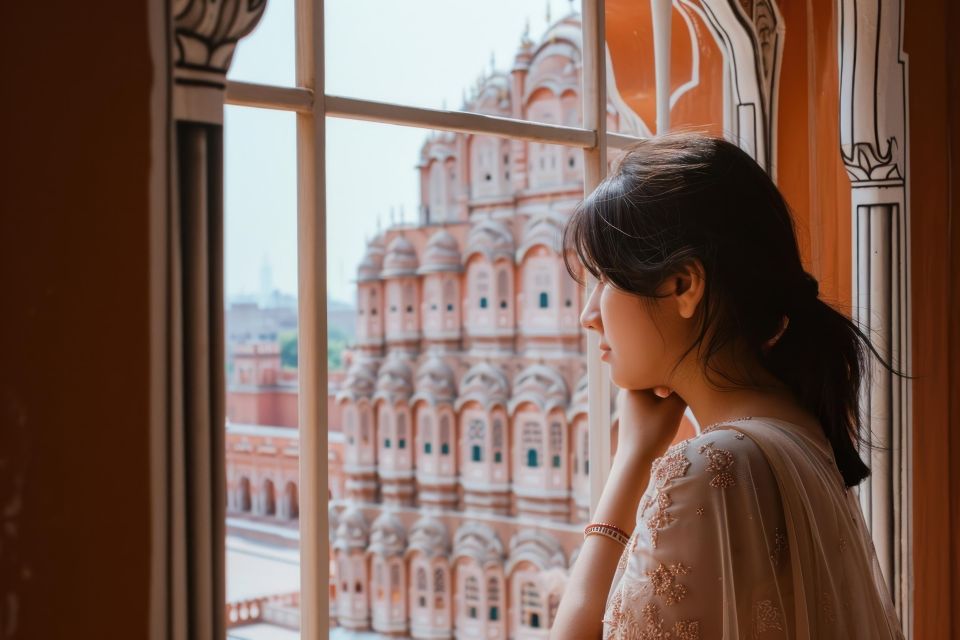
Your next landmark is Jal Mahal, positioned in Man Sagar Lake. You’ll have around 30 minutes for photo stops, a visit, and guided commentary.
This stop works best if you treat it like a pause—not the main event. The palace is meant to be seen with the water and the surrounding lake setting, so you’ll get more from it if you take your time with angles. A good guide will also help you understand what you’re looking at instead of just pointing.
If you’re thinking about photos: wear something comfortable and keep your camera ready, but don’t stand too long in one place if you see better perspectives nearby.
You can also read our reviews of more private tours in Jaipur






City Palace: royal residence turned museum space
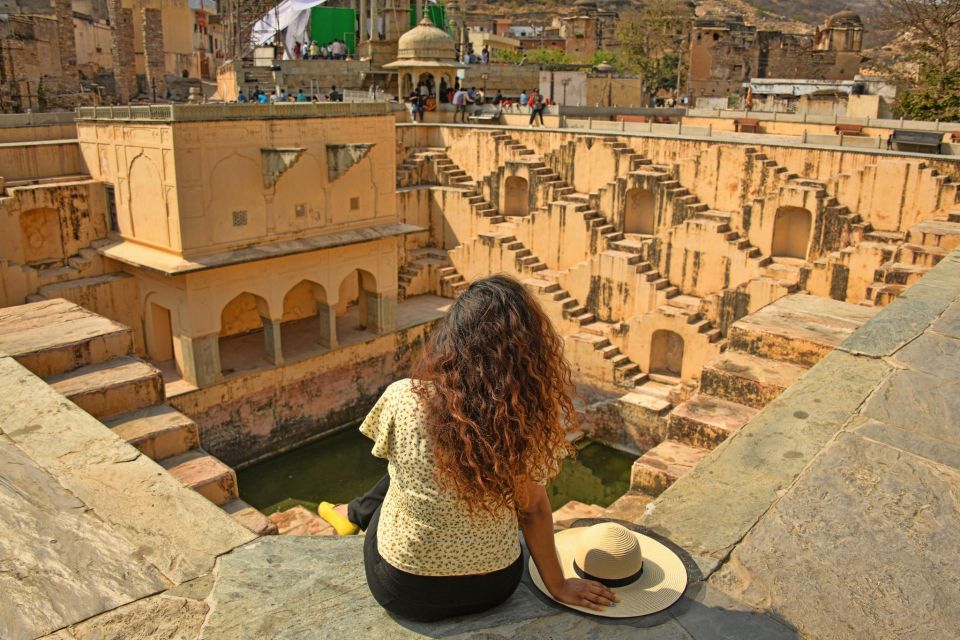
After lunch on your own, you’ll visit City Palace, Jaipur for roughly two hours, including a guided tour and sightseeing. This is where the story of Jaipur’s rulers becomes visible in daily space.
Here’s what you should expect based on the description: it once served as the home of the Maharaja of Jaipur and head of the Kachwaha Rajput clan. Today, it functions as an iconic museum while still preserving that royal essence. Your guide helps connect the architecture and the museum setting to the power and tradition behind it.
If you like museums that feel like part of the city rather than a separate building world, you’ll probably enjoy this stop. It’s also a good break from outdoor walking since you’ll likely be able to pace yourself during the guided sections.
Jantar Mantar: astronomy tools you can still see in use
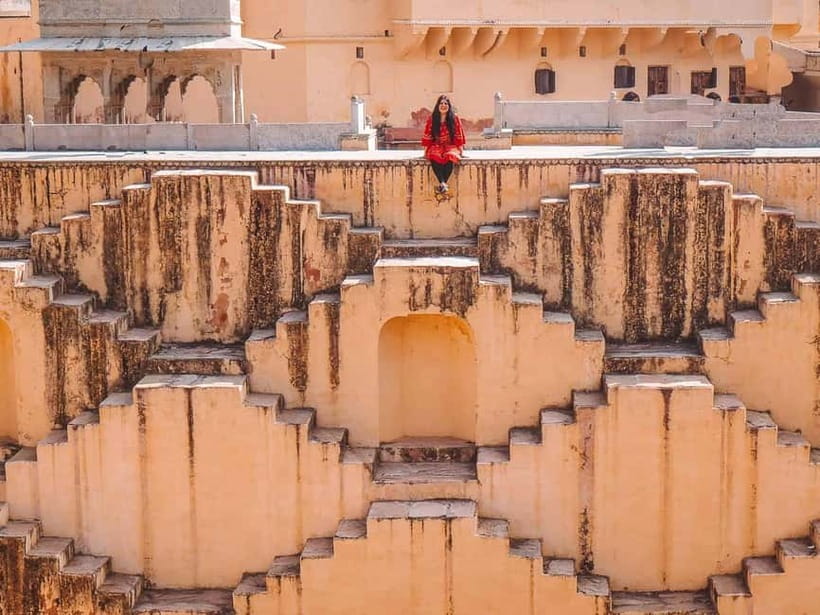
Next comes Jantar Mantar, Jaipur, with about one hour planned for photo stops and guided sightseeing. The standout point here is that you’re not just looking at old instruments; the tour description notes many of its architectural astronomical instruments are still used today.
That’s a big reason this stop earns its place on a full-day plan. It bridges the gap between culture and science. You’ll hear the history behind the UNESCO World Heritage context through your guide, plus why these instruments were built the way they were.
Practical tip: ask your guide to explain what you’re seeing while you’re standing there, not while you’re walking away. With sites like this, it’s easier to remember the “how” and “why” when you’re looking at the structure directly.
Hawa Mahal and Albert Hall Museum: two different moods, same day
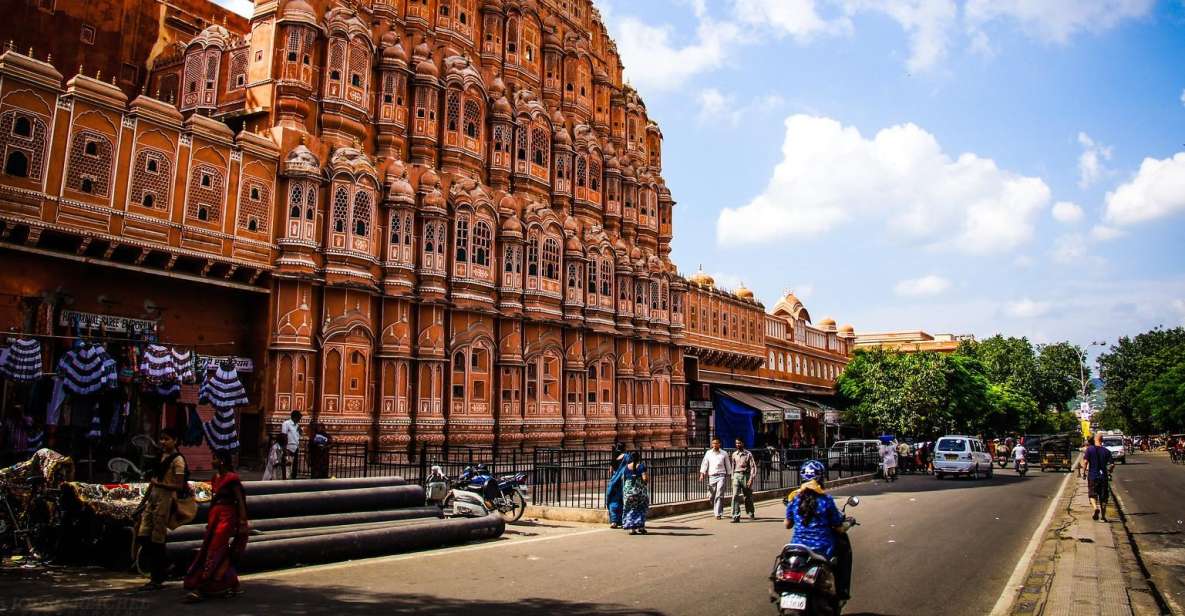
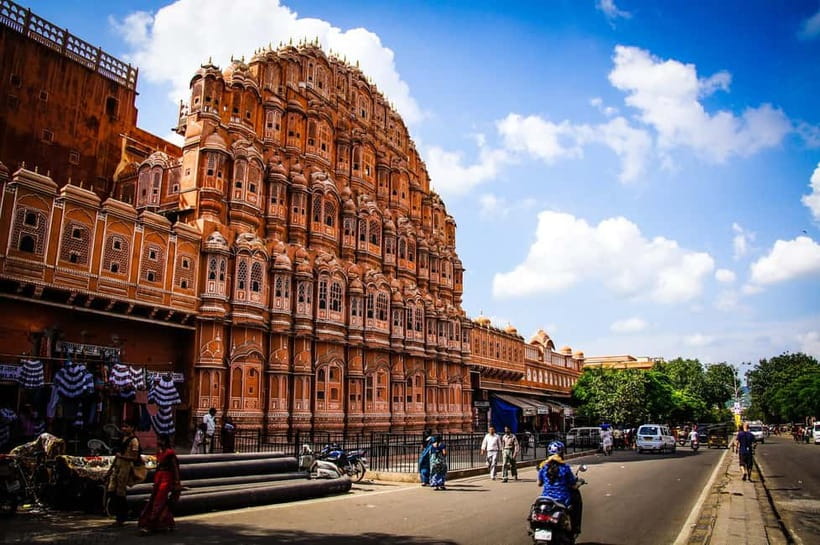
You’ll then move to Hawa Mahal, with around one hour for photo stops, a visit, and guided context. Your guide will talk through its history and architecture, and the whole experience fits the theme of Jaipur’s distinct visual identity.
After that, you’ll visit Albert Hall Museum for about one hour. This gives you a change of pace: from outdoor landmark sightseeing to a museum setting. Even if you’re not a hardcore museum person, a time-boxed stop like this can help you understand the city beyond forts and photo spots.
If you start getting sensory overload from too many stops in a row, this section is your natural reset. It’s also a good moment to rehydrate and regroup before the craft portion later.
Hand-block printing factory stop: watch the craft, not just the product
One of the quieter wins in the experience is the hand-block printing factory visit. The tour description says you can witness traditional arts and crafts being made and learn the process behind these pieces.
This is the type of stop that’s genuinely useful for your memory. You see how designs turn into fabric through repeated pattern work, and you learn what makes the craft different from mass production. It’s also a nice balance to the heavy architecture of the morning and early afternoon.
Practical tip: if you’re interested in buying later, take notes or photos of the steps you saw. It’s easier to pick a piece you’ll actually like when you understand what went into it.
Tuk-tuk versus car: which one fits your day
This tour offers private tuk-tuk or car. The difference is mostly about comfort and your preferred pace.
- Tuk-tuk can feel more local and flexible for short distances, especially in busy areas.
- A car can be easier if it’s very hot, if you’re tired, or if you have mobility concerns.
Either way, the big advantage is privacy. You still get the stop-by-stop guidance, but without squeezing into a shared vehicle where everyone’s on their own schedule.
Also pay attention to your guide and driver style. In the reviews, multiple guides are praised as warm, patient, and good communicators. That matters because a comfortable ride isn’t only about the vehicle—it’s also about how the day gets explained and managed.
Skip-the-ticket timing and what you still need to pay
Entrance fees to the monuments are not included. But the experience does include a note that you can skip the ticket line.
Here’s how to think about it practically: you should still budget for entrance charges separately, and you should confirm on the day what fees you’ll pay at each stop. The payoff of a skip-the-line process is time saved—especially at popular sites where queues can stretch.
Because this is a private day with set stop timing, you’ll feel the benefit of fewer waiting moments.
Price and value: $10 per group up to 3, and what that really covers
The price is listed as $10 per group up to 3 for a full 10-hour private day. That’s low enough that you should check value, not just price.
From what’s included, your money goes toward:
- Hotel or airport pickup and drop-off
- Private city tour structure
- Private transport (tuk-tuk or car) with a friendly driver
- Mineral water bottle
- Fuel surcharge and taxes (including GST)
- Private guiding for the sights (described as optional in one line, so if guiding at every stop is your priority, confirm it before you go)
What’s not included:
- Entrance fees
- Lunch
So the value equation is simple. If you can travel as a small group (up to 3), you get the privacy and local guidance that usually costs much more elsewhere. If you’re solo, you might still feel it’s worthwhile if you care about guided context at multiple major sites and want pickup included.
Who this tour suits best
This is ideal for you if:
- You want major Jaipur sights in one long day without joining a crowded group
- You like having a driver-guide who can answer questions and adjust stops
- You want a mix of monuments, local culture, and craft work (market + printing factory is a smart pairing)
It’s less ideal if you hate any walking at all. Between fort areas, stepwell stairs, and general walking time, you’ll want comfortable shoes and an easygoing pace.
Should you book this Jaipur Private Full-Day City Tour?
If you want a structured day with real context, I’d say yes—especially if you can go in a small group and you value having a local storyteller. The combination of private transport, a market start around 7:00 AM, major landmarks like Amber Fort, City Palace, and Jantar Mantar, plus a craft stop at a hand-block printing factory hits a lot of Jaipur angles in one pass.
Book it if you’re the type who likes to understand what you’re seeing, not just photograph it. And if you do book, plan on paying entrance fees separately and bring comfortable shoes and smart-casual clothing that works for temple visits. That way the day feels like Jaipur, not like a scramble.
FAQ
What’s the duration of the Jaipur private full-day city tour?
The tour is listed as 10 hours.
Where are pickup and drop-off provided?
Pickup and drop-off options include Kukas, Jaipur (with 2 pickup locations and 2 drop-off locations listed as Kukas, Jaipur).
Is this tour private, and does it include a guide?
It’s a private group experience with transport by private tuk-tuk (or car). The tour includes sightseeing with a private professional tour guide described as optional in the included section, so it’s smart to confirm guide coverage at stops.
Are entrance fees included?
No. Entrance fees to the monuments are not included.
Is lunch included?
No. Meals, including lunch, are not included.
Can I skip the ticket line?
The activity notes that you can skip the ticket line.
What language is the driver/guide?
The driver is listed as English and Hindi.
What should I bring, and are there restrictions?
Bring a passport or ID card and wear comfortable shoes and clothes. Smart casual dress is requested, and short shorts or sleeveless tops are not recommended in temples. Pets are not allowed, and luggage or large bags are not allowed.