REVIEW · JAIPUR
Jaipur: 2-Hour Cultural Walking Tour
Book on GetYourGuide →Operated by Yo Tours · Bookable on GetYourGuide
A 2-hour walk can change how you see Jaipur. This one is built for the old town: historic lanes, working shops, and temple stops that help you understand daily life behind the postcards. You get a guide who talks through what you’re seeing, not just what’s on a sign.
I especially like the way the tour connects major landmarks with small, lived-in details, like a traditional sword shop and a 150-year-old working camera. I also like the practical pacing for a short outing, with enough stops to feel like a real neighborhood experience rather than a rushed checklist.
The main drawback to plan for is timing and meeting-point clarity: in one case, the start location shifted and the tour reportedly ran shorter than expected. It doesn’t mean the tour is bad, but you’ll want to confirm where to meet and keep your shoes ready for a moderate walk.
In This Review
- Key Points Worth Knowing
- Why This 2-Hour Jaipur Walk Works So Well
- Meeting at Wind View Cafe: Get Your Bearings on the Street
- Hawa Mahal Views and the Architecture Story You Can Actually Use
- Markets, Temples, and Old Lanes with Real Day-to-Day Meaning
- The Sword Shop and a 150-Year-Old Working Camera
- Sawai Man Singh Town Hall: Ornate Details, Clear Context
- Jantar Mantar as a UNESCO Stop on a Short Timeline
- Shiva and Krishna Temples: Priests Who Keep the Tradition Going
- Finish at Golcha Cinema: A Clear Exit Back to Real Life
- Price and Value: Why $14 Can Make Sense Here
- Timing and Meeting-Point Reality Check
- Who Should Book This Tour (and Who Might Prefer Something Else)
- Should You Book This Jaipur Cultural Walking Tour?
- FAQ
- Where do I meet the guide for the Jaipur 2-hour cultural walking tour?
- How long is the tour?
- What languages is the guide available in?
- Are entrance fees included in the price?
- What should I bring for the walk?
- Is there a cancellation window for a full refund?
Key Points Worth Knowing
- Meet in front of Hawa Mahal at Wind View Cafe so you can get oriented fast
- Hawa Mahal, Sawai Man Singh Town Hall, and Jantar Mantar without spending your whole day in line-ups
- Lesser-known lanes and temple streets that explain how the old city functions
- A traditional sword shop and a 150-year-old working camera to see craft still in motion
- Shiva and Krishna temples run by a priest family with an intergenerational living tradition
- Two-language guide support (English and Hindi) plus local tips you can use after the walk
Why This 2-Hour Jaipur Walk Works So Well

Jaipur can feel overwhelming. There’s plenty to see, but you can also end up bouncing between must-sees with no sense of how they connect. This tour is designed to fix that. In two hours, you’re not just collecting sights—you’re learning the logic of the old city streets and why certain places matter to the people who maintain them.
What makes it especially good value is the mix: you’ll get landmark context at Hawa Mahal and Jantar Mantar, then you’ll step into quieter lanes where life looks more like it does day-to-day. A good guide matters here. The tour is led by a storyteller/guide in English and Hindi, focused on cultural stories and local insights, plus recommendations you can use to keep exploring after you’re done walking.
The practical side is simple: wear comfortable shoes. This is a moderate walking experience through older areas, and you’ll be outdoors for long stretches in warm weather.
You can also read our reviews of more walking tours in Jaipur



Meeting at Wind View Cafe: Get Your Bearings on the Street
You’ll start at Wind View Cafe in front of Hawa Mahal, with the meeting point set up so you can see the big landmark immediately. That’s not just convenient—it’s the best way to understand Jaipur’s scale. From the start, you’re placed where you can recognize what you’re looking at before you start turning into narrower streets.
Here’s the helpful mindset: treat the first few minutes like a warm-up. Once your guide explains what makes Hawa Mahal architecturally significant, you’ll notice details faster as you move around. Also, because the tour is short, being at the right spot matters for your time.
One thing to know from past experiences is that meeting instructions can sometimes shift in practice. Your safest move is to arrive a little early, stand where the tour expects you to be, and double-check with the guide so you don’t lose momentum before you even start.
Hawa Mahal Views and the Architecture Story You Can Actually Use
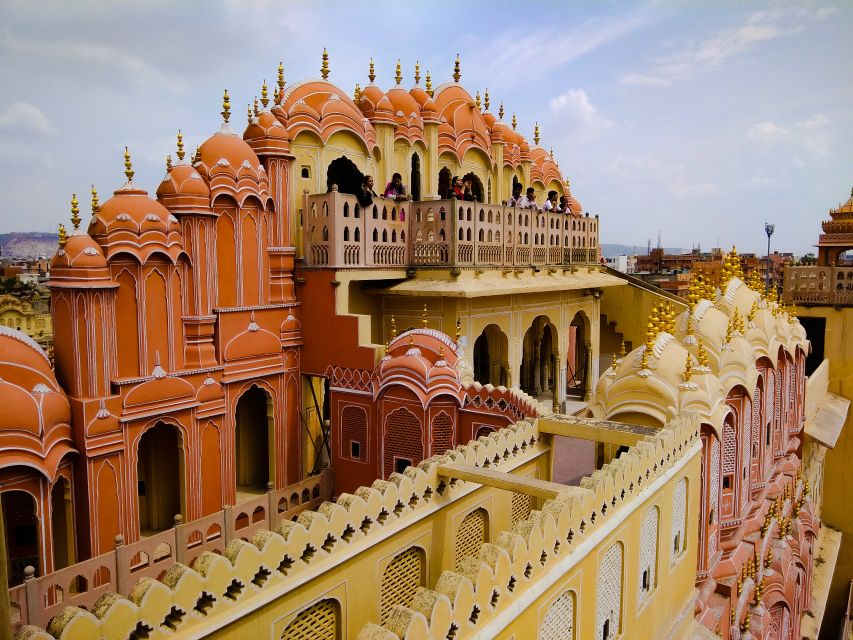
Hawa Mahal is the kind of building people photograph without really reading. This tour helps you slow down. You’ll hear why it’s significant architecturally and what the façade is meant to do in the life of the palace.
Since some attractions are viewed from outside only, you should treat Hawa Mahal as a visual orientation stop rather than a guided interior museum moment. That’s still a win. In a short walking tour, outside viewing is efficient, and it keeps you moving through the old city instead of burning time on entrances and tickets.
If you care about details, this is where your guide earns their fee. Instead of general sightseeing, you’ll get explanations that help you connect architecture to purpose—so the building isn’t just a pretty screen of windows. It becomes a clue about how Jaipur’s royal spaces interacted with the city outside.
Markets, Temples, and Old Lanes with Real Day-to-Day Meaning
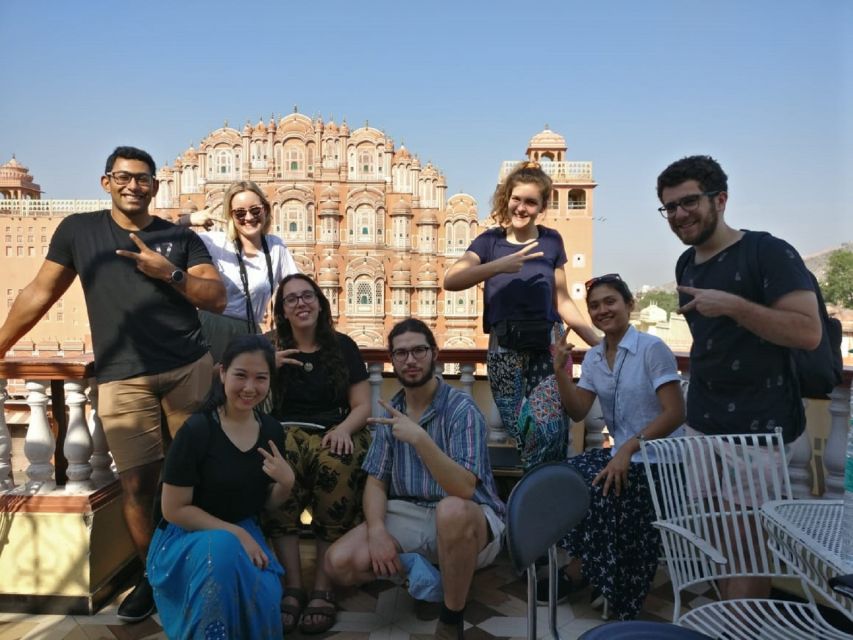
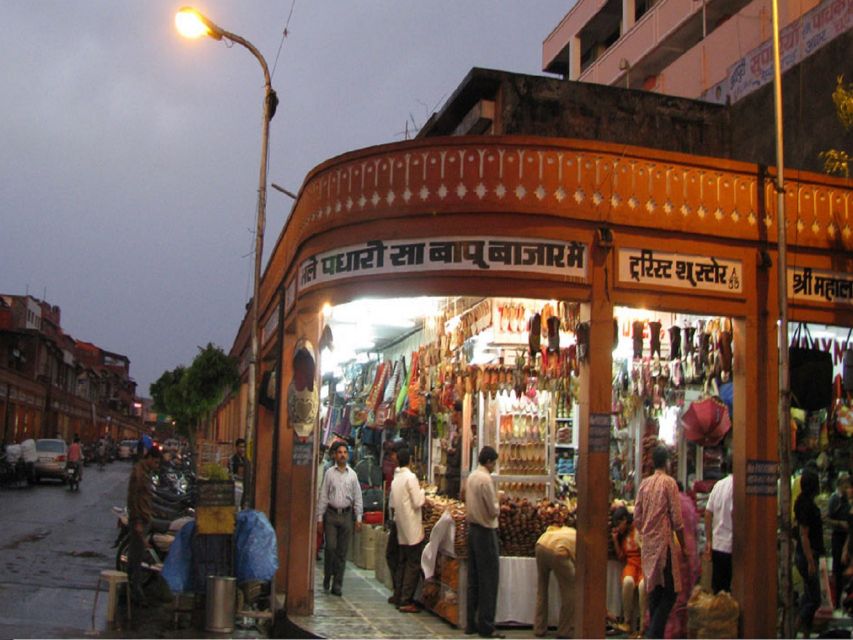
After Hawa Mahal, the tour shifts into the kind of streets you’ll likely miss if you only follow big attractions. You’ll walk through historic lanes, temples, and heritage neighborhoods where the city still feels active and human-scale.
This is the part that makes the tour feel more “cultural” and less “tour bus.” You’re not just seeing places—you’re hearing how the old city spaces were used and how they still function. The walk includes paths once used by royal priests, which gives you a clearer picture of how religion, authority, and daily street life were woven together.
Expect a lot of seeing with your senses: shops, small temple fronts, family-run spaces. Your guide’s job is to connect what you’re seeing to why it exists. When that happens, Jaipur stops being a grid of sights and turns into a living map.
A practical note: you’ll want sunglasses, a hat, and water. The tour advises you to bring all three, and for good reason—old city walking plus sun can drain you faster than you expect.
The Sword Shop and a 150-Year-Old Working Camera
This is one of those stops that makes the tour feel different from the standard itinerary. You’ll visit a traditional sword shop and see a 150-year-old working camera. These aren’t just photo props. They’re examples of craft and technology continuing in a modern city.
Why this matters: Jaipur isn’t only about monuments. It’s also about the working heritage that keeps local skills alive. When you learn how a business operates or how tools are maintained, you start understanding what “tradition” means in real terms—not as an abstract idea, but as something people keep doing.
For visitors who like hands-on storytelling, this is a highlight. It also helps break up the pace between big landmarks. Instead of walking from one “headline” site to the next, you pause in a space where your guide can explain trade, tradecraft, and local life.
If your guide is especially strong at storytelling (and many are), you’ll leave this section understanding why certain old shops survived, and why they still matter to the area around them.
You can also read our reviews of more tours and experiences in Jaipur

Sawai Man Singh Town Hall: Ornate Details, Clear Context
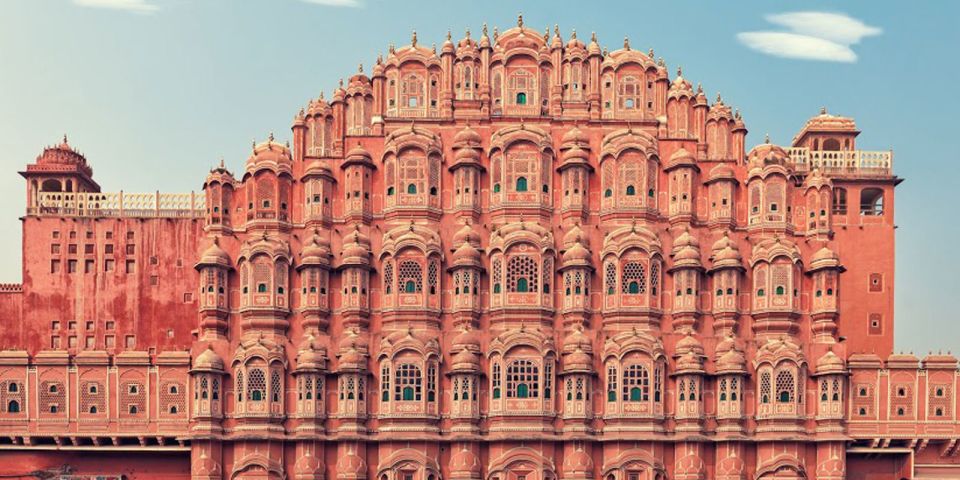
Next up is the Sawai Man Singh Town Hall, noted for its ornate character. The tour uses this stop to give you context: what you’re looking at, why it was placed where it was, and how Jaipur’s civic and ceremonial spaces related to the surrounding neighborhoods.
Town Hall buildings can easily blur together in your mind, especially if you visit multiple cities. What keeps this stop memorable is the guide’s explanation and your position in the walk. You’re approaching it from the old-town streets, so it feels like a natural progression rather than a random detour.
Also, since the tour is time-limited, you’re not forced into long stops. You see enough to notice the features and understand the role it played, without turning your two-hour tour into a half-day project.
Jantar Mantar as a UNESCO Stop on a Short Timeline
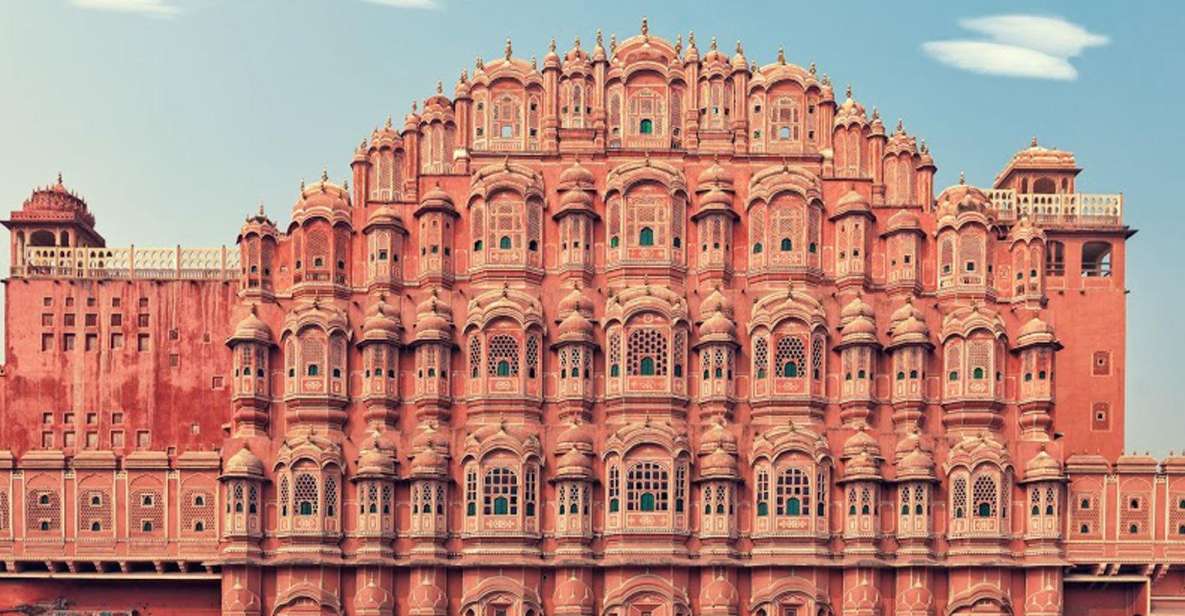
The tour includes Jantar Mantar, a UNESCO World Heritage Site. This is one of Jaipur’s biggest “name” sights, and it can be hard to get oriented if you’ve never seen an astronomical instrument layout before.
In a two-hour tour, you’re not going to get a full physics lecture, and you shouldn’t expect museum-level detail. But you will get guide-led context that makes the site feel logical. Even if you just learn how the structures were meant to measure and observe, that turns the visit from sightseeing into understanding.
You’ll also appreciate the pacing. In real travel terms, you don’t want to spend your best daylight trapped in slow-moving lines. This tour keeps things moving while still including the major heritage stop that many first-time visitors want to see.
Shiva and Krishna Temples: Priests Who Keep the Tradition Going
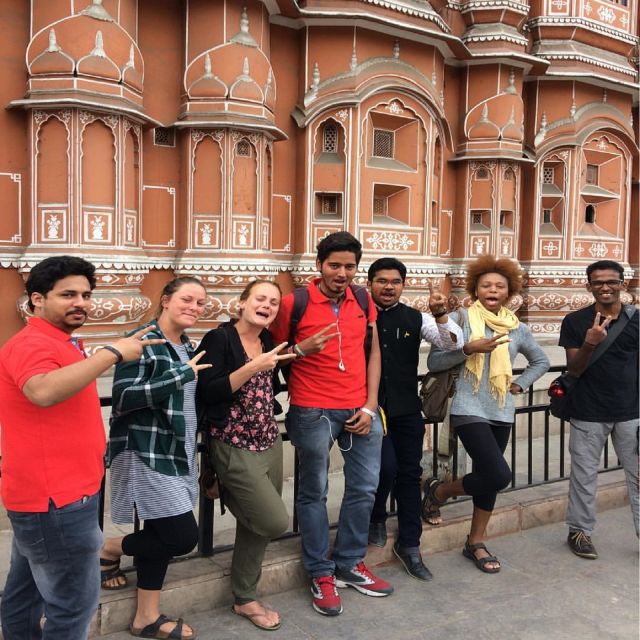
The tour finishes with temple-focused walking, including a historic Shiva Temple and a Krishna Temple maintained by the eighth generation of a family of priests.
This is where the tour can feel most personal. Monuments get attention. Temples get lived-in care. When you hear that a family has maintained these places across eight generations, you start to understand continuity in a way photos can’t provide.
You’ll want to treat this section with respect. Even if the tour keeps moving, slow down in your mind. Notice how temple space feels different from palace façades or civic buildings. It’s more intimate, more tied to routine. Your guide’s stories help you connect architecture and iconography to the ongoing work of a priest family.
As with other stops, you’re likely viewing some elements from outside depending on how the day runs. That’s not a dealbreaker; the value here is what the guide points out and what you learn to notice.
Finish at Golcha Cinema: A Clear Exit Back to Real Life
Your tour ends at Golcha Cinema. That’s a useful finish point because it’s not a dead-end scenic spot. It puts you back in a part of Jaipur where you can continue exploring or grab a drink and snack after you’re done walking.
For a two-hour experience, having a defined finish matters. It helps you plan your next move without guessing where you’ll end up. Also, you can use the guide’s local tips while your city mind is still sharp.
One practical detail: entrance fees are not included. So if you want to go inside any monument later, you’ll need to plan those tickets separately.
Price and Value: Why $14 Can Make Sense Here
At $14 per person for a two-hour walking tour, you’re paying for three things: a guided narrative, a short walking format that avoids ticket bottlenecks, and access to lanes and heritage details you’d struggle to find on your own.
The value improves if:
- you like hearing stories as you walk, not just taking photos
- you want quick context at major sites like Hawa Mahal and Jantar Mantar
- you’ll use the local tips afterward to keep exploring
Where value can drop is if you go in expecting every stop to be a ticketed interior visit. Some attractions are viewed from outside only, and entrance fees aren’t part of the price.
So the right expectation is this: it’s a guided cultural route, not a full-day monument sprint.
Timing and Meeting-Point Reality Check
A walking tour lives or dies on timing. The provided experiences include a positive case where a guide like Gajendra was reported as friendly, with 100% English and solid knowledge, plus an on-time meeting approach. Another account mentions a guide messaged that they were late, then arrived and delivered an excellent experience.
But there’s also a cautionary story where the meeting location reportedly shifted away from Wind View Cafe, and the group waited before others joined. That same account said the tour ended earlier than expected.
What should you do with that?
- Arrive a bit early and confirm the meeting point
- Keep your schedule flexible for short tours
- Ask your guide where you’re going next, so you don’t feel lost if the day’s route shifts slightly
This isn’t about fear. It’s about being street-smart. Old city tours depend on navigation, crowd flow, and group coordination.
Who Should Book This Tour (and Who Might Prefer Something Else)
This tour fits you if you:
- want a short, high-impact introduction to Jaipur’s old town
- enjoy storytelling, markets, and temple streets
- like mixing big landmarks with smaller heritage details
- prefer a manageable walking schedule instead of a full day
You might consider a different option if you:
- want guaranteed interior access to monuments
- need long seated breaks during warm weather
- only want information you can easily find in a quick guidebook read
The best part of this experience is the guide’s perspective. When the guide is strong at storytelling, the tour becomes more than a route. It turns into a framework for how to keep seeing Jaipur on your own afterward.
Should You Book This Jaipur Cultural Walking Tour?
If you’re planning a first visit—or you only have one afternoon in the Pink City—this is a smart booking. The combination of Hawa Mahal orientation, a craft stop (sword shop and the working 150-year-old camera), and the UNESCO Jantar Mantar makes your two hours feel like you saw both the famous and the meaningful.
Book it if you’re ready to walk, you want local context (not just images), and you’ll show up at Wind View Cafe and stay alert for route timing. Skip it or compare options if your priority is interior monument access or you’re very sensitive to any start-time or pacing changes.
FAQ
Where do I meet the guide for the Jaipur 2-hour cultural walking tour?
You meet your guide at Wind View Cafe in front of Hawa Mahal.
How long is the tour?
The tour lasts 2 hours.
What languages is the guide available in?
The guide offers live interpretation in English and Hindi.
Are entrance fees included in the price?
No. Entrance fees to monuments are not included, and some attractions are viewed from outside only.
What should I bring for the walk?
Bring comfortable shoes, sunglasses, a sun hat, and water.
Is there a cancellation window for a full refund?
Yes. You can cancel up to 24 hours in advance for a full refund.