Jaipur talks back in the alleys. This walking tour in the Pink City swaps monument-checking for the stories, customs, and daily routines that keep shaping the city today. You’ll hear about faith, caste, and community, and you’ll see Jaipur through people’s working lives, not just its postcard faces.
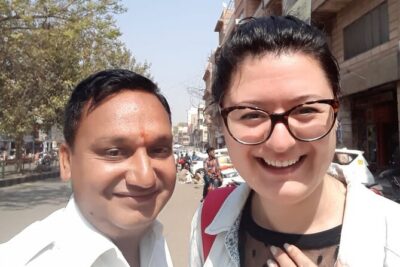
I love two parts most: the guide-led backstreet storytelling that makes old beliefs feel real, and the way you get to watch crafts happen in the market world. Deepak, the guide, is especially good at making you comfortable fast, with real warmth and a sense of humor while sharing detailed local context.
One thing to consider: it’s a temple-involved morning walk, so expect dress rules (long sleeves and long pants) and the chance of uneven, sometimes messy street corners.
In This Review
- Key Things You’ll Notice on This Jaipur Walking Tour
- First Stop: Sanganeri Gate and a Morning Start That Makes Sense
- Johri Bazaar: More Than Shopping, It’s How Jaipur Trades
- How Temple Stops Change the Tour (And How to Prepare)
- The Real Jaipur Part: Stories Between Walls, Not a Sight List
- Back Lanes, Incense, and That Head-Nod Moment
- Temple + School + Street Life: Why It Works as a Full Picture
- Food and Snacks: Small Stops That Keep the Walk Comfortable
- What the Price Covers (And Why It’s Good Value)
- Logistics That Matter: Shoes, Photos, and the Reality of Streets
- Who This Tour Suits Best
- Quick Practical Checklist Before You Go
- Should You Book Once Upon a Time in Jaipur?
- FAQ
- How long is the Jaipur walking tour?
- Where does the tour start and end?
- What is included in the price?
- Is transportation included?
- What should I wear for the temple parts?
- What if the weather is bad?
Key Things You’ll Notice on This Jaipur Walking Tour
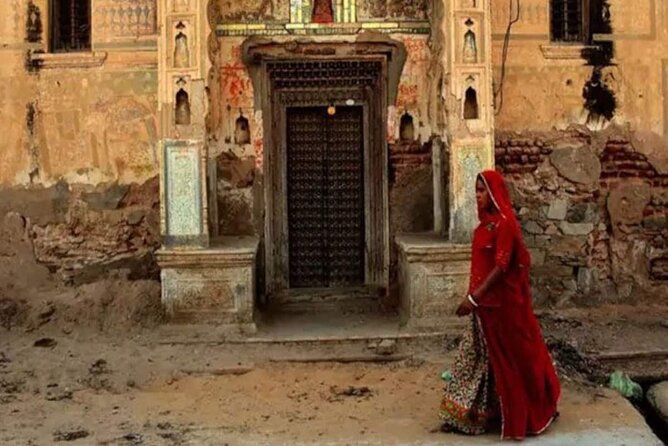
- Start at Sanganeri Gate (7:30am): you’ll begin right where the old city pulse is strongest.
- Johri Bazaar focus: you’ll spend time in the jewelry-making district area rather than rushing past it.
- Temple time is real: wear easy-to-remove shoes and plan for long sleeves/long pants.
- Artisan and shop work, not just sightseeing: you’ll see people making and selling things as part of everyday life.
- Permission-first for photos: ask before photographing a person.
- Snacks included, breakfast not: bring water so the morning stays easy.
First Stop: Sanganeri Gate and a Morning Start That Makes Sense
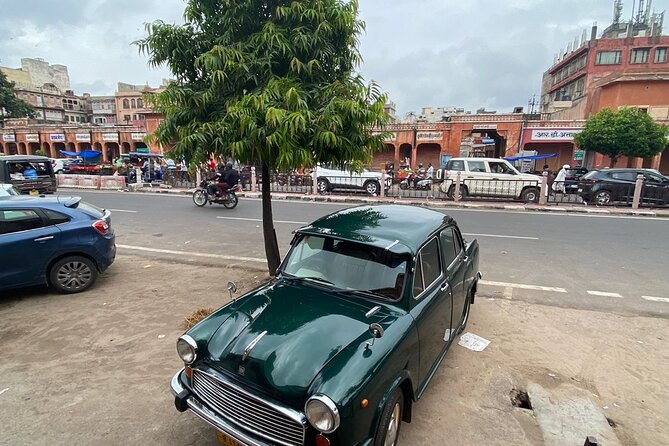
The tour begins at Sanganeri Gate in Jaipur’s Pink City, and it starts early (7:30am). That timing matters. Streets feel calmer, temples and shops are waking up, and you get a better chance to slow down long enough to notice what tourists often miss.
This is a private tour/activity, meaning only your group participates. That often translates into more back-and-forth questions, and a better fit if you’re the type who likes to understand why something works, not just what it is.
If you’re mapping it on your own, plan on being near public transportation. Still, arrive a bit early so you can settle your group and get your shoes sorted before temple time.
You can also read our reviews of more walking tours in Jaipur



Johri Bazaar: More Than Shopping, It’s How Jaipur Trades
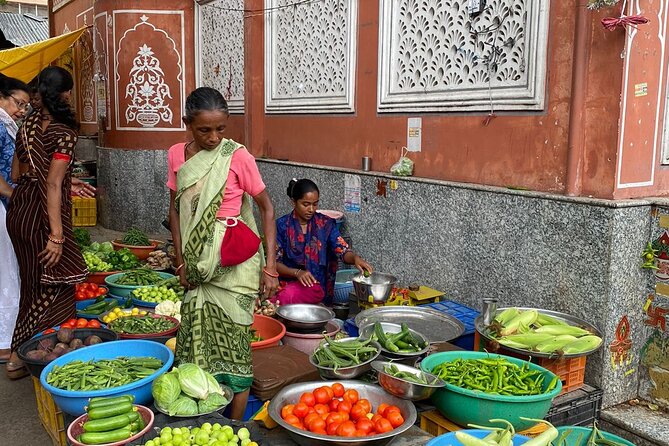
Johri Bazaar is the named first stop, and it’s a smart one. This area sits inside Jaipur’s long-running identity as a trading and craft city, especially tied to jewelry and related crafts. Instead of treating the market like a photo stop, you’re guided through it like a living system: people working, selling, and carrying knowledge forward day to day.
What’s valuable here is the way the guide frames the city’s social rhythm. You’re not just looking at stalls. You’re listening to stories that connect those stalls to beliefs, community roles, and everyday routines—how people live with caste, how religion shows up in daily behavior, and why traditions persist even as the modern world moves in.
And yes, you’ll get moments that feel like a window into practical skills. From what you’re told on the walk, you can expect to see artisan work tied to the local market scene—especially crafts connected to jewelry and accessories.
How Temple Stops Change the Tour (And How to Prepare)
This tour isn’t strictly “street sights.” You’ll visit temples, and that affects what you wear and how you experience the space. The guidance is clear: wear long pants and long sleeves, and bring easy-to-remove shoes. It’s not just a rule sheet—temples shape the feel of the morning, so dressing comfortably helps you focus.
Temple visits also change the pace. You’ll spend time listening to stories and context around faith and community. Expect bells and a stronger sense of ritual atmosphere than you’d find outside temple grounds.
Two practical tips that will save you hassle:
- Carry water. It’s a morning walk, but the older lanes can add up fast.
- Don’t assume you’ll be able to snap photos freely. You’ll be asked to take permission before photographing people.
The Real Jaipur Part: Stories Between Walls, Not a Sight List
The tour’s whole concept is simple: it’s not about ticking off famous monuments. It’s about the stories that “breathe” between buildings—the jokes, traditions, and local explanations that help you understand why Jaipur looks and behaves the way it does.
You’ll hear about:
- Faith in everyday life, not just religion as an abstract idea
- How caste and community roles influence interactions and routines
- How older beliefs still shape modern habits
That’s the difference maker. Jaipur has plenty of heritage you can photograph. But if you want the city to make sense—how it functions socially, why markets operate as they do, and what people mean when they talk about religion—this format is built for that.
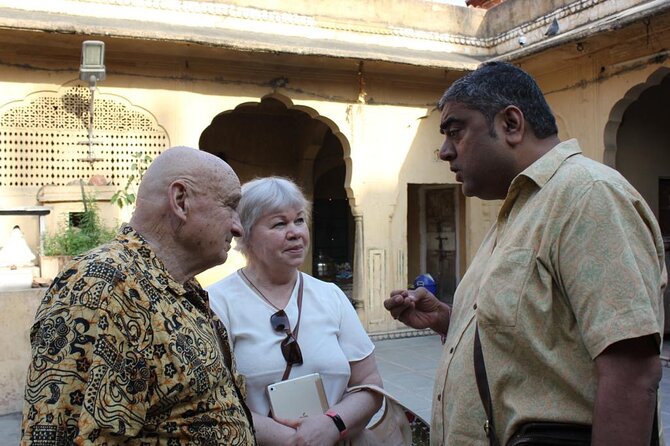
A recurring theme from the experience details is that you’re guided like someone who genuinely lives there. The guide, Deepak, is praised for being warm, funny, and easy to be with—so the stories don’t feel like lectures. You’re more likely to ask questions, and the guide tends to answer in a way that connects back to daily life.
Back Lanes, Incense, and That Head-Nod Moment
The “Pink City” feel isn’t just visual. It’s sensory. You’re likely to notice incense in the air, and the everyday soundtrack of the old city—vendor calls, chatter, and traffic noise mixing together.
You might also encounter light surprises described for the walk, like jumping monkeys leaping across rooftops. That kind of moment is worth remembering because it’s part of the texture of the city that photographs can’t capture.
One detail that’s genuinely helpful for visitors is the mention of an Indian head nodding style that can mean yes, no, or maybe depending on context. On a walking tour like this, you’ll hear explanations and watch body language closely. You’ll feel less confused when conversations don’t follow the exact patterns you’re used to.






Temple + School + Street Life: Why It Works as a Full Picture
The experience isn’t only about markets. From the tour description and the tour’s emphasis on daily routines, you can expect stops and moments that tie local community life into what you’re seeing.
In practice, the walk can include visits to places connected with education and community presence, not just retail. That matters because it connects Jaipur’s public street life to real human timelines—how people learn, worship, work, and move through the city together.
You’ll also see how local food and small vendor activity fits into the day. Food vendors are part of the street rhythm, and the tour includes snacks, so you can taste a bit without needing to plan meals on the fly.
Food and Snacks: Small Stops That Keep the Walk Comfortable
Snacks are included, which is a nice value add for a 2.5-hour morning. It helps you avoid the classic problem where you’re walking, browsing, and listening—and suddenly you’re hungry and grumpy.
Breakfast is not included, so plan to have something before you go if your stomach needs it. If you’re the type who snacks often, you’ll likely feel fine with the included snacks plus water.
Since you’re in old lanes, bring water seriously. It’s mentioned for a reason. Even a “short” walking tour can feel longer when you’re absorbing smells, noise, and constant visual input.
What the Price Covers (And Why It’s Good Value)
The price is $34.04 per person for an approximately 2 hours 30 minutes walk. At first glance, that’s not a bargain in the “tourist deal” sense. But for Jaipur, it’s solid value because you’re paying for:
- a private group experience (your group only)
- a guide who focuses on stories and daily life context
- snacks included
- time in real old-city areas like Johri Bazaar, plus temple visits
Also, the tour uses a mobile ticket, which reduces friction when you’re coordinating your day.
What’s not included is private transportation. If you’re already staying near the old city or can get yourself to the meeting point easily, that’s fine. If you need a dedicated car transfer, you’ll add cost.
Logistics That Matter: Shoes, Photos, and the Reality of Streets
This kind of old-city walk comes with real conditions. You may encounter dirty street corners and uneven sidewalks. That’s normal here. If you’re expecting perfectly clean footpaths, you’ll be happier adjusting your expectations.
You’re also encouraged to ask before taking pictures of a person. This is both respectful and practical. It keeps your walk smooth and helps you avoid awkward moments.
And because you’ll be going through temple areas, your footwear choice matters. Wear something you can take off quickly and put back on without turning your backpack into a shoe closet.
Who This Tour Suits Best
This is a great fit if you:
- want real Jaipur street life, not only heritage monuments
- enjoy stories about culture, religion, and community roles
- like markets but also want context for what you’re seeing
- prefer a smaller, private experience with a friendly guide like Deepak
It’s less ideal if you hate early mornings, don’t want temple rules, or need a very structured itinerary that stays far away from street-level mess.
Quick Practical Checklist Before You Go
If you want this to feel easy, do these before you head out:
- Wear long sleeves and long pants
- Bring easy-to-remove shoes
- Pack a water bottle
- Be ready to ask permission before photos of people
- Expect some uneven lanes and occasional trash at street corners
Should You Book Once Upon a Time in Jaipur?
I’d book it if you’re the type of traveler who likes to understand the city’s people, not just its buildings. The biggest selling point is the way it connects faith, caste, community, and daily work into one walk—especially through Johri Bazaar and temple time—guided by Deepak’s warmth, humor, and strong local storytelling.
Skip it if you’re chasing only major landmarks and you want a simple sightseeing route with no temple-related dress expectations. Also, if you strongly prefer clean, smooth sidewalks and hate early starts, you may find the old lanes less comfortable.
FAQ
How long is the Jaipur walking tour?
It lasts about 2 hours 30 minutes.
Where does the tour start and end?
It starts at Sanganeri Gate, Pink City, Jaipur, Rajasthan 302003, India and ends back at the meeting point.
What is included in the price?
You get snacks included. Breakfast is not included.
Is transportation included?
No. Private transportation is not included.
What should I wear for the temple parts?
Wear long pants and long sleeves. You should also plan for easy-to-remove shoes since you’ll visit temples.
What if the weather is bad?
The experience requires good weather. If it’s canceled due to poor weather, you’ll be offered a different date or a full refund.