REVIEW · AMER INDIA
Jaipur: Half Day Tour (Amber Fort, Panna Meena, Jal Mahal)
Book on GetYourGuide →Operated by Hii-Stories · Bookable on GetYourGuide
Jaipur feels like three trips in one when you do it with a real plan. This private, air-conditioned car and a licensed English guide let you see Hawa Mahal, Amer Fort, and Jal Mahal without the usual scramble, and the pace stays calm enough for good photos and real questions. I especially like the way the guide connects the monuments to how Jaipur worked day to day, not just dates and names.
My favorite part is the rhythm: you get short, focused stops plus enough time at Amber Fort and the stepwell to slow down. One thing to think about up front: entry tickets are extra and you’ll pay the exact cost in cash to the guide, and some sites involve walking and stairs.
In This Review
- Key things that make this tour work
- The value in a 4-hour Jaipur plan
- Getting picked up: clean car, chauffeur, and no taxi chaos
- Hawa Mahal: photo stop first, then the stories behind the windows
- Panna Meena ka Kund: the stepwell that rewards slow looking
- Amber Fort in a private loop: royalty vibes, plus real context
- Gaitor Ki Chhatriyan photo stop: a quieter view with good story value
- Jal Mahal: the Water Palace calm break on the lake
- Lunch and the entry-ticket math (what you pay, and what you get)
- Optional Old City market walk and block printing demo
- Car type and timing: why the group size matters
- What to bring, and what to expect on-site
- Should you book this Jaipur half-day tour?
- FAQ
- What’s included in the Jaipur half-day tour price?
- Are entry tickets included?
- How long is the tour?
- What sites are included in the main itinerary?
- Is lunch included?
- Can I add extra monuments if I have time?
- What optional activities are available?
- What car will I get?
- Is it suitable for wheelchair users?
- Are there photography or smoking rules?
Key things that make this tour work
- Private, clean AC vehicle picked up from your exact location in Jaipur
- Licensed English guide who shares stories and also helps with photography timing
- Relaxed schedule with no rushed “see it then sprint” energy
- Amer Fort plus Jal Mahal in a single morning-style loop, with breathing room
- Optional add-ons like block printing and a walk through Old City markets
- Safe, trusted setup that’s a good fit for solo travelers, couples, and families
The value in a 4-hour Jaipur plan
At $27 per person for a 4-hour private experience, you’re mainly paying for convenience and a guide who turns landmarks into something you can actually understand. A shared tour can be cheaper, but it often trades away your pace, your photos, and your questions.
This half-day format is built for first-time visitors. You hit the big-photo sights (Hawa Mahal and Jal Mahal), then you shift into Jaipur’s “how it was lived” mode with Amer Fort and the stepwell. The payoff is that you leave with a clearer mental map of the city rather than a pile of selfies.
You can also read our reviews of more tours and experiences in Amer India.


Getting picked up: clean car, chauffeur, and no taxi chaos
You start with pickup anywhere in Jaipur—hotel, airport, railway station, or a specific address you choose. Then you roll in a private car with a chauffeur, and the ride depends on group size (sedan for 1–2 people, Kia Carens SUV for 3 people, Toyota Crysta SUV for 4–5, and larger vehicles for bigger groups).
Why this matters: Jaipur’s sites are spread out, and timing gets messy fast if you’re negotiating transport on your own. With a driver and an itinerary, you can focus on sights instead of logistics.
Also, the tour notes that you’ll get water bottles throughout the journey. Small thing, but in Jaipur heat it keeps the day feeling easier.
Hawa Mahal: photo stop first, then the stories behind the windows
Your route begins with Hawa Mahal, the Palace of Winds. You’ll get a quick photo stop and then a guided visit, with about 20 minutes here in total, including sightseeing and explanation.
The key idea with Hawa Mahal is to look beyond the famous facade. The guide should point out the reason those windows exist and what they were used for, so you understand the building rather than just photographing it. If you care about images, this is also one of the most photogenic stops, so go into it with your camera ready and your hat on.
One practical note: you’ll be outside for the photos and viewpoints. Comfortable shoes help, because even short stops add up over the day.
Panna Meena ka Kund: the stepwell that rewards slow looking
Next is Panna Meena ka Kund, the stepwell known for its geometric, symmetrical staircases. You’ll spend about 1 hour here with a guided visit and walk.
What I like about this stop is the change in mood. After Hawa Mahal’s ornate facade, the stepwell feels calm and almost ordered—like the city designed a place to pause. The guide’s job here is especially important because it’s easy to miss the meaning of the design if you just treat it as a photo location.
Take your time on the walk through the stair shapes. If you’re a photographer, you’ll likely get better shots by positioning for the symmetry instead of rushing toward the first angle you see.
Amber Fort in a private loop: royalty vibes, plus real context
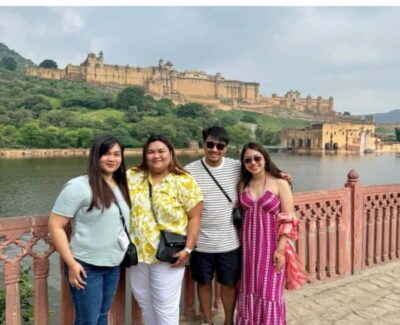
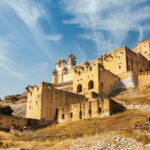
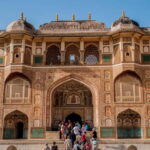
Amber Fort (also called Amer Fort) is the tour’s anchor. You’ll get around 1.5 hours here for visit, guided tour, and some sightseeing, with time that also leaves room for shopping if you want it.
This is where a licensed guide can make the difference between “big fort” and “understood fort.” The best guides explain how Amer connects to Jaipur’s growth and the golden era the buildings reflect, then tie the architecture to daily life and power.
Here’s what to expect on the ground: you’ll walk within and around the complex, and you’ll likely deal with crowd flow even during a half-day tour. The benefit of this private format is that you’re not stuck with a group that moves at a different speed than you do.
For your visit, bring your sunscreen and plan for sun exposure. A hat helps more than you think, especially during outdoor viewing points.


Gaitor Ki Chhatriyan photo stop: a quieter view with good story value
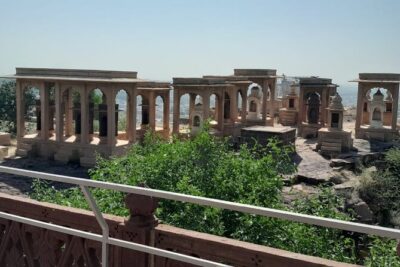
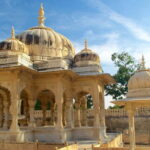
After Amber Fort, you’ll get a photo stop and guided visit at Gaitor Ki Chhatriyan, with about 40 minutes allotted. This stop isn’t as universally famous as Hawa Mahal, but it can be a meaningful contrast: less postcard, more texture and atmosphere.
The “why” of this place is usually easier to understand when your guide is specific about who built what and what the site represented. If you like architecture and symbolism, this is often the moment where the day starts to feel more personal and less checklist-like.
Also, photo timing helps here. If the guide is paying attention, you’ll get pointed toward better angles rather than just standing where everyone else stands.
Jal Mahal: the Water Palace calm break on the lake
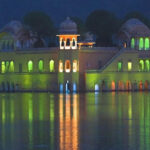
Then comes the signature “floating palace” moment at Jal Mahal. You’ll spend about 30 minutes, including a photo stop, visit, and guided explanation, plus lake-view sightseeing.
Jal Mahal is a great place to slow down because the view does some of the work for you. Even without long explanations, you can feel the shift: the setting is quieter, and it gives your legs a break after Amer Fort.
The best move is to let the guide describe how the palace fits into the water-lake setup and what it meant in the broader city plan. If you’re chasing photos, aim for a calm corner view rather than only the obvious facade angle.
Lunch and the entry-ticket math (what you pay, and what you get)
Lunch is not included, but the tour gives you enough time for a break mid-route. Your guide will suggest a safe, well-known restaurant, and they describe it as a 5-star style lunch experience.
Entry tickets are extra, and you’ll pay in cash to the guide at the end of sightseeing. The materials list ticket expectations in two ways:
- A note suggests the total entrance fees are around Rs. 700/adult (INR).
- Another note says non-Indians should plan around Rs. 1750/adult, while Indians should plan around Rs. 500/adult, with the exact ticket cost handled by the guide.
Either way, your day should run smoothly because the guide arranges tickets ahead of time so you avoid line waiting. That’s one of the hidden values of a good guide: it protects your time when you’d otherwise burn energy standing in crowds.
Optional Old City market walk and block printing demo
If you have energy left and want something beyond monuments, there are two optional add-ons.
Block printing activity demo: Jaipur is known for its textile prints, and the demo is meant to show you how block printing works. If you prefer making sense of a craft rather than shopping through endless stalls, this is a good choice. You don’t have to commit to buying anything; you can just watch and learn.
Flower market walk: You can also add a stroll through Old City markets for a sensory walk of colors and local life. Keep your expectations practical here. Markets are busy and full of visual noise, so wear comfortable shoes and pace yourself.
These optional experiences are worth considering if you want Jaipur to feel like a living city, not only a museum.
Car type and timing: why the group size matters
This tour is private, so it won’t feel like you’re being herded. Still, the vehicle you get changes by group size, which affects comfort and seating space.
- For 1–2 people: 4-seater sedan car
- For 3 people: Kia Carens SUV
- For 4–5 people: new 8-seater Toyota Crysta SUV
- For 6–10 people: 10-seater Traveler with Maharaja seats
If you’re traveling with older family members, having more room can reduce stress. If you’re traveling with just one or two people, the sedan typically keeps pickup and turnaround easy inside Jaipur traffic.
Duration stays around 4 hours, and starting times depend on availability. That means you can often fit it into a morning or half-day window without sacrificing your whole day.
What to bring, and what to expect on-site
Pack for sun and walking. The tour specifically suggests:
- comfortable shoes
- hat
- camera
- sunscreen
- water (though bottles are provided)
Two rules are listed:
- no smoking
- no flash photography
Those sound simple, but they matter at monuments where staff enforce rules. Having a clear plan also helps you avoid awkward pauses.
Also, note the tour says it’s wheelchair accessible, but it also lists that it’s not suitable for wheelchair users and people with mobility impairments. If mobility is part of your decision, I’d treat it as a “confirm with the provider first” situation so you’re not surprised by stairs or walking distances.
Should you book this Jaipur half-day tour?
I’d book it if you want the classic Jaipur hits—Hawa Mahal, Amer Fort, and Jal Mahal—without wasting hours on transport or feeling rushed. This is especially strong for solo travelers and couples because the private setup makes it easier to ask questions and move at your pace.
I’d hesitate if your goal is a long, deep architectural study or if mobility limitations would make stair-heavy stops hard. Also, since entry tickets are extra and paid in cash to the guide, you’ll want to budget that small add-on.
If you like practical touring—good timing, clear guidance, and a calm day in a compact route—this one fits.
FAQ
What’s included in the Jaipur half-day tour price?
You get hotel pickup and drop-off in Jaipur, a private guide, water bottles, and transport in a private air-conditioned car. The price also includes taxes and handling charges, plus fuel surcharge and G.S.T.
Are entry tickets included?
No. Entry tickets are not included, and the guide arranges tickets in advance to help you avoid waiting in lines. You pay the exact ticket cost in cash to the guide at the end of sightseeing.
How long is the tour?
The duration is about 4 hours.
What sites are included in the main itinerary?
You’ll visit Hawa Mahal, Panna Meena ka Kund, Amer Fort (Amber Fort), Gaitor Ki Chhatriyan, and Jal Mahal, plus you return to Jaipur after sightseeing.
Is lunch included?
Meals aren’t included. There’s time for a lunch break during the tour, and your guide will suggest a famous, safe restaurant.
Can I add extra monuments if I have time?
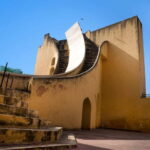
Yes. The team is flexible, and you can ask the guide to add additional places like City Palace, Jantar Mantar, or Gaitor.
What optional activities are available?
You can add a block printing activity demo and/or a flower market walk through Old City.
What car will I get?
It depends on group size: a 4-seater sedan for 1–2 people, a Kia Carens SUV for 3 people, a new 8-seater Toyota Crysta SUV for 4–5 people, or a larger 10-seater vehicle for 6–10 people.
Is it suitable for wheelchair users?
The information provided includes both that it’s wheelchair accessible and that it’s not suitable for wheelchair users or people with mobility impairments. If this matters for you, confirm details with the provider before booking.
Are there photography or smoking rules?
Smoking is not allowed. Flash photography is also not allowed during the tour.