REVIEW · JAIPUR
From Jaipur: Pushkar and Ajmer Private Day Trip
Book on GetYourGuide →Operated by Parikshit Tour and travels · Bookable on GetYourGuide
Pushkar and Ajmer are the kind of day trips that feel like a spiritual shift. I like that this one is built around real religious stops (Brahma Temple and the Khwaja shrine), not just quick photo points. I also like the private, air-conditioned ride that keeps the long day manageable. One drawback to keep in mind: camel/jeep safaris and temple-related charges can turn into surprise expenses if you don’t set expectations up front.
In Pushkar, you’ll walk the town with an English-speaking guide and get the context that makes the lake area and temples click. In Ajmer, the highlight is the major pilgrimage shrine visit, which is where the atmosphere really lands. If you want a purely hands-off tour with zero add-ons, this may not be your best match.
In This Review
- Key takeaways before you go
- Jaipur to Pushkar and Ajmer in One Day: what the day is really like
- Pushkar with a live English guide: Brahma Temple and the lake-town feel
- A note on guide styles and costs at Pushkar
- Optional camel and jeep safaris: fun if planned, annoying if not
- How to keep safaris from hijacking your budget
- Ajmer: Khwaja Muin-ud-din Chishti Shrine and the “big moment”
- A practical tip: your money conversation should be boring
- Getting from Jaipur to both towns: timing, comfort, and walk-heavy reality
- Not great for everyone
- What $43 gets you—and where the real costs can show up
- A quick value check for your travel style
- The best way to have a smooth day (and avoid stressful add-ons)
- Who should book this private trip to Pushkar and Ajmer?
- Should you book? My take on this Jaipur day trip
- FAQ
- Is Pushkar guided on this day trip?
- Do I get a guide for Ajmer too?
- Are camel and jeep safaris included?
- Are temple or monument entry fees included?
- What’s included in the price?
- How long is the trip?
- What should I bring?
- Is this tour suitable for everyone?
Key takeaways before you go
- Pushkar guide is included (Ajmer is focused on the shrine stop)
- Skip-the-line entry via a separate entrance can save time
- Optional safaris cost extra, including camel and jeep choices
- Brahma Temple is the core Pushkar visit
- Khwaja Muin-ud-din Chishti Shrine is the main Ajmer finish
- Expect a lot of walking and bring sunscreen + comfy shoes
Jaipur to Pushkar and Ajmer in One Day: what the day is really like
This is an 11-hour private trip with pickup and drop-off in Jaipur, designed for travelers who want spiritual Rajasthan in a single day. The route is straightforward: Jaipur → Pushkar for temples and the lake area → Ajmer for the big shrine stop → return to Jaipur.
The “private” part matters more than you might think. You’re not negotiating shared transport, and you get a calm, controlled pace between stops. That said, it’s still a full day. You’ll be moving through towns on foot, and the sun in Rajasthan can be intense, so the schedule is only comfortable if you pack well and keep a steady walking pace.
Because it’s private, you can also set your preferences with the driver and the (English) guide in plain terms. Do you want more time at Pushkar’s temples and less time on side activities? Are you skipping safaris? Say it early, because optional activities can sometimes be presented as part of the default plan once you’re already there.
You can also read our reviews of more private tours in Jaipur

Pushkar with a live English guide: Brahma Temple and the lake-town feel
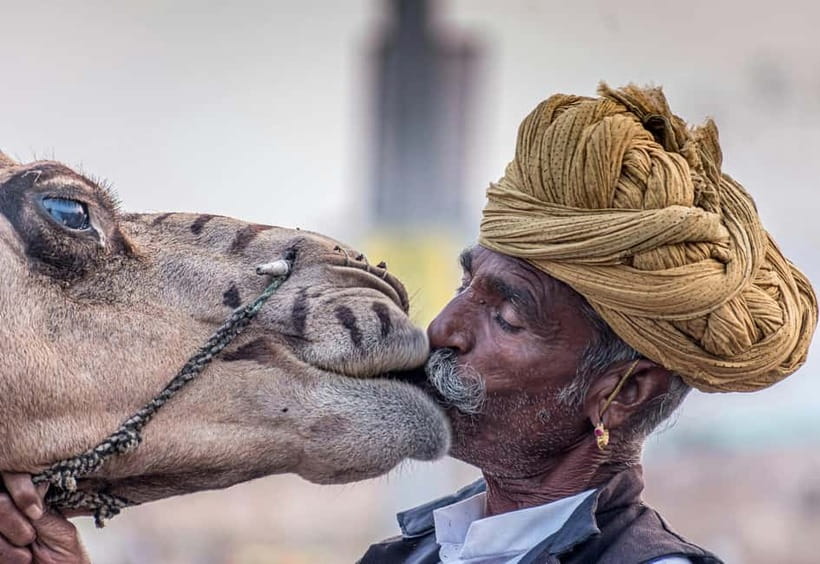
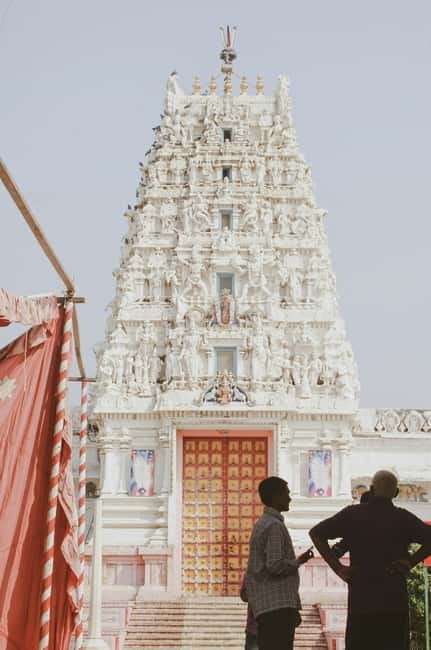
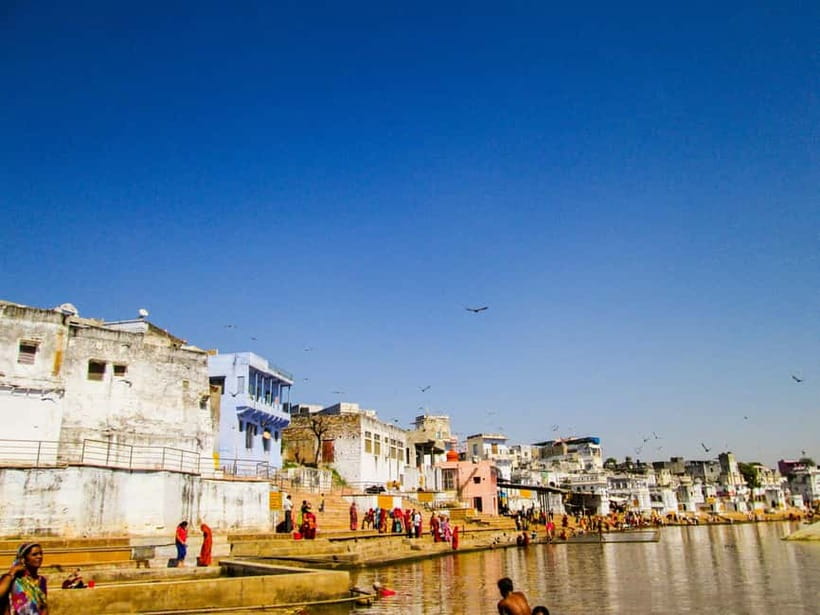
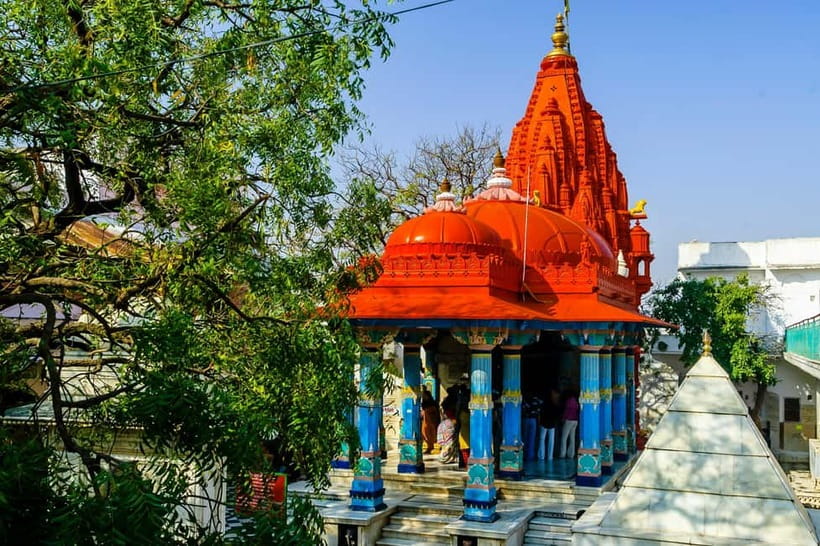
Pushkar is famous for its sacred water and its religious pull, and this tour aims you directly at the center of it. The stop you shouldn’t miss is the Brahma Temple, a key site in the town’s religious circuit. You’ll have time for explanation, so it’s not just architecture sightseeing. The guide’s role here is to connect what you’re seeing with why it matters to pilgrims.
You’ll also spend time around the lake area and the town’s temple lanes. Pushkar is the kind of place where the details are the point: small shrines, focused worship behavior, and the constant sense that this is a lived-in spiritual destination rather than a theme park. In practical terms, this means you’ll be walking through busy pedestrian areas, taking photos when appropriate, and watching for moments when people are clearly in prayer.
A quick reality check: timing in towns like this can be sensitive. If you reach Pushkar when parts of the market areas are closed (it happens), your experience may skew more toward temples and less toward browsing. The good news is that the temple focus stays on track.
A note on guide styles and costs at Pushkar
This is where you should pay attention. Some travelers report being encouraged to take safaris or pay for temple-adjacent items after arriving. Others felt a guide changed tone when they didn’t pay an extra support request. The takeaway for you: if you want a clean, predictable day, state your choices immediately.
If you want to do the safari options, great—go in knowing they are extra cost. If you don’t, say so clearly at the start of the Pushkar portion. That small step can prevent the day from turning stressful.
Optional camel and jeep safaris: fun if planned, annoying if not
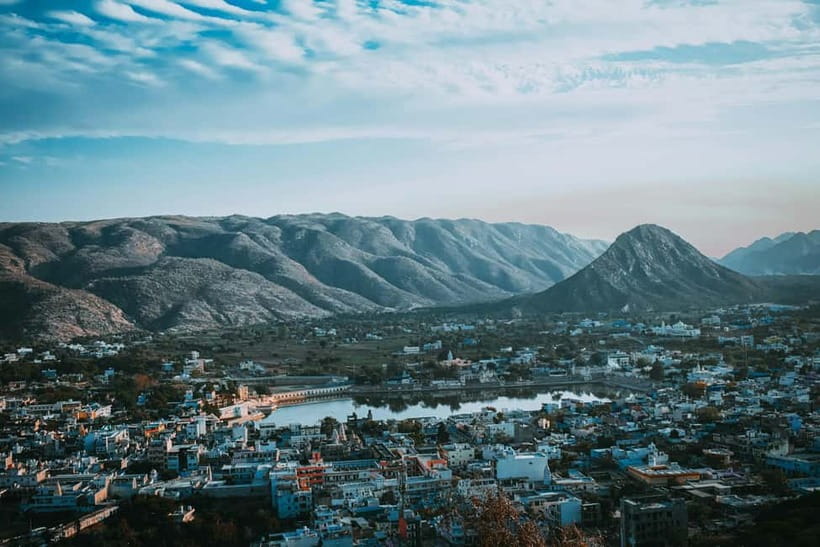
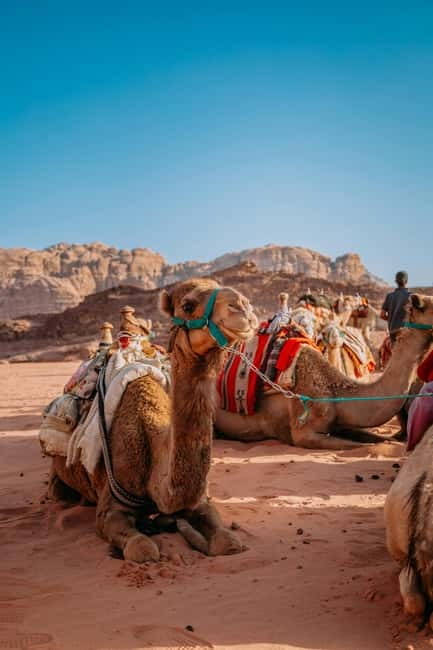
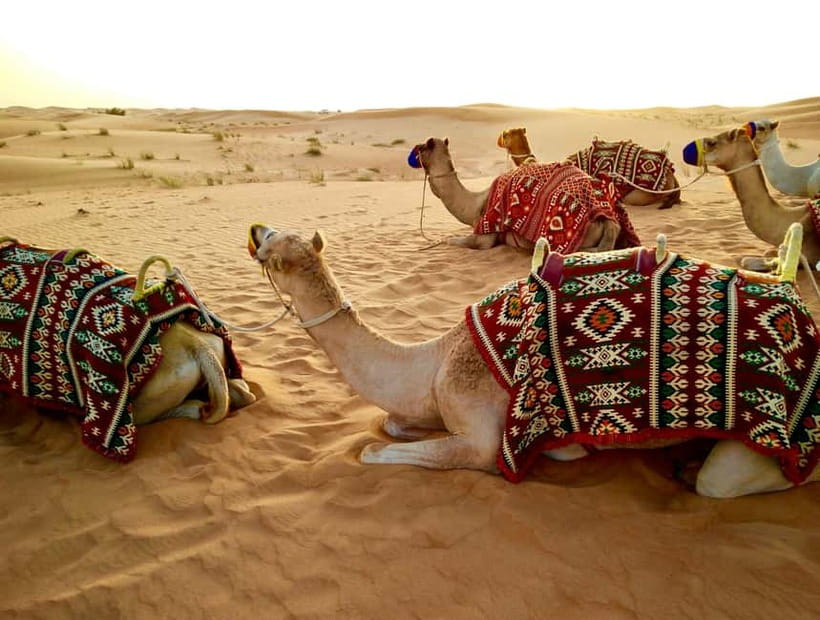
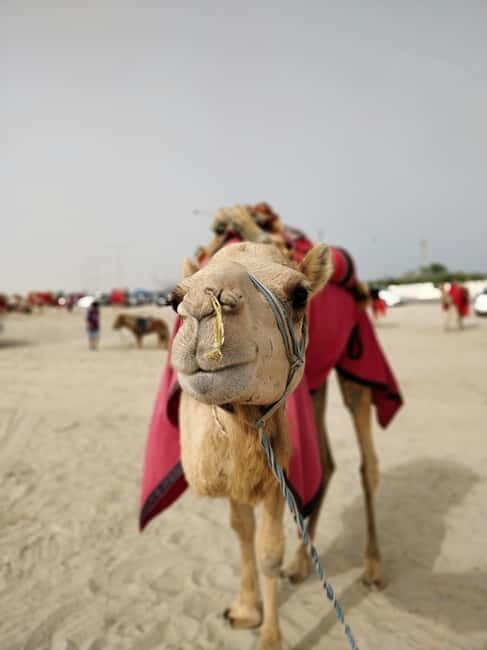
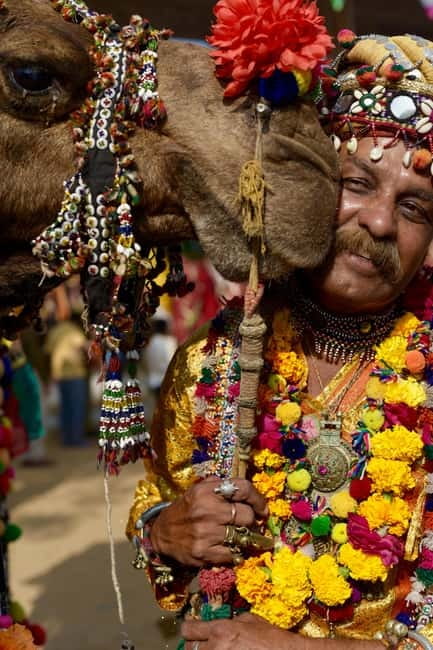
The tour offers “safaris” as add-ons, specifically camel and jeep choices (with horse safaris also mentioned as an option). These are positioned as a way to experience Pushkar’s desert edge—dunes, open land, and the classic Rajasthan safari vibe.
If you choose them, go in with three expectations:
- The safari portion is usually brief compared to what you might hope for, so keep it as a short add-on, not the main event.
- You may pass through areas built for tourist spending, including photo stops and stalls.
- Photo opportunities can start to feel like a sales pitch if you don’t control the boundaries.
Some travelers say the jeep option felt more like a short ride rather than a long “off-roading” experience. Others describe “traditional life” framing that didn’t match the level of access promised. None of that is guaranteed—but it’s enough of a pattern that you should treat the safari as a paid activity with its own upsides, not as a spiritual immersion plan.
How to keep safaris from hijacking your budget
Here’s the simple strategy that works:
- Decide camel vs jeep in advance, or skip both.
- Ask the driver/guide the cost before you agree to anything.
- Ask what’s included in the safari time and what’s not included.
- Set a hard boundary on extra photo-cost requests.
That way, you’re choosing the safari because you want it, not because someone nudged it into the itinerary after arrival.
You can also read our reviews of more tours and experiences in Jaipur




Ajmer: Khwaja Muin-ud-din Chishti Shrine and the “big moment”
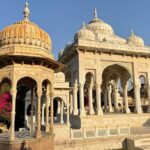
Ajmer is the pilgrimage-heavy contrast to Pushkar. This tour’s Ajmer component culminates at the Khwaja Muin-ud-din Chishti Shrine. That stop is important for Muslims from all over, and it carries a distinct sense of ceremony and devotion.
In practice, this means you’ll be moving through crowds and following on-site guidance. The tour is designed to take you to the shrine and help you find your way through the flow of pilgrims. If you’ve never visited a major Sufi shrine before, be prepared for a different kind of atmosphere than Hindu temple visits—more communal, more guided by ritual rhythms.
Also, plan for small costs that can appear around the shrine area. Some travelers report needing to pay for sandal storage, and there can be additional requests around donation behavior. You’re not required to follow pressure tactics. If donations are part of your personal practice, great. If not, set a firm limit and keep it consistent.
A practical tip: your money conversation should be boring
One thing that can spoil a religious day is awkward bargaining energy. Keep it simple:
- Confirm storage costs before committing if you can.
- Decide your donation range (or decide not to donate).
- If you feel pressured, stop engaging and move with your group.
Your goal is to experience the place, not negotiate with anyone.
Getting from Jaipur to both towns: timing, comfort, and walk-heavy reality
The vehicle part is a strong point of this day trip. You get a private air-conditioned vehicle with fuel, toll, and parking included. In Rajasthan, that comfort between stops can make a huge difference—especially when the day is long and you’re doing temple walking.
The main “timing pressure” comes from the fact that you’re covering two towns. Pushkar can easily eat more time than you expect because there’s a lot to see around the lake and temples. If you spend extra time, Ajmer can feel rushed. On the flip side, if you rush Pushkar, you might miss the calm moments that make it rewarding.
And you should know the walking component is real. The trip isn’t described as a gentle stroll. Comfortable shoes aren’t optional advice—they’re the difference between enjoying the day and feeling wrecked by the return drive.
Not great for everyone
The tour isn’t suitable for wheelchair users, people with back problems, or pregnant women. That’s mostly about walking and how the day is structured.
If you’re in any of those categories, you might be better off with a more flexible, slower-paced itinerary where you can rest and skip stairs.
What $43 gets you—and where the real costs can show up
At about $43 per person for an 11-hour private day trip, the value depends on how you use the add-ons. The included items are solid:
- Hotel pickup and drop-off in Jaipur
- Private AC vehicle
- Water bottles
- Fuel, toll, and parking
- A guided tour in Pushkar only
- English live tour guide
- Skip-the-line via a separate entrance
What’s not included is where people’s budgets can get messy:
- Food and drinks
- Safari costs (camel/jeep options)
- Monuments entry fees
- Personal expenses
There’s also the human factor. Some guides may ask for extra support payments tied to local activities. Others may frame donations in ways that feel intense. Those aren’t guaranteed, but you should treat them as possible and decide your limits before you reach the shrine or temple areas.
A quick value check for your travel style
This tour is a good deal if you:
- Want a private day without logistics headaches
- Are happy to focus on temples and pilgrimage sites
- Can say yes or no clearly about safaris and extra requests
It’s a weaker deal if you:
- Want zero extra spending beyond the listed price
- Prefer a fully transparent, fixed schedule with no surprises
- Hate confrontation, and you tend to freeze when asked to pay on the spot
The best way to have a smooth day (and avoid stressful add-ons)
I’d treat this as a “you choose your own adventure” tour inside a fixed route. You’ll have guidance and a vehicle, but you still need to manage the optional parts.
Here’s what helps most:
- Wear comfortable walking shoes and carry water (you’re provided bottles, but plan for your own needs).
- Use sunscreen—this day includes lots of sun exposure.
- Bring a camera, but be mindful in worship areas.
- Say your plans for safaris at the start of Pushkar.
- If someone mentions extra local support or temple-related charges, ask what it covers and whether it’s optional.
Some names you might hear from previous tour experiences include drivers and guides like Manoj, Pradeep, and Yogesh. The important thing isn’t the name; it’s the style. If the guide is friendly but starts pushing hard on paid add-ons, don’t negotiate midstream. Reset the conversation to your boundaries.
Who should book this private trip to Pushkar and Ajmer?
This is a strong match for:
- First-time Rajasthan visitors who want the two biggest “faith stops” in one day
- Travelers who like guided context in Pushkar (since Pushkar is the guided portion)
- People who value private transport and time efficiency
It may not be the right match for:
- Anyone who needs a low-walking, low-stress day
- Travelers who want a strictly fixed itinerary with no optional activities at all
- People who dislike donation/charge pressure and prefer everything clearly explained upfront
If you’re comfortable being direct and you like pilgrimage sites, this can be a memorable day.
Should you book? My take on this Jaipur day trip
I’d book it if your priority is Brahma Temple in Pushkar plus the Khwaja Muin-ud-din Chishti Shrine in Ajmer, and you’re open to a couple of optional add-ons only if they fit your budget. The private AC transport and English guidance make it easier to enjoy the day rather than fight logistics.
I’d hesitate if you hate surprise costs or you’re traveling in a way that makes it hard to say no in person. The experience can swing between calm and awkward depending on guide behavior and how the safari/donation parts get presented.
If you do book, go in with a plan: decide on safaris (or skip), set a donation mindset, and keep your money conversations simple. That’s how you turn this long day into something you’ll actually remember.
FAQ
Is Pushkar guided on this day trip?
Yes. The tour includes a guided tour in Pushkar with a live English guide.
Do I get a guide for Ajmer too?
The included description specifies guided touring in Pushkar only. For Ajmer, the plan centers on visiting the Khwaja Muin-ud-din Chishti Shrine as part of the day itinerary.
Are camel and jeep safaris included?
No. Camel and jeep safaris are available for an additional cost.
Are temple or monument entry fees included?
Monuments entry fees are not included.
What’s included in the price?
Included are hotel pickup and drop-off from Jaipur, a private air-conditioned vehicle, guided tour in Pushkar, water bottles, fuel charges, and toll & parking.
How long is the trip?
The duration is 11 hours. Starting times depend on availability.
What should I bring?
Bring comfortable shoes, a camera, sunscreen, and water.
Is this tour suitable for everyone?
It’s not suitable for pregnant women, people with back problems, or wheelchair users.