REVIEW · JAIPUR
Jaipur: Full-Day Tuk-Tuk Sightseeing Tour with Monkey Temple
Book on GetYourGuide →Operated by Jaipur tour travels · Bookable on GetYourGuide
Jaipur on a tuk-tuk feels like a shortcut. I like the private street-level access it gives you, and I especially love the payoff of Monkey Temple sunset views at the end. The only real catch is the day includes mild walking, and a tuk-tuk is best for two people (it can hold up to three).
You get a well-paced mix of big-ticket heritage and quick, satisfying stops: forts, royal palaces, an astronomical observatory, plus a couple of calmer cultural spots. If you select a guide, you’ll get clearer explanations as you move between sites, which makes the architecture and symbolism land faster.
One consideration: entrances and camera fees are not included, so your final cost can creep up once you start paying at monuments. Also, this isn’t recommended for pregnant travelers or anyone with pre-existing medical conditions.
In This Review
- Key things I’d count on from this Jaipur tuk-tuk day
- A tuk-tuk day in Jaipur: street-level sights and photo freedom
- Amber Fort and Panna Meena ka Kund: where Jaipur gets dramatic fast
- Jantar Mantar and City Palace: two UNESCO stops with different kinds of meaning
- Hawa Mahal and Jal Mahal: quick hits with strong visual payoff
- Albert Hall Museum and Birla Mandir: culture stops that calm the pace
- Galta Ji (Monkey Temple) at sunset: the day’s emotional payoff
- How the guides and drivers shape the day
- Price and value: what $6 actually buys you in real life
- What to bring and how to prepare for Jaipur’s mild walking
- Who should book this Jaipur tuk-tuk tour
- Should you book this Jaipur tuk-tuk tour?
- FAQ
- How long is the Jaipur tuk-tuk sightseeing tour?
- Where does the tour start, and is pickup included?
- Is this a private tour?
- What is included in the price?
- Are meals included?
- What should I bring, and what isn’t allowed?
Key things I’d count on from this Jaipur tuk-tuk day
- Private tuk-tuk street access: you can move through narrow lanes that larger vehicles can’t use comfortably
- UNESCO time well spent: Amber Fort plus Jantar Mantar both get a focused visit
- Smart photo breaks: the ride stays flexible, so you can grab angles without feeling rushed
- Drivers who help beyond driving: names like Ali, Faruk, Faisal, and Imran show up in the praise for practical assistance
- Galta Ji as a final act: sacred tanks, temples, monkeys, and sunset views in one stop
A tuk-tuk day in Jaipur: street-level sights and photo freedom
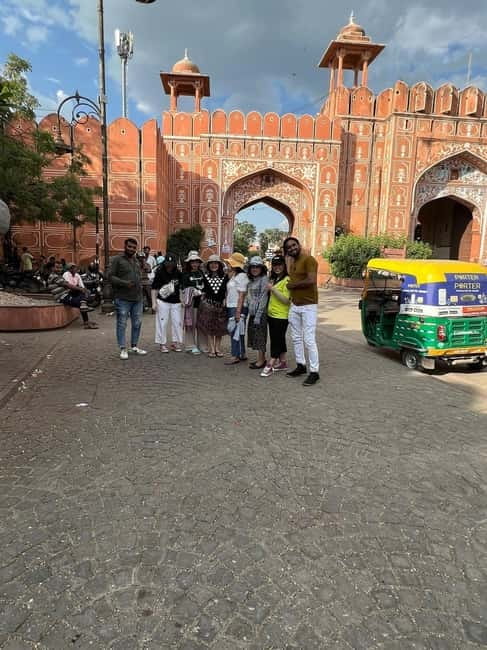
Jaipur is the kind of city where the best views often come from being close to the action. A private tuk-tuk helps you do that. You’re not stuck looking at the city through a windshield, and you don’t have the same limits you’d have with a bigger vehicle. That matters because Jaipur’s old areas are full of tight streets, sudden corners, and small photo-worthy moments every few minutes.
I also like the rhythm of a tuk-tuk day: stop when you want, walk a little, see a highlight, then roll on to the next one. That pace is perfect for visitors who want heritage sites without spending the whole day in a vehicle that feels like a waiting room. You’ll also have bottled water included, which sounds basic, but it’s one less thing to manage during an 8-hour day.
And yes, you get the comfort caveat. A tuk-tuk can accommodate up to three people, but it’s ideally suited for two for a more comfortable ride. If you’re traveling as a trio, plan to keep expectations flexible on personal space.
You can also read our reviews of more tours and experiences in Jaipur


Amber Fort and Panna Meena ka Kund: where Jaipur gets dramatic fast
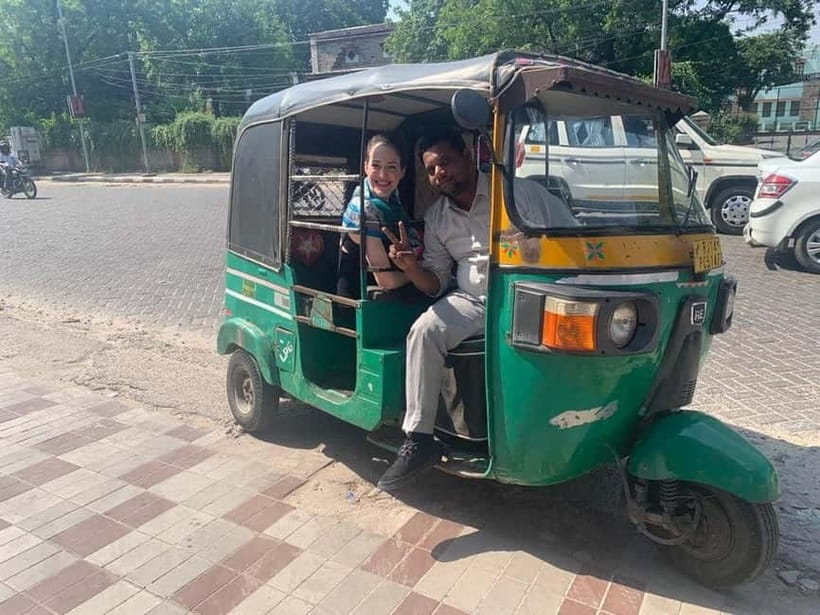
The day’s first major lift is Amber Fort. It’s not just a big fort on a hill. It’s a show of Rajput power with Mughal influences mixed in, all set among courtyards and ornate palace spaces. If you like mirror work, carved details, and fortress architecture that looks good from multiple angles, Amber Fort is built for you.
Expect a guided visit and photo time, plus walking. If you’ve got camera-ready stamina, you’ll be rewarded—Amber Fort is one of those places where you end up wanting one more photo even after you think you’ve done it. If your group likes aerial viewpoints, you may get that kind of perspective as well, depending on what’s workable on the day.
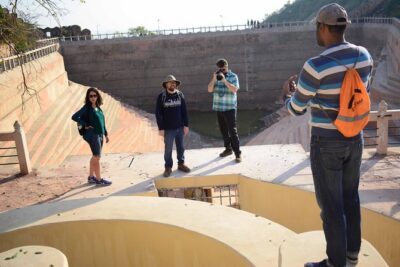
From there, the tour shifts to something quieter and more playful: Panna Meena ka Kund, an ancient stepwell known for symmetrical staircases and geometric patterns. This stop is short, but it’s a nice change of pace after a fortress. It also has strong photo potential because the layout makes it easy to frame symmetrical shots without needing a giant setup.
One tip: because the walking is described as mild (but real), wear shoes you won’t regret. Fort surfaces and stepwell steps add up over a day.
Jantar Mantar and City Palace: two UNESCO stops with different kinds of meaning
Jaipur’s UNESCO status isn’t just about pretty buildings. It’s also about how people thought—about time, space, power, and observation.
Jantar Mantar is an 18th-century astronomical observatory with 19 large instruments used for measuring time and tracking celestial bodies. The vibe here is part science, part architecture. You’ll see scale you can’t fully appreciate from photos, and you’ll likely come away understanding that this wasn’t decorative. It was designed to measure and predict.
If you’re the type who likes stories with diagrams and purpose, ask your driver or guide to explain what the instruments do as you stand near them. That kind of on-the-ground explanation is where these sites can become memorable instead of just a checklist.
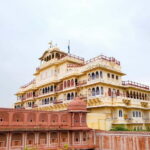
Then comes City Palace, right in the heart of Jaipur. This complex blends Rajput and Mughal architecture, and it’s still partially home to the royal family. That last part matters. It gives the palace a lived-in feel rather than a purely museum-like atmosphere.
City Palace is also a good moment to slow down. You’ve already seen a lot of big architecture, and now you’re in a space where you can notice details: courtyards, scale changes, and the way palace buildings shape street life around them.
Hawa Mahal and Jal Mahal: quick hits with strong visual payoff
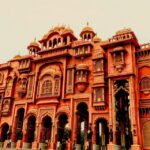
Hawa Mahal is one of Jaipur’s easiest “wow” moments. The highlight isn’t only the exterior. It’s the design concept: 953 intricately designed windows. That’s the kind of detail that makes the building feel like a visual instrument, built for views and movement—then thrown open to the city.
You’ll typically get photo time and a walk, which is important here. From the street, the structure reads differently than it does from inside your head on a postcard. If you can pause and look closely at the window arrangement, the whole façade starts making sense.
Next is Jal Mahal, the palace set in Man Sagar Lake, with submerged lower floors that create the illusion of floating. The interior isn’t accessible, but it’s still a popular photography stop. Even if you’re not obsessed with reflections, it’s a great reset moment: water views against the Aravalli hills give your eyes a break from stone-only scenery.
Expect this as a pass-by/photo stop rather than a long visit. That’s a smart design choice for an 8-hour day, because it keeps energy for what comes next.
Albert Hall Museum and Birla Mandir: culture stops that calm the pace
By the time you reach Albert Hall Museum, you’re usually ready for something a bit more human-scale. This stop is listed as a photo stop plus visit, so you’re not expected to spend hours. Still, it helps you balance the forts and palaces with a museum setting where objects and design carry the story.
Then there’s Birla Mandir, another short visit with photo time and a guided walk. Mandir visits tend to be a nice change after the strong geometry of Jantar Mantar and the grandeur of forts. Even if you’re not religious, you can enjoy the architecture and the atmosphere—especially when you have a moment to slow down.




Galta Ji (Monkey Temple) at sunset: the day’s emotional payoff
This is the stop people remember.
The Monkey Temple, also known as Galta Ji, is in a valley setting and includes ancient temples and sacred water tanks, along with a large population of monkeys. It can feel both spiritual and wild in the best way. You’re not just looking at a building; you’re in a living environment where nature and devotion overlap.
And then the schedule gives you the part that makes it worth timing: sunset views. If you’ve been seeing Jaipur in daylight all day, sunset changes the color and mood. Shadows lengthen. Stone warms. The city stops feeling like a collection of landmarks and starts feeling like a place.
Keep an eye on your belongings and be ready for the fact that monkeys are part of the scenery here. The tour experience doesn’t describe any special handling rules, but the setting itself tells you to stay alert and respectful.
How the guides and drivers shape the day
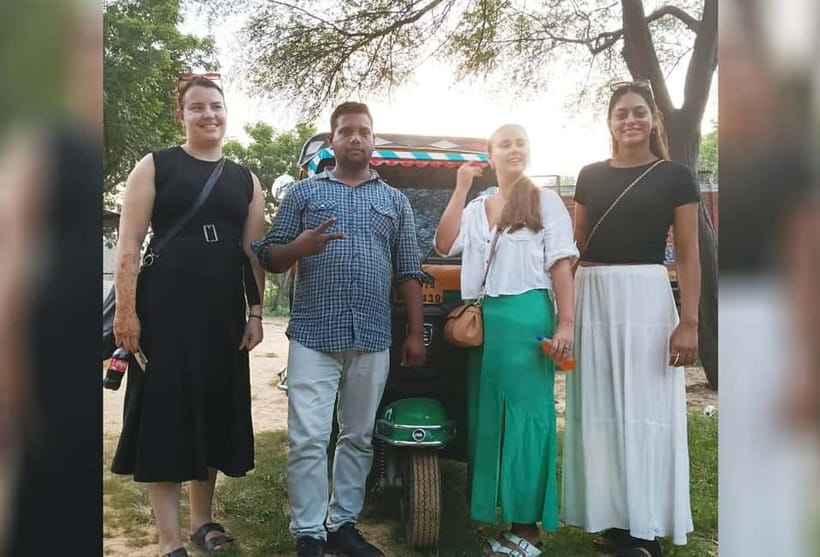
A big reason this tour earns strong ratings is the human factor. The experience isn’t only about where you go; it’s how smoothly you move between them.
In the feedback, drivers like Ali come up for making the day enjoyable while covering major stops like Monkey Temple and Amber Fort. Others are praised for flexibility with photo stops and for helping with practical needs. Faruk is singled out for helping find a café for coffee and cake. Imran is mentioned for being accommodating with photo stops and even helping with a bank visit, plus recommending places to eat with a view.
That last point is worth your attention. In a city like Jaipur, having a driver who can guide you to simple, local choices can be as valuable as the monuments. If your driver also offers small detours based on what you like, that’s usually where your day becomes yours.
Language options are also a plus: the driver can speak English, Spanish, German, or French. If you’re choosing between having a tour guide or not, and your main goal is understanding the story behind each site, selecting a guide can help you get more from the same time on the ground.
Price and value: what $6 actually buys you in real life
At around $6 per person for a full-day tour, this is strong value on paper. You’re getting private tuk-tuk transport with an English-speaking driver, bottled water, pickup and drop-off, and all taxes and handling charges. That’s the big cost center handled for you.
But here’s the honest part: meals and monument entrance or camera fees aren’t included. That means the final amount you spend depends on what you pay at each site. Before you go, I’d set aside a small budget for entrances and photos, and assume you’ll want at least a couple of tickets.
Also, the tour includes “skip the ticket line.” That’s about saving time, not skipping payment. If a site requires an entrance fee, you should still expect to pay it.
If you want the best value, plan your day around what’s included. Use your photo stops smartly. Don’t treat every stop like you need a half-hour of shopping afterward.
What to bring and how to prepare for Jaipur’s mild walking
You don’t need a heavy packing list for this day, but you do need the basics:
- Comfortable shoes
- Comfortable clothes
- Passport or ID card
You should also know what won’t work. Pets aren’t allowed, and you can’t bring luggage or large bags.
Mild walking is part of the experience. That means you’ll walk around at multiple stops, including forts and stepwell areas, even if the exact amount varies by how long you spend at each photo point.
Who should book this Jaipur tuk-tuk tour
This tour fits best if you:
- Want a private day in Jaipur without losing time to public transport
- Like mixing big UNESCO sights with smaller photo stops
- Enjoy flexible timing for photos and quick breaks
- Prefer a driver who can help you manage the flow of the day
It’s less ideal if you:
- Are pregnant or have pre-existing medical conditions (the tour states it’s not suitable)
- Want a zero-walking day
For couples, it’s also a sweet spot because the tuk-tuk ride is ideally comfortable for two. Solo travelers can still enjoy it, but you’ll likely feel the most comfortable if you’re not sharing tightly.
Should you book this Jaipur tuk-tuk tour?
If you want a full day that hits the headline sights—Amber Fort and Jantar Mantar—while also giving you the emotional payoff of Galta Ji at sunset, I think booking makes sense. The private tuk-tuk approach is the right tool for Jaipur’s street layout, and the strong driver feedback (including people helping with practical stops like a bank) suggests you’ll get more than just transportation.
I’d book if you’re okay paying separate monument/camera fees and you can handle mild walking. I’d pause if you need a fully low-movement day, or if spending extra for entrances would strain your budget.
If you go in with comfortable shoes, a bit of ticket budget, and a willingness to be flexible with photo stops, this is one of those Jaipur days that feels efficient without feeling rushed.
FAQ
How long is the Jaipur tuk-tuk sightseeing tour?
The tour duration is 8 hours, including pickup, travel time between stops, and time spent at each destination.
Where does the tour start, and is pickup included?
Pickup is included from your hotel or any preferred location in Jaipur, and you’ll be dropped back after the tour.
Is this a private tour?
Yes, it’s a private group tour, so only your group participates.
What is included in the price?
Included items are airport/railway station/hotel pickup and drop, a private tuk-tuk with an English-speaking driver, bottled water, and taxes, parking, fuel, and handling charges. A tour guide is available if you select that option.
Are meals included?
No, meals are not included.
What should I bring, and what isn’t allowed?
Bring a passport or ID card and wear comfortable shoes and clothes. Pets are not allowed, and luggage or large bags are not allowed.